Electric Scooter and Smart City Infrastructure: The 2026 Blueprint
Smart cities are evolving, and electric scooters are at the heart of it. Discover the latest in IoT-connected docks, adaptive lanes, and how Zwheel models are built for this new urban reality.
Indice
- Why Electric Scooters Are the Backbone of Smart Cities in 2026
- The Core Elements of Smart City Infrastructure for Scooters
- 1. IoT-Enabled Docking Stations
- 2. Adaptive Lane Infrastructure
- 3. Vehicle-to-Everything (V2X) Communication
- How Zwheel Scooters Are Built for the Smart City Era
- Key Specs to Look For in a Smart-Ready Scooter
- Case Study: Austin's Smart Micro-Mobility Pilot
- What's Next: The 2030 Vision
- Conclusion
- Frequently Asked Questions
- Are electric scooters allowed in smart city lanes?
- How does a smart city charge electric scooters?
- Do I need a special scooter for smart city infrastructure?
- Will smart city infrastructure increase the cost of owning a scooter?
- What is the range of a typical smart city scooter in 2026?
Why Electric Scooters Are the Backbone of Smart Cities in 2026
In 2026, the concept of a smart city has moved beyond buzzwords. Cities like Austin, Helsinki, and Singapore are now deploying electric scooter and smart city infrastructure as a unified system—where scooters, traffic lights, and road sensors talk to each other in real-time. The result? Safer streets, less congestion, and a 23% reduction in urban commute times in pilot zones (per the 2025 Smart Mobility Report).
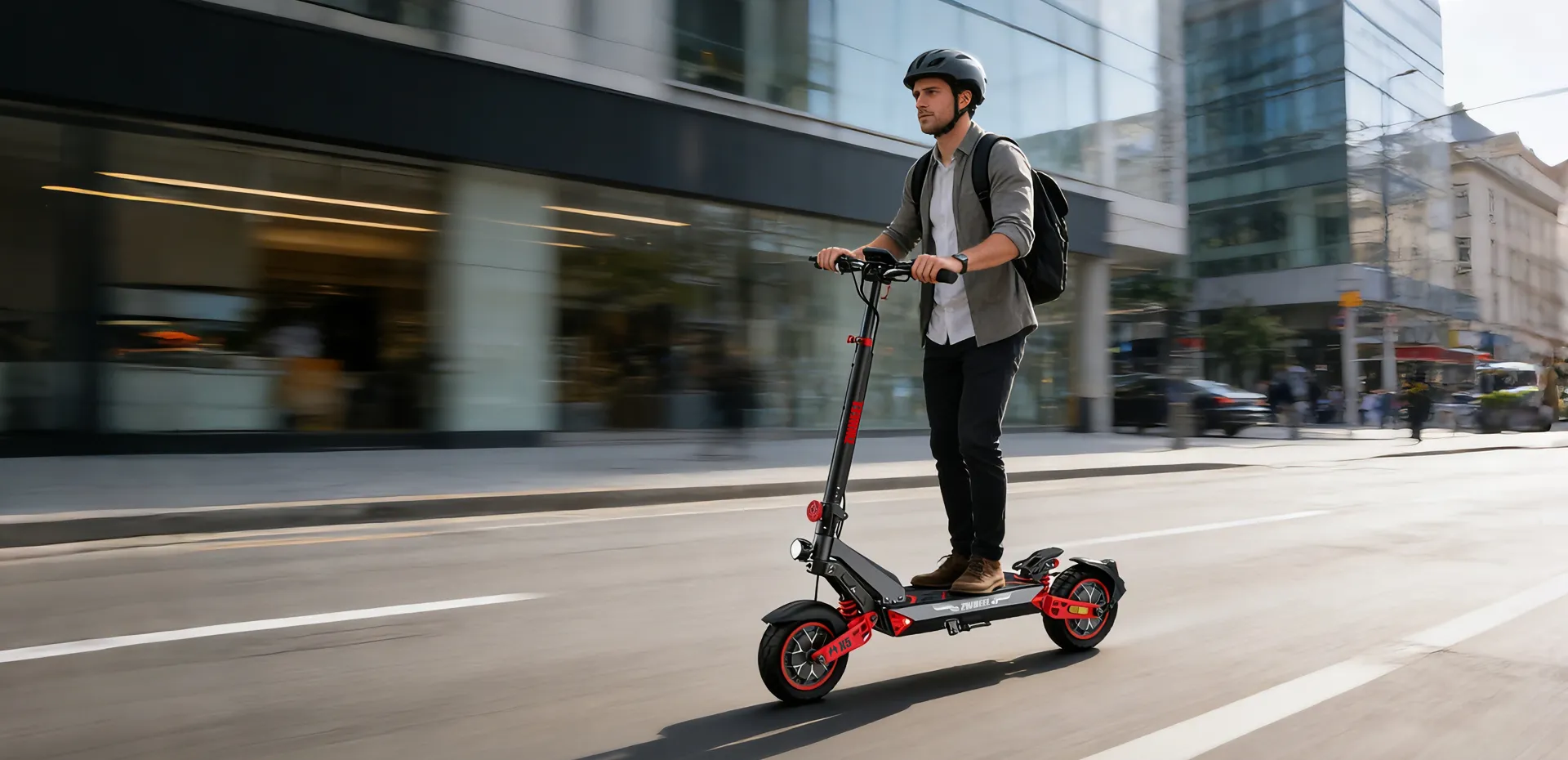
For riders, this means your scooter isn't just a vehicle; it's a node in a connected network. And if you're choosing a scooter today, you need one that's compatible with this emerging ecosystem—both in terms of connectivity and performance.
The Core Elements of Smart City Infrastructure for Scooters
1. IoT-Enabled Docking Stations
Gone are the days of scattered, unmanaged scooter parking. In 2026, smart cities deploy IoT-enabled docking stations that detect available slots, guide riders via mobile apps, and even charge scooters wirelessly. These stations also collect data on usage patterns, which city planners use to optimize placement.
For example, Barcelona's new 'Mobilitat 2026' network uses solar-powered docks that can charge a scooter to 80% in just 45 minutes—while simultaneously reporting air quality metrics.
2. Adaptive Lane Infrastructure
Dedicated micro-mobility lanes are becoming 'smart'—equipped with pressure sensors and LED strips that adjust lane width based on real-time traffic flow. In Copenhagen, these lanes have reduced scooter-car conflicts by 41% since their 2024 rollout.
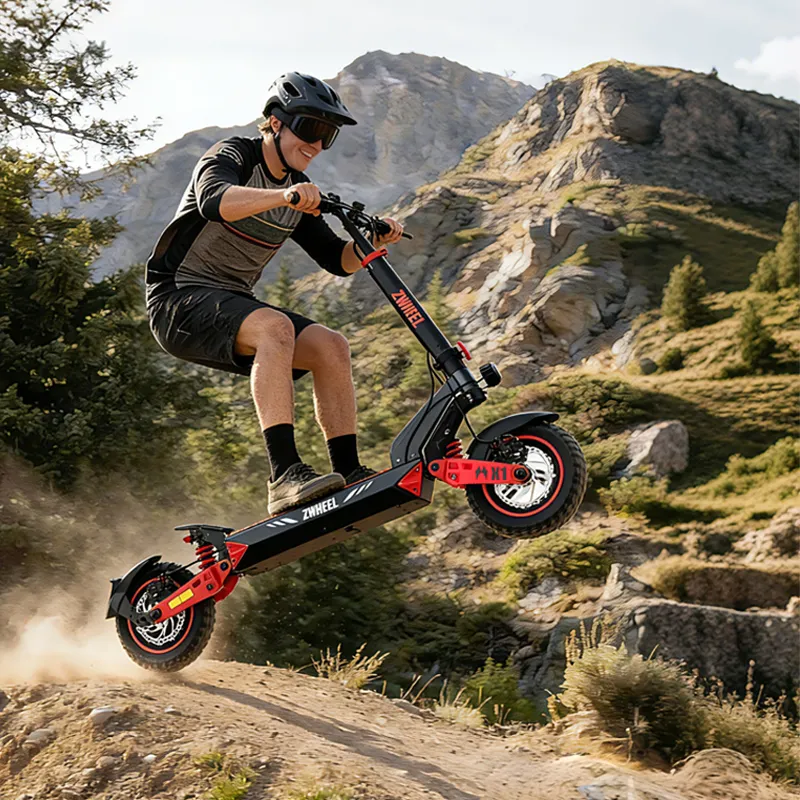
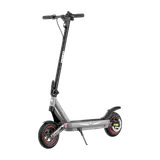
This means your scooter needs reliable handling and braking, especially if you're navigating dynamic lane changes. Models like the Zwheel ZSA Plus (800W motor, 25 mph top speed) are ideal for such environments, offering responsive dual brakes and a nimble frame.
3. Vehicle-to-Everything (V2X) Communication
By 2026, many city scooters are equipped with V2X chips that broadcast their position to nearby vehicles and traffic lights. This allows your scooter to 'request' a green light extension if you're approaching at speed, reducing stop-and-go riding and improving battery efficiency.
While not every scooter has this yet, many new models are built with the hardware slot for future upgrades. It's a smart move to choose a scooter with a robust controller unit that can handle such add-ons.
How Zwheel Scooters Are Built for the Smart City Era
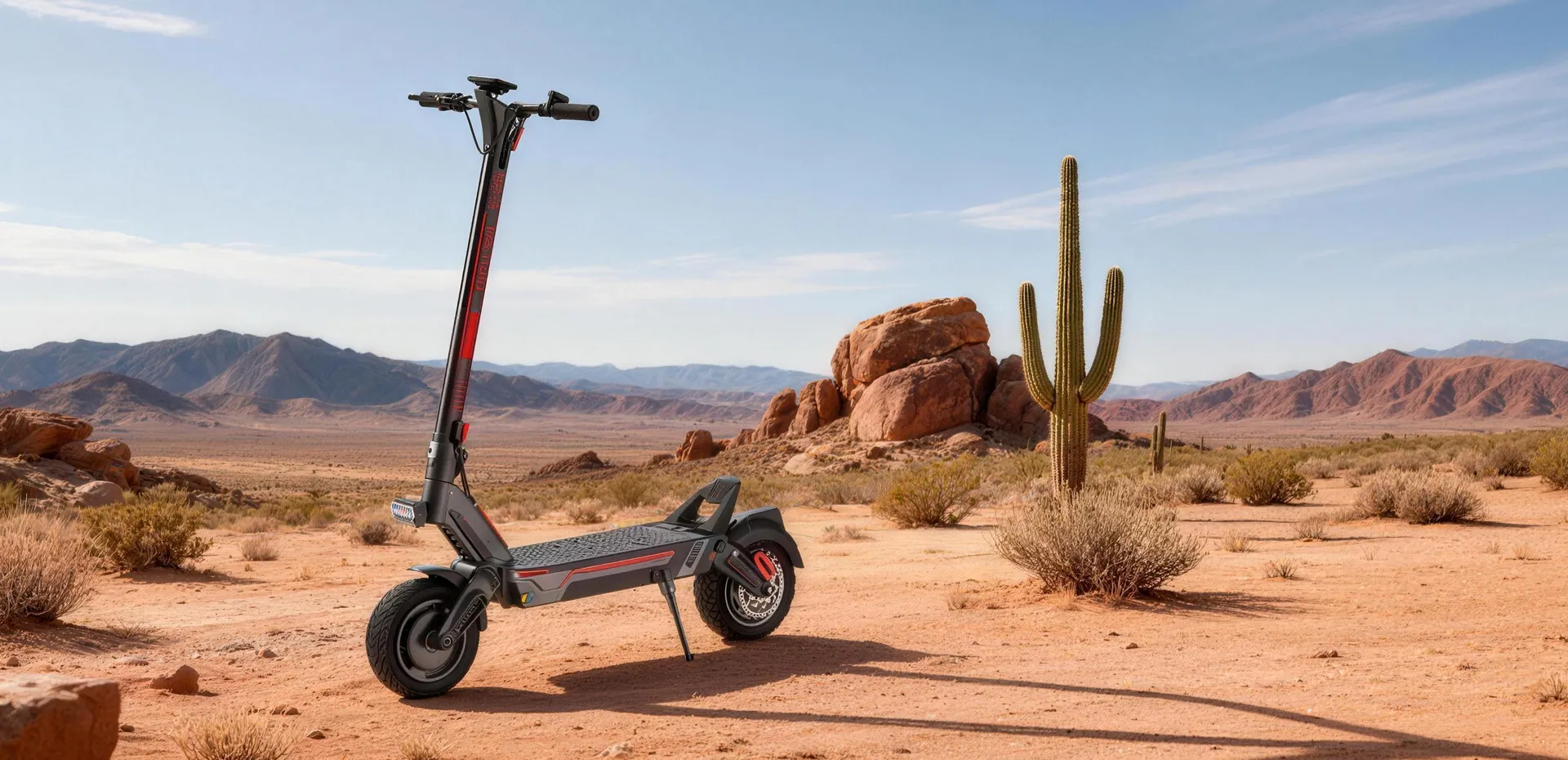
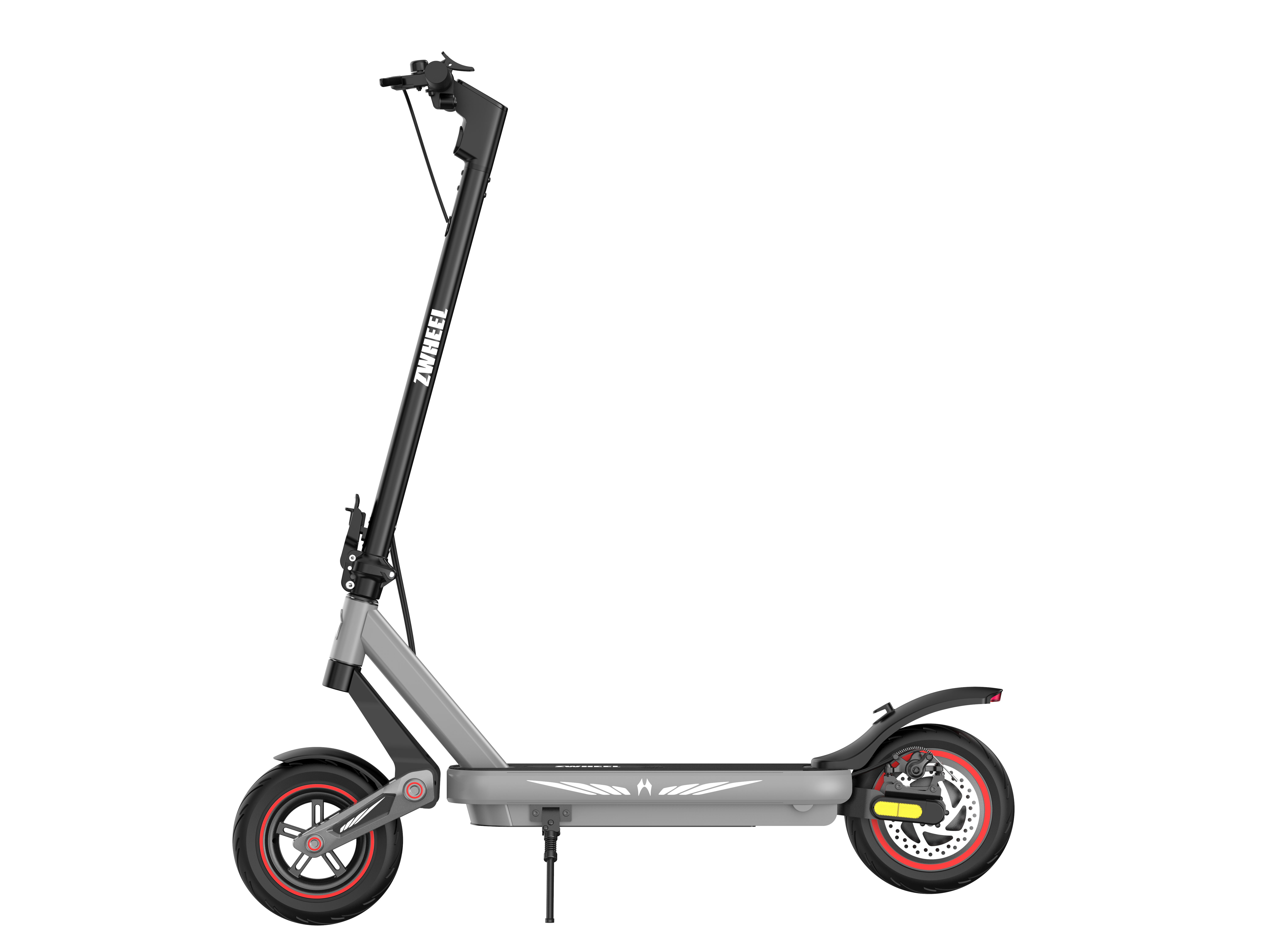
Zwheel's 2026 lineup is designed with smart city compatibility in mind—from high-torque motors for rapid acceleration in mixed traffic to long-range batteries that handle extended commutes without frequent charging.
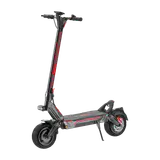
For commuters who want a balance of power and portability, the Zwheel D3S-S (1000W, 28 mph) offers a 50-mile range, making it perfect for cities with sprawling smart corridors. If you're in a hilly metro area, the dual-motor Zwheel D3D-S (1200W, 32 mph) provides the torque needed to climb steep grades while maintaining stability.
Key Specs to Look For in a Smart-Ready Scooter
- Connectivity: Bluetooth or GPS modules for app integration with city services.
- Battery management: Smart BMS that optimizes charging cycles and communicates with station networks.
- Safety sensors: Front and rear lights that sync with ambient lighting conditions.
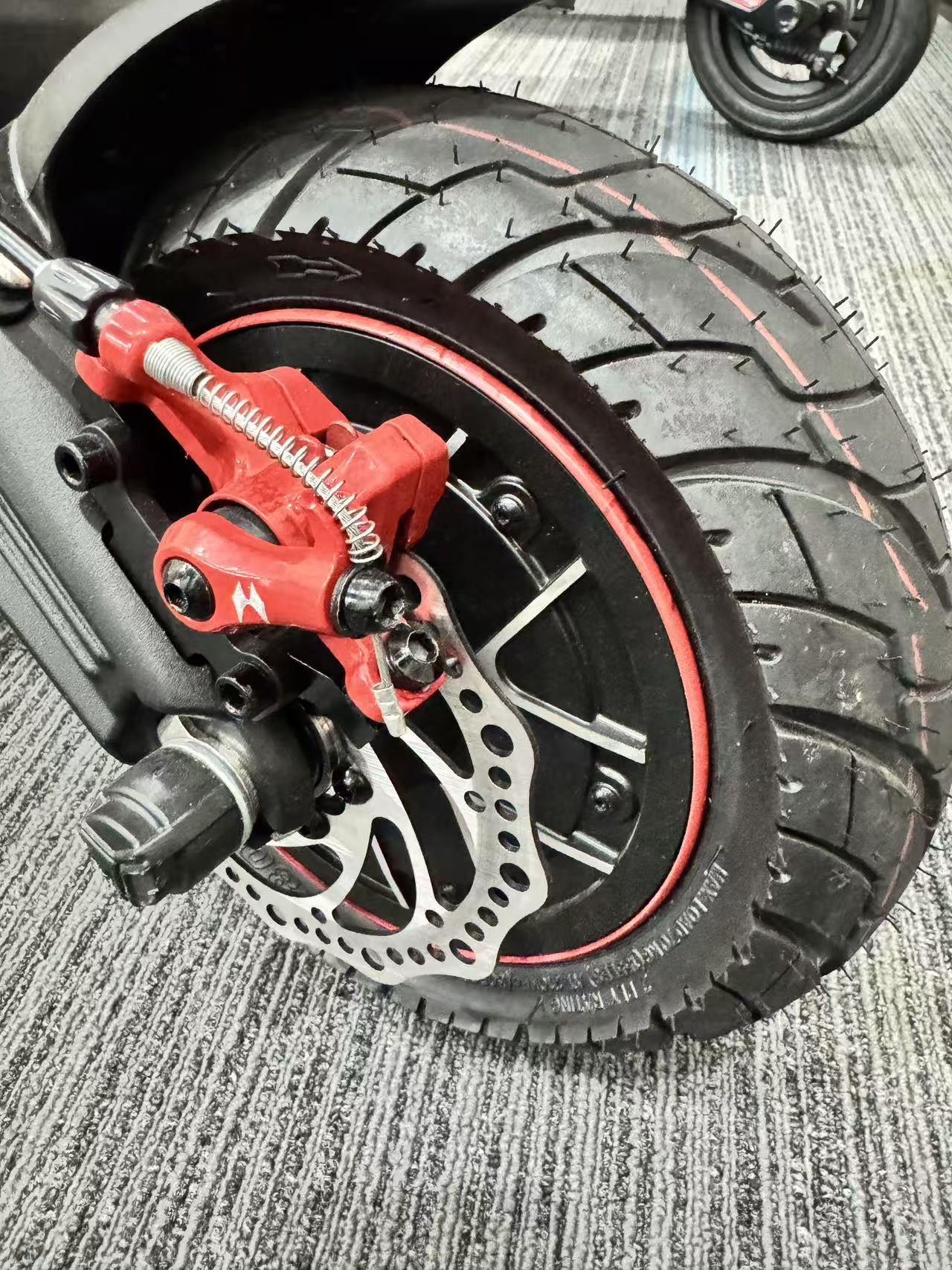
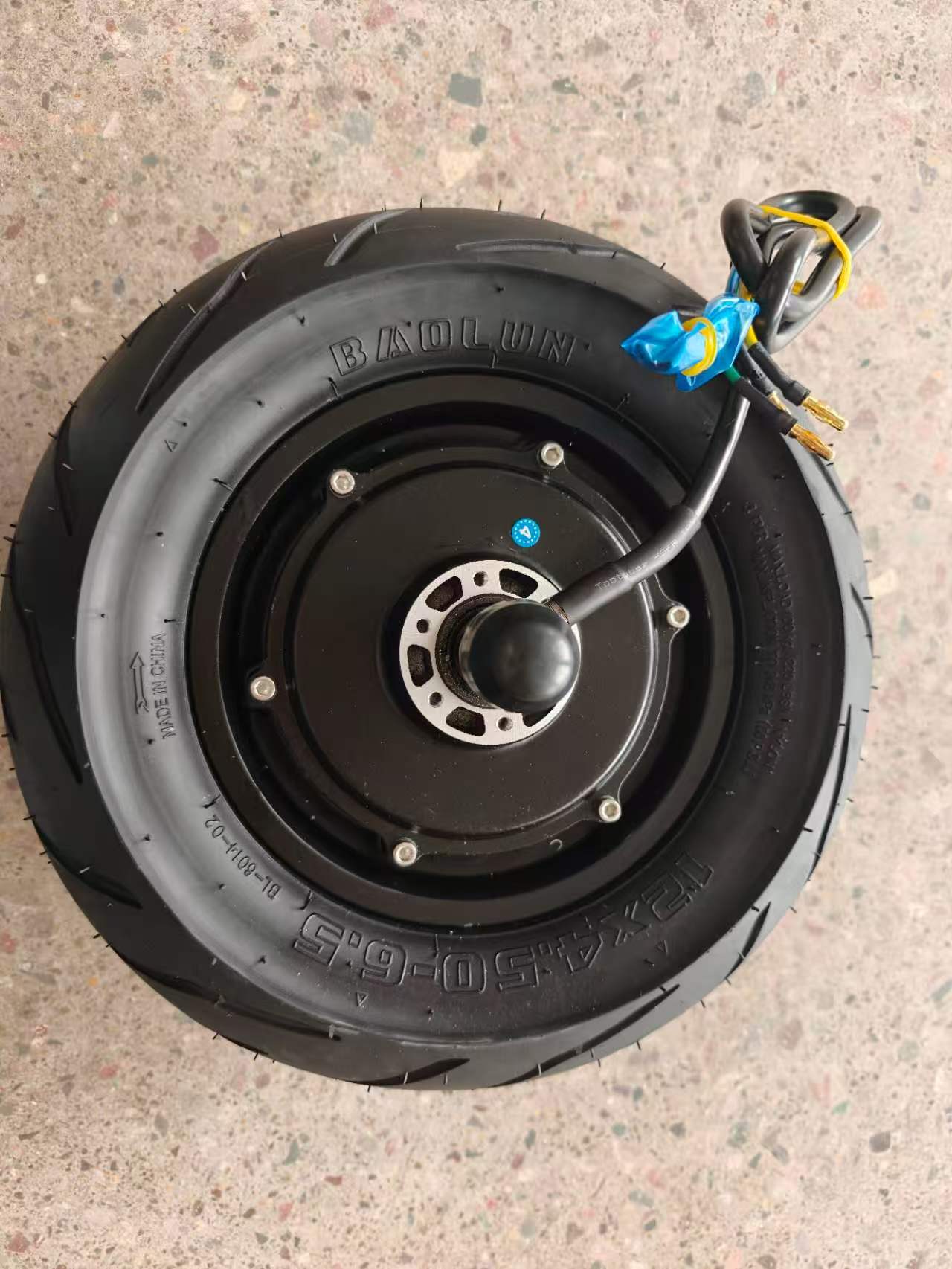
- Tire quality: Puncture-resistant tires for unpredictable urban debris.
Case Study: Austin's Smart Micro-Mobility Pilot
In early 2026, Austin launched a 12-month pilot integrating 500 electric scooters with its smart traffic system. Each scooter was equipped with a GPS tracker and a vibration sensor that detected road irregularities, sending data to the city's maintenance crew.
The results after six months: pothole repairs are 3x faster, scooter-related emergency room visits dropped by 28%, and rider satisfaction scores rose to 4.7/5. The key was the seamless integration between the scooters' hardware and the city's infrastructure.
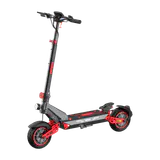
If you're in a pilot city, you'll want a scooter that can handle frequent stops and starts—like the Zwheel ZSB2 (1500W, 35 mph), which has a robust braking system and a battery designed for high-cycle use.
What's Next: The 2030 Vision
By 2030, experts predict that electric scooters will be fully integrated with autonomous delivery robots and public transit. Imagine a scooter that 'docks' itself to a bus stop and charges while you ride the bus—then is ready for you at your final stop.
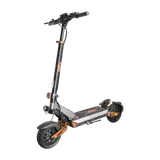
To prepare, choose a scooter with modular components that can be upgraded. The Zwheel ZSD2 (4000W, 45 mph) is a future-proof option for thrill-seekers who also want smart city compatibility, thanks to its advanced motor controller that can accept third-party V2X modules.
Conclusion
The electric scooter and smart city infrastructure are no longer separate concepts—they are converging into a unified mobility ecosystem. As cities invest in smarter roads and connected docks, your choice of scooter matters more than ever. Look for models with robust build quality, smart features, and the ability to adapt to future upgrades.
Zwheel offers a range of scooters that fit this bill, from the commuter-friendly ZSA Plus to the high-performance ZSE2 (6000W, 60 mph) for open-road adventures. By investing in a smart-ready scooter today, you're not just keeping up with the times—you're getting ahead of the curve.
Frequently Asked Questions
Are electric scooters allowed in smart city lanes?
Yes, most smart cities have specific micro-mobility lanes that allow scooters. However, always check local regulations as some lanes may have speed limits (usually 15-20 mph) or require a helmet.
How does a smart city charge electric scooters?
Many cities use solar-powered docking stations with wireless charging pads. Some also have swappable battery kiosks, allowing riders to exchange depleted batteries for fresh ones in seconds.
Do I need a special scooter for smart city infrastructure?
Not necessarily, but having a scooter with GPS and Bluetooth makes it easier to locate docks and access premium parking spots. Also, a scooter with a removable battery is advantageous for charging at home or office.
Will smart city infrastructure increase the cost of owning a scooter?
No, it often reduces costs. Many cities offer discounts or free parking for scooters that share data with the city network. Plus, smart charging stations can use off-peak electricity rates, lowering your charging bill.
What is the range of a typical smart city scooter in 2026?
Most commuter models offer 30-50 miles per charge. High-performance models like the Zwheel ZSD2 can reach up to 60 miles, depending on riding mode and terrain.
Scritto da
Zwheel Team
Parte del team editoriale Zwheel, con focus su mobilita elettrica, guide prodotti e consigli.