Electric Scooter for Delivery Services: Fleet Management Guide
Electric scooters are transforming delivery fleets with lower costs and faster urban navigation. This guide covers fleet management strategies, top models, and key ROI considerations for 2026.
Indice
- Why Electric Scooters Are Revolutionizing Delivery Fleets
- Key Benefits of Using Electric Scooters for Delivery
- Cost Efficiency and ROI
- Speed and Agility in Urban Traffic
- Environmental Impact and Compliance
- Choosing the Right Electric Scooter for Your Fleet
- Zwheel ZSA Plus – The Urban Commuter
- Zwheel D3S-S – Balanced Performance
- Zwheel ZSB1 – For Mixed Terrain
- Fleet Management Best Practices
- Route Optimization and Telematics
- Charging Infrastructure
- Maintenance Scheduling
- Driver Training and Safety
- Real-World ROI: A Case Study
- Overcoming Challenges
- Battery Range Anxiety
- Theft and Vandalism
- Weather Resistance
- Future Trends in Delivery Scooter Fleets
- Conclusion
- Frequently Asked Questions
- What is the average lifespan of an electric scooter in a delivery fleet?
- How much does it cost to charge an electric scooter for delivery?
- Can electric scooters handle hilly delivery routes?
- Do I need a special license to operate an electric scooter for delivery?
- What is the maximum payload for a delivery scooter?
Why Electric Scooters Are Revolutionizing Delivery Fleets
In 2026, the last-mile delivery industry is under immense pressure to cut costs, reduce emissions, and speed up deliveries. Electric scooters have emerged as a game-changer, offering a nimble, eco-friendly, and cost-effective alternative to vans and bikes. For fleet managers, they reduce per-mile costs by up to 70% compared to gasoline vehicles, and they navigate congested city streets with ease. This guide will walk you through the key considerations for integrating electric scooters into your delivery fleet, from selecting the right models to managing maintenance and driver satisfaction.
Key Benefits of Using Electric Scooters for Delivery
Cost Efficiency and ROI
Electric scooters have a significantly lower total cost of ownership. Charging a scooter costs roughly $0.10–$0.30 per full charge, giving you a range of 20–40 miles. Compare that to $10–$15 in fuel for a van covering the same distance. Maintenance is also cheaper—fewer moving parts, no oil changes, and brake pads last longer with regenerative braking. For a fleet of 10 scooters, you can expect to save $15,000–$20,000 annually in fuel and maintenance compared to traditional vehicles.
Speed and Agility in Urban Traffic
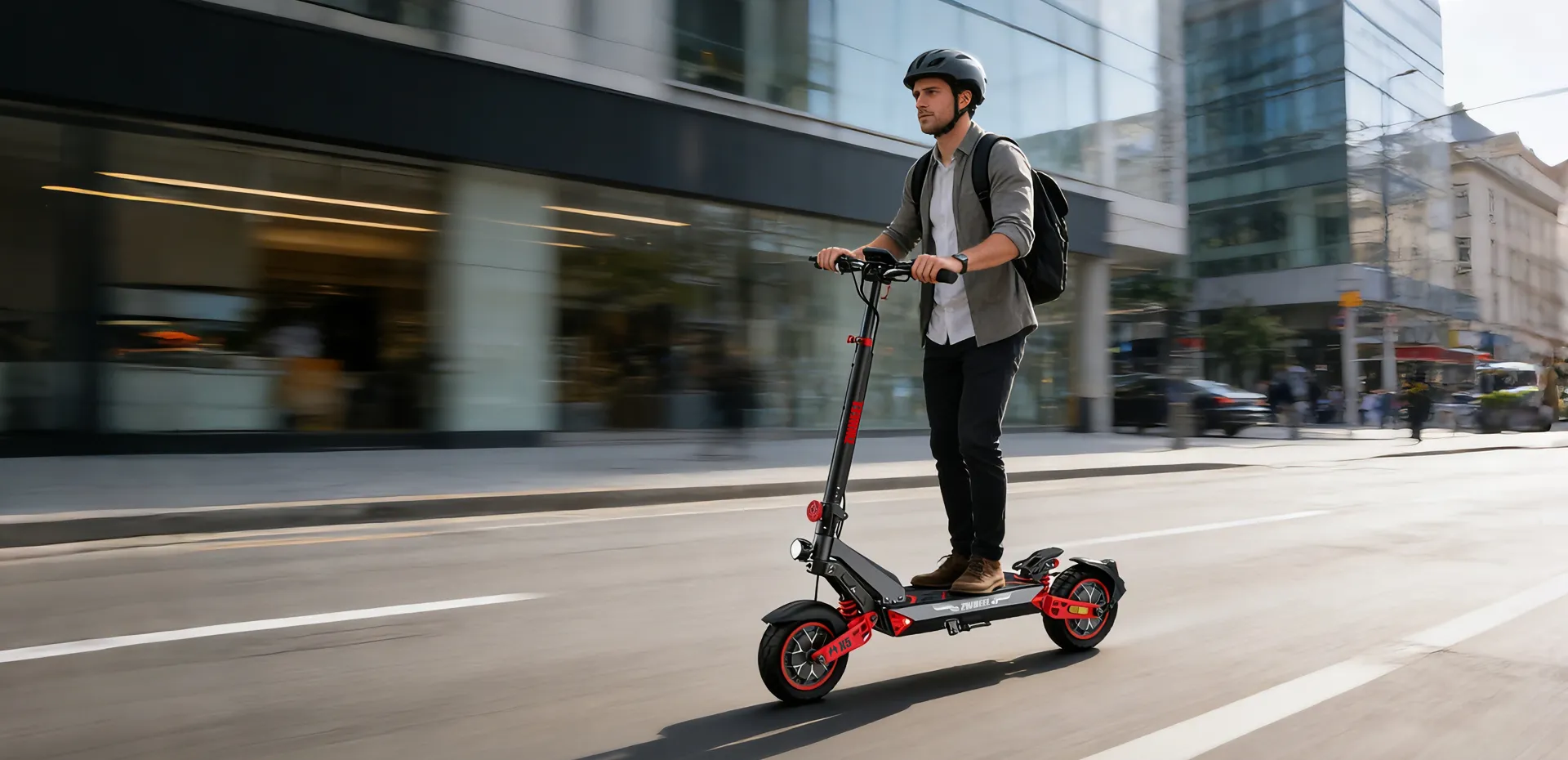
Scooters can filter through traffic, use bike lanes, and park almost anywhere. This reduces average delivery times by 20–30% in dense urban areas. For example, a courier in Manhattan can complete 15–20 deliveries per hour on a scooter, versus 8–10 on a bicycle or 5–7 in a van.
Environmental Impact and Compliance
With cities like London, Paris, and New York imposing stricter emission zones and congestion charges, electric scooters offer a zero-emission solution. They also qualify for government incentives in many regions, further reducing upfront costs.
Choosing the Right Electric Scooter for Your Fleet
Not all scooters are created equal. For delivery work, you need reliability, range, and payload capacity. Here are the top models from Zwheel that are ideal for commercial use:
Zwheel ZSA Plus – The Urban Commuter
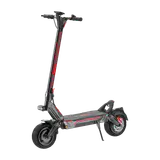
With an 800W motor and a 20–25 mile range, the ZSA Plus is perfect for short-range deliveries in flat cities. It’s lightweight (under 40 lbs) and folds easily for public transit backup. At $499, it’s an affordable entry point for small fleets.
Zwheel D3S-S – Balanced Performance
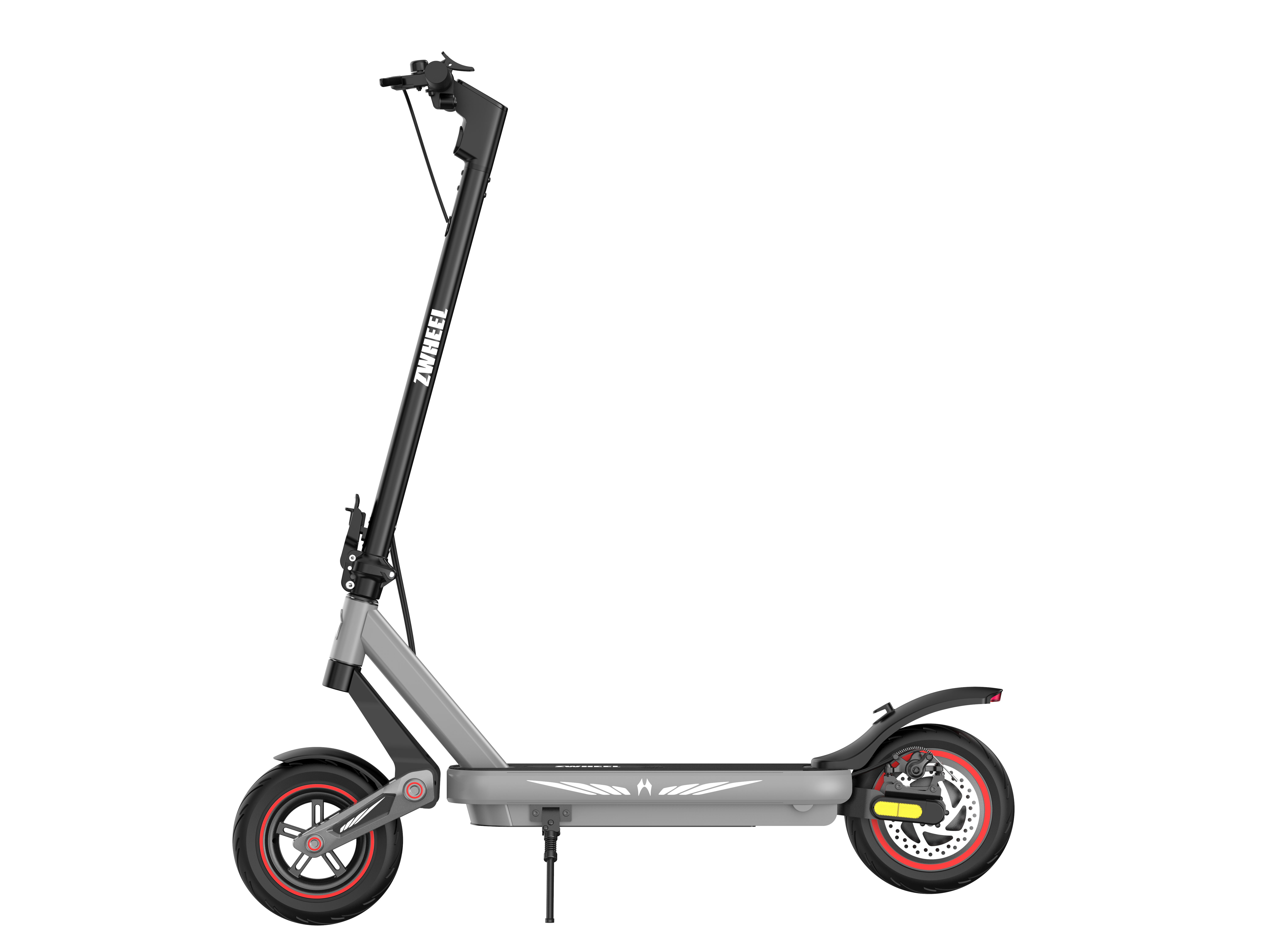
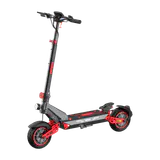
The D3S-S offers a 1000W motor and a 30–35 mile range, making it suitable for medium-sized delivery zones. Its 10-inch pneumatic tires handle uneven pavement, and it has a rear rack that can support up to 30 lbs of cargo. At $600, it’s a solid value.
Zwheel ZSB1 – For Mixed Terrain
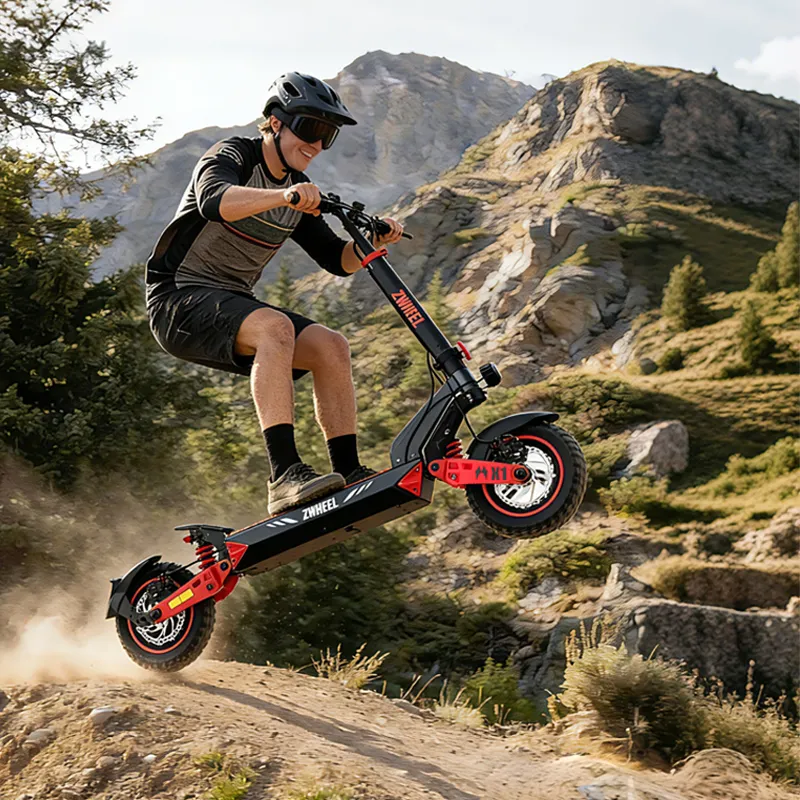
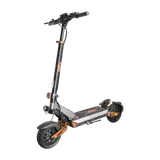
If your delivery area includes hills or off-road shortcuts, the ZSB1 with 1200W and full suspension is a robust choice. It offers a 35–40 mile range and can carry up to 50 lbs on its reinforced deck. At $599, it’s built for durability.
Fleet Management Best Practices
Route Optimization and Telematics
Equip your scooters with GPS trackers and use route optimization software to minimize idle time and battery drain. Many fleet management platforms now integrate with scooter data, giving you real-time battery levels, location, and maintenance alerts. This can increase fleet efficiency by 25%.
Charging Infrastructure
Set up a charging station at your dispatch hub. Each scooter takes 4–6 hours to fully charge, so stagger charging schedules to ensure a rotation of ready scooters. Consider swappable batteries for 24/7 operations—though not all models support them, the Zwheel D3D-S and ZSD1 do.
Maintenance Scheduling
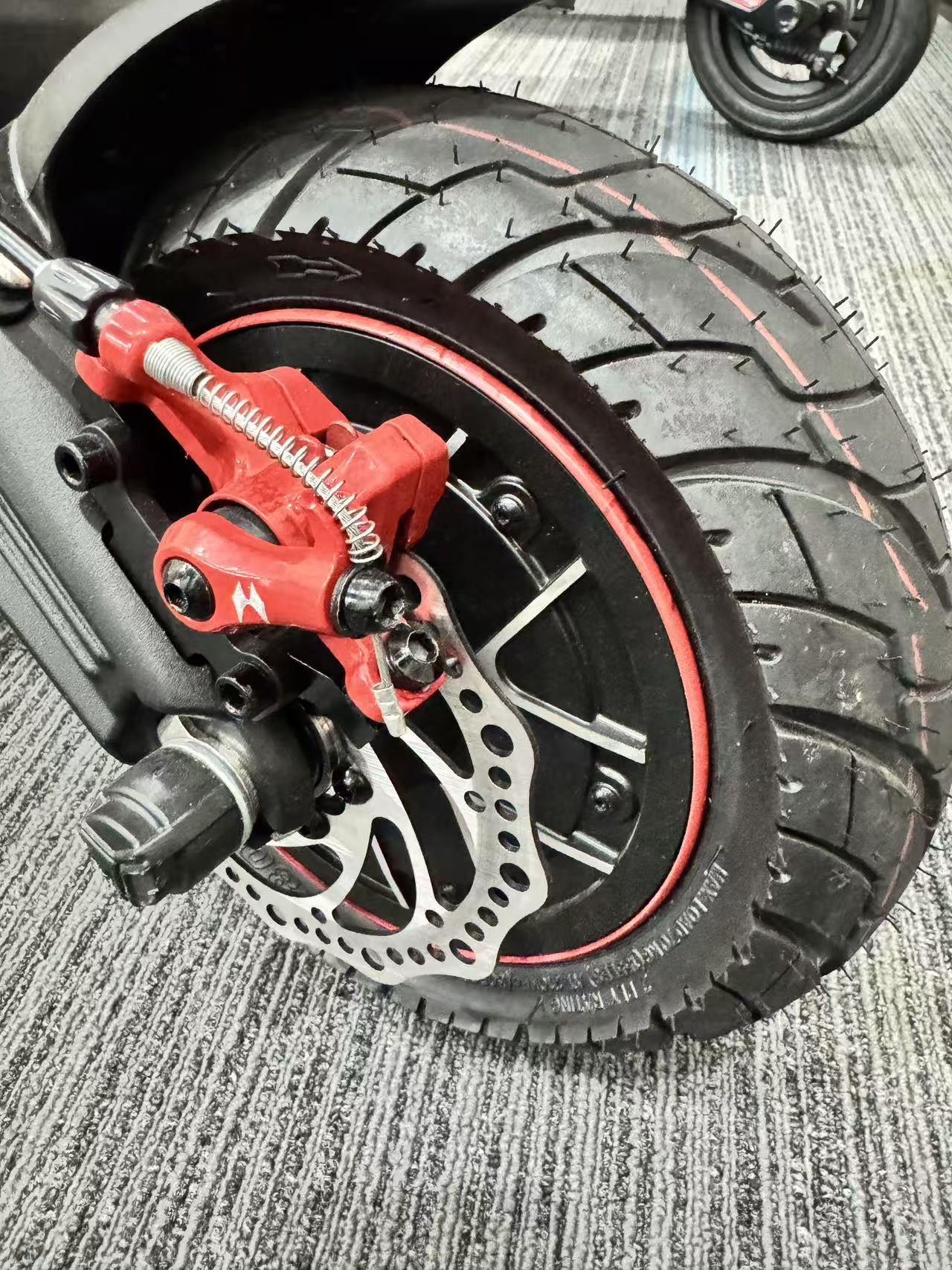
Create a preventive maintenance checklist: check tire pressure weekly, inspect brakes monthly, and lubricate moving parts. With proper care, a scooter can last 2–3 years or 5,000–8,000 miles. Track mileage and battery health to predict replacement needs.
Driver Training and Safety
Provide helmets and require safety training. Teach drivers to avoid potholes, use turn signals, and lock the scooter securely. Establish a speed limit (e.g., 15 mph in pedestrian areas) and use geofencing to enforce it.
Real-World ROI: A Case Study
Consider a mid-sized courier company in Austin, Texas, that switched 15 of its 20 delivery vehicles to electric scooters. They invested $10,500 in scooters (including the ZSB2 model at $650 each) and $2,000 in charging infrastructure. Over the first year, they saved $18,000 in fuel and $6,000 in maintenance. Their delivery times dropped by 22%, and customer satisfaction scores rose due to faster service. The payback period was under 8 months.
Overcoming Challenges
Battery Range Anxiety
For longer routes, choose models with 40+ mile ranges like the ZSD1 (2000W, 50-mile range) or the ZSD2 (4000W, 60-mile range). Also, plan routes to include charging stops if needed.
Theft and Vandalism
Use U-locks and GPS antitheft systems. Some scooters have built-in alarms. Encourage drivers to park in secure areas or use scooter-specific locks that attach to fixed objects.
Weather Resistance
Delivery work continues in rain. Look for scooters with IP54 or higher water resistance. The Zwheel ZSE2 (6000W) is rated IP55 and can handle wet conditions, but for most fleets, the ZSB2 with IP54 is sufficient.
Future Trends in Delivery Scooter Fleets
By 2027, expect more integration with autonomous delivery systems and AI-based route planning. Battery technology will improve, offering ranges over 100 miles. Also, cities are likely to create dedicated scooter lanes, making them even faster. Investing in a flexible, scalable fleet now will position your business for these advancements.
Conclusion
Electric scooters for delivery services are not just a trend—they’re a smart business move. They cut costs, speed up deliveries, and help meet sustainability goals. By choosing the right models, implementing robust fleet management practices, and training your drivers, you can achieve a rapid return on investment. Start with a pilot program using a few Zwheel scooters, measure the impact, and scale up. The future of last-mile delivery is electric, and the time to act is now.
Frequently Asked Questions
What is the average lifespan of an electric scooter in a delivery fleet?
With proper maintenance, a commercial-grade electric scooter can last 2–3 years or 5,000–8,000 miles. Battery capacity will degrade over time, so you may need to replace the battery once during that period.
How much does it cost to charge an electric scooter for delivery?
Charging costs typically range from $0.10 to $0.30 per full charge, depending on local electricity rates. Over a year, that amounts to $50–$100 per scooter, compared to thousands in fuel costs for a van.
Can electric scooters handle hilly delivery routes?
Yes, if you choose a model with a powerful motor (at least 1000W) and good torque. Zwheel models like the ZSB1 and ZSD1 are designed for mixed terrain and can climb 20–30% grades.
Do I need a special license to operate an electric scooter for delivery?
Laws vary by city and state. In many places, a standard driver's license is sufficient, but some jurisdictions require a moped license or registration. Always check local regulations before deploying your fleet.
What is the maximum payload for a delivery scooter?
Most delivery scooters can carry 30–60 lbs of cargo, including the rider. The Zwheel ZSB2 can handle up to 55 lbs on its rear rack, while the ZSE2 supports up to 70 lbs. For heavier loads, consider a cargo e-bike.
Scritto da
Zwheel Team
Parte del team editoriale Zwheel, con focus su mobilita elettrica, guide prodotti e consigli.