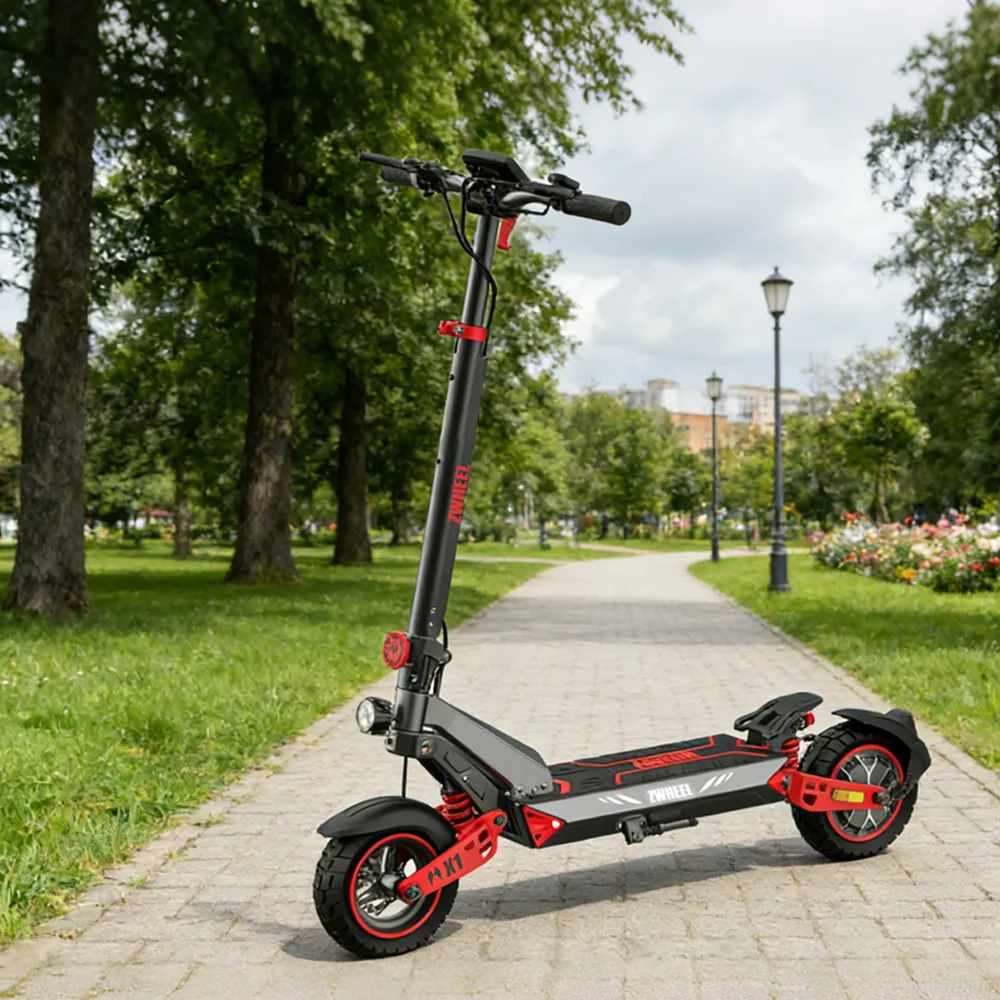
Best Electric Scooter for Food Delivery Riders (2026 Guide)
Discover the best electric scooter for food delivery riders in 2026. Compare range, speed, payload, and maintenance costs to maximize your earnings per shift.
Sumario
- Why the Right Electric Scooter Matters for Food Delivery Riders in 2026
- Key Factors to Evaluate Before Buying
- 1. Range (Real-World, Not Marketing)
- 2. Motor Power and Speed
- 3. Payload Capacity
- 4. Battery Swapping and Charging Speed
- 5. Tires and Suspension
- 6. Braking System
- 7. Portability and Storage
- 8. Maintenance and Parts Availability
- Top Electric Scooter Picks for Food Delivery in 2026
- Best Overall for City Commuters: Zwheel ZSA Plus
- Best for Mixed Terrain and Longer Shifts: Zwheel ZSB2
- Best for Extreme Range and Speed: Zwheel ZSD2
- Best Budget Off-Road Option: Zwheel ZSB1
- How to Calculate Your Payback Period
- Essential Accessories for Delivery Riders
- Legal and Safety Considerations in 2026
- Maintenance Schedule for Delivery Scooters
- Frequently Asked Questions
- How far can an electric scooter go on one charge for delivery?
- Can I use an electric scooter for DoorDash or Uber Eats?
- What's the best electric scooter for food delivery under $700?
- How much does it cost to charge an electric scooter for delivery?
- Do I need a license or insurance for a delivery e-scooter?
- Conclusion: Choosing the Best Electric Scooter for Food Delivery Riders
Why the Right Electric Scooter Matters for Food Delivery Riders in 2026
Food delivery has changed dramatically. With apps like DoorDash, Uber Eats, and Grubhub now expecting faster delivery windows and real-time tracking, riders need vehicles that are reliable, efficient, and cheap to operate. In 2026, the best electric scooter for food delivery riders isn't just about speed — it's about range, payload, durability, and total cost of ownership. Gas prices have stabilized but remain volatile, and many cities have expanded congestion pricing and low-emission zones. Electric scooters avoid these fees and can park almost anywhere, giving riders a distinct advantage.
This guide breaks down what actually matters for delivery work, compares real specifications, and helps you choose a scooter that pays for itself in weeks, not months.
Key Factors to Evaluate Before Buying
Not every fast scooter is a good delivery scooter. Here's what to prioritize.
1. Range (Real-World, Not Marketing)
Manufacturers quote range under ideal conditions: 150 lb rider, 15 mph, flat ground, no wind. Delivery riders carry up to 20 lbs of food, stop constantly, and ride in traffic. Expect 50–60% of the advertised range in real delivery conditions.
For a 4-hour dinner shift covering 20–30 miles, you need a scooter rated for at least 40–50 miles of range. If you ride full-time (8+ hours), look for 60+ miles or a swappable battery.
2. Motor Power and Speed
Most cities cap e-scooter speed at 15–20 mph on bike paths, but you need torque more than top speed. A 1000W+ motor handles hills, headwinds, and heavy loads without bogging down. For flat urban areas, 800W is often enough. For hilly cities like San Francisco or Seattle, 1500W+ is worth the investment.
3. Payload Capacity
You, your gear, and a delivery bag add up fast. A 180 lb rider with a 25 lb thermal backpack and a lock needs a scooter rated for 300+ lbs. Check the spec sheet — many budget scooters max out at 220 lbs, which is unsafe when loaded.
4. Battery Swapping and Charging Speed
Downtime is lost income. A scooter with a removable battery lets you charge indoors while you eat, or carry a spare. Fast charging (2–3 hours) is a major plus. Avoid scooters that take 6+ hours to charge unless you only work part-time.
5. Tires and Suspension
Potholes, curbs, and glass are constant threats. Pneumatic (air-filled) tires absorb shocks and grip better than solid tires. Dual suspension reduces fatigue and protects your food from getting shaken. For off-road or mixed terrain, look for 10-inch tires or larger.
6. Braking System
You'll brake hundreds of times per shift. Dual disc brakes or disc + electric brakes provide reliable stopping power in rain and traffic. Avoid scooters with only rear brakes or cheap drum brakes.
7. Portability and Storage
If you need to bring the scooter inside apartments or onto public transit, weight matters. Most delivery-capable scooters weigh 40–70 lbs. Folding mechanisms vary — test one in person if possible.
8. Maintenance and Parts Availability
Brake pads, tires, and tubes wear out. Choose a brand with readily available replacement parts and a warranty of at least 12 months. A scooter that's cheap upfront but impossible to repair will cost more long-term.
Top Electric Scooter Picks for Food Delivery in 2026
Based on the criteria above, here are the best options across different budgets and use cases.
Best Overall for City Commuters: Zwheel ZSA Plus
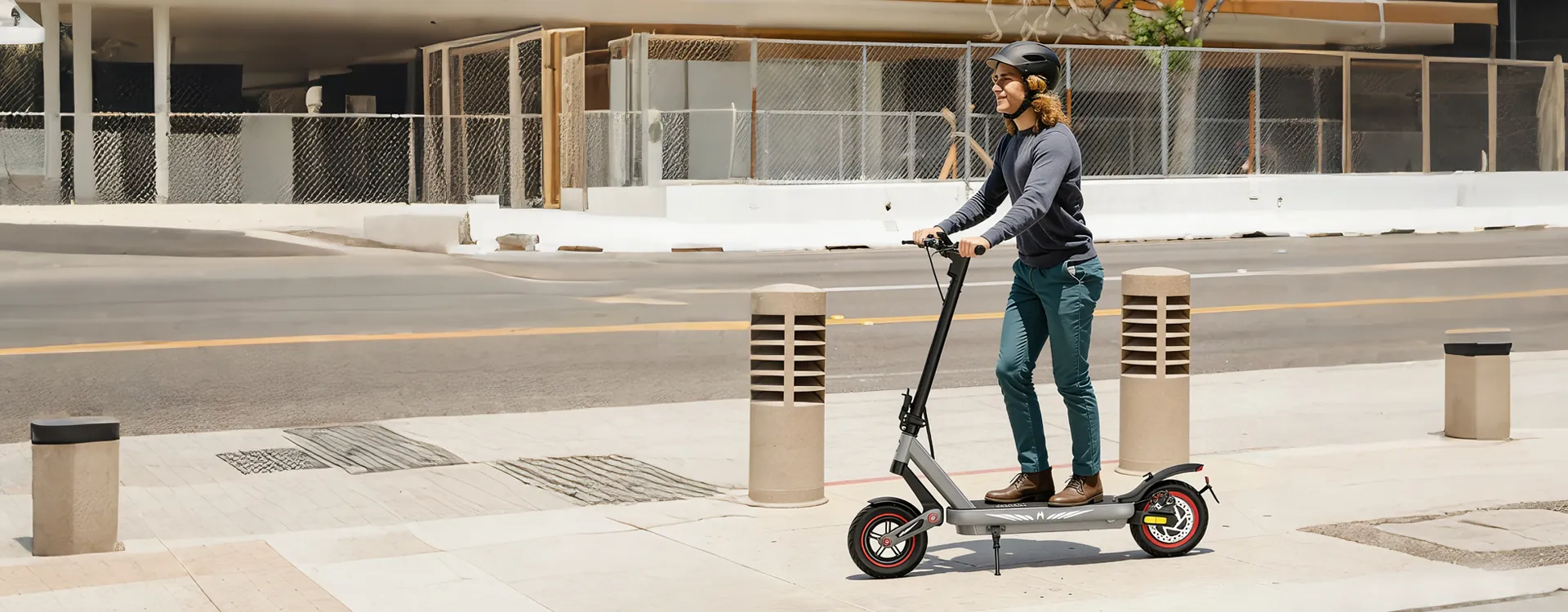
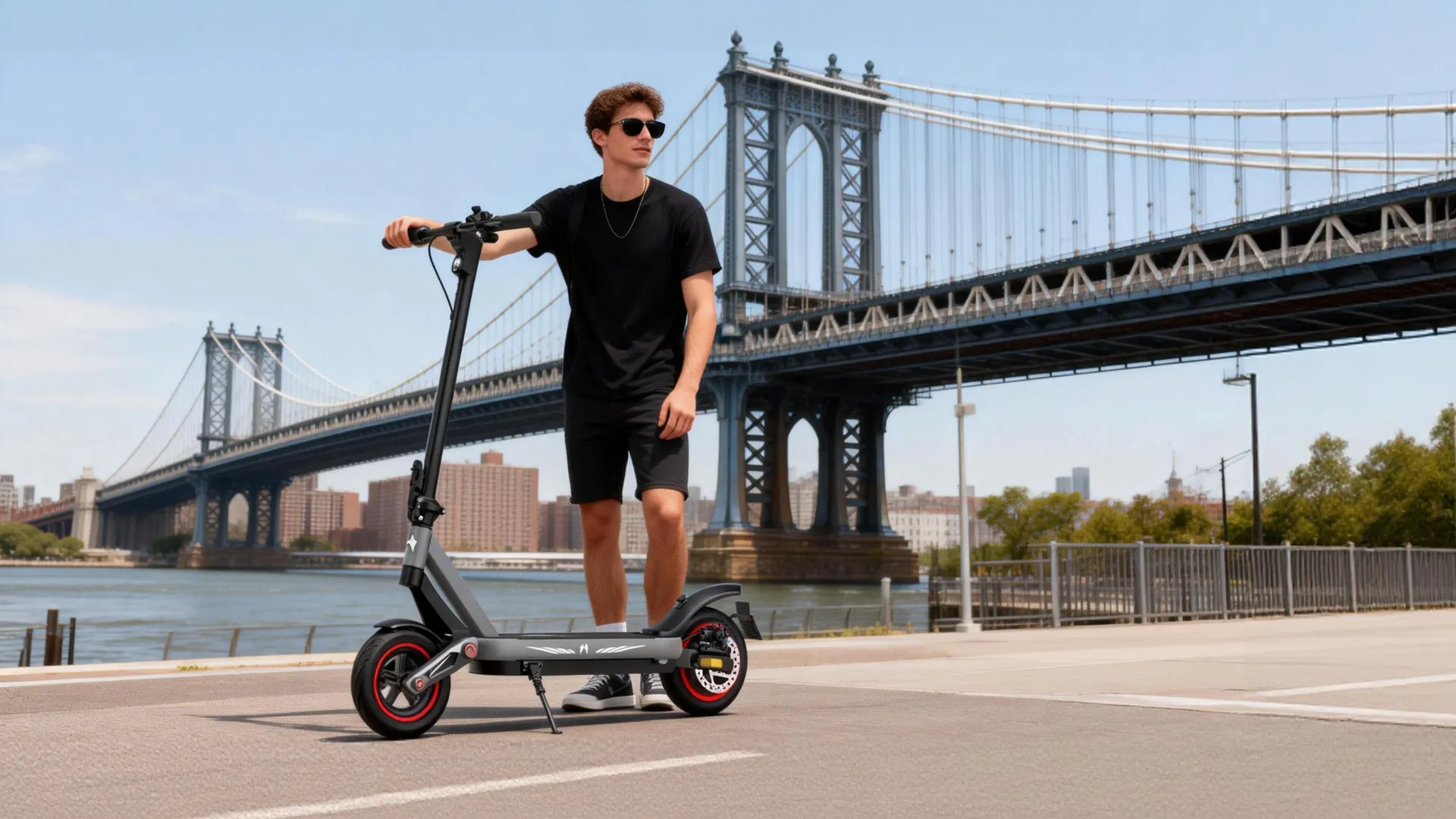
The Zwheel ZSA Plus is a solid entry point for part-time delivery riders. With an 800W motor, it handles flat city streets and moderate hills. Its lightweight design (around 35 lbs) makes it easy to carry into restaurants or apartments. Range is sufficient for 2–3 hour shifts. At $499, it's one of the most affordable ways to start delivering without sacrificing build quality.
Best for: Part-time riders, flat cities, budget-conscious starters.
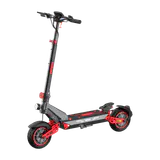
Best for Mixed Terrain and Longer Shifts: Zwheel ZSB2
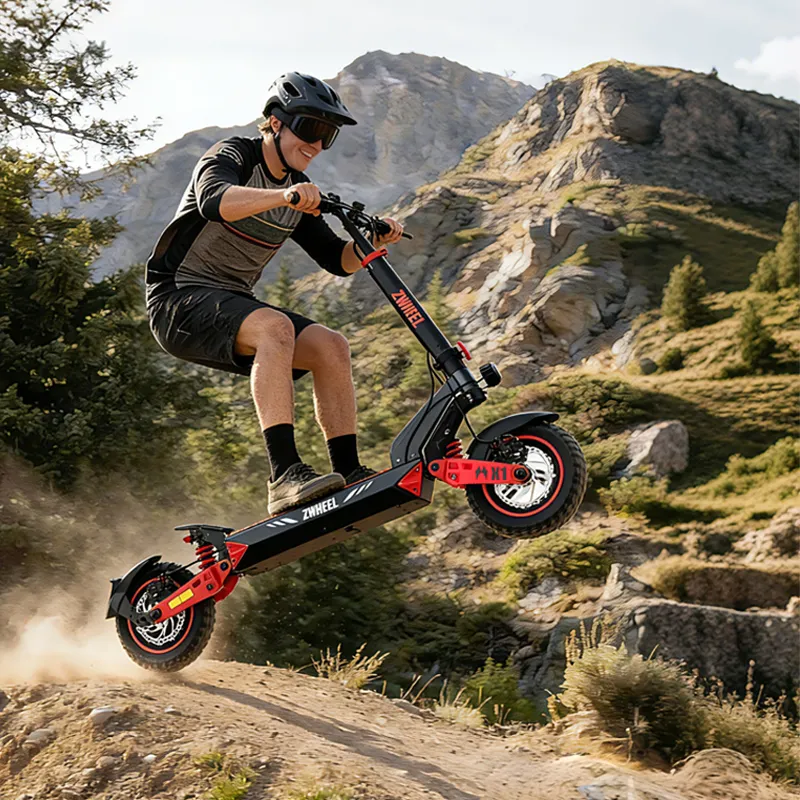
If you ride in a city with varied terrain — some hills, some gravel paths, some rough roads — the Zwheel ZSB2 is a strong contender. Its 1500W motor provides ample torque for climbing and carrying loads, while the all-terrain tires and suspension soak up bumps. At $650, it offers excellent value for riders who need versatility. The larger battery supports 4–5 hour shifts with moderate stops.
Best for: Riders in hilly or mixed-surface areas, longer shifts, heavier payloads.
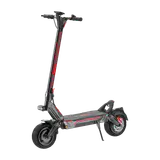
Best for Extreme Range and Speed: Zwheel ZSD2
For full-time delivery riders who cover 50+ miles per day, the Zwheel ZSD2 is a workhorse. With a 4000W motor, it delivers serious power for steep hills and heavy loads, and its high-capacity battery supports extended shifts. It's heavier and more expensive at $900, but for riders earning $150+ per day, the investment pays off quickly. The robust build quality also means fewer breakdowns and less downtime.
Best for: Full-time riders, mountainous cities, maximum range and power needs.
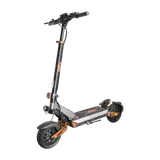
Best Budget Off-Road Option: Zwheel ZSB1
If you occasionally take shortcuts through parks or unpaved paths, the Zwheel ZSB1 offers 1200W of power and off-road capability at $599. It's a good middle ground between the ZSA Plus and ZSB2, with enough torque for moderate hills and a durable frame.
Best for: Riders who mix on-road and off-road routes, budget-conscious buyers needing extra power.
How to Calculate Your Payback Period
Let's run the numbers. Suppose you deliver 5 days a week, 4 hours per day, earning an average of $20/hour after tips. That's $400/week or $1,600/month.
Now compare costs:
- Car delivery: Gas ($80/week), insurance ($120/month), maintenance ($50/month), parking tickets (variable). Total: ~$500/month.
- E-scooter delivery: Electricity ($10/month), maintenance ($20/month), insurance (often not required). Total: ~$30/month.
Switching from a car to an e-scooter can save you $400–$500 per month. A $650 scooter pays for itself in under two months. Even a $1,400 high-performance model pays back in three months.
Essential Accessories for Delivery Riders
Your scooter is only part of the setup. These accessories improve safety, efficiency, and comfort:
- Insulated delivery backpack: Keeps food hot or cold. Look for one with a sturdy base and reflective strips.
- Phone mount: Essential for navigation. Choose a vibration-dampening model to protect your phone.
- Helmet: Non-negotiable. A DOT or CPSC-certified helmet protects you and may be required by law.
- Lights and reflectors: Many scooters have basic lights, but adding a bright front light and rear blinkers improves visibility at night.
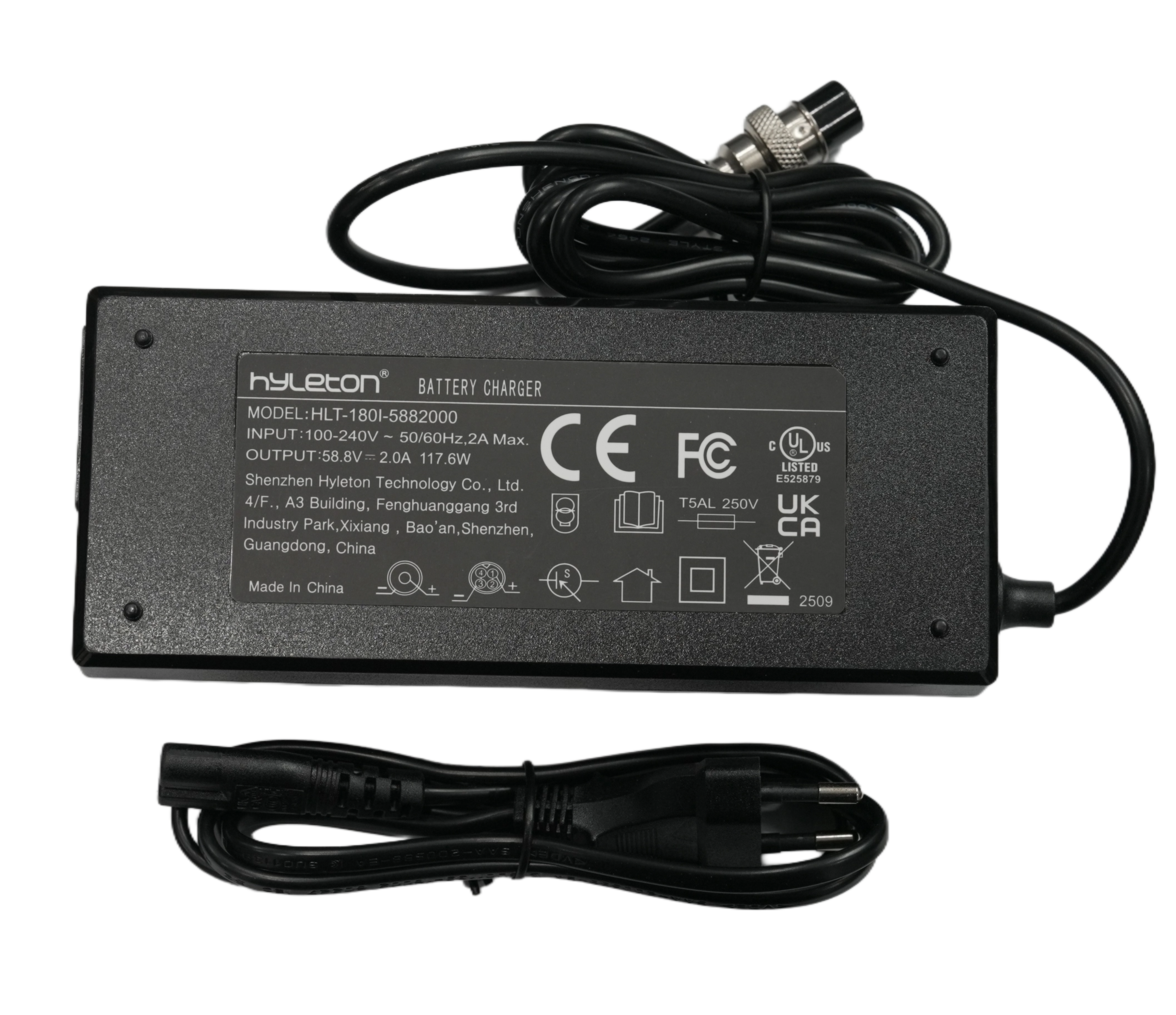
- Portable charger: If your scooter has a removable battery, carry a spare or a fast charger for mid-shift top-ups.
- Lock: A heavy-duty U-lock or chain lock. Scooter theft is common in cities.
- Tire repair kit: Flat tires happen. Carry a patch kit, spare tube, and mini pump.
Legal and Safety Considerations in 2026
E-scooter laws vary by city and state. In many places, scooters are limited to 15–20 mph on bike paths and sidewalks. Some cities require helmets for all riders, while others only for minors. Check your local regulations before buying.
For delivery work, you may also need to check with your app (DoorDash, Uber Eats, etc.) about vehicle requirements. Most allow e-scooters, but some have specific insurance or registration rules.
Safety tips:
- Ride defensively — assume drivers don't see you.
- Use bike lanes whenever possible.
- Avoid riding in heavy rain; wet brakes and slippery roads increase risk.
- Wear high-visibility clothing, especially at night.
- Keep your scooter well-maintained — check brakes, tires, and lights weekly.
Maintenance Schedule for Delivery Scooters
High-mileage delivery use demands more frequent maintenance than casual riding. Follow this schedule:
- Daily: Check tire pressure, brakes, and lights. Charge battery fully.
- Weekly: Inspect brake pads for wear. Clean and lubricate the chain (if applicable). Check all bolts and screws for tightness.
- Monthly: Inspect tires for cuts or embedded debris. Check battery health and charging time. Test suspension.
- Every 3–6 months: Replace brake pads if worn. Check wheel bearings. Consider a professional tune-up.
Budget $20–$30 per month for maintenance and parts. This is still far less than car upkeep.
Frequently Asked Questions
How far can an electric scooter go on one charge for delivery?
Real-world range for delivery work is typically 50–60% of the advertised range. A scooter rated for 40 miles will likely give you 20–25 miles in stop-and-go delivery conditions with a loaded backpack. For a 4-hour shift, look for a scooter rated at least 40–50 miles. Full-time riders should aim for 60+ miles or carry a spare battery.
Can I use an electric scooter for DoorDash or Uber Eats?
Yes, most delivery apps allow e-scooters as long as you comply with local laws and can safely transport food. Some apps may have specific requirements for vehicle type or insurance. Check your app's driver guidelines. In practice, thousands of riders use e-scooters daily, especially in dense urban areas.
What's the best electric scooter for food delivery under $700?
The Zwheel ZSB2 at $650 is an excellent choice under $700. It offers a 1500W motor, all-terrain tires, and sufficient range for 4–5 hour shifts. If you need more power, the Zwheel ZSD1 at $800 is slightly above budget but delivers 2000W for steep hills.
How much does it cost to charge an electric scooter for delivery?
Charging costs are minimal. A typical scooter battery holds 0.5–1 kWh. At an average U.S. electricity rate of $0.15/kWh, a full charge costs $0.08–$0.15. Even if you charge twice daily, that's under $10 per month — a fraction of gas costs.
Do I need a license or insurance for a delivery e-scooter?
In most U.S. states, e-scooters under 750W and 20 mph don't require a license or registration. However, higher-power models (like the 4000W Zwheel ZSD2) may be classified as mopeds or motorcycles, requiring a license and insurance. Check your state's DMV website. For delivery work, some apps require proof of insurance regardless of vehicle type.
Conclusion: Choosing the Best Electric Scooter for Food Delivery Riders
The best electric scooter for food delivery riders balances range, power, payload, and reliability without breaking the bank. For part-time city riders, the Zwheel ZSA Plus offers incredible value. For mixed terrain and longer shifts, the Zwheel ZSB2 is a versatile workhorse. And for full-time, high-mileage riders, the Zwheel ZSD2 delivers the power and range needed to maximize earnings.
Remember: your scooter is a business investment. Calculate your payback period, factor in maintenance, and choose a model that fits your city's terrain and your daily mileage. With the right scooter, you'll spend less on gas, parking, and repairs — and more time earning.
Ready to upgrade your delivery setup? Explore Zwheel's full lineup of electric scooters built for performance and durability.
Escrito por
Zwheel Team
Parte da equipe editorial da Zwheel, cobrindo tendencias de mobilidade, guias de produtos e dicas.