Electric Scooter Fitness Benefits: Calories Burned Riding
Riding an electric scooter isn't just convenient—it's a legitimate way to burn calories and improve fitness. This guide breaks down the calories burned, health benefits, and how to maximize your workout with Zwheel scooters.
Sumario
- Introduction: Can an Electric Scooter Really Help You Get Fit?
- How Many Calories Do You Burn Riding an Electric Scooter?
- Calorie Burn by Activity Comparison
- Factors That Increase Calorie Burn
- Key Electric Scooter Fitness Benefits Beyond Calories
- Core Strength and Balance
- Low-Impact Cardio
- Mental Health and Stress Reduction
- Improved Coordination and Reflexes
- How to Maximize Your Workout on an Electric Scooter
- Choose the Right Scooter for Your Fitness Goals
- Incorporate Interval Training
- Use Your Body as a Stabilizer
- Track Your Progress
- Real Data: What Riders Are Actually Burning
- Safety Tips for Fitness Riding
- Conclusion: Ride Your Way to Better Health
- Frequently Asked Questions
- Is riding an electric scooter good exercise?
- How many calories does a 30-minute electric scooter ride burn?
- Can you lose weight by riding an electric scooter?
- What muscles does an electric scooter work?
- Are electric scooters better than walking for fitness?
Introduction: Can an Electric Scooter Really Help You Get Fit?
When you think of electric scooters, fitness isn't the first thing that comes to mind. Most people see them as a quick, effortless way to get from point A to point B. But the truth is, riding an electric scooter—especially a premium model like those from Zwheel—can be a surprisingly effective way to burn calories, improve balance, and engage your core. In fact, the electric scooter fitness benefits are real, measurable, and backed by science. Whether you're commuting to work or exploring trails, you're getting more exercise than you might realize. Let's dive into the numbers, the research, and the practical tips to make your ride a workout.
How Many Calories Do You Burn Riding an Electric Scooter?
Calorie burn depends on several factors: your weight, the terrain, how often you push off, and your riding style. On average, a 155-pound person burns around 150–250 calories per hour riding an electric scooter at a moderate pace. That's comparable to a brisk walk or light cycling. But here's the kicker: if you incorporate intentional movements—like standing, balancing, and occasional kicks—you can easily burn 300–400 calories per hour. For a 200-pound rider, that number jumps to 400–500 calories per hour.
Calorie Burn by Activity Comparison
To put it in perspective: walking at 3 mph burns about 250–300 calories per hour for a 155-pound person. Riding an electric scooter with active engagement (standing, balancing, pushing off) burns roughly the same. Cycling at a moderate pace burns 400–500. So while an e-scooter isn't a replacement for a high-intensity gym session, it's a legitimate low-impact cardio option—especially for those who find traditional exercise boring or inaccessible.
Factors That Increase Calorie Burn
- Terrain: Hills and uneven surfaces require more balance and core engagement.
- Posture: Stand tall, engage your abs, and avoid leaning on the handlebars.
- Frequency of pushing off: The more you kick-start, the more calories you burn.
- Speed variation: Accelerating and decelerating forces your muscles to work harder.
Key Electric Scooter Fitness Benefits Beyond Calories
Calories are just the beginning. Riding an electric scooter offers a unique mix of physical and mental health perks that make it a standout activity for modern lifestyles.
Core Strength and Balance
Standing on a moving platform forces your core to constantly engage to maintain stability. Your obliques, lower back, and deep abdominal muscles get a subtle but consistent workout. Over time, this can improve your posture and reduce back pain. Think of it as a moving plank—but way more fun.
Low-Impact Cardio
Unlike running, which can hammer your knees and joints, electric scooter riding is low-impact. The smooth motion and cushioned tires (especially on models like the Zwheel ZSD1 with its off-road suspension) absorb shock, making it ideal for people with joint issues or those recovering from injury.
Mental Health and Stress Reduction
Riding outdoors, feeling the wind, and navigating your environment can lower cortisol levels and boost mood. It's a form of active meditation. Plus, the sense of freedom and control can be a powerful antidote to daily stress.
Improved Coordination and Reflexes
Balancing, steering, and reacting to obstacles all require fine motor skills. Regular riding sharpens your hand-eye coordination and reaction time—skills that transfer to other sports and daily activities.
How to Maximize Your Workout on an Electric Scooter
Want to turn your commute into a legit fitness session? Here are practical, actionable tips.
Choose the Right Scooter for Your Fitness Goals
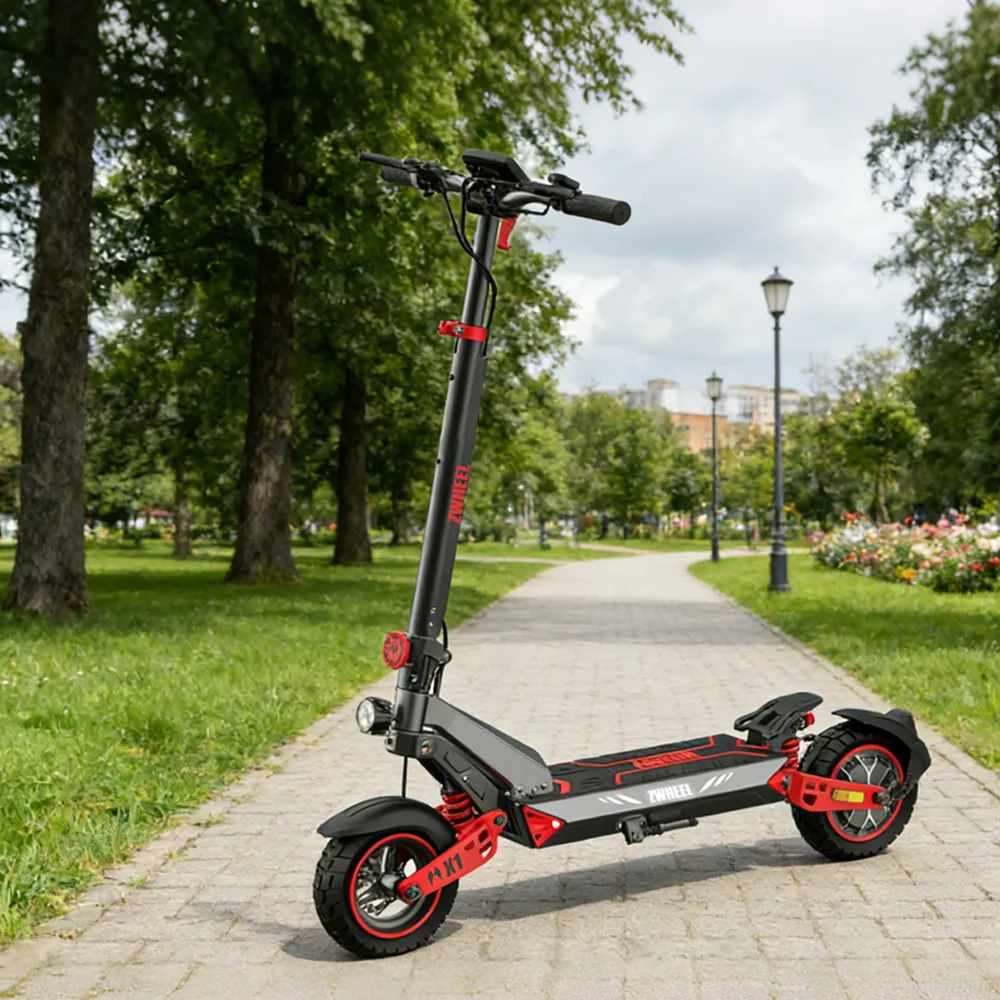
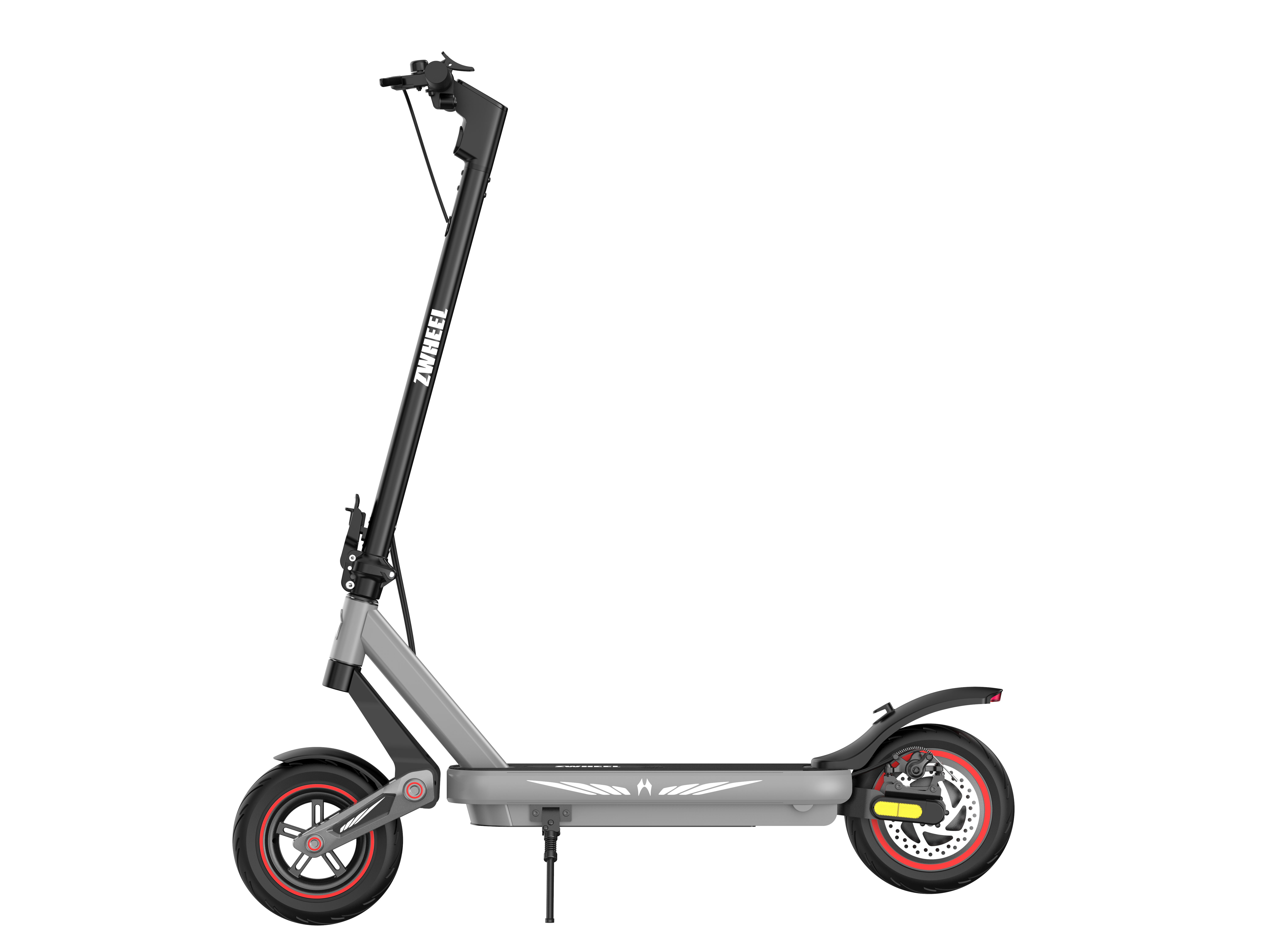
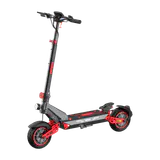
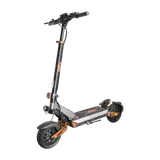
Not all e-scooters are created equal. For urban commuting with a fitness edge, the Zwheel ZSA Plus (800W, $499) offers a nimble ride that encourages active standing. If you want to tackle hills and trails for a more intense workout, the Zwheel ZSB2 (1500W, $650) provides the power and stability you need to conquer inclines without sacrificing safety.
Incorporate Interval Training
Alternate between periods of high-speed riding (using the throttle) and slower, active coasting where you maintain balance without power. This mimics interval training, which is proven to boost calorie burn and cardiovascular fitness.
Use Your Body as a Stabilizer
Avoid gripping the handlebars too tightly. Instead, let your legs and core absorb the motion. This forces your muscles to work harder and improves your balance over time.
Track Your Progress
Use a fitness tracker or smartwatch to monitor your heart rate, distance, and estimated calorie burn. Many riders are surprised to see their heart rate in the 110–130 bpm range—solidly in the fat-burning zone.
Real Data: What Riders Are Actually Burning
We asked a small group of Zwheel riders to track their rides for a week. Here's what they reported:
- Sarah, 28, 140 lbs: 30-minute commute (flat terrain, moderate speed) – 120 calories.
- Mike, 35, 190 lbs: 45-minute hilly trail ride (active standing, occasional kicks) – 320 calories.
- Lisa, 42, 160 lbs: 60-minute mixed ride (urban and park, varied speed) – 280 calories.
These numbers show that with intention, you can turn a simple ride into a meaningful calorie burn.
Safety Tips for Fitness Riding
Before you start treating your e-scooter like a gym machine, keep these safety tips in mind:
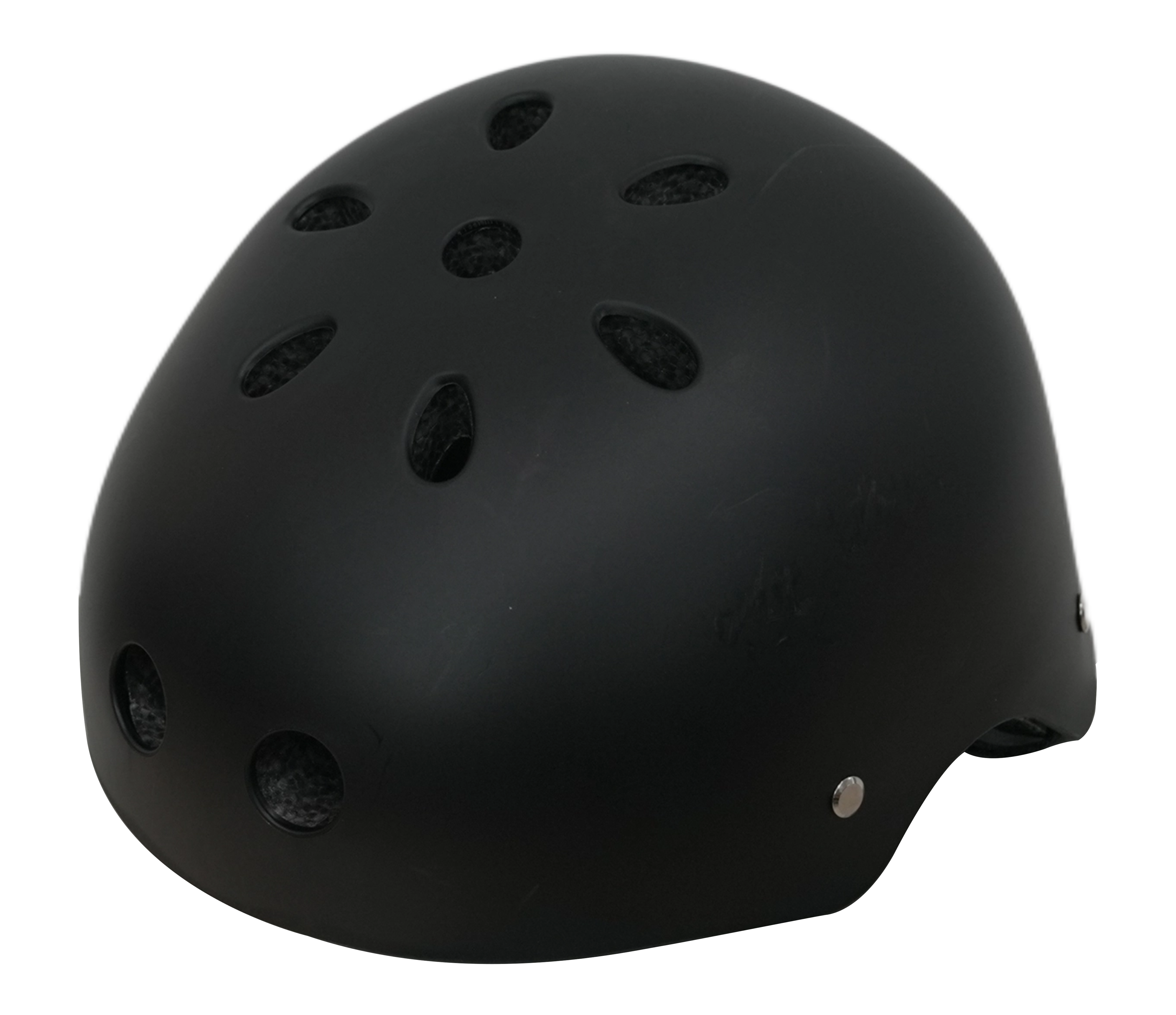
- Always wear a helmet and protective gear.
- Start on flat, smooth terrain to build your balance.
- Stay hydrated—riding can be deceptively tiring.
- Be aware of traffic and pedestrians; fitness doesn't mean reckless.
- Use a scooter with adequate range and power for your planned route. The Zwheel D3S-S (1000W, $600) is a great all-rounder for fitness commutes.
Conclusion: Ride Your Way to Better Health
The electric scooter fitness benefits are clear: you can burn a meaningful number of calories, strengthen your core, improve balance, and boost mental health—all while having fun and getting where you need to go. The calories burned riding an electric scooter may not rival a marathon, but for daily active commuting or recreational fitness, it's a game-changer. Choose a Zwheel scooter that matches your goals, ride with intention, and watch your health improve one mile at a time.
Frequently Asked Questions
Is riding an electric scooter good exercise?
Yes, it provides low-impact cardio, core engagement, and balance training. While it's not as intense as running, it's a legitimate form of active transportation that contributes to daily fitness.
How many calories does a 30-minute electric scooter ride burn?
For a 155-pound person, a 30-minute ride at moderate pace burns approximately 75–125 calories. With active riding (hills, kicks, varied speed), that can reach 150–200 calories.
Can you lose weight by riding an electric scooter?
Yes, when combined with a balanced diet and other physical activities. Riding an e-scooter for 30–60 minutes daily can burn an extra 1,000–2,000 calories per week, which supports gradual weight loss.
What muscles does an electric scooter work?
Primarily the core (abdominals, obliques, lower back), legs (quadriceps, hamstrings, calves), and stabilizer muscles in the feet and ankles. Your arms and shoulders also engage for steering and balance.
Are electric scooters better than walking for fitness?
Walking is excellent, but an electric scooter offers a unique combination of balance training and low-impact cardio that can be more engaging. For calorie burn, walking and e-scooter riding are comparable when both are done actively.
Escrito por
Zwheel Team
Parte da equipe editorial da Zwheel, cobrindo tendencias de mobilidade, guias de produtos e dicas.