Electric Scooter Safety Gear Checklist for Beginners
New to electric scooters? Our beginner's safety gear checklist covers helmets, pads, lights, and more. Ride confidently and protect yourself with the right equipment.
Sumario
- Electric Scooter Safety Gear Checklist for Beginners
- Why Safety Gear Is Non-Negotiable
- The Complete Electric Scooter Safety Gear Checklist
- 1. Helmet (The Absolute Must-Have)
- 2. Gloves
- 3. Knee and Elbow Pads
- 4. Wrist Guards
- 5. Eye Protection
- 6. Bright, Reflective Clothing
- 7. Lights and Horn/Bell
- 8. Sturdy Footwear
- How to Choose the Right Gear for Your Riding Style
- Commuting in the City
- Off-Road and Trail Riding
- High-Speed and Performance Riding
- Practical Tips for Beginners
- Frequently Asked Questions
- Do I really need a helmet for electric scooter riding?
- What's the best helmet for electric scooter beginners?
- Are knee and elbow pads necessary for adults?
- How often should I replace my safety gear?
- Can I wear regular sunglasses for eye protection?
- Conclusion
Electric Scooter Safety Gear Checklist for Beginners
So you've just got your first electric scooter—congratulations! Before you twist the throttle, there's one thing you shouldn't overlook: safety gear. Whether you're commuting to work or cruising around the neighborhood, the right protective equipment can mean the difference between a minor scrape and a serious injury. This electric scooter safety gear checklist for beginners will walk you through exactly what you need, why it matters, and how to choose gear that fits your riding style and budget.
Why Safety Gear Is Non-Negotiable
Electric scooters are fun, efficient, and eco-friendly, but they're not toys. Even a low-speed fall can cause significant injuries—especially to the head, wrists, and elbows. According to a 2023 study in the Journal of the American Medical Association, e-scooter injuries have surged by over 200% in the last five years, with head trauma being the most common severe injury. The good news? Most of these injuries are preventable with proper gear.
Think of safety gear as your insurance policy. You hope you never need it, but when you do, it's invaluable. Plus, many cities now require helmets for e-scooter riders under a certain age, and some employers even mandate them for commuters using company scooters.
The Complete Electric Scooter Safety Gear Checklist
Here's your go-to list. Start with the essentials, then add optional items as your skills and speed increase.
1. Helmet (The Absolute Must-Have)
No exceptions here. A helmet is the single most important piece of safety gear. Look for a helmet certified by CPSC, DOT, or SNELL. For scooter riding, a full-face helmet offers the best protection, but a quality bike helmet works for lower speeds (under 15 mph).
What to look for:
- Certification: CPSC, DOT, or SNELL sticker inside.
- Fit: Snug but comfortable; it shouldn't rock side to side.
- Ventilation: Important for longer commutes.
- Visibility: Bright colors or reflective strips.
Pro tip: Replace your helmet after any crash, even if it looks fine. The foam can compress and lose effectiveness.
2. Gloves
Your hands are your first line of defense in a fall—you'll instinctively put them out to break your fall. Padded cycling gloves or motorcycle gloves protect your palms and fingers from road rash and fractures.
What to look for:
- Padding: Gel or foam pads on the palms.
- Grip: Rubberized fingertips for better control.
- Breathability: Mesh back for summer riding.
3. Knee and Elbow Pads
If you're a beginner, knee and elbow pads are highly recommended. They're especially important when learning to balance, turn, and brake. Many adult pads are slim and discreet enough to wear under clothing.
What to look for:
- Hard shell: For impact protection.
- Adjustable straps: For a secure fit.
- Breathable lining: To prevent sweating.
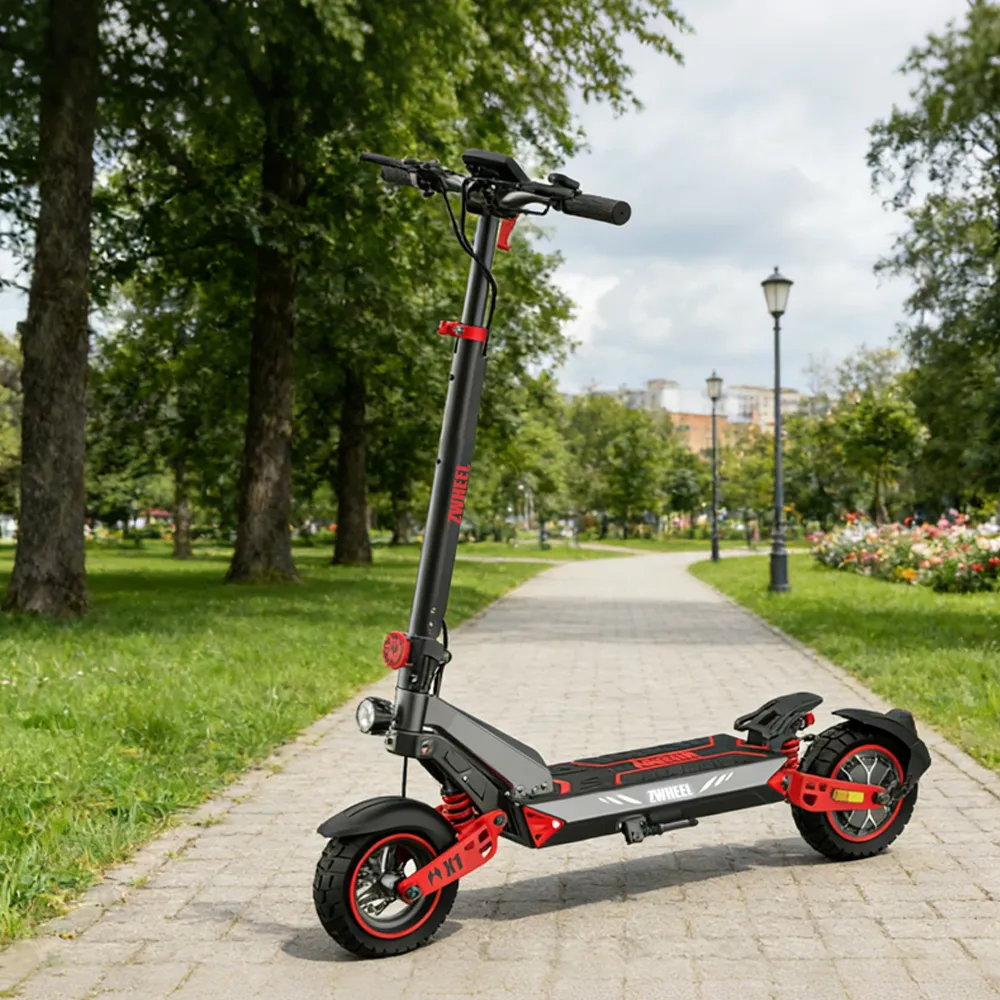
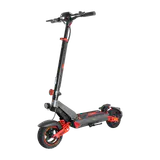
For off-road or high-speed riding, consider heavier-duty pads. If you're riding a powerful model like the Zwheel ZSD2 (4000W), full protective gear is a must.
4. Wrist Guards
Wrist injuries are incredibly common among e-scooter riders. Wrist guards immobilize the joint and distribute impact forces, reducing the risk of sprains and fractures.
What to look for:
- Dual splints: Top and bottom support.
- Comfort: They should allow you to grip the handlebars.
5. Eye Protection
Wind, dust, and debris can impair your vision and cause accidents. Sunglasses or clear safety glasses are essential, especially at speeds above 15 mph.
What to look for:
- UV protection: For sunny days.
- Anti-fog: For humid conditions.
- Wrap-around style: To block wind from the sides.
6. Bright, Reflective Clothing
Visibility is safety. Wear bright colors during the day and reflective gear at night. Many jackets and backpacks come with reflective strips, or you can add clip-on reflectors.
What to look for:
- High-vis colors: Neon yellow, orange, or white.
- Reflective elements: On your jacket, backpack, and shoes.
- Weather-appropriate: Waterproof gear for rain.
7. Lights and Horn/Bell
Most electric scooters come with basic lights, but upgrading to brighter ones is a smart move. A front white light and rear red light are legal requirements in many areas. A bell or horn alerts pedestrians and other riders to your presence.
What to look for:
- Lumens: At least 200 lumens for the front light.
- Flashing mode: For daytime visibility.
- Easy mounting: Universal brackets.
8. Sturdy Footwear
Flip-flops and sandals are a no-go. Wear closed-toe shoes with rubber soles for grip and protection. Sneakers or skate shoes are ideal.
What to look for:
- Flat soles: For good pedal grip.
- Ankle support: To prevent rolls.
- Durable material: Leather or synthetic.
How to Choose the Right Gear for Your Riding Style
Not all riders need the same level of protection. Your gear should match your scooter's power and your riding environment.
Commuting in the City
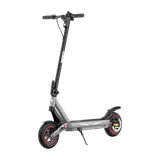
For city commutes on scooters like the Zwheel ZSA Plus (800W) or Zwheel D3S-S (1000W), a helmet, gloves, and bright clothing are usually sufficient. Add knee pads if you're new to riding.
Off-Road and Trail Riding
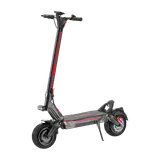
Off-road adventures on models like the Zwheel ZSB2 (1500W) demand more protection. Wear a full-face helmet, elbow and knee pads, and wrist guards. Consider a chest protector for aggressive trails.
High-Speed and Performance Riding
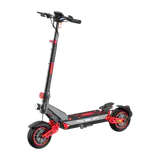
If you're riding a high-performance scooter like the Zwheel ZSE2 (6000W), you need motorcycle-grade gear: full-face helmet, armored jacket, gloves, and boots. At speeds over 30 mph, regular bike gear won't cut it.
Practical Tips for Beginners
- Start slow: Practice in an empty parking lot before hitting busy streets.
- Check your gear: Inspect straps, buckles, and padding before every ride.
- Dress for the fall, not the ride: Even a 10 mph fall can hurt.
- Stay visible: Assume drivers don't see you.
- Maintain your scooter: Check tire pressure, brakes, and lights regularly.
- Take a safety course: Many cities offer e-scooter safety classes.
Frequently Asked Questions
Do I really need a helmet for electric scooter riding?
Yes, absolutely. A helmet is the most critical piece of safety gear. Head injuries are the leading cause of e-scooter fatalities, and helmets reduce the risk of severe head trauma by up to 70%.
What's the best helmet for electric scooter beginners?
A CPSC-certified bike helmet is fine for speeds under 15 mph. For higher speeds or off-road riding, choose a full-face helmet with a chin bar for maximum protection.
Are knee and elbow pads necessary for adults?
While not legally required in most places, knee and elbow pads are highly recommended for beginners. They prevent road rash and reduce impact forces in a fall.
How often should I replace my safety gear?
Replace your helmet after any impact or every 3-5 years. Pads and gloves should be replaced when straps fray or padding compresses.
Can I wear regular sunglasses for eye protection?
Regular sunglasses offer some protection, but safety glasses or riding goggles provide better wind and debris resistance. Look for anti-fog and UV protection.
Conclusion
Riding an electric scooter is an exhilarating way to get around, but safety should always come first. Use this electric scooter safety gear checklist for beginners to equip yourself properly before your first ride. Start with a certified helmet, gloves, and wrist guards, then add knee and elbow pads as your confidence grows. Remember, the best gear is the gear you'll actually wear—so choose items that fit well and feel comfortable.
Ready to ride? Explore our lineup of safe, reliable electric scooters at Zwheel and gear up for your next adventure.
Escrito por
Zwheel Team
Parte da equipe editorial da Zwheel, cobrindo tendencias de mobilidade, guias de produtos e dicas.