Electric Scooter Standing Fatigue: How to Reduce It
Standing fatigue can turn a fun commute into a pain. Discover posture fixes, gear upgrades, and scooter features that reduce strain, plus tips on choosing a more comfortable ride.
Sumario
- Why Does Standing on an Electric Scooter Cause Fatigue?
- Top 5 Causes of Standing Fatigue on a Scooter
- 1. Rigid Posture and Locked Knees
- 2. Hard Tires and Lack of Suspension
- 3. Narrow Decks and Poor Foot Placement
- 4. High Handlebar or Incorrect Riding Height
- 5. Long Rides Without Breaks
- How to Reduce Standing Fatigue: 7 Practical Tips
- 1. Adjust Your Posture Regularly
- 2. Wear the Right Shoes
- 3. Use a Wider Deck or Foot Pegs
- 4. Install a Suspension System or Upgrade Your Tires
- 5. Take Micro-Breaks
- 6. Adjust Your Handlebar Height
- 7. Strengthen Your Core and Legs
- When to Upgrade Your Scooter for Better Comfort
- Key Comfort Features to Look For
- Real-World Example: Upgrading from a Budget Scooter
- Stretching Exercises to Prevent Fatigue
- Calf Stretch
- Quad Stretch
- Lower Back Twist
- Frequently Asked Questions
- Does a suspension system really help with standing fatigue?
- Are pneumatic tires better than solid tires for reducing fatigue?
- Can I add a suspension to my existing scooter?
- How long can I ride without fatigue on a comfortable scooter?
- Are there any specific Zwheel models recommended for reducing standing fatigue?
- Final Thoughts: Ride Longer, Feel Better
Why Does Standing on an Electric Scooter Cause Fatigue?
Standing for long periods on an electric scooter isn't just tiring—it can lead to sore feet, stiff knees, and lower back pain. Unlike walking, where your muscles constantly adjust, standing on a scooter locks your legs in a relatively static position. Your body has to absorb vibrations and shocks from the road, and your joints bear the full weight of your body without the natural 'give' of a walking gait.
The problem is compounded by poor posture, hard tires, and a lack of suspension. Most commuter scooters are designed for short trips, but as more people use them for longer rides, understanding and mitigating electric scooter standing fatigue becomes essential.
In this guide, we'll break down the causes and give you actionable strategies to make your rides more comfortable—whether you're a daily commuter or a weekend explorer.
Top 5 Causes of Standing Fatigue on a Scooter
Before you can fix the problem, you need to know what's causing it. Here are the most common culprits:
1. Rigid Posture and Locked Knees
When you're nervous or trying to maintain balance, you might unconsciously lock your knees. This restricts blood flow and increases muscle fatigue. A slight bend in the knees acts as a natural shock absorber.
2. Hard Tires and Lack of Suspension
Scooters with solid or hard rubber tires transmit every bump directly to your legs. Without a suspension system, your body takes the full impact, leading to rapid fatigue.
3. Narrow Decks and Poor Foot Placement
A narrow deck forces your feet into an unnatural position, often with one foot directly in front of the other. This reduces stability and increases strain on your ankles and calves.
4. High Handlebar or Incorrect Riding Height
If the handlebars are too high or too low, you'll hunch or stretch, causing shoulder and back pain. The ideal height is one where your elbows are slightly bent and your back is straight.
5. Long Rides Without Breaks
Even with perfect posture, standing still for an hour is tiring. Your muscles need micro-breaks to pump blood and reduce lactic acid buildup.
How to Reduce Standing Fatigue: 7 Practical Tips
Now, let's get to the good stuff. Here are proven ways to minimize fatigue and enjoy longer rides.
1. Adjust Your Posture Regularly
Don't stay in one position. Shift your weight from one leg to the other every few minutes. Slightly bend your knees and keep your back straight. Imagine a string pulling you up from the top of your head—this aligns your spine and reduces pressure on your lower back.
2. Wear the Right Shoes
Your footwear matters more than you think. Cushioned sneakers or shoes with shock-absorbing soles can make a massive difference. Avoid hard-soled shoes like dress shoes or flip-flops. If you're riding daily, consider investing in a pair of athletic shoes with good arch support.
3. Use a Wider Deck or Foot Pegs
A wider deck gives you more room to reposition your feet. If your scooter has a narrow deck, try placing your front foot at a slight angle to reduce ankle strain. Some riders add aftermarket foot pegs to change their stance and relieve pressure.
4. Install a Suspension System or Upgrade Your Tires
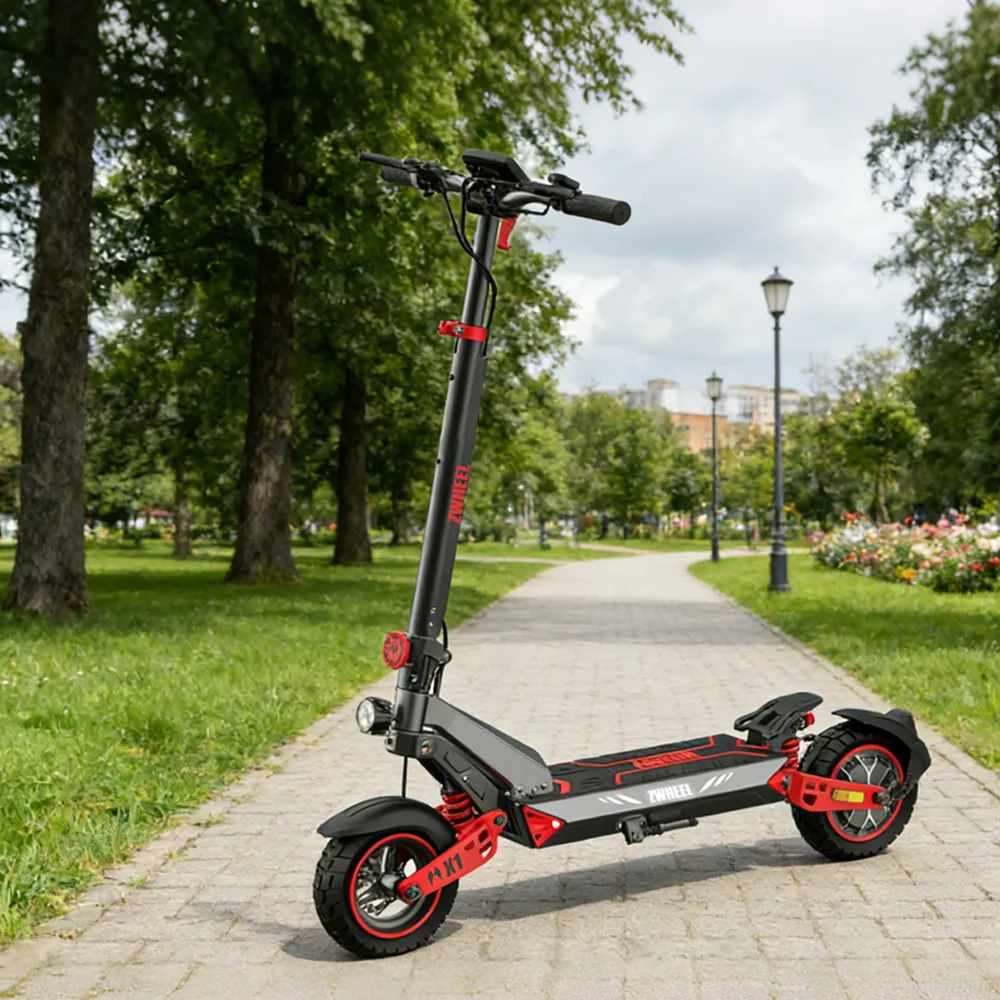
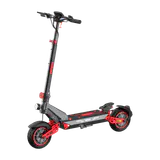
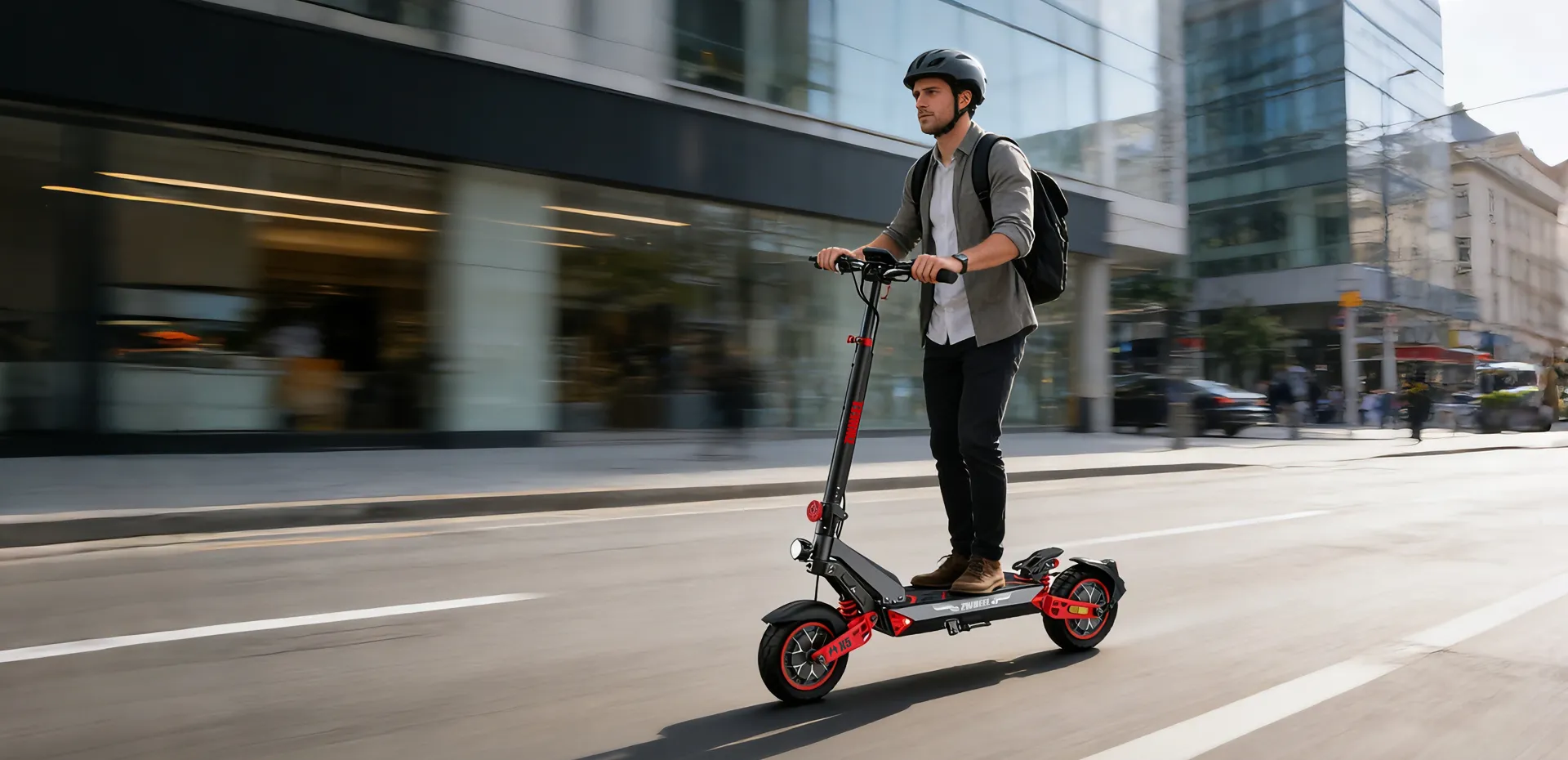
If your scooter lacks suspension, consider upgrading to pneumatic (air-filled) tires. They absorb much more vibration than solid tires. For riders on a budget, even a simple front suspension fork can drastically improve comfort. On Zwheel models, you'll find options with both front and rear suspension—like the Zwheel ZSA Plus—which are designed for smoother city rides.
5. Take Micro-Breaks
On long rides, pull over briefly every 20–30 minutes. Step off the scooter, stretch your legs, and do a few calf raises. This boosts circulation and prevents stiffness. Even a 30-second break helps.
6. Adjust Your Handlebar Height
Most scooters have adjustable handlebars. Set them so your elbows are at a 90-degree angle when gripping. This keeps your shoulders relaxed and prevents hunching. If your handlebars are too low, you'll lean forward, putting extra weight on your arms and wrists.
7. Strengthen Your Core and Legs
Believe it or not, your fitness level plays a role. A strong core and leg muscles support your body better and reduce fatigue. Simple exercises like planks, squats, and calf raises can make a big difference over time.
When to Upgrade Your Scooter for Better Comfort
Sometimes, no amount of posture adjustment can overcome a scooter's design limitations. If you're an everyday rider logging more than 10 miles, it might be time to consider a scooter with features that reduce fatigue.
Key Comfort Features to Look For
- Suspension: Front and rear springs or hydraulic dampers absorb shocks.
- Pneumatic Tires: Air-filled tires provide better cushioning than solid rubber.
- Wide Deck: A deck width of at least 6 inches gives your feet room to move.
- Adjustable Stem: Allows you to set the handlebar height to your body.
- Ergonomic Grips: Soft, contoured grips reduce hand fatigue.
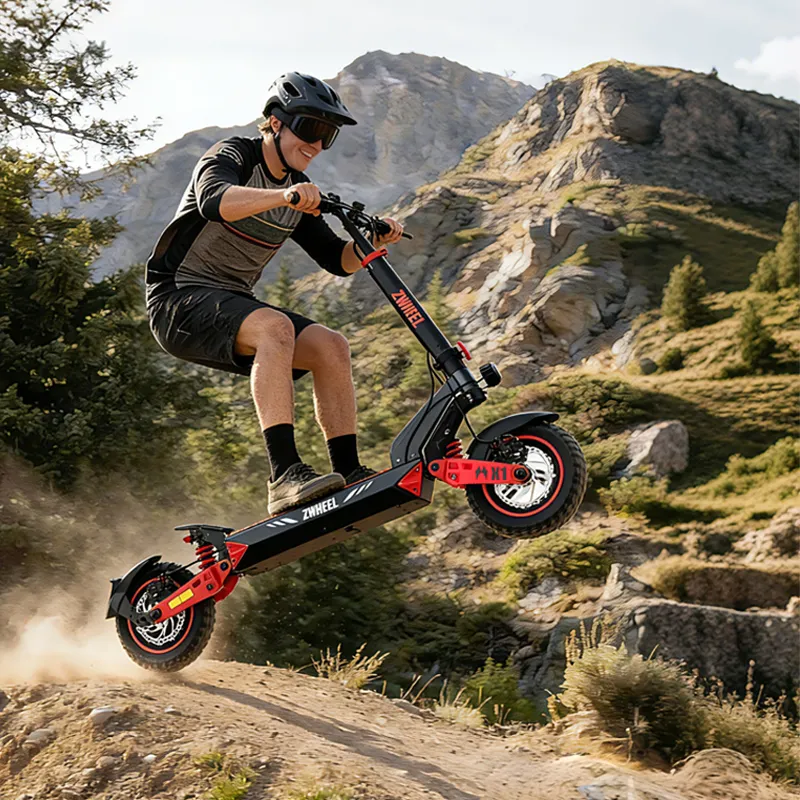
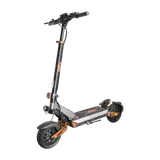
For city commuters, the Zwheel D3S-S offers a balanced ride with front suspension and pneumatic tires, making it a solid choice for daily use. If you're into mixed terrain and want more cushioning, the Zwheel ZSB1 features full suspension and wider tires, which are excellent for absorbing rough patches.
Real-World Example: Upgrading from a Budget Scooter
Take John, a commuter who rode a cheap scooter with solid tires. After 20 minutes, his feet would go numb. He upgraded to a Zwheel ZSD1 with dual suspension and off-road tires. Now he rides 45 minutes without pain. The difference was night and day—the suspension absorbed the bumps, and the wider deck allowed him to shift his stance easily.
Stretching Exercises to Prevent Fatigue
Incorporating a few stretches before and after your ride can significantly reduce muscle soreness. Here are three quick ones:
Calf Stretch
Stand with your hands against a wall, one leg back, heel flat. Lean forward until you feel a stretch in your calf. Hold for 30 seconds, then switch legs.
Quad Stretch
Stand on one leg, pull your other heel toward your glute. Hold for 20 seconds. This loosens the front thigh muscles that work hard to keep you upright.
Lower Back Twist
Sit on the ground, cross one leg over the other, and twist your torso toward the bent knee. This releases tension in the lower back, which often tightens during rides.
Frequently Asked Questions
Does a suspension system really help with standing fatigue?
Yes, a good suspension system absorbs road vibrations and impacts, reducing the stress on your legs and lower back. It's one of the most effective upgrades for comfort.
Are pneumatic tires better than solid tires for reducing fatigue?
Absolutely. Pneumatic tires are air-filled and provide natural cushioning, while solid tires transfer almost all shocks directly to the rider. If you have solid tires, consider switching to pneumatic ones if your scooter supports them.
Can I add a suspension to my existing scooter?
In many cases, yes. Aftermarket front suspension forks are available for many scooter models. However, it's not a universal fit, so check compatibility with your scooter's make and model. For most budget scooters, upgrading to pneumatic tires is a simpler and cheaper option.
How long can I ride without fatigue on a comfortable scooter?
With a well-suspended scooter, proper posture, and regular breaks, most riders can comfortably ride for 30–60 minutes without significant fatigue. Beyond that, your fitness level and the terrain play a bigger role.
Are there any specific Zwheel models recommended for reducing standing fatigue?
Yes, Zwheel offers several models with features that reduce fatigue. For city commuting, the ZSA Plus has front suspension and a comfortable deck. For more demanding rides, the ZSB1 or ZSD1 come with full suspension, ensuring a smoother ride.
Final Thoughts: Ride Longer, Feel Better
Electric scooter standing fatigue doesn't have to ruin your ride. By adjusting your posture, investing in the right gear, and choosing a scooter with comfort features, you can significantly reduce strain and enjoy longer, more comfortable journeys. Start with the simple tips—like wearing cushioned shoes and taking breaks—and if you're still struggling, consider upgrading your scooter to one with proper suspension and pneumatic tires.
Remember, the best scooter is the one that fits your needs and keeps you comfortable. If you're in the market for a new ride, explore Zwheel's lineup of commuter and off-road scooters to find one that prioritizes your comfort.
Escrito por
Zwheel Team
Parte da equipe editorial da Zwheel, cobrindo tendencias de mobilidade, guias de produtos e dicas.