Electric Scooter Controller Explained: What the Brain Does
The controller is the brain of your electric scooter. Learn how it manages power, ensures safety, and affects performance, plus maintenance tips and FAQs.
Содержание
- Electric Scooter Controller Explained: What the Brain Does
- What Is an Electric Scooter Controller?
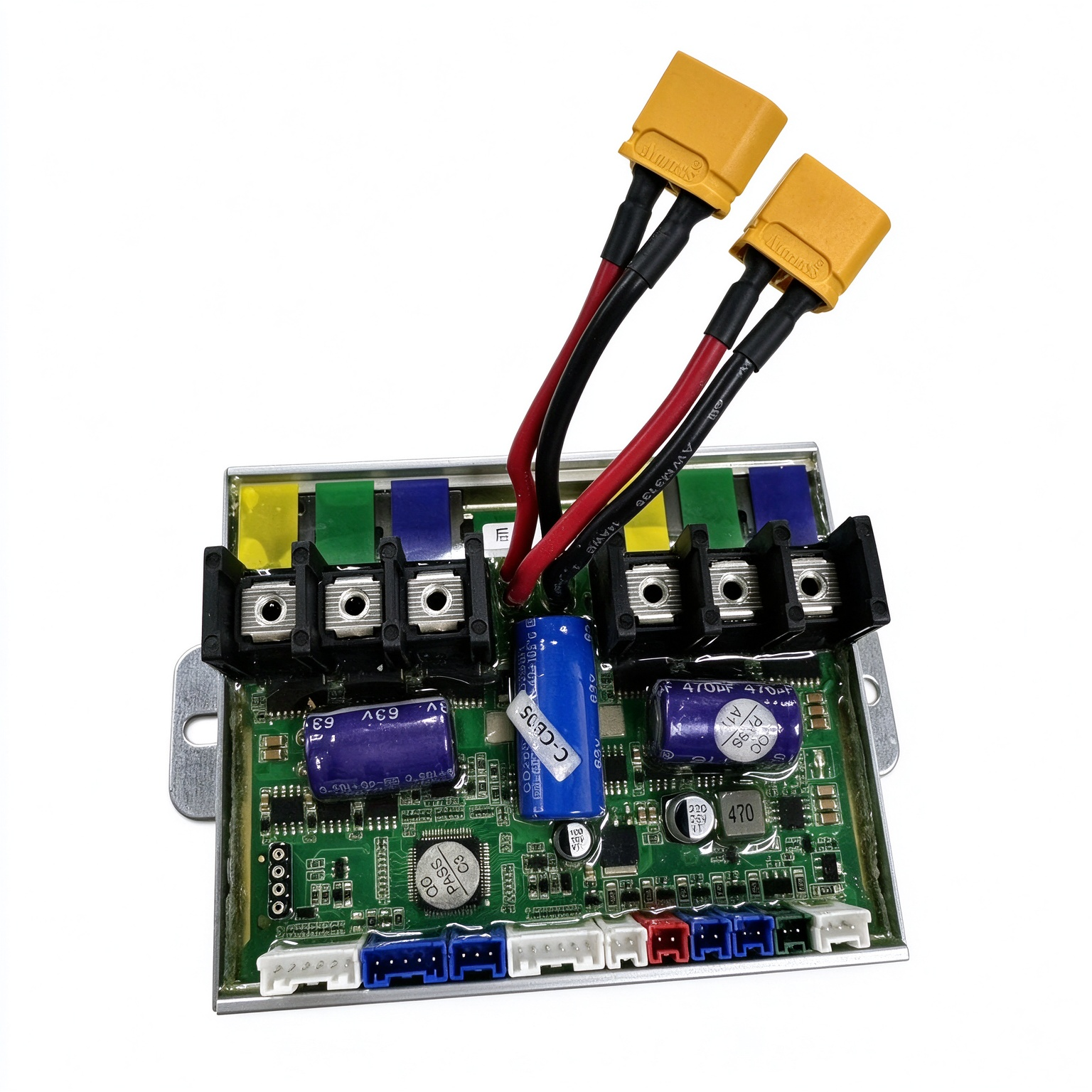
- Key Components of a Controller
- How the Controller Works: The Brain in Action
- Why the Controller Matters for Performance and Safety
- Types of Controllers
- Controller in Zwheel Scooters
- Common Controller Issues and Maintenance Tips
- How to Choose a Scooter with a Good Controller
- Conclusion
- Frequently Asked Questions
- What happens if the controller fails?
- Can I replace my scooter's controller with a higher-power one?
- How do I know if my controller is waterproof?
- Why does my scooter's controller get hot?
- Can I update my controller's firmware?
Electric Scooter Controller Explained: What the Brain Does
If you've ever wondered what makes your electric scooter tick, the answer lies in the controller. Often called the "brain" of the scooter, this unassuming component orchestrates everything from acceleration to braking. In this article, we'll break down exactly what an electric scooter controller does, how it works, and why it's critical to your ride's performance and safety.
What Is an Electric Scooter Controller?
The controller is an electronic device that manages the flow of electricity from the battery to the motor. It interprets inputs from the throttle, brake levers, and sensors, then adjusts power delivery accordingly. Think of it as the command center: it takes your commands and translates them into action while monitoring system health.
Key Components of a Controller
- Microcontroller Unit (MCU): The processor that runs the control algorithms.
- Power Stage: MOSFETs that switch high currents to the motor.
- Sensors: Hall effect sensors for motor position, temperature sensors, and current sensors.
- Communication Interface: For throttle, display, and diagnostics.
How the Controller Works: The Brain in Action
The controller continuously reads inputs and adjusts motor power in real-time. Here's a simplified sequence:
- You twist the throttle, sending a signal to the controller.
- The controller calculates the desired speed and torque based on throttle position and current speed.
- It adjusts the pulse-width modulation (PWM) signal to the motor's MOSFETs, controlling voltage and current.
- Hall sensors report motor position, allowing the controller to synchronize commutation.
- If any parameter (e.g., temperature, current) exceeds safe limits, the controller reduces power or cuts off to protect components.
This process happens thousands of times per second, ensuring smooth and efficient operation.
Why the Controller Matters for Performance and Safety
The controller directly impacts:
- Acceleration and Top Speed: It determines how quickly power ramps up and the maximum speed allowed.
- Range: Efficient power management can extend battery life.
- Safety: It prevents overcurrent, overvoltage, and overheating, protecting both rider and components.
- Ride Quality: Smooth throttle response and regenerative braking are controller-dependent.
For instance, a high-quality controller like those in the Zwheel ZSD1 ensures reliable performance even on tough terrains.
Types of Controllers
Controllers vary by power handling and features:
- Brushed vs. Brushless: Most modern scooters use brushless DC (BLDC) controllers for efficiency and longevity.
- Sine Wave vs. Square Wave: Sine wave controllers provide smoother, quieter operation.
- Integrated vs. External: Some controllers are built into the motor or frame; others are separate units.
- Smart Controllers: Advanced models offer Bluetooth connectivity, app-based tuning, and diagnostics.
Controller in Zwheel Scooters
Zwheel scooters are equipped with robust controllers tailored to their power output. For example, the Zwheel ZSE2 racing scooter features a high-performance controller that manages its 6000W motor for exhilarating speed while maintaining safety.
Common Controller Issues and Maintenance Tips
Controllers are generally reliable, but problems can arise:
- Overheating: Caused by excessive load or poor ventilation. Ensure the controller is mounted in a well-ventilated area and avoid continuous heavy use.
- Water Damage: Controllers are often splash-resistant but not waterproof. Avoid riding in heavy rain and dry off after wet rides.
- Connector Corrosion: Inspect and clean connectors periodically.
- Firmware Glitches: Some smart controllers may need firmware updates; check manufacturer recommendations.
If you experience erratic behavior, loss of power, or error codes, consult a professional. DIY repairs can void warranties and cause further damage.
How to Choose a Scooter with a Good Controller
When shopping, consider:
- Brand Reputation: Established brands like Zwheel use quality controllers.
- Power Rating: Match the controller's continuous and peak current ratings to the motor.
- Features: Look for regenerative braking, multiple riding modes, and smart connectivity.
- Warranty: A solid warranty indicates confidence in the controller's reliability.
For city commuters, the Zwheel ZSA Plus offers a balanced controller for efficient daily rides.
Conclusion
The electric scooter controller is truly the brain of your ride, managing power delivery, ensuring safety, and shaping your overall experience. Understanding its role helps you appreciate your scooter's technology and make informed maintenance and purchasing decisions. Whether you're cruising on a commuter model or tackling trails on an off-road beast, a well-designed controller is key to a smooth, reliable journey.
Frequently Asked Questions
What happens if the controller fails?
If the controller fails, the scooter may not power on, lose power intermittently, or behave erratically. In some cases, it might cause a sudden stop. Always inspect and maintain your controller and seek professional repair if issues arise.
Can I replace my scooter's controller with a higher-power one?
It's possible but not recommended unless you upgrade the battery and motor to match. A higher-power controller can overstress other components, leading to failures or safety hazards. Consult a professional before attempting such modifications.
How do I know if my controller is waterproof?
Check the IP rating. Most controllers are IP54 or IP65, meaning splash-resistant but not submersible. Avoid riding in heavy rain or through deep water. Refer to your scooter's manual for specific ratings.
Why does my scooter's controller get hot?
Some heat is normal during operation, especially under heavy load or uphill rides. However, excessive heat may indicate poor ventilation, overloading, or a failing component. Ensure proper airflow and avoid continuous high-stress use.
Can I update my controller's firmware?
Some smart controllers support firmware updates via a mobile app. Check with your scooter's manufacturer for available updates and instructions. Regular updates can improve performance and fix bugs.
Автор
Zwheel Team
Член редакционной команды Zwheel.