Electric Scooter Emergency Braking Practice Drills: Stay Safe in 2026
Master emergency braking on your electric scooter with proven practice drills. Learn how to stop safely at speed, understand stopping distances, and build muscle memory for real-world hazards.
Содержание
- Why Emergency Braking Drills Matter for Every Rider
- Understanding Stopping Distances on an Electric Scooter
- Key Variables That Affect Braking
- Essential Emergency Braking Practice Drills for 2026
- Drill 1: The Progressive Squeeze (Dry Pavement)
- Drill 2: Rear-Brake-Only Emergency Stop (Low Traction Simulation)
- Drill 3: The Swerve-and-Stop (Obstacle Avoidance)
- Drill 4: High-Speed Braking (20+ mph)
- Common Mistakes and How to Fix Them
- When and Where to Practice
- How Zwheel Scooters Support Safer Braking
- Conclusion
- Frequently Asked Questions
- How often should I practice emergency braking on my electric scooter?
- What is the safest way to brake on a wet road?
- Can I practice emergency braking on any electric scooter?
- Should I use both brakes at the same time?
- What gear should I wear while practicing?
Why Emergency Braking Drills Matter for Every Rider
Riding an electric scooter in 2026 means navigating increasingly crowded bike lanes, unpredictable car doors, and sudden pedestrian crossings. The difference between a close call and a crash often comes down to how quickly and effectively you can stop. Even the best electric scooter brake system—whether disc, drum, or regenerative—is only as good as the rider using it. Regular emergency braking practice builds the muscle memory and confidence you need to react instinctively when a hazard appears.
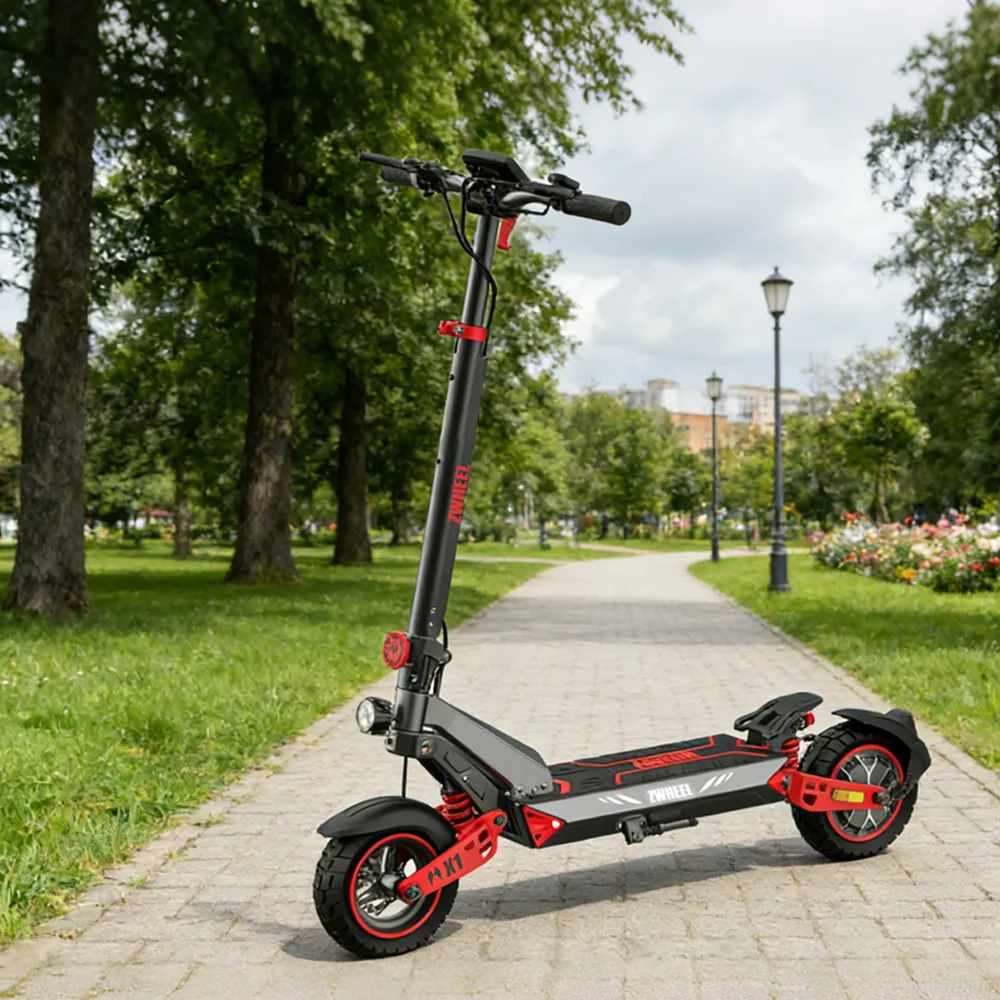
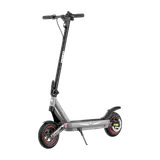
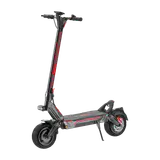
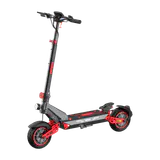
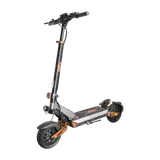
At Zwheel, we design our scooters with powerful braking systems, but we also believe rider skill is the ultimate safety feature. Whether you're commuting on a Zwheel ZSA Plus or tackling trails on a Zwheel ZSB2, these drills will help you stop shorter, stay upright, and ride smarter.
Understanding Stopping Distances on an Electric Scooter
Before you start practicing, know what affects your stopping distance. At 15 mph (a typical commute speed), an average e-scooter needs about 15 to 20 feet to come to a complete stop on dry pavement. At 20 mph, that distance jumps to 25–35 feet. Wet roads, loose gravel, or sand can double or triple those numbers.
Key Variables That Affect Braking
- Speed: Stopping distance increases with the square of speed. Double your speed, and you need roughly four times the distance to stop.
- Surface: Dry asphalt offers the best grip. Wet leaves, painted lines, and metal grates are extremely slippery.
- Rider weight and position: Leaning back shifts your center of gravity and prevents a forward flip. A low, stable stance improves control.
- Brake type: Disc brakes (found on most Zwheel models) offer consistent stopping power. Drum brakes are reliable in wet conditions. Regenerative brakes add extra deceleration but shouldn't be your sole brake.
- Tire condition: Under-inflated or worn tires reduce traction. Check your tire pressure weekly.
Knowing these factors helps you adjust your practice drills for real-world conditions.
Essential Emergency Braking Practice Drills for 2026
These drills are designed to be performed in a safe, open space like an empty parking lot. Always wear a helmet, gloves, and knee pads. Start at low speeds and gradually increase as you improve.
Drill 1: The Progressive Squeeze (Dry Pavement)
Goal: Learn to apply brakes smoothly without locking the wheels.
- Mark a starting line with chalk or a cone.
- Accelerate to 10 mph and coast.
- When you reach a second cone 30 feet ahead, begin squeezing both brake levers evenly. Do not grab suddenly—apply firm, progressive pressure.
- Focus on keeping the handlebars straight and your knees bent. Your weight should shift slightly backward.
- Stop completely. Measure how far past the cone you stopped.
- Repeat 5 times, then try at 12 mph. Aim to stop within 15 feet.
Pro tip: On a Zwheel D3S-S with its dual disc brakes, you can achieve shorter stopping distances than with single-brake setups. Use both brakes every time.
Drill 2: Rear-Brake-Only Emergency Stop (Low Traction Simulation)
Goal: Practice stopping without skidding the front wheel, which can cause a crash on slippery surfaces.
- Find a dry, clean area. Later, you can practice on damp pavement (after rain) but be extra cautious.
- Accelerate to 8 mph.
- Apply only the rear brake (usually the left lever) with a firm squeeze. Keep your weight low and centered.
- If the rear wheel skids, release slightly and reapply. Do not touch the front brake.
- Stop as quickly as possible without skidding.
- Repeat 10 times. This drill builds feel for the rear brake's limit.
Why this matters: In a panic stop, many riders grab the front brake too hard, sending them over the handlebars. Practicing rear-only stops trains you to avoid that impulse.
Drill 3: The Swerve-and-Stop (Obstacle Avoidance)
Goal: Simulate a real-world hazard where you must avoid an obstacle and then stop.
- Place a cone or soft object in the middle of your path.
- Ride toward it at 12 mph.
- At the last moment (about 10 feet away), swerve sharply to one side—then immediately brake to a stop.
- Focus on looking where you want to go, not at the obstacle. Your scooter follows your eyes.
- Repeat 5 times on each side.
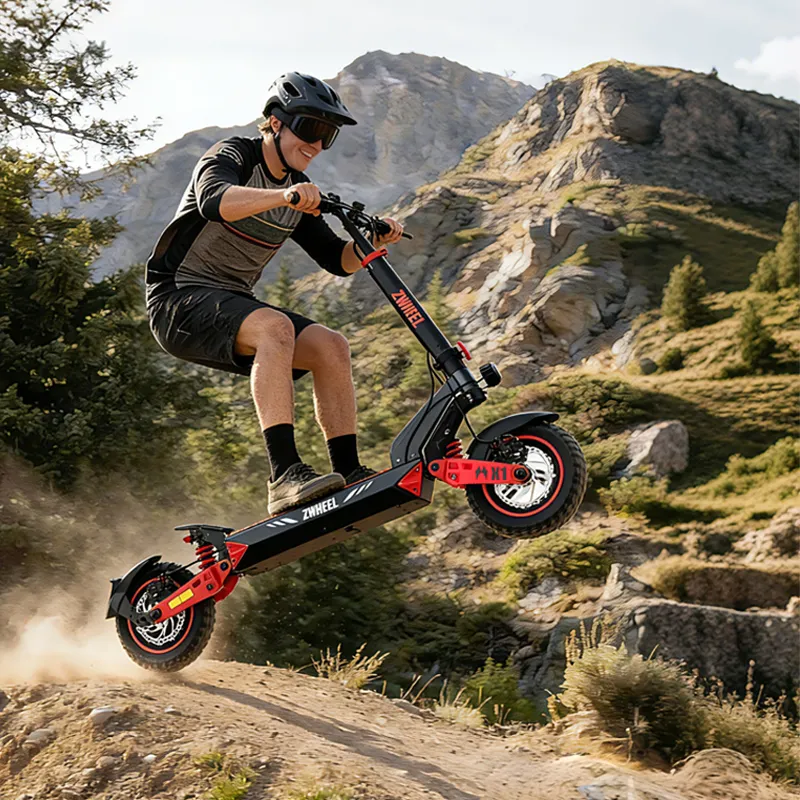
This drill is especially useful for city riders. The Zwheel ZSB2's wider tires and responsive suspension give you extra stability during sharp maneuvers.
Drill 4: High-Speed Braking (20+ mph)
Goal: Learn to control a hard stop from higher speeds without losing balance.
- Find a long, straight stretch (at least 100 feet).
- Accelerate to 20 mph (or your comfort limit).
- At a marked point, apply both brakes firmly but progressively. Your body should drop into a low crouch, with your butt over the rear wheel.
- Keep your arms slightly bent to absorb shocks. Do not lock your elbows.
- Measure your stopping distance. A good target is under 25 feet from 20 mph.
- Repeat 5 times, resting between attempts.
Safety note: Always check your brakes before high-speed drills. If your scooter has regenerative braking (like some Zwheel models), be aware it adds extra deceleration, which can feel abrupt at first.
Common Mistakes and How to Fix Them
- Grabbing the brakes: This locks wheels and causes skids. Always apply pressure smoothly over 1–2 seconds.
- Leaning forward: Shifts your weight over the front wheel, increasing the risk of a forward flip. Keep your center of gravity low and back.
- Looking down: Your balance follows your gaze. Keep your eyes up and scan the path ahead.
- Only using one brake: Most e-scooters have independent front and rear brakes. Using both gives you the shortest, most stable stop.
- Stiff arms: Rigid arms transmit every bump and vibration to your body. Stay loose to maintain control.
When and Where to Practice
Dedicate 15 minutes before your weekend ride to these drills. An empty parking lot, a quiet cul-de-sac, or a school playground on a weekend are ideal. Avoid practicing on busy streets or uneven terrain until you've mastered the basics. After rain, wait for surfaces to dry—or use a wet parking lot for advanced low-traction drills (with full protective gear).
Track your progress. Note your stopping distances and how your body feels. As you improve, increase speed gradually. Never skip the warm-up: ride slowly for a few minutes to get a feel for your scooter's brakes that day.
How Zwheel Scooters Support Safer Braking
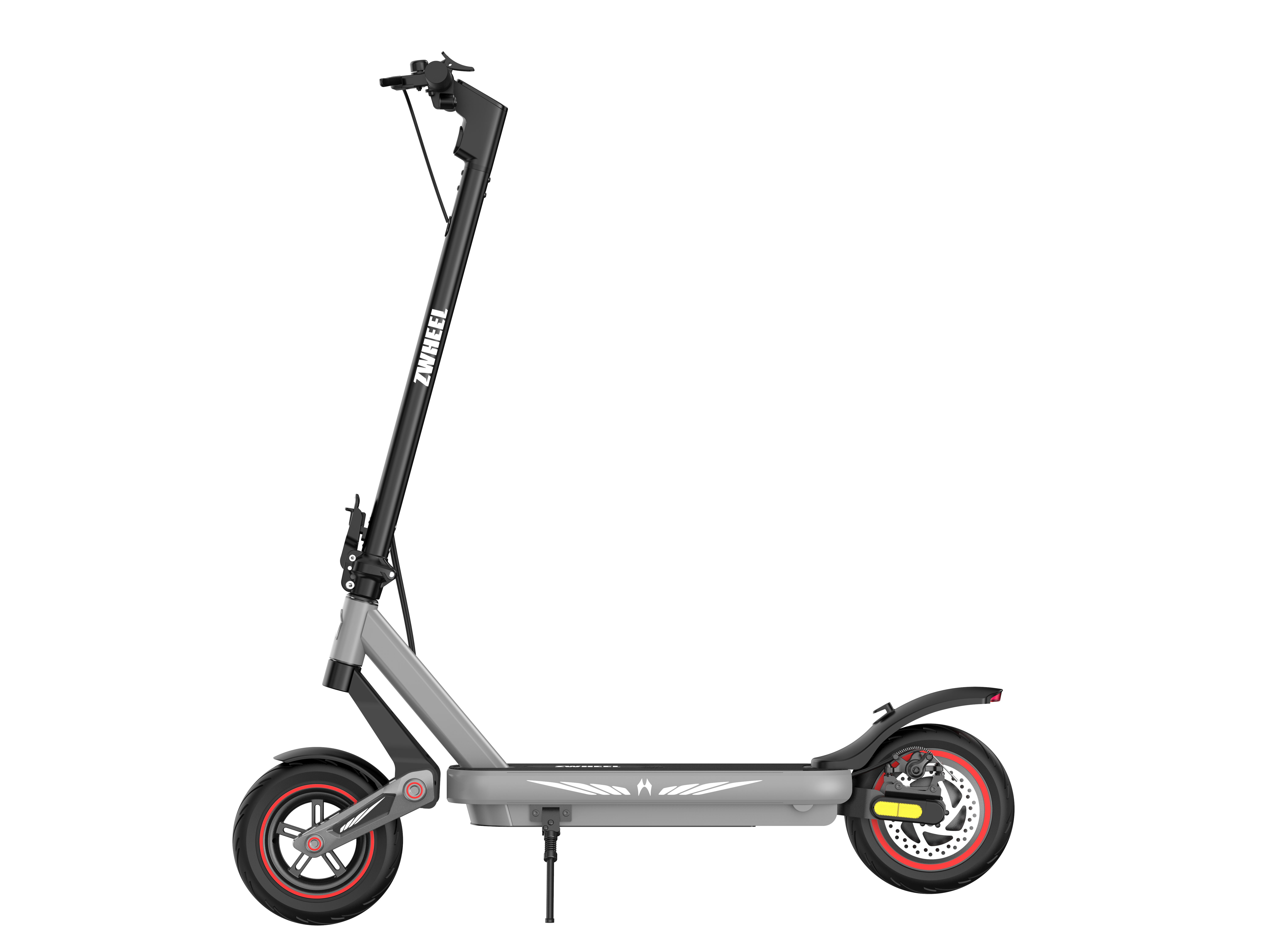
All Zwheel models are equipped with reliable braking systems. Our Zwheel ZSA Plus features a rear drum brake and front electronic brake for smooth, consistent stops in city traffic. For riders who tackle hills or need extra stopping power, the Zwheel D3S-S offers dual disc brakes that perform well even in wet conditions. Our off-road models like the Zwheel ZSB2 and Zwheel ZSD1 use hydraulic disc brakes for maximum control on loose terrain.
But no matter how good the hardware, your skills matter most. Regular practice turns good brakes into great stops.
Conclusion
Electric scooter emergency braking practice drills are not optional—they are essential for every rider who wants to stay safe in 2026's busy streets. By practicing progressive squeezes, rear-only stops, swerve-and-stop maneuvers, and high-speed braking, you build the reflexes that can prevent accidents. Start slow, stay consistent, and always wear your gear. Your Zwheel scooter is built for performance—now make sure your skills match.
Remember: the best emergency stop is the one you never have to make because you saw the hazard early. But when you do need to stop, these drills will save you.
Frequently Asked Questions
How often should I practice emergency braking on my electric scooter?
Ideally, practice emergency braking drills at least once a week for 10–15 minutes. If you ride daily in heavy traffic, a quick 5-minute warm-up with a few hard stops can keep your reflexes sharp.
What is the safest way to brake on a wet road?
Reduce your speed by 30–50% and apply brakes very progressively—especially the front brake. Use the rear brake as your primary stopper on wet surfaces. Avoid braking while turning. If your scooter has drum brakes (like the ZSA Plus), they perform better in wet conditions than disc brakes.
Can I practice emergency braking on any electric scooter?
Yes, but the technique adapts to your scooter's brake type. Dual disc brakes (common on Zwheel models) allow shorter stops. Single-brake scooters require more gradual pressure. Always read your scooter's manual to understand its brake system.
Should I use both brakes at the same time?
Yes, in most cases. Applying both brakes evenly gives you the shortest stopping distance and reduces the risk of skidding. However, if you feel the rear wheel lifting, ease off the front brake slightly. Practice helps you find the balance.
What gear should I wear while practicing?
Always wear a certified helmet (CPSC or ECE), gloves, knee pads, and elbow pads. Long pants and closed-toe shoes are mandatory. For high-speed drills, consider a motorcycle jacket with armor. Safety gear isn't just for crashes—it builds confidence to push your limits.
Автор
Zwheel Team
Член редакционной команды Zwheel.