Electric Scooter Handlebar Height & Comfort Adjustment
Discover how to adjust your electric scooter handlebar height for a more comfortable, controlled ride. Step-by-step guides, ergonomic tips, and upgrade options.
Содержание
- Why Handlebar Height Matters for Comfort and Control
- How to Find Your Ideal Handlebar Height
- Step-by-Step Measurement
- Handlebar Height vs. Riding Style
- How to Adjust Handlebar Height on Different Scooter Types
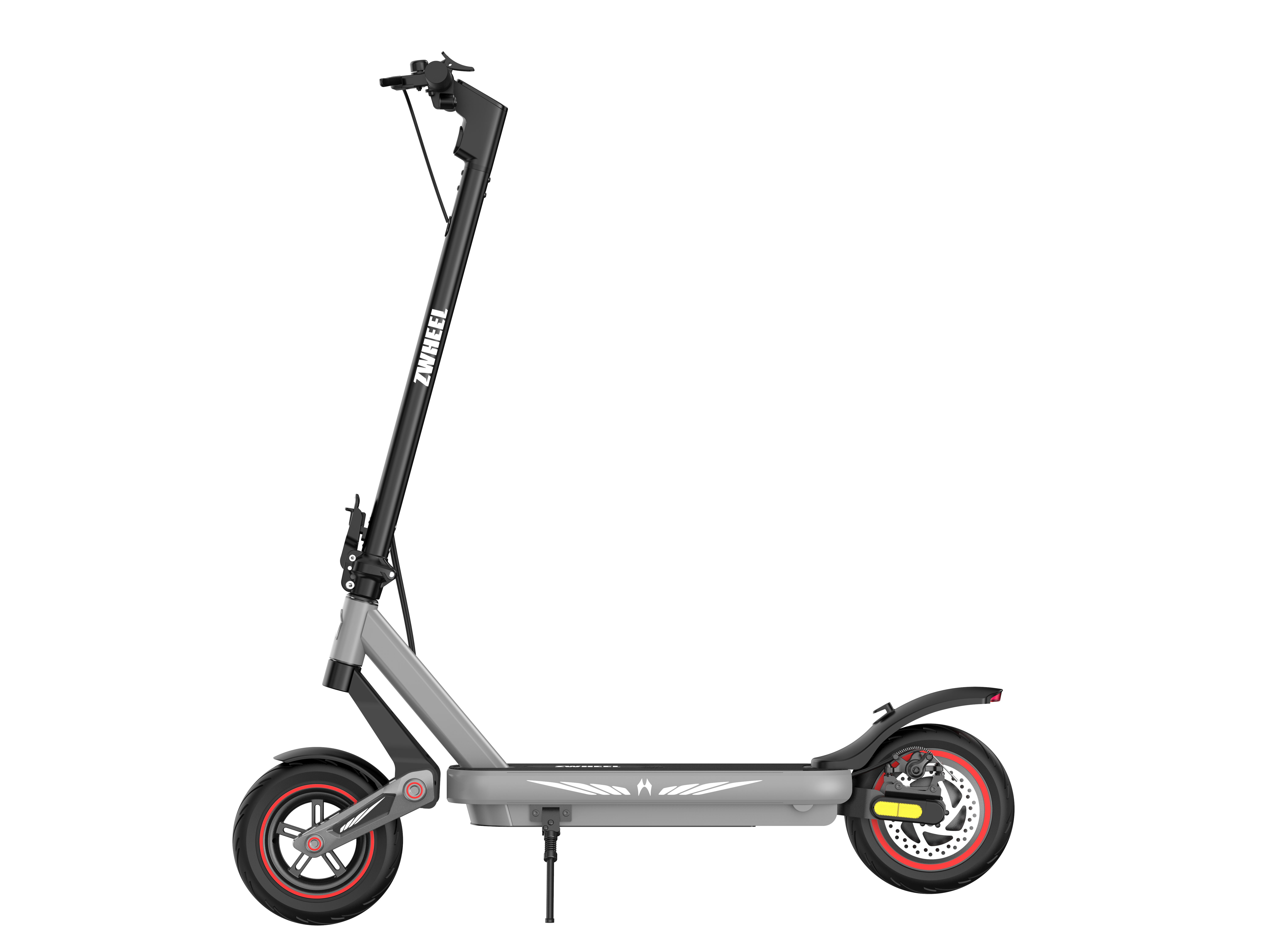
- 1. Clamp-Style Adjustment
- 2. Twist-Lock Adjustment
- 3. Bolt-On Adjustment
- 4. No Adjustment? Try These Workarounds
- Other Comfort Adjustments to Pair with Handlebar Height
- Handlebar Angle
- Grip Thickness and Material
- Stem Height and Suspension
- Common Mistakes to Avoid
- Frequently Asked Questions
- How do I know if my handlebar is too high or too low?
- Can I adjust the handlebar height on any electric scooter?
- Does handlebar height affect the scooter's stability?
- How often should I check my handlebar adjustment?
- What is the best handlebar height for a beginner?
- Conclusion
Why Handlebar Height Matters for Comfort and Control
When you ride an electric scooter, your arms, shoulders, and back are all connected to the handlebars. If the handlebars are too low, you'll hunch over, straining your lower back and wrists. If they're too high, you'll have to reach up, causing shoulder and neck tension. The correct height keeps your elbows slightly bent, your back straight, and your weight evenly distributed. This not only prevents fatigue on long rides but also gives you better steering control and stability, especially at higher speeds or on uneven surfaces.
Most modern electric scooters, like those from Zwheel, come with adjustable handlebars. But even if yours don't, there are ways to improve your riding posture. In this guide, we'll walk you through how to set your handlebar height for maximum comfort, how to adjust it on common scooter types, and what to do if your scooter lacks adjustment options.
How to Find Your Ideal Handlebar Height
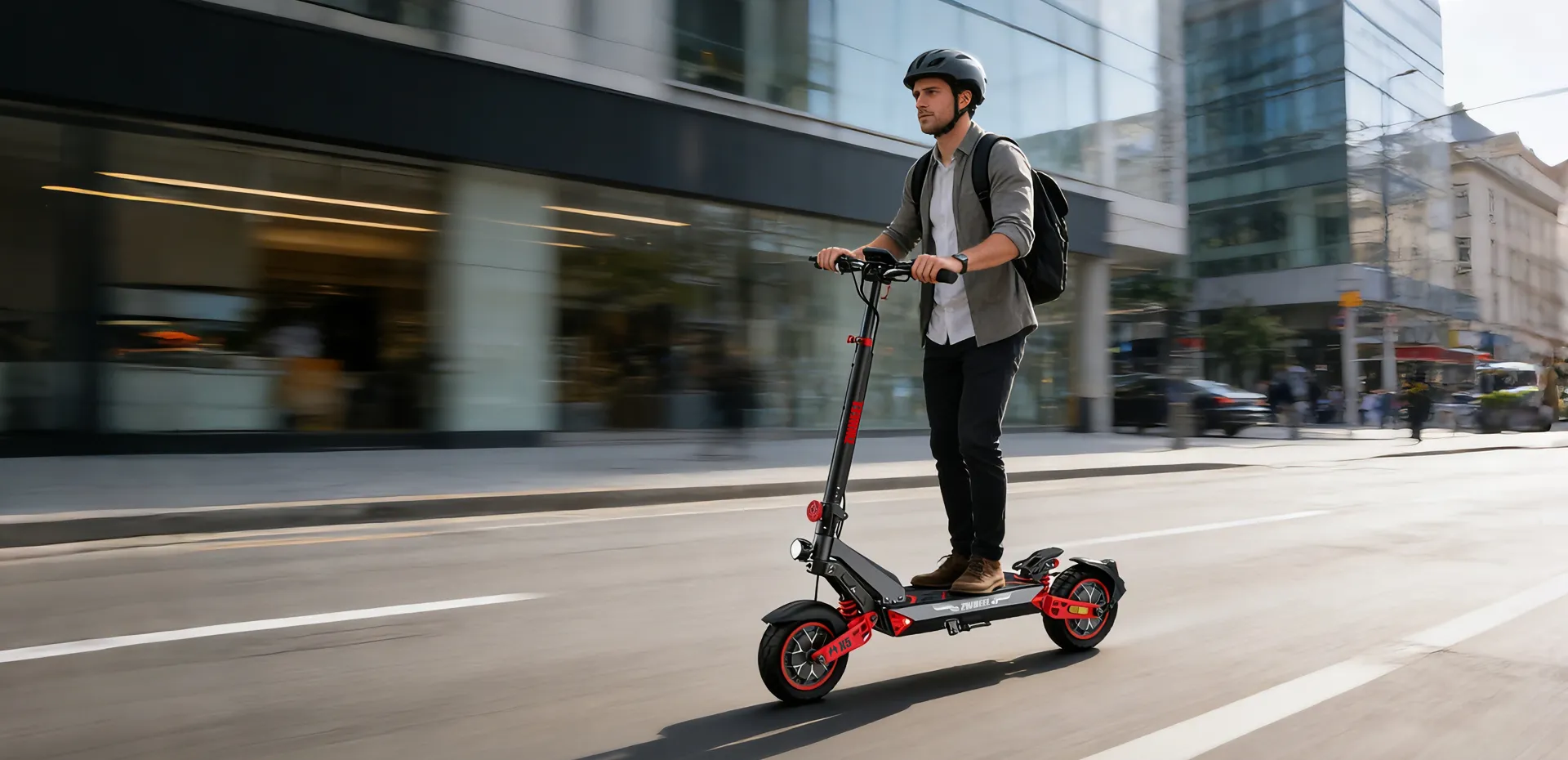
Your ideal handlebar height depends on your height, arm length, and riding style. A simple rule: when standing on the deck, your elbows should be bent at about 90 degrees when your hands rest on the grips. Your back should be straight, and you should be able to easily see the road ahead without tilting your head up.
Step-by-Step Measurement
- Stand on the scooter deck with your feet shoulder-width apart.
- Let your arms hang naturally at your sides.
- Bend your elbows about 90 degrees, as if you're holding a tray.
- Measure the distance from the ground to your hands. That's your ideal handlebar height.
For most adults, this falls between 36 and 42 inches (91-107 cm) from the ground. If you're under 5'5", you'll likely be on the lower end; if you're over 6'0", you'll need the higher end. But remember, personal comfort trumps numbers. If you feel any strain after a 15-minute ride, tweak the height by an inch or two.
Handlebar Height vs. Riding Style
- Commuting: A slightly higher handlebar (near chest level) promotes an upright posture, good for visibility and comfort in traffic.
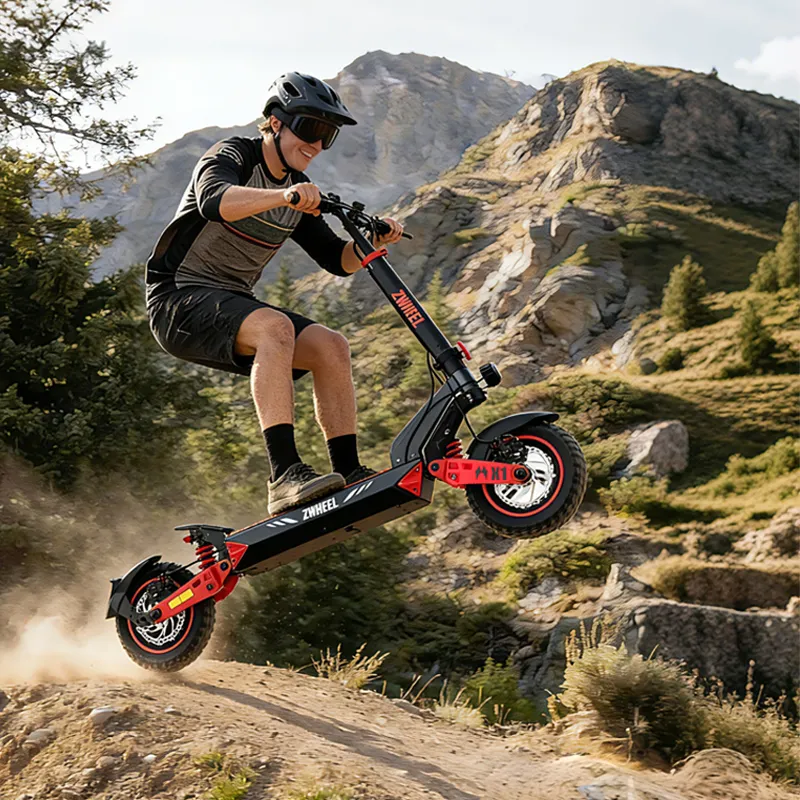
- Off-road: Lower handlebars (near hip level) give you a more aggressive, stable stance for absorbing bumps.
- Racing: Very low handlebars reduce wind resistance but are only for experienced riders on smooth tracks.
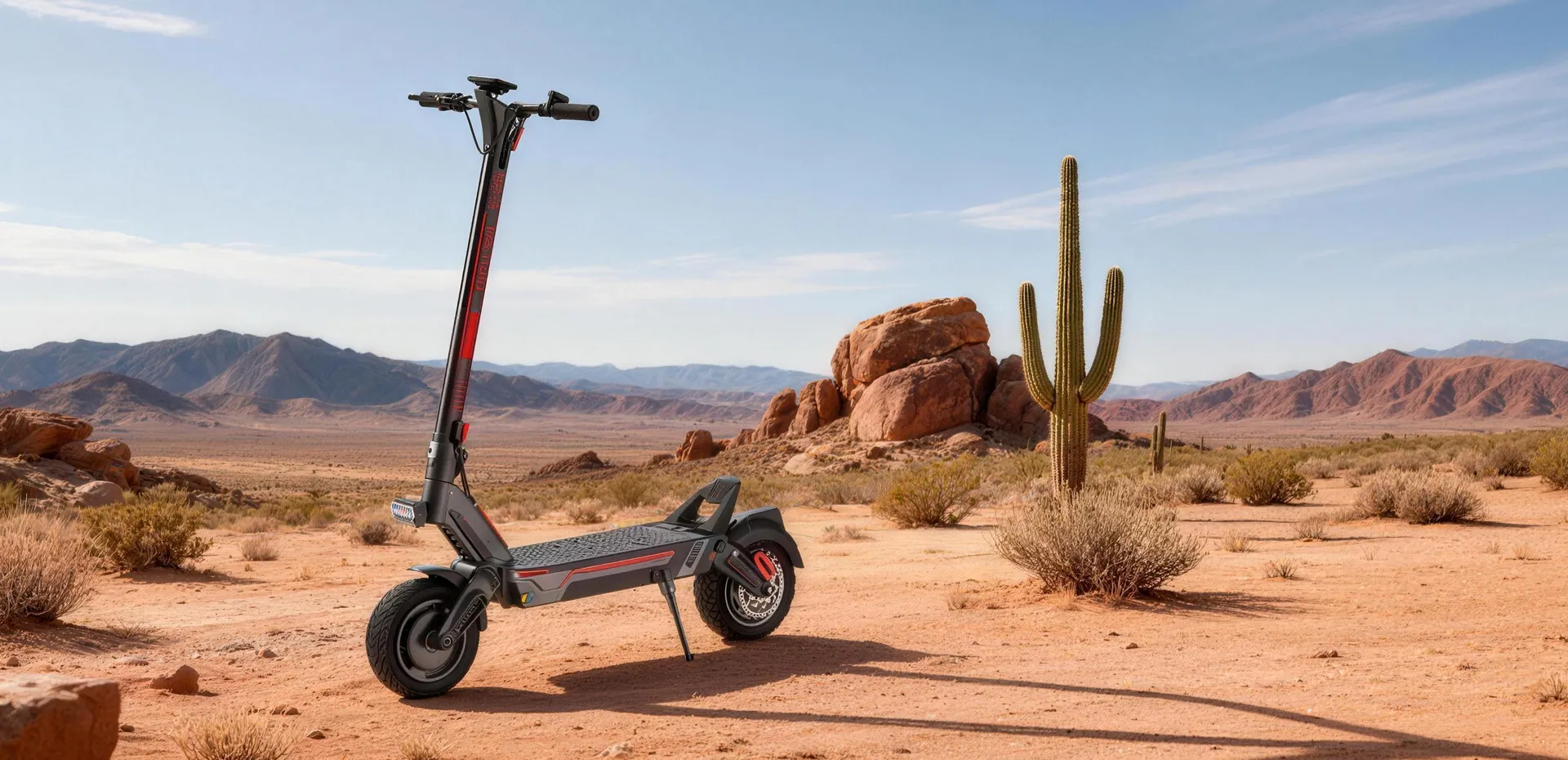
If you're a city commuter, a Zwheel ZSA Plus with its ergonomic handlebar design is a great match. For off-road enthusiasts, the Zwheel ZSB1 offers a sportier stance.
How to Adjust Handlebar Height on Different Scooter Types
Adjustment mechanisms vary by brand and model. Here's how to handle the most common types:
1. Clamp-Style Adjustment
Most commuter scooters use a quick-release clamp. To adjust:
- Open the clamp lever (usually located at the base of the stem).
- Slide the handlebar up or down to the desired height.
- Close the clamp lever until it's snug. You should not be able to twist the handlebar.
Make sure the lever is fully closed before riding. If it feels loose, tighten the bolt inside the clamp with a hex wrench.
2. Twist-Lock Adjustment
Some models use a twist-lock collar. Simply rotate the collar counterclockwise to loosen, adjust the height, then rotate clockwise to tighten. This is common on off-road scooters like the Zwheel D3D-S.
3. Bolt-On Adjustment
If your scooter has a bolt-on stem, you'll need a hex wrench. Loosen the bolts, slide the handlebar to the desired height, then retighten the bolts evenly. This is more secure but less convenient for on-the-go changes.
4. No Adjustment? Try These Workarounds
If your scooter's handlebar is fixed, you can still improve comfort:
- Handlebar risers: These attach to the stem to raise the handlebar by 1-2 inches.
- Grip extenders: Thicker grips can effectively raise your hand position slightly.
- Adjust your stance: Move your feet closer to the stem to shift your center of gravity.
However, if you're considering a new scooter, look for one with a wide adjustment range. The Zwheel ZSB2 offers multiple height settings to fit riders from 5'2" to 6'4".
Other Comfort Adjustments to Pair with Handlebar Height
Handlebar height is just one piece of the puzzle. For a truly comfortable ride, consider these additional tweaks:
Handlebar Angle
Most handlebars can be tilted slightly forward or backward. A slight forward tilt (about 10-15 degrees) keeps your wrists in a neutral position. If you have wrist pain, try a backward tilt to reduce extension.
Grip Thickness and Material
Thicker grips reduce hand fatigue by spreading pressure. Ergonomic grips with finger contours are also available. Look for grips made of soft rubber or gel.
Stem Height and Suspension
If your scooter has a suspension fork, you can often adjust the preload. A softer setting absorbs more bumps but may make the scooter feel less stable. For rough roads, a scooter with dual suspension like the Zwheel ZSD1 is a worthwhile upgrade.
Common Mistakes to Avoid
- Setting the handlebar too high: This puts your shoulders in a shrug position, causing neck and shoulder pain.
- Setting it too low: This forces a hunch, leading to back pain and reduced steering control.
- Forgetting to tighten the clamp: A loose handlebar can turn suddenly, causing a crash.
- Ignoring your riding style: A height perfect for a leisurely ride may be wrong for aggressive off-roading.
Always double-check the tightness before each ride, especially after adjustments.
Frequently Asked Questions
How do I know if my handlebar is too high or too low?
If you feel pain in your shoulders or neck, your handlebar is likely too high. If you feel pain in your lower back or your hands go numb, it's too low. Also, if you find yourself leaning forward excessively, lower the bar.
Can I adjust the handlebar height on any electric scooter?
Not all scooters have adjustable handlebars. Check your manual. If you can't adjust it, consider using risers or choosing a model with a wider adjustment range, such as the Zwheel D3S-S.
Does handlebar height affect the scooter's stability?
Yes. A handlebar set too high can make the front wheel feel twitchy, while one set too low can make it hard to steer. The correct height gives you optimal leverage and control.
How often should I check my handlebar adjustment?
Every time you ride, give the handlebar a quick wiggle to ensure it's tight. If you notice creeping changes in height, check the clamp or bolts monthly.
What is the best handlebar height for a beginner?
For beginners, a handlebar at waist-to-chest level is safest. It offers a balanced, upright posture that's easier to control. As you gain experience, you can experiment with lower heights for a sportier feel.
Conclusion
Adjusting your electric scooter's handlebar height is one of the simplest yet most impactful ways to enhance your riding comfort and safety. By following the steps above, you can find the perfect height for your body and riding style. Remember, a comfortable rider is a safer rider. If your current scooter doesn't offer enough adjustability, consider upgrading to a model like the Zwheel ZSA Plus or Zwheel ZSB2, both designed with rider ergonomics in mind. Ride happy, ride safe!
Автор
Zwheel Team
Член редакционной команды Zwheel.