Electric Scooter IP Rating: Water Resistance Explained
IP ratings decode water and dust resistance for electric scooters. Learn what IP67, IPX4, and IP54 really mean, and how to protect your scooter from rain damage.
Содержание
- Electric Scooter IP Rating: Water Resistance Explained
- What Is an IP Rating?
- The First Digit: Solids (Dust)
- The Second Digit: Liquids (Water)
- What IP Rating Do You Need for an Electric Scooter?
- Common IP Ratings for Electric Scooters (and What They Mean in Practice)
- IPX4: Splash-Resistant (Light Rain Only)
- IP54: Dust-Protected and Splash-Resistant
- IP65: Dust-Tight and Water-Jet Resistant
- IP67: Dust-Tight and Immersion-Resistant
- How Water Damage Happens (Even with a Good IP Rating)
- Practical Tips for Riding in Wet Weather
- Frequently Asked Questions
- Can I ride my electric scooter in the rain?
- What does IPX4 mean on an electric scooter?
- Is IP67 waterproof?
- Can I pressure wash my electric scooter?
- How can I improve my scooter's water resistance?
- Conclusion
Electric Scooter IP Rating: Water Resistance Explained
If you've ever glanced at your scooter's spec sheet and wondered what "IP54" or "IPX4" actually means, you're not alone. The electric scooter IP rating water resistance explained topic is one of the most misunderstood—yet critical—aspects of owning an e-scooter. Get it wrong, and a sudden rainstorm could turn your commute into a costly repair bill. Get it right, and you'll ride with confidence knowing exactly what your scooter can handle.
In this guide, we'll break down IP ratings in plain English, explain what each digit means, and show you how to interpret water resistance for real-world riding. Whether you're a daily commuter or a weekend trail rider, understanding your scooter's IP rating is essential for protecting your investment.
What Is an IP Rating?
IP stands for Ingress Protection (sometimes called International Protection). It's a standardized rating defined by IEC 60529 that tells you how well an electrical enclosure resists solids (like dust and dirt) and liquids (like water). The rating is expressed as two digits: IPXY, where X is the solid particle protection and Y is the liquid protection.
For example, in IP67, the "6" indicates dust tightness, and the "7" indicates protection against temporary immersion. If a digit is replaced by an X (like IPX4), it means the manufacturer hasn't rated that aspect—usually because dust protection isn't the focus.
The First Digit: Solids (Dust)
The first digit ranges from 0 to 6:
- 0: No protection
- 1: Protection against objects >50mm (e.g., hands)
- 2: Objects >12.5mm (fingers)
- 3: Objects >2.5mm (tools, wires)
- 4: Objects >1mm (small tools)
- 5: Dust protected (limited ingress, no harmful effects)
- 6: Dust tight (no ingress at all)
For electric scooters, a dust rating of 5 or 6 is ideal, especially if you ride on unpaved roads or in dusty environments.
The Second Digit: Liquids (Water)
The second digit ranges from 0 to 9K, but for scooters, you'll typically see 4 through 7:
- 0: No protection
- 1: Dripping water (vertical)
- 2: Dripping water (15° tilt)
- 3: Spraying water (60° angle)
- 4: Splashing water (from any direction)
- 5: Water jets (6.3mm nozzle, 12.5 L/min)
- 6: Powerful water jets (12.5mm nozzle, 100 L/min)
- 7: Temporary immersion (up to 1m for 30 min)
- 8: Continuous immersion (beyond 1m, specified by manufacturer)
Most consumer e-scooters are rated IPX4 or IP54, meaning they can handle light rain and splashes but shouldn't be submerged or hosed down.
What IP Rating Do You Need for an Electric Scooter?
The answer depends on your riding conditions. Here's a quick breakdown:
- IPX4 / IP54: Fine for dry climates and occasional light rain. Avoid heavy downpours and puddles.
- IP65 / IP66: Good for regular rain and wet roads. Can handle splashes and light jet spray.
- IP67: Excellent for heavy rain and brief immersion (e.g., crossing shallow puddles). Still not for riding through deep water.
Important: No e-scooter is fully waterproof for riding through flooded streets or leaving in the rain for hours. Even IP67 only guarantees immersion for 30 minutes at 1 meter—and that's in a lab, not on a moving scooter.
Common IP Ratings for Electric Scooters (and What They Mean in Practice)
Let's translate these ratings into real-world scenarios.
IPX4: Splash-Resistant (Light Rain Only)
IPX4 means the scooter can withstand water splashes from any direction. This is the minimum you should accept for urban commuting. You can ride in a drizzle, but avoid puddles and never hose it down. Many budget scooters carry IPX4, including some entry-level models. If you're shopping for a commuter scooter, look for at least IPX4—but be aware that the battery and motor compartments may have additional seals.
IP54: Dust-Protected and Splash-Resistant
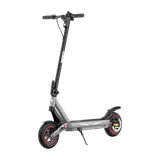
IP54 adds dust protection (limited ingress that doesn't harm operation) to splash resistance. It's a step up from IPX4 and suitable for most city riders. You'll find IP54 on many mid-range scooters. For example, the Zwheel ZSA Plus (800W, $499) is designed for urban commuting and likely carries an IP54 rating—ideal for daily rides in variable weather.
IP65: Dust-Tight and Water-Jet Resistant
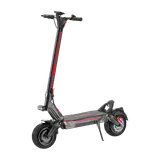
IP65 means the scooter is dust-tight and can withstand low-pressure water jets from a 6.3mm nozzle. This is a solid rating for riding in rain and on wet roads. You can safely ride through puddles up to axle height and clean the scooter with a damp cloth (not a pressure washer). Off-road models like the Zwheel ZSB1 (1200W, $599) often feature IP65 or similar ratings to handle muddy trails and stream crossings.
IP67: Dust-Tight and Immersion-Resistant
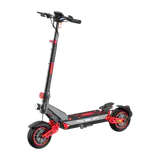
IP67 is the gold standard for consumer e-scooters. It means the scooter can be submerged in up to 1 meter of water for 30 minutes without damage. In practice, this allows you to ride through heavy rain and shallow flooded areas without worry. However, it's not a license to ride through deep water—water can still enter bearings, brakes, and other non-electrical parts. High-performance models like the Zwheel ZSD2 (4000W, $900) may carry IP67 to protect against harsh conditions on mountain trails.
How Water Damage Happens (Even with a Good IP Rating)
Even if your scooter has a high IP rating, water can still cause problems if you're not careful. Here are common failure points:
- Bearings and bushings: Water ingress leads to rust and premature wear.
- Brake discs and pads: Water reduces braking efficiency and causes corrosion.
- Throttle and display: These are often less protected than the battery and motor.
- Charging port: Always ensure the port cover is securely closed before riding in wet conditions.
- Connectors and wiring: Water can seep into exposed connectors, causing shorts.
To minimize risk, avoid riding through deep puddles (more than 10cm), dry your scooter after riding in rain, and store it indoors.
Practical Tips for Riding in Wet Weather
If you must ride in the rain, follow these guidelines:
- Check your scooter's IP rating before heading out. If it's IPX4, consider waiting for the rain to pass.
- Reduce speed and increase braking distance—wet roads are slippery.
- Avoid puddles and standing water, which can hide potholes and exceed your scooter's immersion limits.
- Dry your scooter with a microfiber cloth after riding, especially around the deck, stem, and charging port.
- Never pressure wash your scooter, even if it's IP67. High-pressure water can force past seals.
- Lubricate moving parts (like folding mechanisms) regularly to prevent rust.
- Inspect seals and gaskets periodically for wear and tear.
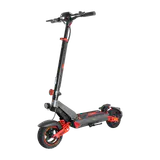
For commuters facing frequent rain, consider a scooter with IP65 or higher. The Zwheel D3S-S (1000W, $600) offers a balance of performance and weather resistance for city riding.
Frequently Asked Questions
Can I ride my electric scooter in the rain?
It depends on the IP rating. If your scooter is IPX4 or higher, it can handle light rain. For moderate to heavy rain, aim for IP65 or IP67. Always avoid deep puddles and dry your scooter afterward.
What does IPX4 mean on an electric scooter?
IPX4 means the scooter is protected against water splashes from any direction. It's suitable for light rain but not for immersion or high-pressure water jets.
Is IP67 waterproof?
IP67 is not fully waterproof—it means the device can withstand temporary immersion in up to 1 meter of water for 30 minutes. It's water-resistant for practical purposes but not for continuous underwater use.
Can I pressure wash my electric scooter?
No. Even with a high IP rating, pressure washing can force water past seals and damage bearings, electronics, and connectors. Use a damp cloth and mild detergent instead.
How can I improve my scooter's water resistance?
You can apply dielectric grease to connectors, use silicone sealant around gaps (carefully), and always keep the charging port cover closed. Regular maintenance and drying after wet rides also help.
Conclusion
Understanding electric scooter IP rating water resistance explained is key to protecting your ride and riding safely in wet conditions. Remember: the first digit is for dust, the second for water. For most riders, IP54 is the minimum, IP65 is ideal for rainy climates, and IP67 offers the best protection against the elements. Always ride within your scooter's limits, and don't treat any rating as an invitation to submerge your scooter. With the right knowledge and care, you can enjoy your electric scooter year-round, rain or shine.
Автор
Zwheel Team
Член редакционной команды Zwheel.