Electric Scooter Riding Posture and Back Pain Prevention Guide
Discover how to adjust your electric scooter riding posture to prevent back pain. This guide covers handlebar height, foot placement, core engagement, and the best Zwheel scooters for a comfortable ride.

Содержание
- Why Your Electric Scooter Riding Posture Matters for Back Health
- 1. The Ideal Riding Posture: Neutral Spine, Relaxed Arms
- Stand Tall, Don't Slouch
- Handlebar Height and Reach
- Foot Placement: Staggered or Parallel?
- 2. Common Mistakes That Cause Back Pain (and How to Fix Them)
- Mistake #1: Leaning Forward Too Much
- Mistake #2: Gripping Handlebars Too Tightly
- Mistake #3: Riding with a Rigid Body
- 3. Pre-Ride Stretches and Core Strengthening for Riders
- Quick Warm-Up (5 Minutes)
- Core Exercises to Prevent Back Pain
- 4. Choosing the Right Scooter for Your Back
- 5. Riding Techniques for Pain-Free Commutes
- Scan the Road Ahead
- Take Breaks
- Use Your Core, Not Your Arms
- 6. When to See a Professional
- Frequently Asked Questions
- Can riding an electric scooter cause back pain?
- What is the best posture for riding an electric scooter?
- How can I adjust my scooter to prevent back pain?
- Should I stretch before riding an electric scooter?
- Are electric scooters bad for your spine?
- Conclusion
Why Your Electric Scooter Riding Posture Matters for Back Health
Electric scooters are a fun, eco-friendly way to commute, but poor riding posture can lead to chronic back pain. Many riders hunch over, lock their arms, or stand with uneven weight distribution—all of which stress the spine. Over time, this can cause muscle fatigue, disc compression, and even sciatica. The good news: with a few adjustments to your electric scooter riding posture and back pain prevention techniques, you can ride pain-free for miles.
At Zwheel, we design scooters with ergonomics in mind, but even the best scooter won’t help if you don’t know how to position your body. This guide covers everything from handlebar height to foot placement, plus actionable tips to strengthen your core. Whether you’re a daily commuter or weekend explorer, these strategies will keep your back happy.
1. The Ideal Riding Posture: Neutral Spine, Relaxed Arms
Stand Tall, Don't Slouch
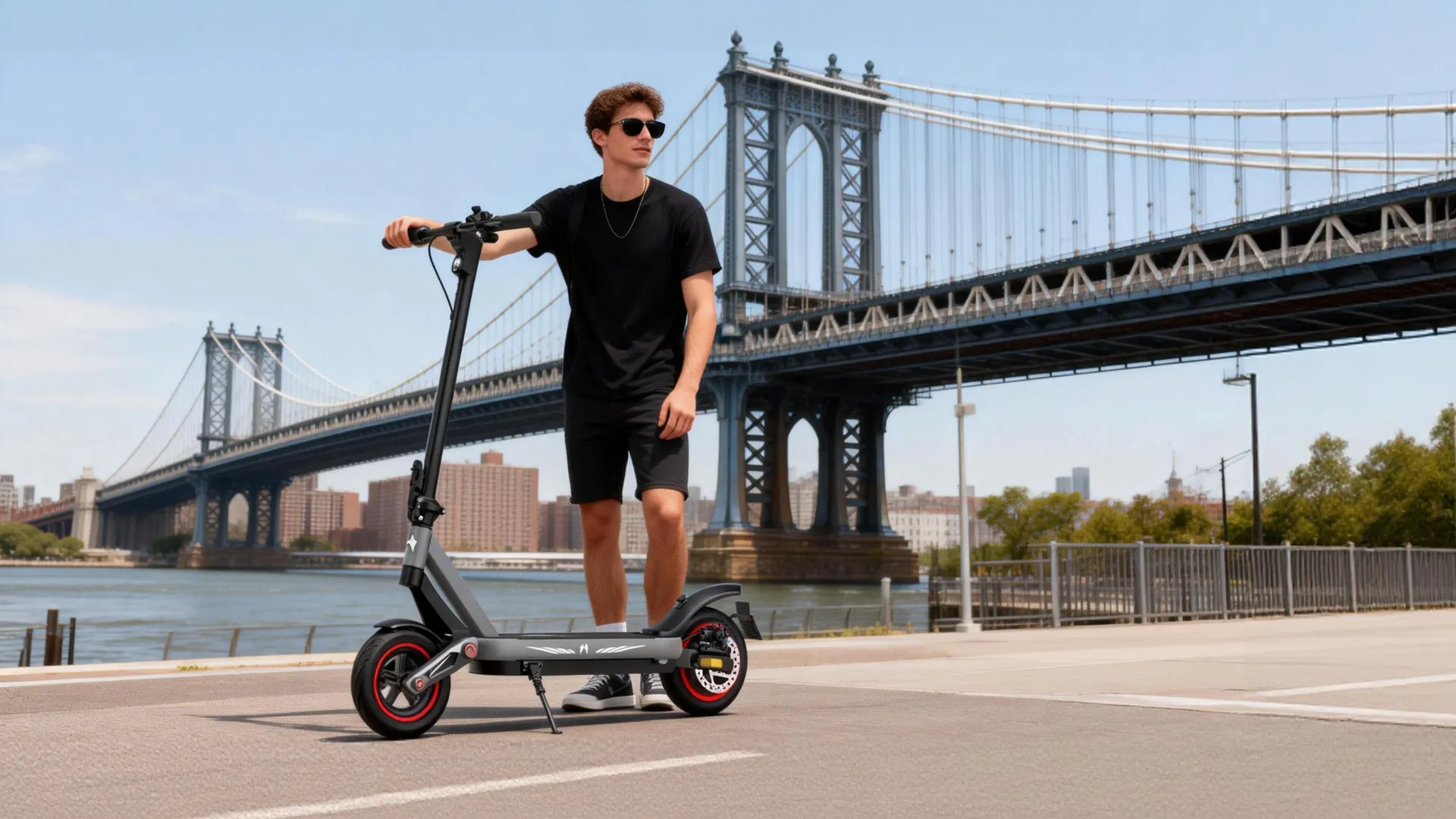
Imagine a string pulling you up from the crown of your head. Your ears, shoulders, hips, and ankles should align vertically. Keep your chest slightly open and shoulders back, not rounded forward. This neutral spine position minimizes stress on your vertebrae.
Handlebar Height and Reach
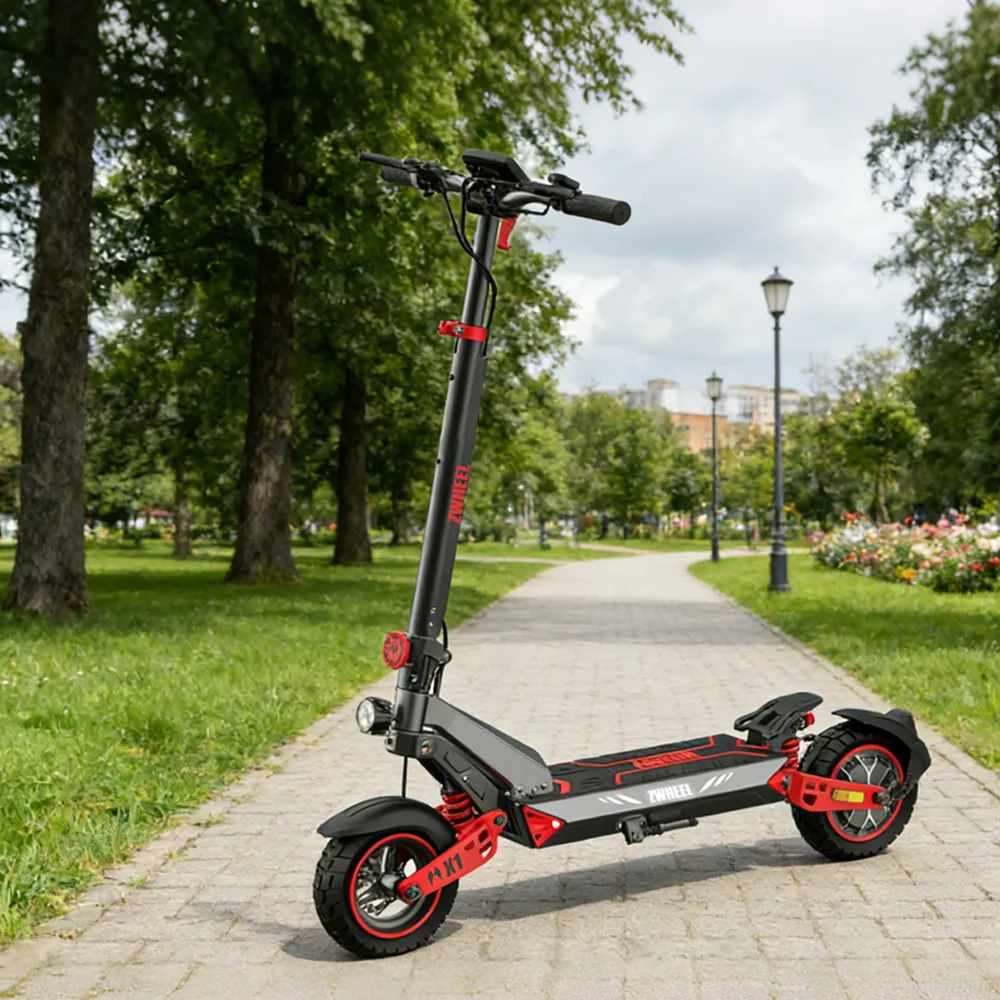
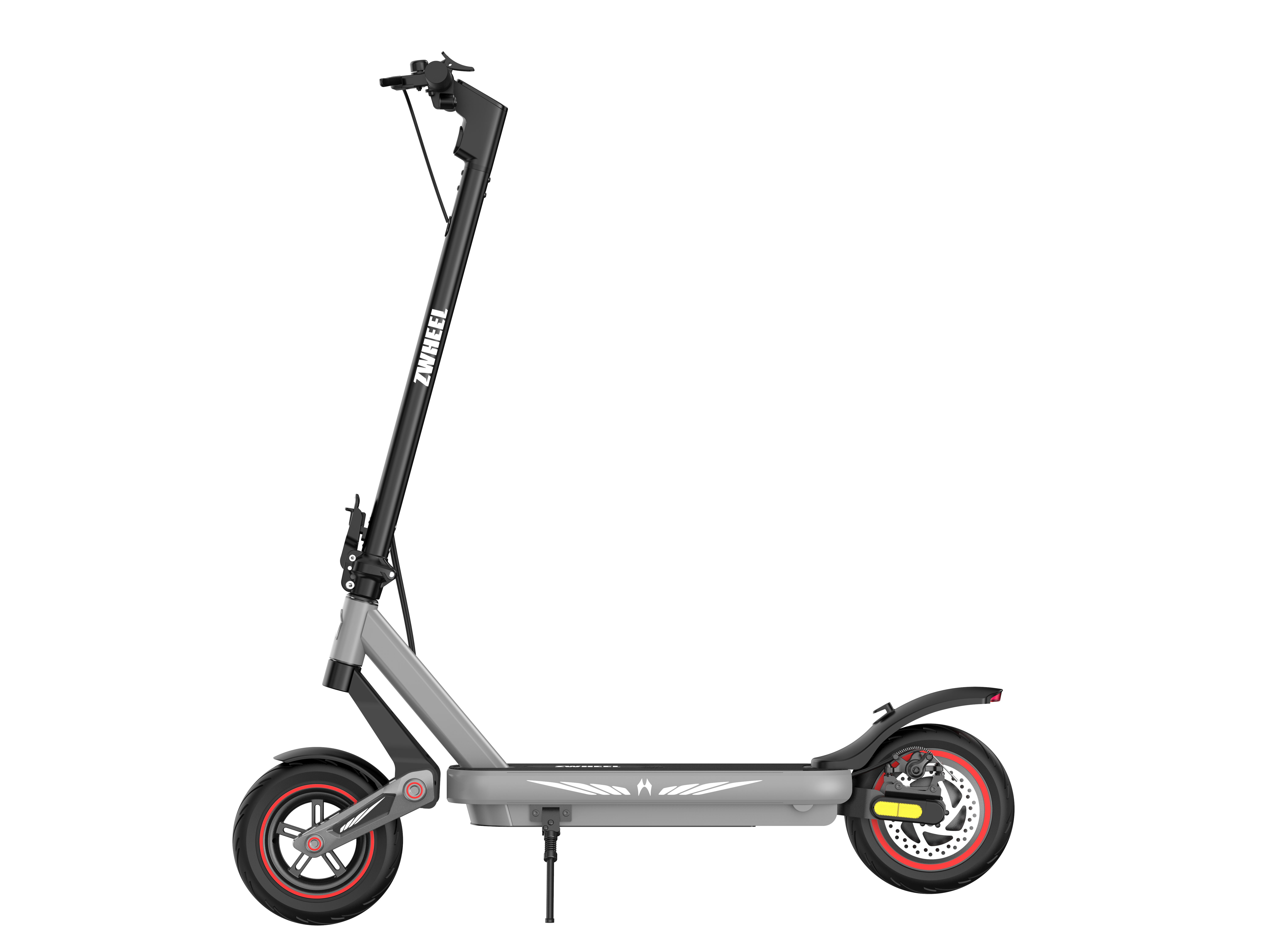
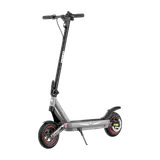
Your handlebars should be at or just below waist height. If they’re too low, you’ll lean forward, straining your lower back. Too high, and you’ll hunch. Most Zwheel models, like the Zwheel ZSA Plus (800W, $499), feature adjustable stems so you can dial in the perfect height. When gripping the bars, keep your elbows bent at a 90-degree angle—this absorbs shocks and reduces tension in your shoulders and neck.
Foot Placement: Staggered or Parallel?
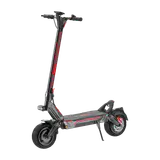
Stand with your feet shoulder-width apart, one foot slightly forward (like a surfer). This “staggered stance” improves balance and allows your knees to act as shock absorbers. Avoid locking your knees; keep them soft and springy. For long rides, shift your weight occasionally between feet to prevent stiffness. The Zwheel D3S-S (1000W, $600) has a wide deck that gives you room to adjust your stance easily.
2. Common Mistakes That Cause Back Pain (and How to Fix Them)
Mistake #1: Leaning Forward Too Much
Riders often lean into the wind or toward the handlebars, putting pressure on the lumbar spine. Fix: Engage your core muscles (draw your navel toward your spine) to support your upper body. If you’re on a powerful scooter like the Zwheel ZSB2 (1500W, $650), use your legs to absorb bumps instead of your arms.
Mistake #2: Gripping Handlebars Too Tightly
A death grip transmits vibration directly to your wrists, shoulders, and back. Fix: Hold the bars with a relaxed, open palm. Use ergonomic grips (many Zwheel scooters come with them) to reduce fatigue. Take one hand off occasionally to shake out tension.
Mistake #3: Riding with a Rigid Body
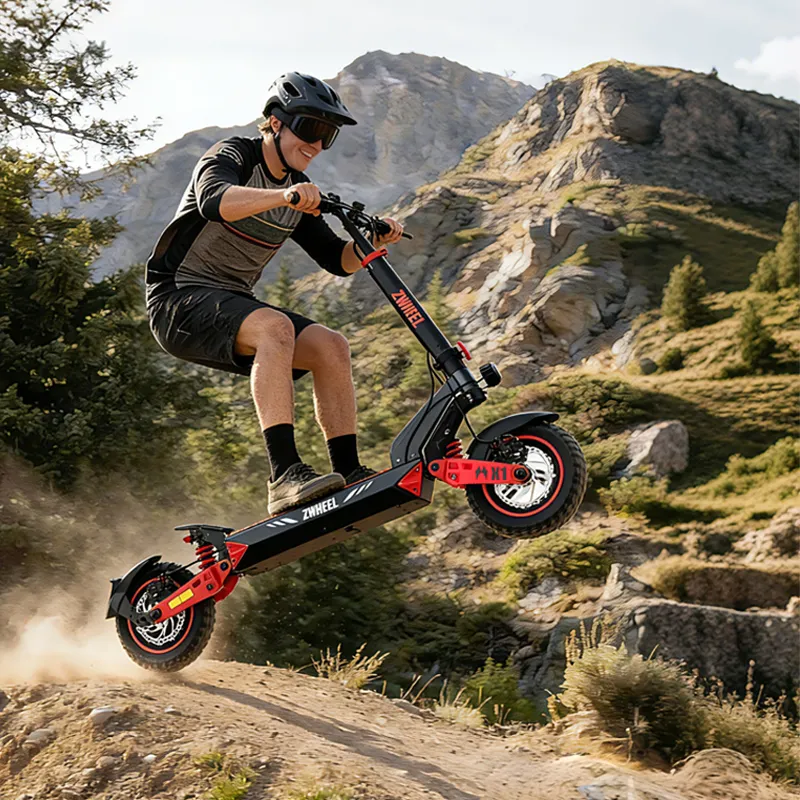
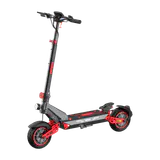
Your body should be a dynamic suspension system. Bend your knees slightly and let your hips move with the scooter. On rough terrain, the Zwheel ZSD1 (2000W, $800) with its dual suspension system absorbs most vibrations, but your knees still need to flex to protect your spine.
3. Pre-Ride Stretches and Core Strengthening for Riders
Quick Warm-Up (5 Minutes)
- Cat-Cow stretch: 10 reps to mobilize the spine.
- Hip circles: 10 each direction to loosen hip flexors.
- Shoulder rolls: 10 backward, 10 forward.
- Ankle rotations: 10 each foot to improve stability.
Core Exercises to Prevent Back Pain
A strong core stabilizes your pelvis and reduces load on your lower back. Try these twice a week:
- Plank: Hold 30-60 seconds, 3 sets.
- Bird-dog: 10 reps per side, slow and controlled.
- Dead bug: 10 reps per side, keeping lower back pressed to floor.
Combine these with regular stretching after rides (focus on hamstrings and hip flexors) to maintain flexibility.
4. Choosing the Right Scooter for Your Back
Not all scooters are ergonomically equal. Look for these features:
- Adjustable handlebars: Must match your height (most Zwheel models offer this).
- Suspension: Front and rear suspension (like the ZSD1) reduces jarring impacts.
- Wide deck: Allows foot repositioning (Zwheel D3S-S and ZSB2 excel here).
- Pneumatic tires: Air-filled tires absorb road vibration better than solid ones.
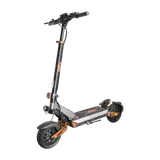
For city commuting, the Zwheel ZSA Plus is lightweight and nimble. For longer off-road adventures, the Zwheel ZSD2 (4000W, $900) offers superior suspension and a comfortable stance.
5. Riding Techniques for Pain-Free Commutes
Scan the Road Ahead
Look 10-15 feet ahead, not down at your feet. This keeps your neck aligned and gives you time to avoid potholes. When you see a bump, bend your knees and let them absorb the impact—don’t brace with your arms.
Take Breaks
Every 20-30 minutes, stop and walk around for 2 minutes. Shake out your legs and do a gentle backbend. This resets your posture and prevents muscle fatigue.
Use Your Core, Not Your Arms
When accelerating or braking, engage your abs and glutes. Your arms should only guide the handlebars, not support your weight. Practice this on a quiet street until it feels natural.
6. When to See a Professional
If you experience persistent pain—especially sharp, shooting, or numbing sensations—consult a physical therapist or chiropractor. They can assess your riding posture and recommend personalized exercises. Many riders find that a simple handlebar adjustment or new foot position eliminates discomfort within a week.
Frequently Asked Questions
Can riding an electric scooter cause back pain?
Yes, if you ride with poor posture on a scooter without suspension or adjustable handlebars. Proper technique and the right scooter (like Zwheel models with adjustable stems and suspension) significantly reduce risk.
What is the best posture for riding an electric scooter?
Stand tall with a neutral spine, elbows bent at 90 degrees, knees soft, and feet staggered shoulder-width apart. Engage your core and keep your gaze forward.
How can I adjust my scooter to prevent back pain?
Set handlebars at waist height, ensure your deck is wide enough for stance adjustments, and use pneumatic tires. Zwheel scooters like the ZSB2 and ZSD1 have these features built-in.
Should I stretch before riding an electric scooter?
Yes. A 5-minute warm-up with cat-cow, hip circles, and shoulder rolls prepares your muscles and reduces injury risk.
Are electric scooters bad for your spine?
Not if ridden correctly. Poor posture and rigid riding cause issues, but with proper technique and an ergonomic scooter, many riders experience no back problems.
Conclusion
Mastering your electric scooter riding posture and back pain prevention is simpler than you think. Start by checking your handlebar height, practicing a staggered stance, and engaging your core. Choose a scooter with adjustable features and suspension—Zwheel’s lineup, from the affordable ZSA Plus to the off-road ZSD2, offers options for every rider. Incorporate pre-ride stretches and take breaks during long commutes. Your back will thank you, and you’ll enjoy every ride pain-free.
Автор
Zwheel Team
Член редакционной команды Zwheel.