Electric Scooter Road Rules & Etiquette: 2026 Guide
Confused about where to ride your e-scooter? This 2026 guide breaks down road rules, local laws, and unwritten etiquette so you can ride safely and respectfully.

Содержание
- Electric Scooter Road Rules and Etiquette: What You Need to Know in 2026
- Where Can You Legally Ride an Electric Scooter?
- Speed Limits and Power Restrictions
- Essential Road Rules for Electric Scooter Riders
- Electric Scooter Etiquette: The Unwritten Rules
- 1. Yield to Pedestrians—Always
- 2. Park Responsibly
- 3. Respect Bike Lanes
- 4. Be Visible and Predictable
- 5. Keep Noise Down
- How to Choose a Scooter That Makes Compliance Easy
- Frequently Asked Questions
- Can I ride my electric scooter on the sidewalk?
- Do I need a license to ride an electric scooter?
- Are helmets mandatory for electric scooter riders?
- What's the maximum legal speed for an electric scooter?
- Can I ride my electric scooter at night?
- Final Thoughts
Electric Scooter Road Rules and Etiquette: What You Need to Know in 2026
Electric scooters have become a staple of urban mobility, but as their popularity grows, so do the regulations and social expectations. Whether you're a daily commuter or a weekend rider, understanding electric scooter road rules and etiquette is essential for staying safe, avoiding fines, and being a good neighbor on the road. In 2026, many cities have updated their laws to keep pace with new technology—so even if you've been riding for years, it's worth a refresher.
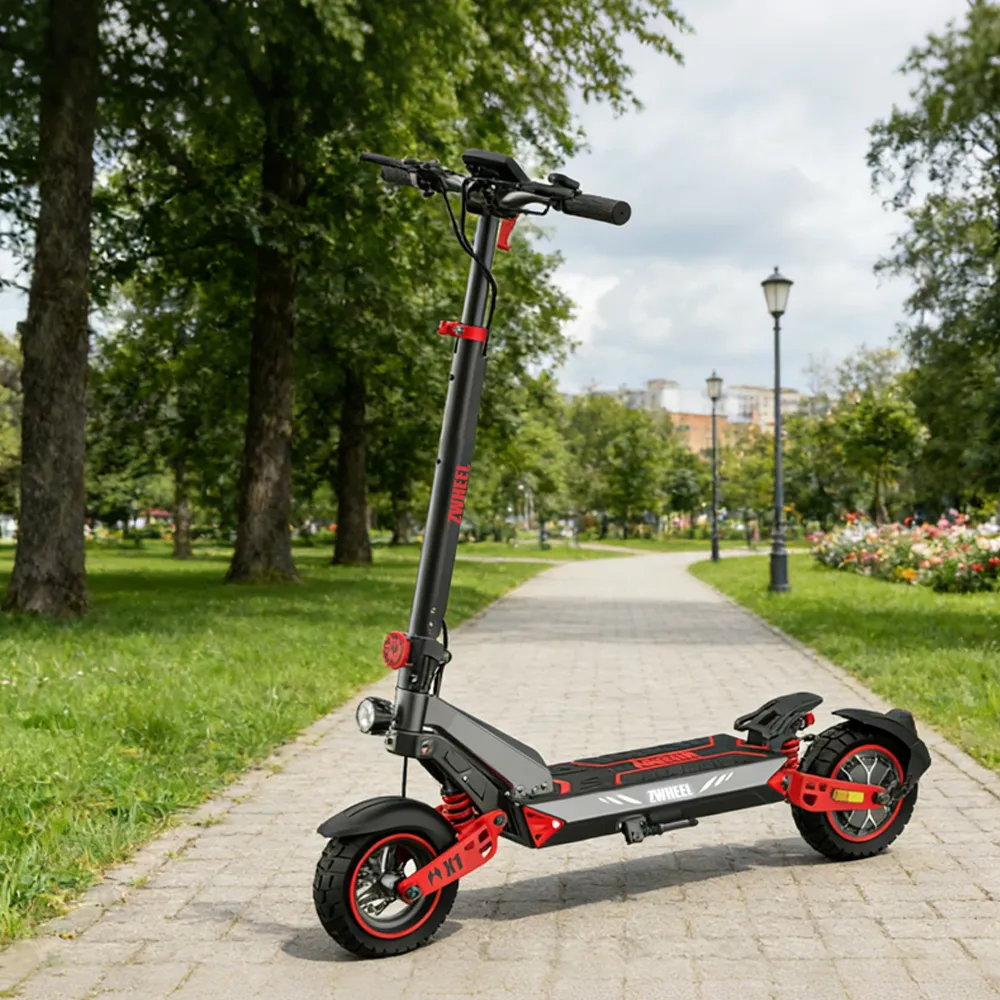
This guide covers the key legal requirements, practical riding tips, and unwritten rules that every e-scooter owner should know. We'll also highlight how choosing the right scooter—like those from Zwheel—can make compliance easier and your ride more enjoyable.
Where Can You Legally Ride an Electric Scooter?
The short answer: it depends on your location. In most U.S. states and many European countries, electric scooters are classified as either "motorized scooters" or "electric bicycles," which determines where they can be ridden. As of 2026, common rules include:
- Bike lanes and paths: Generally allowed in most jurisdictions, provided your scooter's top speed is capped at 15–20 mph (24–32 km/h).
- Roadways: Often permitted on streets with speed limits of 25–35 mph, but usually not on highways or roads with higher limits.
- Sidewalks: Frequently prohibited for adult riders, though some cities allow them if you ride at walking speed (under 8 mph) and yield to pedestrians.
- Trails and parks: Rules vary widely; check local park regulations. Some allow e-scooters on paved paths only, while others ban them entirely.
Always verify your local ordinances—city websites and departments of transportation are the best sources. For example, cities like San Francisco and New York have specific caps on speed and wattage. If you're unsure, a good rule of thumb is to ride where bicycles are allowed and avoid pedestrian-heavy zones.
Speed Limits and Power Restrictions
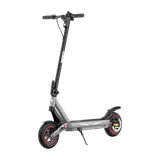
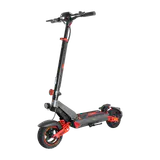
Many regions now enforce speed limits for e-scooters, typically 15 mph (24 km/h) on bike paths and 20 mph (32 km/h) on roads. Some areas also restrict motor wattage—often to 750W or 1000W—to be classified as a legal scooter. If you're in the market for a compliant commuter, consider the Zwheel ZSA Plus (800W, $499), which hits a top speed of 20 mph and is ideal for city riding. For those who need a bit more power for hills, the Zwheel D3S-S (1000W, $600) offers a balance of performance and legality in most areas.
Essential Road Rules for Electric Scooter Riders
Beyond knowing where to ride, you must follow the same rules as other vehicles. Here are the most important ones:
- Obey traffic signals and signs: Stop at red lights, yield at crosswalks, and follow one-way streets.
- Ride with the flow of traffic: Always travel in the same direction as cars, unless you're in a designated contraflow bike lane.
- Use hand signals: Signal turns and stops to communicate with drivers and other riders.
- Never ride under the influence: DUI laws apply to e-scooters in many states.
- Wear a helmet if required: Some cities mandate helmets for all riders; others require them only for minors. Regardless, we strongly recommend one.
- Equip your scooter with lights and reflectors: Most laws require a white front light and red rear reflector for night riding.
Penalties for violations can range from $50 to $500, so it pays to know the rules.
Electric Scooter Etiquette: The Unwritten Rules
Laws are only half the story. Being a courteous rider goes a long way toward improving safety and public perception. Here's what experienced riders do:
1. Yield to Pedestrians—Always
Pedestrians have the right of way, especially on shared paths and sidewalks. Slow down when approaching, announce your presence with a bell or a polite "on your left," and pass at a walking pace. Avoid weaving through crowds or riding aggressively.
2. Park Responsibly
Don't leave your scooter blocking sidewalks, doorways, or accessibility ramps. Use designated parking areas or lean it against a wall where it won't obstruct foot traffic. Many cities now fine improperly parked scooters.
3. Respect Bike Lanes
Bike lanes are for bikes and e-scooters—not for cars or pedestrians. When riding in a bike lane, keep a steady line, avoid sudden swerves, and don't ride side-by-side with other scooters unless there's ample space.
4. Be Visible and Predictable
Wear bright clothing, use lights at night, and signal your intentions. Predictability reduces accidents. Avoid riding in blind spots and always assume drivers haven't seen you.
5. Keep Noise Down
Excessive honking or revving is a nuisance. Use your bell sparingly and avoid riding in quiet residential areas late at night.
How to Choose a Scooter That Makes Compliance Easy
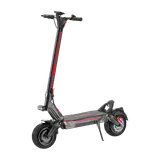
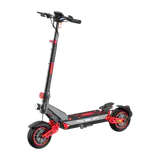
The right scooter can help you stay within legal limits while enjoying your ride. Look for models with speed governors, bright integrated lights, and reliable brakes. For off-road enthusiasts, the Zwheel ZSB1 (1200W, $599) offers adjustable speed modes, so you can dial down the power when riding in regulated areas. And if you're a thrill-seeker, the Zwheel ZSE2 (6000W, $1400) is a racing beast—but remember to keep it on private property or tracks, as it exceeds legal limits for public roads.
Always check your local laws before buying a high-powered scooter. Many states require registration and insurance for scooters over a certain wattage.
Frequently Asked Questions
Can I ride my electric scooter on the sidewalk?
In most cities, no—adult riders are generally prohibited from riding on sidewalks. Some areas allow it if you keep speed under 8 mph and yield to pedestrians, but it's best to stick to bike lanes or roads.
Do I need a license to ride an electric scooter?
In most places, no license is required for scooters under 750W–1000W. However, some states require a driver's license for higher-powered models, and you may need to be at least 16 years old.
Are helmets mandatory for electric scooter riders?
It varies by location. Many cities require helmets for all riders, while others only mandate them for those under 18. Even if not required, wearing a helmet is strongly recommended for safety.
What's the maximum legal speed for an electric scooter?
Typically 15–20 mph (24–32 km/h) on public roads and bike paths. Some states cap it at 15 mph, so check your local regulations.
Can I ride my electric scooter at night?
Yes, but you must have proper lighting: a white front light and a red rear reflector are usually required. Reflective clothing is also a smart idea.
Final Thoughts
Understanding electric scooter road rules and etiquette is key to a safe, enjoyable riding experience. Laws are evolving, so stay informed and ride responsibly. Whether you're commuting on a Zwheel ZSA Plus or hitting the trails on a ZSB1, respecting others and following the rules ensures that e-scooters remain a welcome part of our transportation landscape. Ride smart, ride courteous, and enjoy the journey.
Автор
Zwheel Team
Член редакционной команды Zwheel.