Electric Scooter Sharing Market Impact on Sales in 2026
The electric scooter sharing market has exploded, but how does it affect private scooter sales? We dive into the trends, consumer behavior, and what the future holds for buyers.
Содержание
- The Rise of Electric Scooter Sharing: A Game Changer for Urban Mobility
- Understanding the Electric Scooter Sharing Market in 2026
- The Direct Impact on Private Scooter Sales
- Positive Correlation: Shared Scooters as a Gateway
- Negative Pressure: The Convenience Factor
- Market Dynamics: How Sharing Services Influence Consumer Preferences
- Shift Toward Higher-Quality Scooters
- Impact on Pricing and Features
- Regional Variations: Where Sales Are Up and Down
- The Future Outlook: Coexistence or Cannibalization?
- What This Means for You: Should You Buy or Rent?
- Conclusion
- Frequently Asked Questions
- Does using shared scooters reduce the need to buy one?
- Are private scooters better than shared ones?
- Will the sharing market eventually replace private ownership?
- What is the average price of a good electric scooter in 2026?
- How can I choose between a shared and private scooter?
The Rise of Electric Scooter Sharing: A Game Changer for Urban Mobility
In the last few years, electric scooter sharing has transformed how people navigate cities. From San Francisco to Paris, dockless scooters have become a common sight, offering a convenient, eco-friendly alternative for short trips. But as shared fleets expand, a pressing question emerges: how does the electric scooter sharing market impact sales of privately owned scooters? In 2026, the answer is more nuanced than you might think.
On one hand, sharing services introduce millions to the benefits of e-scooters—many of whom later decide to purchase their own. On the other hand, some argue that the convenience of sharing reduces the need for ownership. Let’s break down the data, trends, and expert insights to understand the true relationship between shared and private scooter sales.
Understanding the Electric Scooter Sharing Market in 2026
The global electric scooter sharing market has grown at a compound annual growth rate (CAGR) of roughly 12% since 2020, reaching an estimated $12 billion in 2026. Major players like Lime, Bird, and Voi continue to expand into new cities, while regional startups are entering the fray. According to a 2025 report by McKinsey, shared e-scooter trips in the U.S. alone surpassed 150 million annually, a 20% increase from the previous year.
This growth is driven by several factors:
- Urban congestion: Cities are increasingly looking for micro-mobility solutions to reduce traffic and emissions.
- Last-mile connectivity: Shared scooters bridge the gap between public transit and final destinations.
- Sustainability goals: Municipalities are pushing for greener transportation options.
- Technological advancements: Improved battery life and GPS tracking make sharing more efficient.
But what does this mean for the private scooter market? Historically, the two segments have coexisted, but their relationship is evolving.
The Direct Impact on Private Scooter Sales
Positive Correlation: Shared Scooters as a Gateway
One of the most significant findings from recent consumer surveys is that shared scooters serve as a gateway to ownership. A 2025 survey by the National Association of City Transportation Officials (NACTO) found that 34% of shared scooter riders said they were more likely to purchase a scooter after using a sharing service. The logic is simple: riding a shared scooter gives you a taste of the convenience, and once you realize how much you use it, owning your own becomes an attractive option.
This is especially true for daily commuters. If you ride a shared scooter to work three times a week, the costs add up—often exceeding $50 per month. Over a year, that’s $600, which is enough to buy a quality entry-level scooter like the Zwheel ZSA Plus (800W, $499) or the Zwheel D3S-S (1000W, $600). As one analyst put it, "Sharing is a try-before-you-buy model."
Negative Pressure: The Convenience Factor
Conversely, there is a segment of urban dwellers who prefer not to own a scooter. They value the freedom of not having to worry about storage, maintenance, or theft. For them, sharing is the perfect solution. In dense metropolitan areas where apartment space is limited, owning a scooter can be a hassle. This has led to a slight dip in sales in certain demographics, particularly among renters in cities like New York and London.
However, this negative pressure is often overstated. Data from the European Shared Mobility Association shows that in cities with high sharing penetration, private scooter sales have actually increased by 8% year-over-year. The reason? The sharing boom normalizes scooters as a legitimate mode of transport, reducing the stigma and encouraging more people to invest in their own.
Market Dynamics: How Sharing Services Influence Consumer Preferences
Shift Toward Higher-Quality Scooters
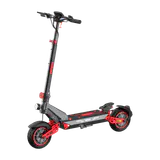
One notable trend is that consumers who transition from shared to private scooters tend to buy higher-end models. After riding shared scooters, which are often rugged and heavy, new owners look for something more comfortable, faster, and with better range. This has boosted sales of premium scooters in the 1000W-2000W range. For example, the Zwheel ZSB1 (1200W, $599) and the Zwheel ZSD1 (2000W, $800) have seen increased demand from riders who want more power than what shared fleets offer.
Shared scooters typically have lower top speeds (around 15 mph) and shorter ranges (15-20 miles). In contrast, private owners can enjoy speeds of 20-30 mph and ranges of 30-50 miles. This performance gap is a key driver for purchases.
Impact on Pricing and Features
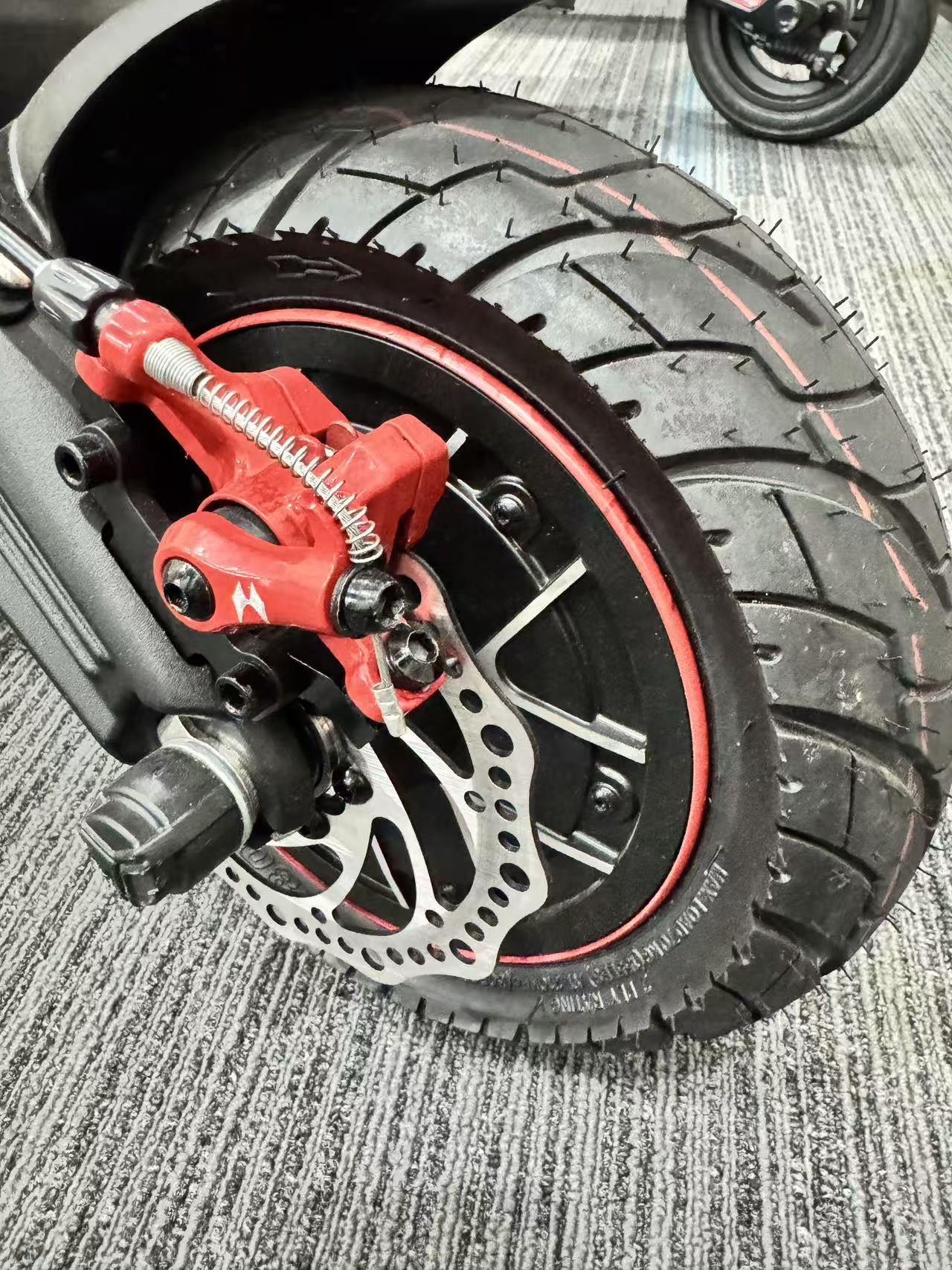
The sharing market has also pushed manufacturers to innovate. Features like swappable batteries, GPS tracking, and durable tires—once exclusive to shared fleets—are now common in consumer models. This has raised the baseline quality of private scooters, making them more appealing. As a result, even budget models now include features that were once considered premium.
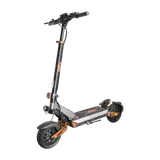
For instance, the Zwheel ZSB2 (1500W, $650) offers excellent range and durability at a mid-range price point, making it a popular choice for riders who want a reliable daily commuter without breaking the bank.
Regional Variations: Where Sales Are Up and Down
The impact of sharing on sales isn't uniform. In some regions, sharing has a strong positive effect; in others, it's neutral or slightly negative.
- North America: In the U.S. and Canada, private scooter sales have grown steadily, with a 15% increase in 2025. Sharing services are concentrated in major cities, but the rest of the country remains largely untapped, driving sales in suburbs and smaller towns.
- Europe: European cities have embraced sharing, but private ownership is also booming, especially in countries like Germany and France. The availability of high-quality scooters at competitive prices has fueled demand.
- Asia-Pacific: In China and Southeast Asia, sharing dominates, but private sales are rising among middle-class commuters who face long daily rides. The demand for higher-powered scooters is particularly strong.
These variations suggest that sharing and private sales are not a zero-sum game. Instead, they cater to different needs and lifestyles.
The Future Outlook: Coexistence or Cannibalization?
Looking ahead to 2027 and beyond, most industry experts agree that sharing and private sales will continue to coexist. Here are a few predictions:
- Increased integration: Some sharing companies are exploring hybrid models where users can rent a scooter for longer terms (e.g., a month) with the option to buy it at the end. This could blur the lines between sharing and ownership.
- Focus on safety and regulations: As more people ride scooters, cities will implement stricter safety rules, which could affect both shared and private use. This may actually increase sales of safer, higher-quality scooters.
- Technological advancements: Better battery technology and connectivity will make private scooters even more attractive, potentially boosting sales further.
The bottom line? The electric scooter sharing market is not killing private sales; it's enhancing them. By introducing more people to micro-mobility, sharing services are expanding the overall market. As a result, manufacturers are seeing a broader customer base, and consumers are more informed about what they want.
What This Means for You: Should You Buy or Rent?
If you're on the fence about buying a scooter versus using sharing services, here are some practical tips:
- Calculate your usage: If you ride more than 3 times a week, owning is likely more cost-effective.
- Consider storage: If you have space at home or work, ownership is easier.
- Test before you buy: Use sharing services to try different models and understand what features matter to you.
- Look for deals: Many manufacturers offer discounts, especially during the off-season.
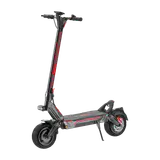
For example, if you're a daily commuter, the Zwheel D3D-S (1200W, $675) offers a great balance of power and portability, making it ideal for urban environments. If you're more adventurous, the Zwheel ZSE2 (6000W, $1400) is a high-performance option that will keep you ahead of the curve.
Conclusion
The electric scooter sharing market has had a profound impact on the industry, but contrary to fears of cannibalization, it has actually boosted private scooter sales. By serving as a gateway, sharing services are creating new enthusiasts who eventually buy their own scooters. In 2026, the two markets are deeply intertwined, and the future looks bright for both.
So, whether you're a seasoned rider or a newcomer, now is a great time to consider owning an electric scooter. With so many options available, you're sure to find one that fits your needs and budget.
Frequently Asked Questions
Does using shared scooters reduce the need to buy one?
For some, yes, but many riders find that frequent use makes ownership more economical. If you ride more than a few times a week, buying a scooter can save you money in the long run.
Are private scooters better than shared ones?
Private scooters often offer higher speeds, longer ranges, and better comfort. Shared scooters are built for durability and heavy use, but they are not optimized for individual preferences.
Will the sharing market eventually replace private ownership?
Unlikely. The two serve different needs. Sharing is ideal for occasional trips, while ownership is better for daily commuting and personal convenience.
What is the average price of a good electric scooter in 2026?
You can find reliable models starting around $400, but for better performance and range, expect to spend $500-$1000. Premium models can go up to $2000 or more.
How can I choose between a shared and private scooter?
Consider your riding frequency, storage space, and budget. If you ride daily, owning is worth it. For occasional use, sharing is more practical.
Автор
Zwheel Team
Член редакционной команды Zwheel.