Electric Scooter with Seat vs Standing: Which Is Better?
Wondering whether to buy an electric scooter with a seat or stick with a standing model? This guide breaks down the pros, cons, and key differences to help you pick the perfect ride for commuting, off-roading, or leisure.
Содержание
- Electric Scooter with Seat vs Standing: Which Is Better?
- Standing Electric Scooters: The Classic Choice
- Pros of Standing Scooters
- Cons of Standing Scooters
- Electric Scooters with Seats: Comfort Meets Utility
- Pros of Seated Scooters
- Cons of Seated Scooters
- Key Comparisons: Seated vs Standing Scooters
- Comfort and Riding Position
- Safety and Stability
- Portability and Storage
- Range and Battery Life
- Terrain and Use Case
- Which One Should You Choose? A Decision Framework
- Top Zwheel Models for Each Style
- Best Standing Scooters
- Best Seated Scooters
- Final Verdict: Electric Scooter with Seat vs Standing
- Frequently Asked Questions
- Can I add a seat to my standing electric scooter?
- Are seated electric scooters safer than standing ones?
- Do electric scooters with seats have less range?
- Which is better for off-road: seated or standing?
- How much does a good electric scooter with a seat cost?
Electric Scooter with Seat vs Standing: Which Is Better?
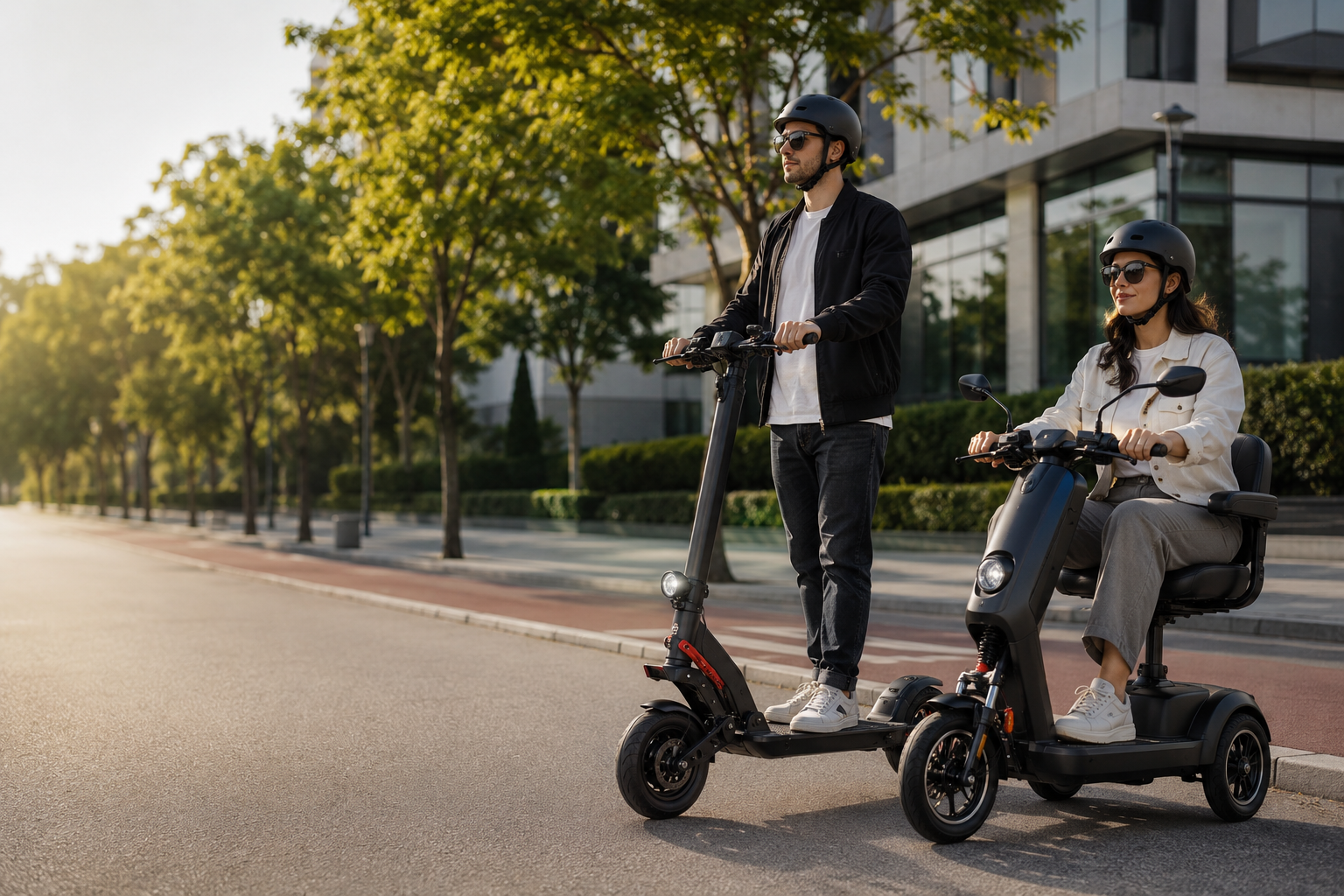
If you're shopping for an electric scooter in 2026, you've probably noticed a big debate: should you get an electric scooter with a seat or stick with a traditional standing model? Both options have passionate fans, and the truth is, there's no one-size-fits-all answer. Your choice depends on how you plan to ride, your commute distance, your comfort preferences, and even your local terrain.
In this guide, we'll break down the key differences between seated and standing electric scooters, covering comfort, safety, portability, battery life, and real-world performance. By the end, you'll know exactly which style fits your lifestyle. Plus, we'll highlight some top models from Zwheel that excel in each category.
Standing Electric Scooters: The Classic Choice
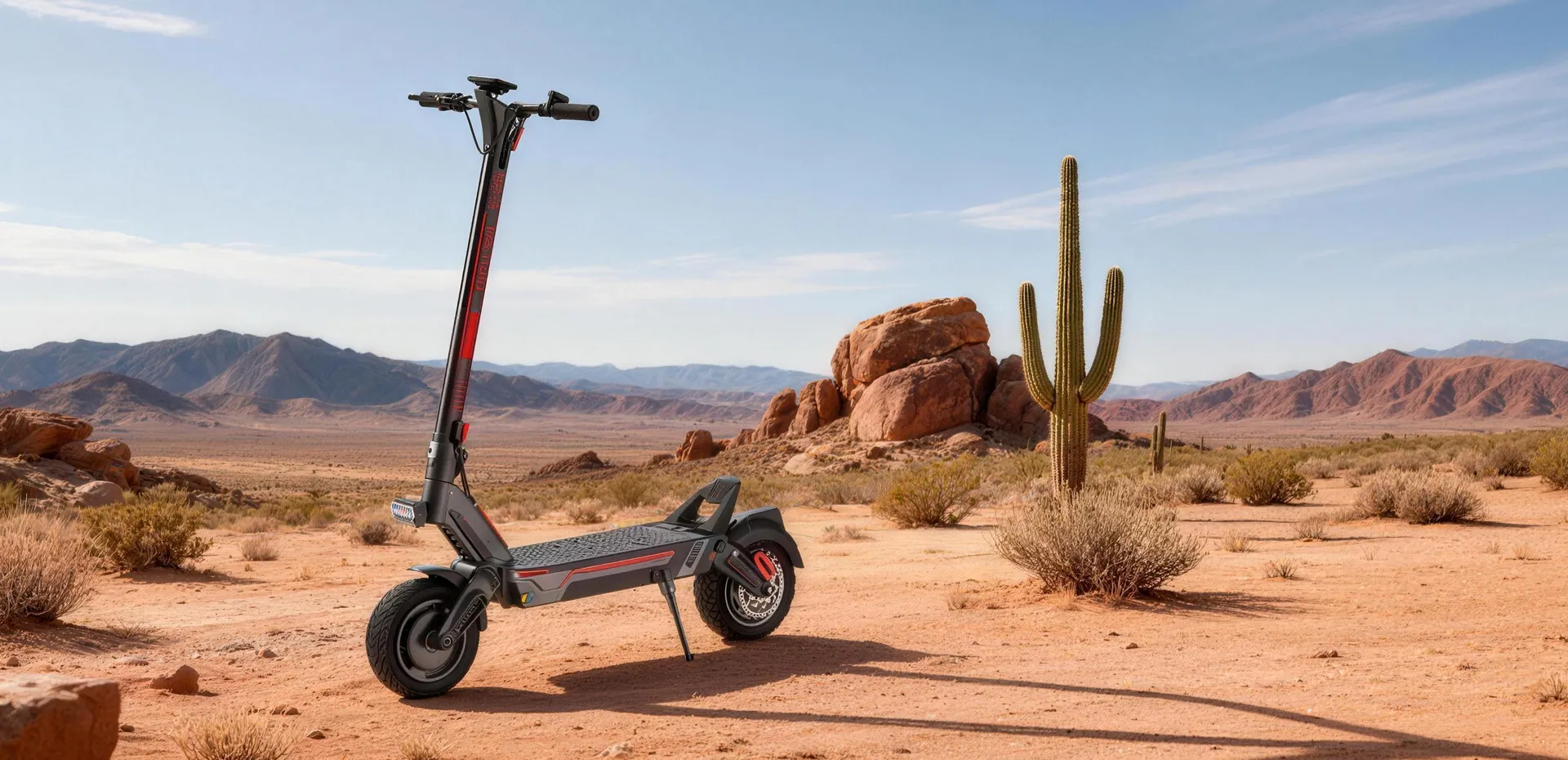
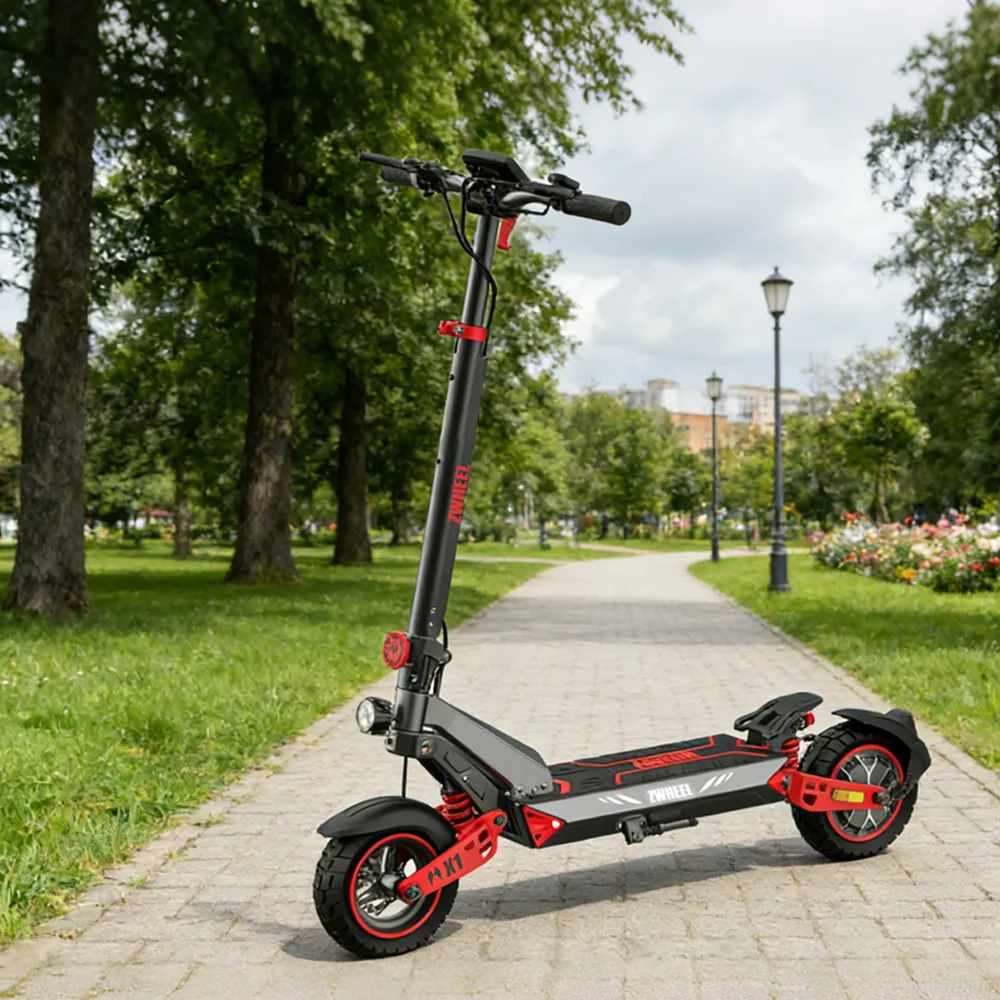
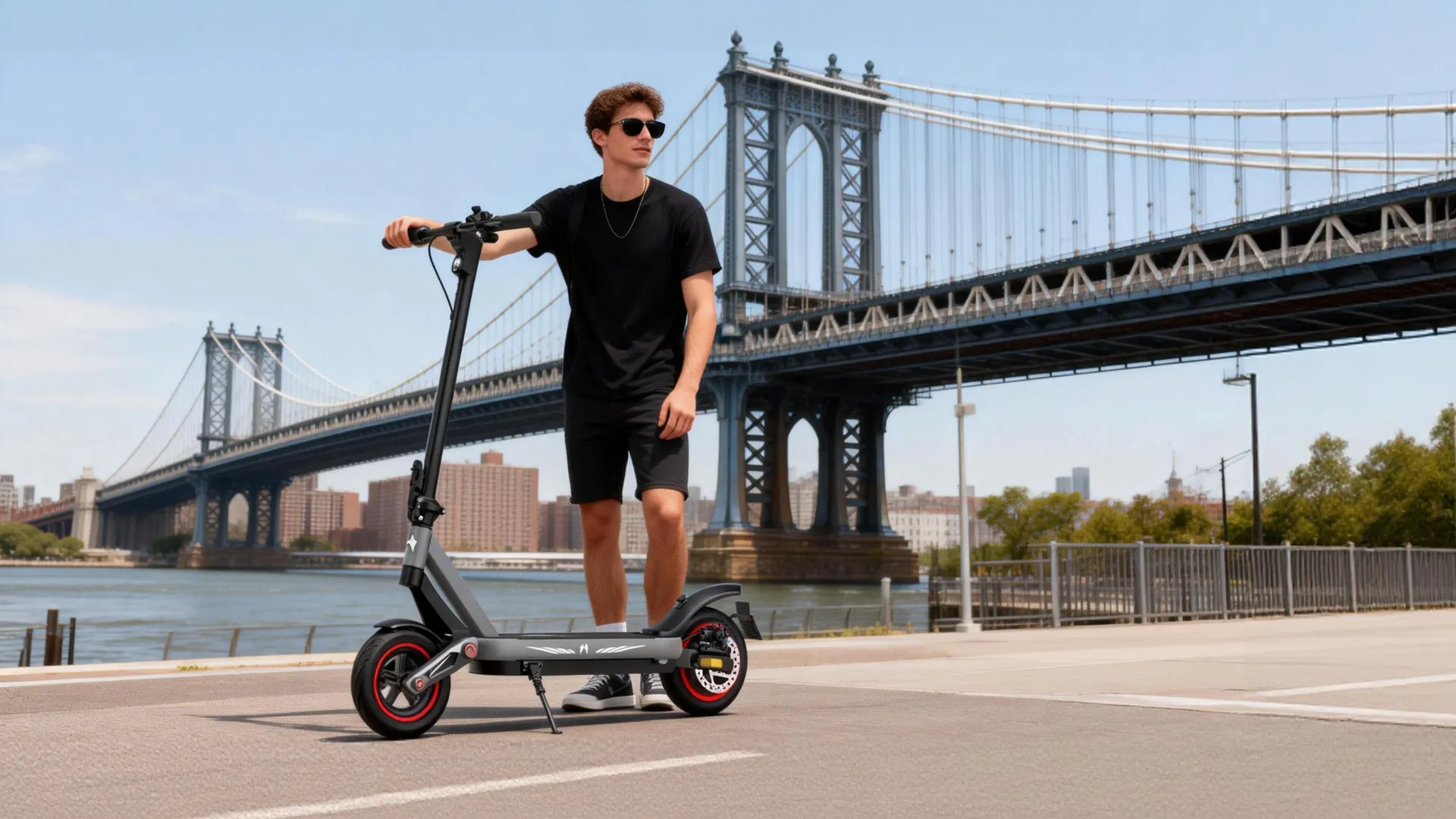
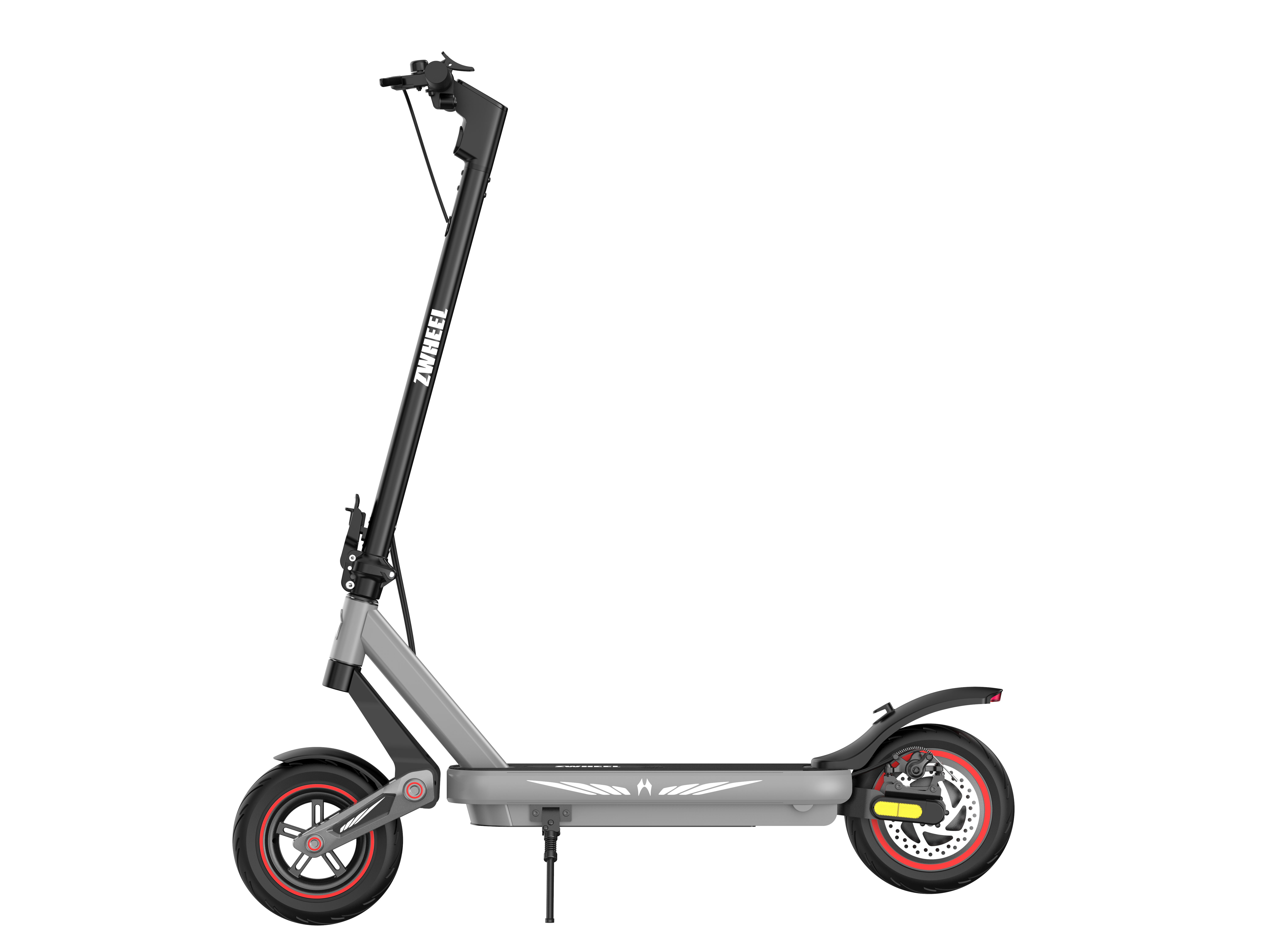
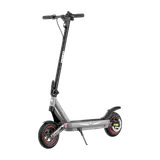
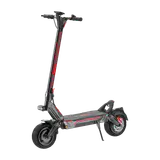
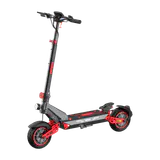
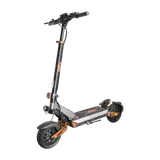
Standing electric scooters are what most people picture when they think of e-scooters. They're lightweight, nimble, and designed for quick trips around the city. Riders stand on a deck, steer with handlebars, and use their body weight to balance and turn.
Pros of Standing Scooters
- Portability: Most standing scooters fold down small enough to carry onto a bus, train, or into an office. Models like the Zwheel ZSA Plus (800W, $499) weigh only about 35 lbs, making them ideal for multi-modal commutes.
- Agility: Standing gives you better visibility in traffic and allows quick, intuitive steering. You can weave through pedestrians or tight corners with ease.
- Fun factor: Many riders say standing feels more like surfing or snowboarding — it's engaging and exhilarating.
- Lower cost: Entry-level standing scooters are often cheaper than seated models. You can get a reliable commuter like the Zwheel D3S-S (1000W, $600) for under $700.
Cons of Standing Scooters
- Fatigue on long rides: Standing for 30+ minutes can tire your legs, knees, and lower back. If your commute is over 5 miles one way, you might feel worn out.
- Less stable at high speeds: At 25+ mph, standing scooters can feel wobbly, especially over bumps or uneven pavement.
- Limited cargo capacity: You can't easily carry a backpack, groceries, or a briefcase without a separate bag.
Electric Scooters with Seats: Comfort Meets Utility
Seated electric scooters, also called ride-on scooters, feature a saddle attached to the stem or deck. They're essentially a hybrid between a scooter and a moped. Riders sit while steering, which changes the riding dynamics significantly.
Pros of Seated Scooters
- Superior comfort: Sitting takes pressure off your joints. Perfect for long commutes, older riders, or anyone with back or knee issues. You can ride 10-15 miles without feeling wiped out.
- Better for high-speed stability: With your center of gravity lower and more weight on the seat, you feel more planted at speeds above 20 mph. Off-road models like the Zwheel ZSB1 (1200W, $599) benefit from this stability on rough trails.
- Extra storage options: Many seated scooters come with a small trunk, basket, or mounting points for panniers — great for carrying groceries or work gear.
- Less fatigue: Your legs are free to rest, and you can even stretch them out on longer rides.
Cons of Seated Scooters
- Heavier and bulkier: Seats add weight and make folding more cumbersome. Most seated scooters weigh 45-65 lbs, so carrying them up stairs is a workout.
- Less maneuverable: The seat limits your ability to shift weight quickly. U-turns and tight spaces require more care.
- Higher price: Seated models often cost more due to the added frame and seat components. However, Zwheel offers affordable options like the Zwheel D3D-S (1200W, $675) that won't break the bank.
Key Comparisons: Seated vs Standing Scooters
Comfort and Riding Position
If you're riding more than 30 minutes at a time, a seat wins hands down. Standing scooters are fine for short hops (1-3 miles), but for longer commutes or all-day adventures, a seat prevents fatigue. That said, some standing scooters now offer optional seats you can add later, but they're rarely as comfortable as a dedicated design.
Safety and Stability
Seated scooters are generally more stable at higher speeds because the rider's weight is lower and more centered. This is especially true on uneven terrain. However, standing scooters allow you to step off quickly in an emergency, which some riders prefer. For off-road use, a seated model like the Zwheel ZSD1 (2000W, $800) gives you the control to tackle hills and rocks without bouncing around.
Portability and Storage
Standing scooters are the clear winner here. Most fold in seconds and fit under a desk or in a car trunk. Seated scooters are bigger and heavier, though some models have removable seats that help. If you need to take your scooter on public transit or store it in a small apartment, go standing.
Range and Battery Life
Battery capacity is more about the model than the riding position. Both types can have large batteries. However, seated scooters often have larger frames that accommodate bigger battery packs. For example, the Zwheel ZSE2 (6000W, $1400) is a seated racing scooter with a massive range for long-distance touring. But many standing scooters also offer 40+ mile ranges — just check the specs.
Terrain and Use Case
- City commuting (smooth roads, short distances): Standing scooters excel. They're agile, easy to park, and perfect for stop-and-go traffic.
- Long-distance commuting (5+ miles): Seated scooters reduce fatigue and let you arrive fresh.
- Off-road or mixed terrain: Seated models offer better stability, but standing scooters with good suspension (like the Zwheel ZSB2, 1500W, $650) can handle light trails.
- Recreational riding: Both work, but standing feels more playful, while seated is more relaxed.
Which One Should You Choose? A Decision Framework
Ask yourself these questions:
- How far is your typical ride? Under 3 miles? Standing. Over 5 miles? Consider a seat.
- Do you need to carry your scooter? Yes? Standing. No? Either works.
- Is comfort a priority? Yes? Seated. No? Standing is fine.
- What's your budget? Under $600? Standing models like the ZSA Plus or D3S-S are great. Over $600? You have excellent seated options like the D3D-S or ZSB1.
- Will you ride off-road? Yes? A seated scooter with fat tires (e.g., ZSD1 or ZSD2) is safer and more comfortable.
Still unsure? Many riders own both — a lightweight standing scooter for quick errands and a seated beast for weekend adventures. But if you can only buy one, let your primary use case guide you.
Top Zwheel Models for Each Style
Best Standing Scooters
- Zwheel ZSA Plus (800W, $499) — Lightweight commuter, 25 mph top speed, 18-20 mile range. Perfect for urbanites.
- Zwheel D3S-S (1000W, $600) — Dual suspension, 28 mph, 25 mile range. Great for bumpy city streets.
- Zwheel ZSB2 (1500W, $650) — All-terrain tires, 31 mph, 30 mile range. Handles grass and gravel.
Best Seated Scooters
- Zwheel ZSB1 (1200W, $599) — Entry-level seated scooter with 28 mph top speed, 25 mile range. Comfortable and affordable.
- Zwheel D3D-S (1200W, $675) — Dual motor, 30 mph, 28 mile range. Great for mixed terrain.
- Zwheel ZSD1 (2000W, $800) — Off-road beast with 35 mph top speed, 35 mile range. Tackles hills and trails.
- Zwheel ZSD2 (4000W, $900) — 45 mph, 50 mile range. For serious off-roaders.
- Zwheel ZSE2 (6000W, $1400) — Racing-level performance, 50+ mph, 60 mile range. Ultimate seated experience.
Final Verdict: Electric Scooter with Seat vs Standing
There's no universal winner in the electric scooter with seat vs standing debate. If you prioritize portability, agility, and fun for short trips, go standing. If comfort, stability, and long-distance capability matter more, choose a seat. Both styles have evolved tremendously in 2026, and brands like Zwheel offer excellent options in each category.
Remember, the best scooter is the one you'll actually ride. Test both if you can, or use our decision framework above. Either way, you're about to enjoy a cleaner, faster, and more exciting way to get around.
Frequently Asked Questions
Can I add a seat to my standing electric scooter?
Yes, many standing scooters offer optional seat attachments. However, these are often less comfortable than purpose-built seated models. The seat may attach to the stem or the deck, and it can affect balance and folding. If you plan to sit most of the time, it's better to buy a scooter designed for it from the start.
Are seated electric scooters safer than standing ones?
It depends on the situation. Seated scooters offer better stability at high speeds and on rough terrain, reducing the risk of wobbles. However, standing scooters allow you to dismount quickly in an emergency. Both are safe when ridden responsibly with proper gear (helmet, lights, reflectors).
Do electric scooters with seats have less range?
Not necessarily. Range depends on battery size, motor efficiency, rider weight, and terrain. Many seated scooters have large batteries that match or exceed standing models. For example, the Zwheel ZSD2 offers a 50-mile range, which is competitive with any standing scooter.
Which is better for off-road: seated or standing?
Seated scooters are generally better for off-road because the lower center of gravity improves traction and control over bumps and inclines. Models like the Zwheel ZSD1 and ZSD2 are designed specifically for trails. However, some standing scooters with good suspension (like the ZSB2) can handle light off-road use.
How much does a good electric scooter with a seat cost?
You can find quality seated electric scooters starting around $500-$600, like the Zwheel ZSB1. High-performance models with longer range and more power range from $800 to $1,400. Always consider your budget and riding needs before purchasing.
Автор
Zwheel Team
Член редакционной команды Zwheel.