Future of Electric Scooter Design: Lighter, Faster, Safer
The future of electric scooter design is here: lighter materials, faster motors, and smarter safety. Discover the trends shaping your next ride, and how Zwheel is leading the charge.
Содержание
- Introduction: The Next Generation of Electric Scooters
- Lighter: The Material Revolution
- Advanced Alloys and Carbon Fiber
- Integrated Battery Design
- Faster: Performance Without Compromise
- High-Torque Motors and Dual-Drive Systems
- Extended Range Through Efficiency
- Safer: Smart Tech That Protects You
- Dual Hydraulic Disc Brakes and ABS
- Smart Lighting and Visibility
- Rider-Assist Systems
- What This Means for You: Choosing the Right Scooter
- Conclusion: Embrace the Future
- Frequently Asked Questions
- How much lighter will electric scooters get?
- What is the fastest electric scooter in 2026?
- Are electric scooters safe at high speeds?
- How long do electric scooter batteries last?
- Will electric scooters replace cars?
Introduction: The Next Generation of Electric Scooters
Electric scooters have come a long way since their early days as quirky last-mile gadgets. In 2026, they are serious transportation—capable of handling daily commutes, weekend adventures, and even off-road trails. But the real revolution is happening behind the scenes: the future of electric scooter design is lighter, faster, and safer than ever before. Whether you’re a daily commuter or a thrill-seeker, these innovations are making e-scooters more practical and more fun.
At Zwheel, we’re at the forefront of this evolution. Our latest models combine cutting-edge materials, powerful motors, and advanced safety systems to give you a ride that’s both exhilarating and reliable. In this article, we’ll break down the three pillars shaping the future—lighter, faster, safer—and show you what to expect from the next wave of e-scooters.
Lighter: The Material Revolution
Weight has always been the enemy of portability. A heavy scooter is a pain to carry up stairs or onto a train. That’s why manufacturers are racing to shed pounds without sacrificing strength.
Advanced Alloys and Carbon Fiber
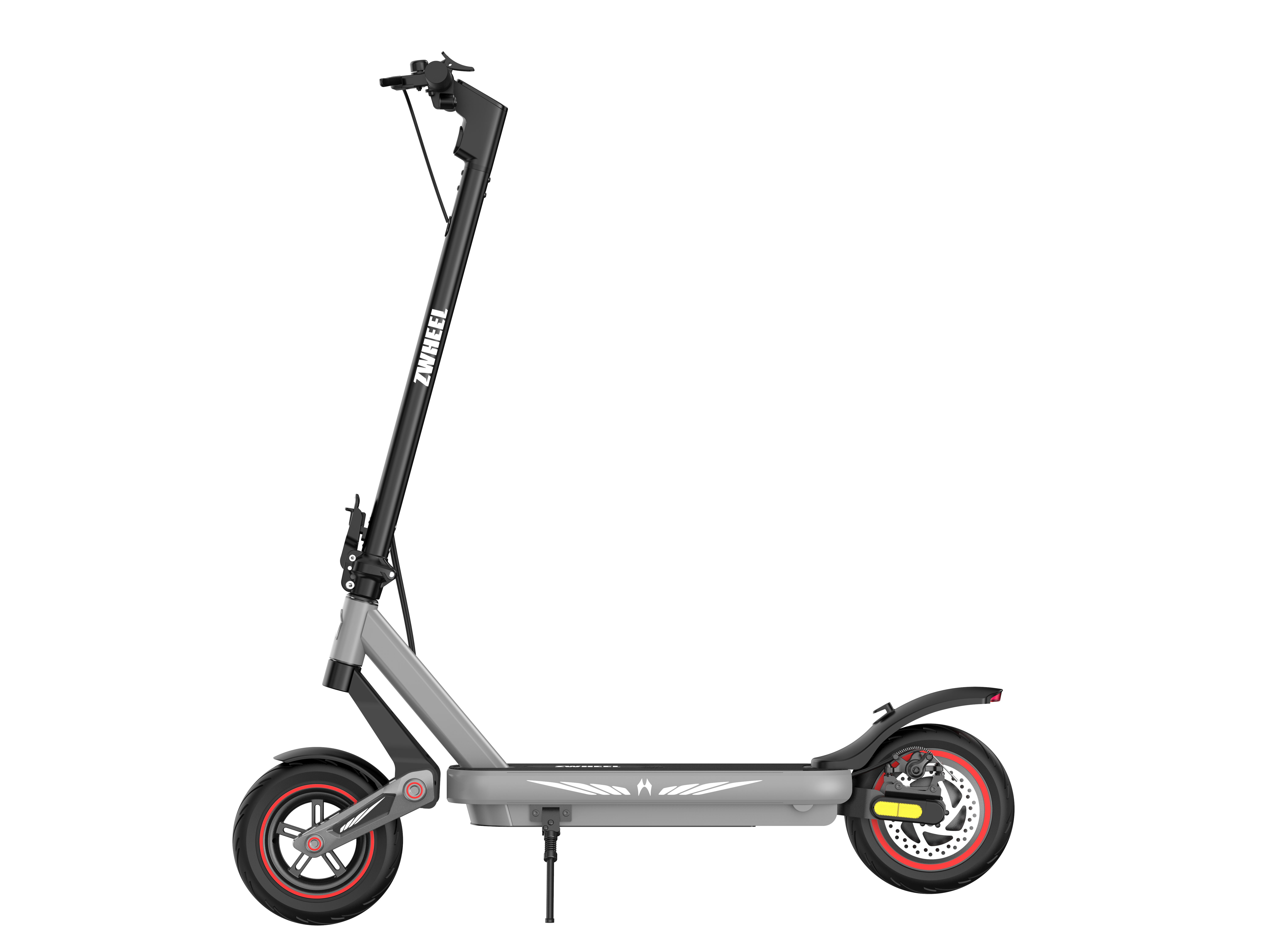
Gone are the days of steel frames. Today’s premium scooters use aerospace-grade aluminum alloys and even carbon fiber composites. These materials offer the same rigidity at a fraction of the weight. For example, the Zwheel ZSA Plus tips the scales at just 14.5 kg, thanks to its aluminum alloy frame—perfect for city commuters who need to carry their ride.
Carbon fiber is the next frontier. It’s 40% lighter than aluminum and incredibly impact-resistant. While still pricey, we’ll see more carbon components (like decks and handlebars) in mid-range models by 2027. The result? Scooters that feel almost feather-light yet can withstand daily abuse.
Integrated Battery Design
Batteries are the heaviest component. But with new cell chemistry and structural integration, manufacturers are embedding batteries directly into the deck, saving both weight and space. This not only lowers the center of gravity for better handling but also reduces the overall footprint.
Our Zwheel D3S-S uses a slim, high-density battery pack that adds only 4.2 kg—keeping the total weight manageable while delivering a 45 km range. That’s the kind of balance we’re aiming for.
Faster: Performance Without Compromise
Speed is what gets your adrenaline pumping, but it’s also about efficiency. The future isn’t just about top speed—it’s about how quickly you get there and how far you can go on a single charge.
High-Torque Motors and Dual-Drive Systems
Brushless hub motors have evolved significantly. Today’s motors are smaller, lighter, and more efficient. We’re seeing more dual-motor setups that provide instant torque for hill climbs and quick acceleration. For instance, the Zwheel ZSB2 packs dual 750W motors (1500W peak) that launch you from 0 to 30 km/h in under 4 seconds—all while maintaining a top speed of 55 km/h.
But speed isn’t just about raw power. Smart controllers now manage power delivery smoothly, preventing jerky starts and improving battery efficiency. Expect to see AI-assisted torque mapping that adapts to your riding style and terrain.
Extended Range Through Efficiency
Range anxiety is a thing of the past. With regenerative braking and energy-dense cells, modern scooters can travel over 100 km on a single charge. The Zwheel ZSD1 offers a 90 km range thanks to its 23.4Ah battery and efficient motor—enough for a full day of errands without recharging.
Safer: Smart Tech That Protects You
Safety is the most critical aspect of the future. As speeds increase, so does the need for advanced protective features.
Dual Hydraulic Disc Brakes and ABS
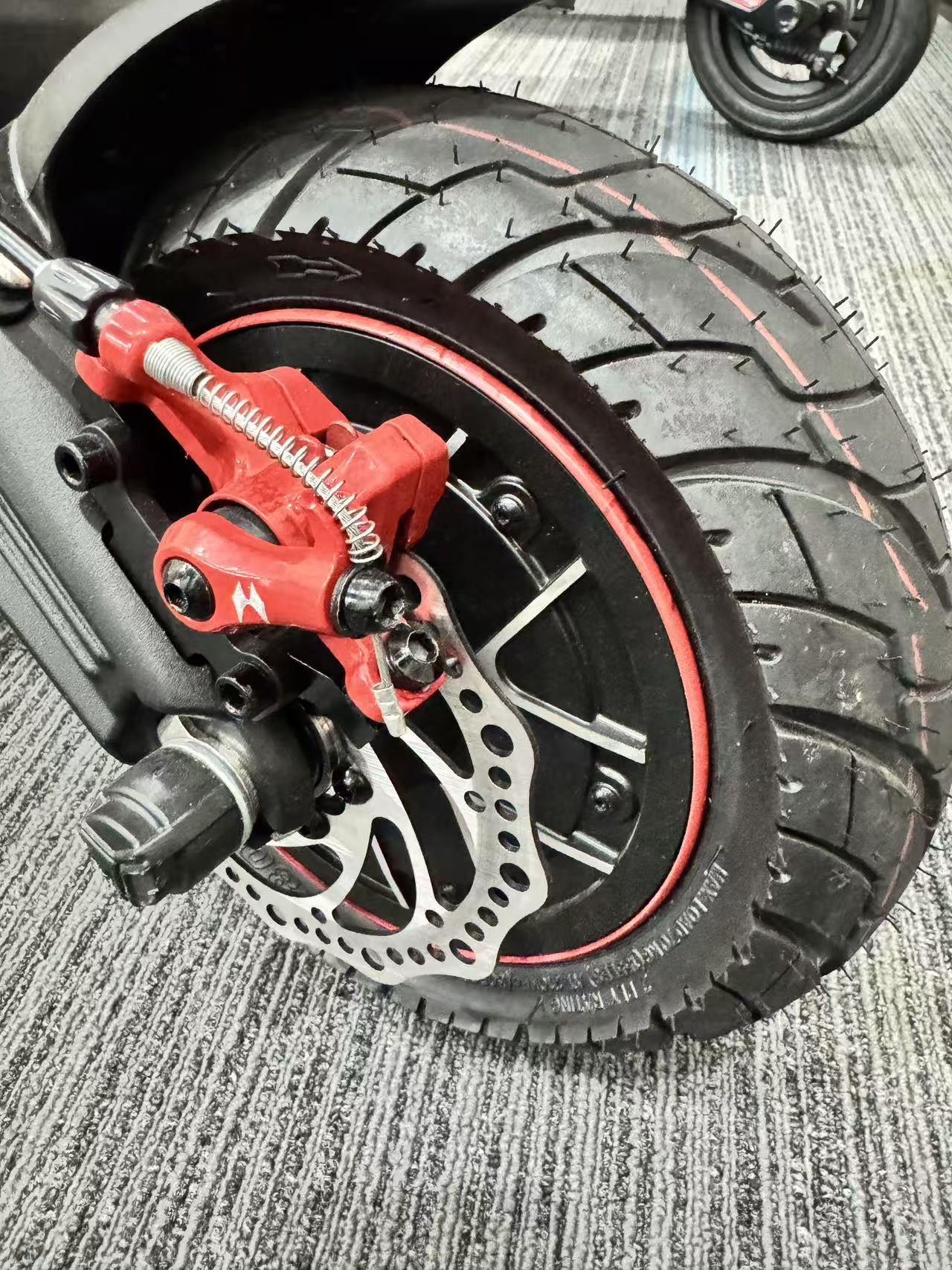
Stopping power is non-negotiable. Hydraulic disc brakes are becoming standard on performance scooters, offering superior modulation and fade resistance. Many models now include anti-lock braking systems (ABS) that prevent wheel lock-up on slippery surfaces—a game-changer for urban riding.
Our Zwheel ZSD2 is equipped with dual hydraulic brakes and a regenerative e-brake, giving you confidence at high speeds.
Smart Lighting and Visibility
Being seen is half the battle. Future scooters feature integrated LED lighting systems with automatic ambient light sensors. Some even have turn signals integrated into the handlebar ends, making your intentions clear to drivers. Additionally, brake lights that illuminate during deceleration are becoming standard—so you won’t get rear-ended.
Rider-Assist Systems
Imagine a scooter that knows when you’re about to lose control. Gyroscopic sensors and stability control are now being integrated to detect skidding or tipping and automatically adjust power or apply brakes. Some prototypes even have airbag systems for the rider—though that’s still a few years out.
What This Means for You: Choosing the Right Scooter
With all these innovations, how do you pick the right scooter for your needs? It comes down to your priorities:
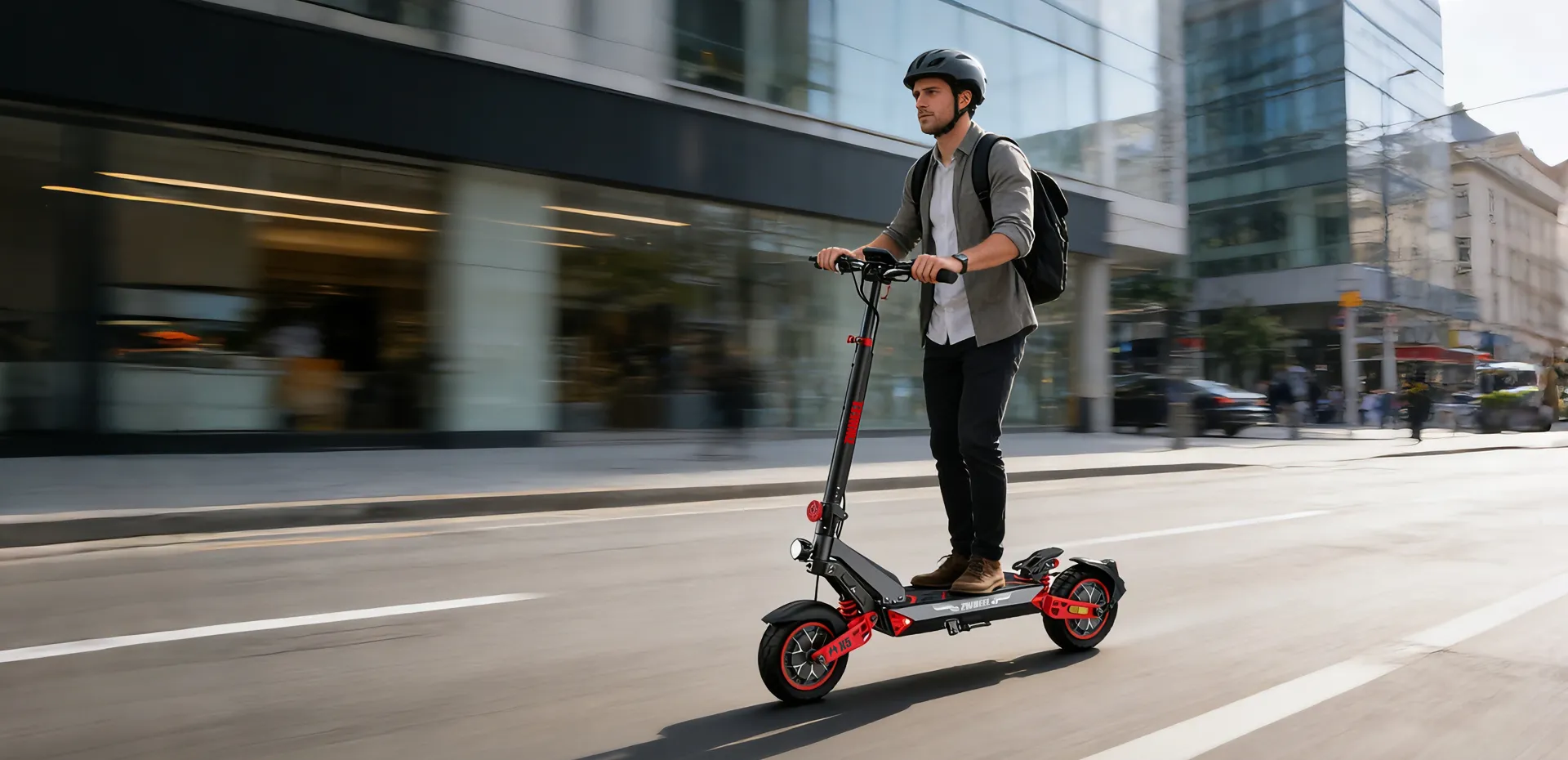
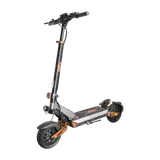
- City commuter: Look for lightweight (< 15 kg), moderate speed (25-30 km/h), and good range (30-50 km). The ZSA Plus is a perfect match.
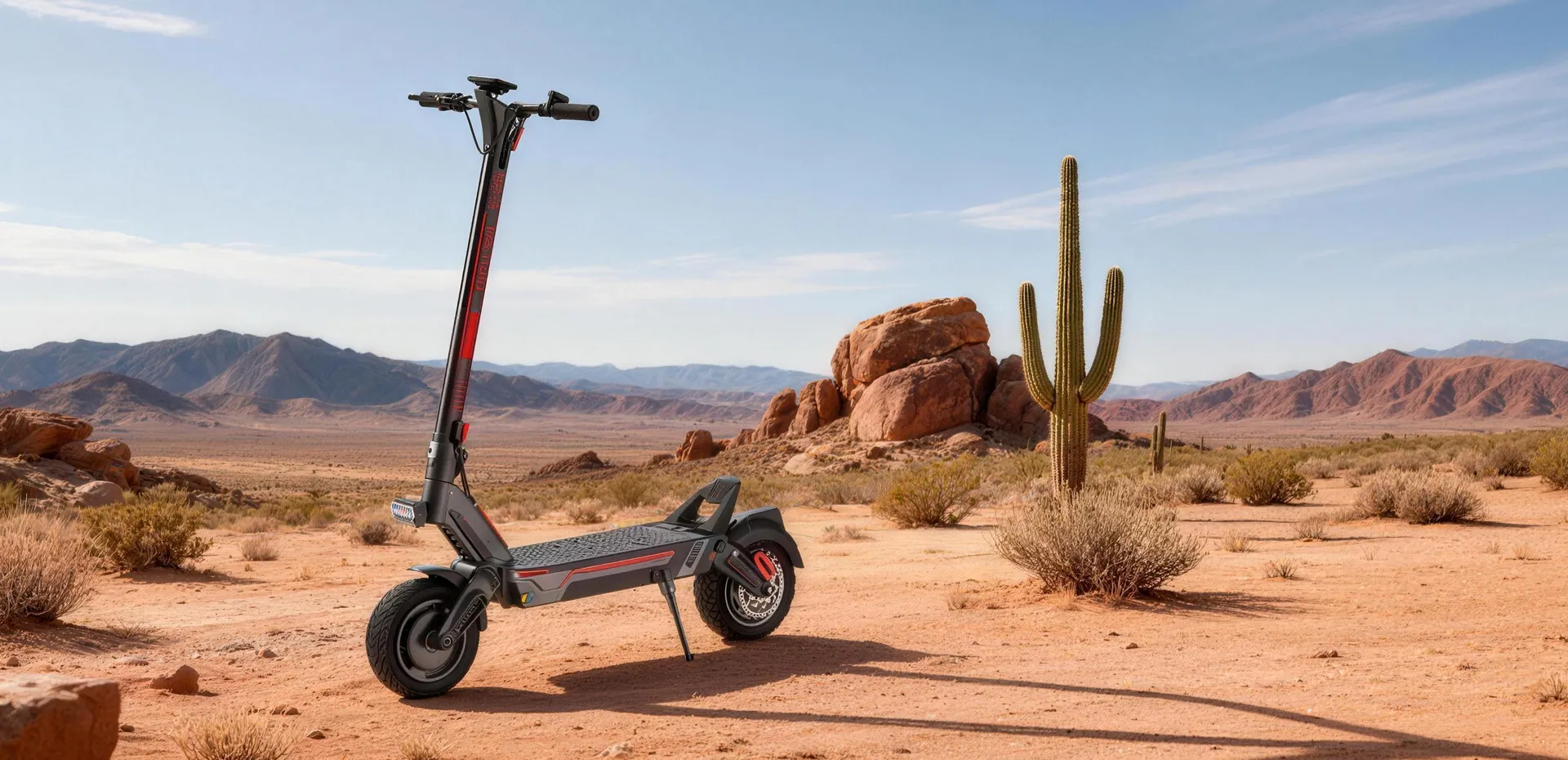
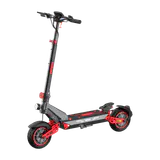
- Adventure seeker: Go for dual motors, larger tires, and off-road capability. The ZSB1 or ZSD1 will handle trails and hills.
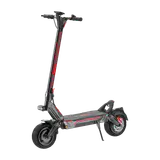
- Performance junkie: If you crave speed, check out the ZSE2—a 6000W beast that hits 100 km/h, but remember to always wear a helmet.
Conclusion: Embrace the Future
The future of electric scooter design is bright. Lighter materials mean you’ll never dread carrying your scooter again. Faster motors get you where you need to go with a smile. And smarter safety features give you peace of mind. At Zwheel, we’re proud to be part of this evolution, offering a range of scooters that embody these principles.
Whether you’re upgrading your commute or diving into off-road adventures, there’s a scooter waiting for you. Check out our full lineup at zwheel.com and find the ride that fits your life.
Frequently Asked Questions
How much lighter will electric scooters get?
We’re already seeing sub-10 kg models with carbon fiber frames. By 2027, expect mainstream scooters to drop below 12 kg while maintaining durability.
What is the fastest electric scooter in 2026?
Performance models like the Zwheel ZSE2 can reach speeds of 100 km/h, but for most riders, 25-45 km/h is more than enough for safe commuting.
Are electric scooters safe at high speeds?
With advanced braking (ABS), stability control, and better tires, modern scooters are safer than ever. However, always wear a helmet and obey local speed limits.
How long do electric scooter batteries last?
Typically, a lithium-ion battery lasts 500-1000 full charge cycles. That’s about 2-4 years of daily use, depending on care and storage.
Will electric scooters replace cars?
For short trips (< 10 km), e-scooters are already a viable alternative to cars, reducing traffic and emissions. They won’t replace cars for long distances, but they’re an essential part of the urban mobility mix.
Автор
Zwheel Team
Член редакционной команды Zwheel.