Pneumatic vs Solid vs Honeycomb Tires for Electric Scooters
Pneumatic, solid, or honeycomb tires? We break down comfort, flat risk, range, and maintenance so you can pick the right tire for your electric scooter.
Содержание
- Pneumatic vs Solid vs Honeycomb Tires for Electric Scooters: Which One Is Right for You?
- What Are Pneumatic Tires?
- Pros of Pneumatic Tires
- Cons of Pneumatic Tires
- What Are Solid Tires?
- Pros of Solid Tires
- Cons of Solid Tires
- What Are Honeycomb Tires?
- Pros of Honeycomb Tires
- Cons of Honeycomb Tires
- Pneumatic vs Solid vs Honeycomb Tires: Head-to-Head Comparison
- Comfort and Shock Absorption
- Flat Resistance
- Traction and Grip
- Weight and Range
- Maintenance
- Cost
- Ride Quality on Different Terrains
- Which Tire Type Should You Choose?
- Choose Pneumatic Tires If:
- Choose Solid Tires If:
- Choose Honeycomb Tires If:
- Practical Tips for Each Tire Type
- Pneumatic Tire Tips
- Solid Tire Tips
- Honeycomb Tire Tips
- Frequently Asked Questions
- Are pneumatic tires better than solid tires for electric scooters?
- Can honeycomb tires go flat?
- How often should I replace pneumatic scooter tires?
- Do solid tires reduce scooter range?
- Which tire type is best for off-road electric scooters?
- Conclusion
Pneumatic vs Solid vs Honeycomb Tires for Electric Scooters: Which One Is Right for You?
When you're shopping for an electric scooter, it's easy to focus on motor wattage, battery range, and top speed. But the tires are just as important—they're your only contact with the road, and they directly affect comfort, safety, and how much maintenance you'll deal with. In this guide, we'll compare pneumatic vs solid vs honeycomb tires for electric scooters so you can make an informed decision based on how and where you ride.
We'll cover how each tire type works, their pros and cons, real-world performance numbers, and which type suits different riders. By the end, you'll know exactly what to look for—whether you're commuting on smooth city streets or tackling rough trails.
What Are Pneumatic Tires?
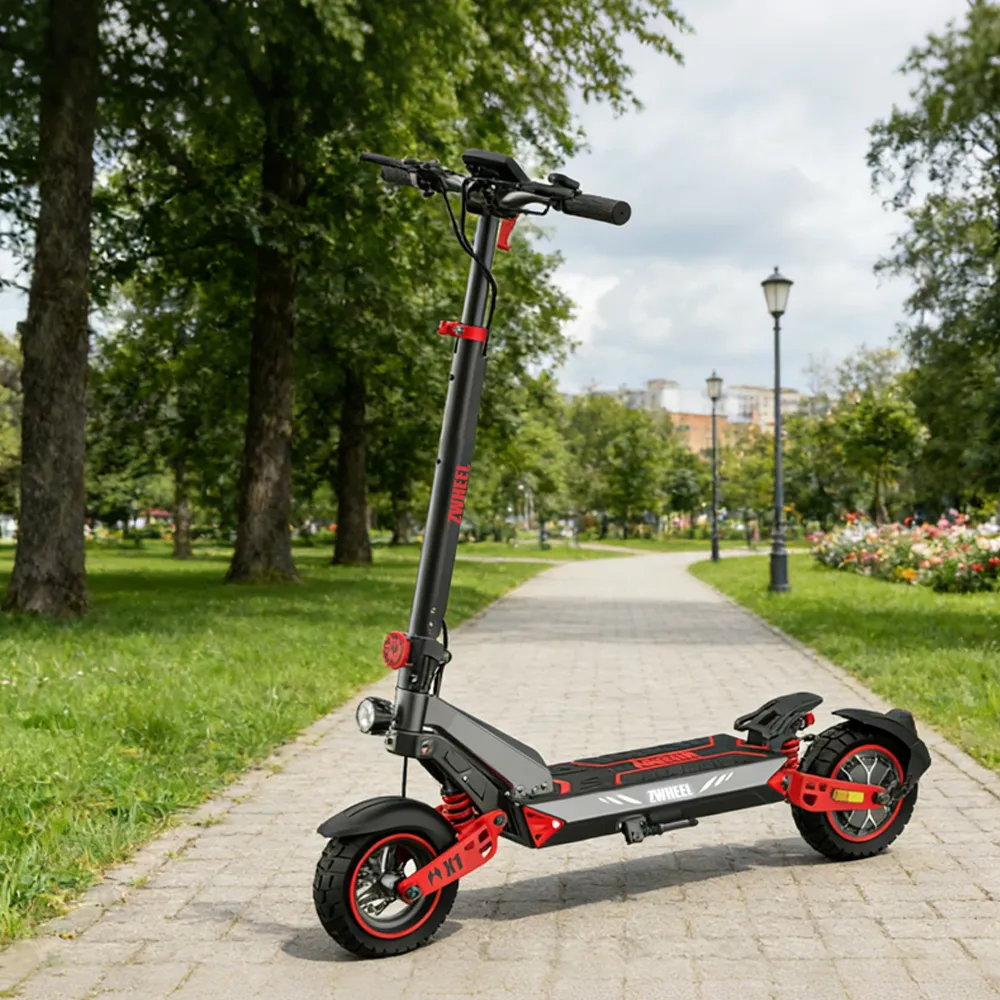
Pneumatic tires are air-filled, just like the tires on a car or bicycle. They consist of an outer rubber casing and an inner tube (or tubeless design) that holds pressurized air. This air cushion absorbs shocks and adapts to uneven surfaces.
Pros of Pneumatic Tires
- Superior comfort: Air acts as a natural shock absorber, smoothing out bumps and cracks.
- Better traction: The tire conforms to the road, improving grip, especially on wet or loose surfaces.
- Lighter weight: Generally lighter than solid or honeycomb tires, which can slightly improve acceleration and range.
- Adjustable firmness: You can tweak tire pressure for different conditions—lower for off-road, higher for efficiency.
Cons of Pneumatic Tires
- Flat risk: Punctures from glass, nails, or thorns are the biggest downside. A flat can leave you stranded.
- Maintenance: You'll need to check pressure regularly (recommended every 1-2 weeks) and replace tubes when needed.
- Potential for blowouts: Rare, but sudden pressure loss can be dangerous at high speeds.
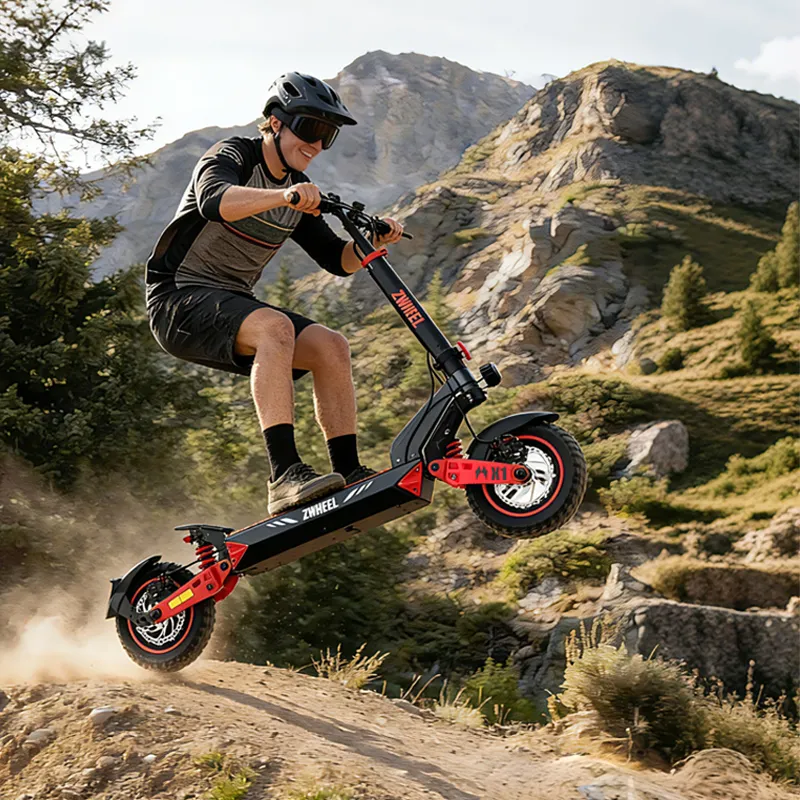
Pneumatic tires are common on commuter and off-road scooters where comfort and grip matter. For example, the Zwheel ZSA Plus (800W, $499) uses pneumatic tires to deliver a smooth ride on city streets.
What Are Solid Tires?
Solid tires are made from a single piece of dense rubber or polyurethane. They have no air cavity, so they can't go flat. They're often found on budget scooters or rental fleets where low maintenance is a priority.
Pros of Solid Tires
- Puncture-proof: No air means no flats—ever.
- Zero maintenance: No pressure checks, no tube replacements.
- Long lifespan: They wear down slowly and can last thousands of miles.
- Cheaper upfront: Usually less expensive than pneumatic or honeycomb tires.
Cons of Solid Tires
- Harsh ride: Without air cushioning, you'll feel every bump and crack. This can be fatiguing on long rides.
- Reduced traction: Solid tires don't conform to the road, so grip is lower, especially in wet conditions.
- Heavier: The dense material adds weight, which can slightly reduce range and acceleration.
- Harder installation: Replacing a solid tire can be a workout—they're stiff and require tire levers.
Solid tires are best for short, smooth commutes or riders who absolutely hate maintenance. However, for longer rides or rough terrain, the comfort trade-off is significant.
What Are Honeycomb Tires?
Honeycomb tires (also called non-pneumatic or airless tires) feature a蜂窝-like structure of hexagonal cells inside the tire. This design provides some cushioning without the risk of flats. They're a middle ground between pneumatic and solid tires.
Pros of Honeycomb Tires
- No flats: Like solid tires, they can't puncture.
- Better shock absorption than solid: The honeycomb structure flexes slightly, offering a ride that's firmer than pneumatic but softer than solid.
- Low maintenance: No air pressure to monitor.
- Durable: Resistant to wear and tear.
Cons of Honeycomb Tires
- Still firmer than pneumatic: While better than solid, they don't match the plushness of air-filled tires.
- Limited adjustability: You can't change the firmness.
- Potential for debris buildup: The honeycomb cells can trap small stones or dirt, though this is minor.
- Less common: Fewer options and replacements available compared to pneumatic or solid.
Honeycomb tires are increasingly popular on mid-range scooters as a compromise. For instance, the Zwheel D3S-S (1000W, $600) uses honeycomb tires to balance comfort and flat prevention for city commuters.
Pneumatic vs Solid vs Honeycomb Tires: Head-to-Head Comparison
Let's compare the three tire types across key criteria. Keep in mind that actual performance depends on tire size, tread pattern, and scooter design.
Comfort and Shock Absorption
Winner: Pneumatic. Air-filled tires provide the best cushioning. Solid tires are the harshest, while honeycomb sits in between. If you ride on uneven pavement or have joint issues, pneumatic is the way to go.
Flat Resistance
Winner: Solid and Honeycomb (tie). Neither can go flat. Pneumatic tires are vulnerable to punctures, though tire liners and sealants can help.
Traction and Grip
Winner: Pneumatic. The tire's ability to deform and conform to the road surface provides superior grip, especially in wet or loose conditions. Solid and honeycomb tires tend to slide more easily.
Weight and Range
Winner: Pneumatic (slightly). Pneumatic tires are generally lighter, which can translate to a small range improvement (1-3%). Solid tires are heaviest. Honeycomb is in between.
Maintenance
Winner: Solid and Honeycomb (tie). No air pressure checks or flat repairs. Pneumatic requires periodic pressure checks and occasional tube replacement.
Cost
Winner: Solid (upfront). Solid tires are usually the cheapest. Pneumatic and honeycomb are similar in price, though pneumatic tubes add a small ongoing cost.
Ride Quality on Different Terrains
- Smooth city streets: All three work, but pneumatic and honeycomb offer better comfort.
- Rough roads and potholes: Pneumatic is best; honeycomb is acceptable; solid is jarring.
- Off-road and trails: Pneumatic with knobby tread is ideal. Solid and honeycomb struggle with traction on loose surfaces.
Which Tire Type Should You Choose?
Your choice depends on your priorities and riding conditions. Here's a quick guide:
Choose Pneumatic Tires If:
- You ride on varied terrain or uneven roads.
- Comfort is a top priority.
- You're willing to check tire pressure and handle occasional flats.
- You want maximum traction and safety.
Pneumatic tires are standard on most performance scooters, including off-road models like the Zwheel ZSB2 (1500W, $650), which uses air-filled tires to handle mixed terrain.
Choose Solid Tires If:
- You have a short, smooth commute.
- You want zero maintenance and no flat risk.
- You're on a tight budget.
- You don't mind a firmer ride.
Choose Honeycomb Tires If:
- You want a balance between comfort and flat prevention.
- You ride mostly on paved roads but encounter occasional bumps.
- You prefer low maintenance but don't want the harshness of solid tires.
For many commuters, honeycomb is a smart compromise. The Zwheel D3D-S (1200W, $675) uses honeycomb tires to offer a maintenance-free ride without sacrificing too much comfort.
Practical Tips for Each Tire Type
Pneumatic Tire Tips
- Check pressure weekly (recommended PSI is usually on the tire sidewall).
- Use tire sealant (like Slime) to prevent small punctures from causing flats.
- Inspect for embedded debris and remove it promptly.
- Carry a portable pump and spare tube on long rides.
Solid Tire Tips
- Soften the tire in hot water before installation to make it more pliable.
- Use tire levers and soapy water to ease mounting.
- Consider upgrading to a scooter with suspension to offset the harsh ride.
Honeycomb Tire Tips
- Clean the honeycomb cells periodically to prevent debris buildup.
- Inspect for cracks or wear, especially if you ride aggressively.
- Replace when tread depth is low—honeycomb tires can become slippery when worn.
Frequently Asked Questions
Are pneumatic tires better than solid tires for electric scooters?
It depends on your priorities. Pneumatic tires offer superior comfort and traction, making them better for uneven terrain and longer rides. Solid tires are more durable and require less maintenance, but they provide a harsher ride. If comfort and grip are important, go pneumatic; if you prioritize zero flats and low maintenance, solid is better.
Can honeycomb tires go flat?
No, honeycomb tires are airless and cannot go flat. They are puncture-proof by design. However, they can still wear out over time or suffer structural damage from severe impacts.
How often should I replace pneumatic scooter tires?
Pneumatic tires typically last 1,000-2,000 miles, depending on riding style and road conditions. Replace them when tread depth is low or when you notice frequent flats or sidewall cracks.
Do solid tires reduce scooter range?
Solid tires are heavier than pneumatic tires, which can slightly reduce range—usually by 1-3%. The impact is minor but noticeable on long rides. Honeycomb tires fall in between.
Which tire type is best for off-road electric scooters?
Pneumatic tires with knobby tread are best for off-road use. They provide superior traction and shock absorption on loose surfaces. Solid and honeycomb tires struggle with grip on uneven terrain and can make for a jarring ride.
Conclusion
Choosing between pneumatic vs solid vs honeycomb tires for electric scooters comes down to your riding style and priorities. Pneumatic tires win on comfort and traction but require maintenance. Solid tires are bulletproof and low-maintenance but harsh. Honeycomb tires strike a balance, offering flat-free riding with decent comfort.
At Zwheel, we offer scooters with each tire type to match your needs. Whether you prioritize a plush ride, zero flats, or a mix of both, there's a Zwheel model for you. Explore our lineup and find your perfect ride today.
Автор
Zwheel Team
Член редакционной команды Zwheel.