Electric Scooter Chicago Winter Commuting: Is It Possible?
Chicago winters are brutal, but electric scooter commuting is possible with the right preparation. Learn battery care, tire choice, and gear tips to ride safely in snow and ice.
目录
- Can You Really Commute by Electric Scooter in a Chicago Winter?
- Why Winter Commuting in Chicago is Different
- Battery Life in Freezing Temps
- Traction and Tire Choice
- Best Electric Scooters for Chicago Winter Commuting
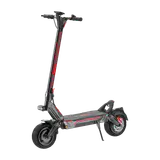
- Zwheel ZSD1 (2000W, $800) – The Winter Workhorse
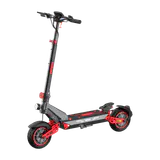
- Zwheel ZSE2 (6000W, $1400) – The Beast Mode Option
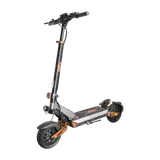
- Budget-Friendly: Zwheel ZSB1 (1200W, $599)
- Essential Winter Commuting Gear
- Battery Maintenance Kit
- Rider Gear
- Scooter Mods
- Riding Techniques for Snow and Ice
- Slow Down and Brake Early
- Beware of Black Ice
- Ride in the Tire Tracks of Cars
- Keep Your Battery Warm
- Real-World Chicago Winter Commute Data
- FAQs About Electric Scooter Chicago Winter Commuting
- Can I ride an electric scooter in snow?
- How do I protect my scooter battery in winter?
- What is the best electric scooter for Chicago winter commuting?
- Do I need studded tires for ice?
- Is it legal to ride an electric scooter in Chicago in winter?
- Conclusion: Winter Commuting is Worth It
Can You Really Commute by Electric Scooter in a Chicago Winter?
Let’s be real: Chicago winters are no joke. With wind chills dropping below zero, lake-effect snow piling up on side streets, and icy patches hiding under slush, the idea of zipping to work on an electric scooter might sound like a recipe for frostbite and a faceplant. But here’s the truth: electric scooter Chicago winter commuting is not only possible—it’s doable safely and comfortably when you prepare correctly.
Thousands of Chicagoans already commute year-round on two wheels (bicycles, motorcycles, and scooters). The key is adapting your gear, your scooter, and your mindset. This guide covers everything from battery chemistry in subzero temps to the best tires for snow, plus the exact models that handle Chicago’s brutal conditions best. We’ll also share real-world tips from seasoned winter riders, so you can keep moving even when the CTA is delayed.
Why Winter Commuting in Chicago is Different
Before we dive into gear and scooter specs, it’s important to understand the unique challenges of Chicago winters. The city’s infamous lake-effect snow can dump 6+ inches overnight, and temperatures often stay below 20°F for weeks. Add in salt-treated roads, hidden potholes, and black ice, and you’ve got a scenario that demands more than a basic commuter scooter.
Battery Life in Freezing Temps
Lithium-ion batteries lose capacity in cold weather. At 32°F, you can expect a 20-30% reduction in range. At 10°F, that can jump to 40-50%. But here’s the trick: never charge a cold battery. Always bring your battery indoors and let it warm to room temperature before plugging in. Also, keep your scooter stored inside when not in use—even a garage can be too cold.
Traction and Tire Choice
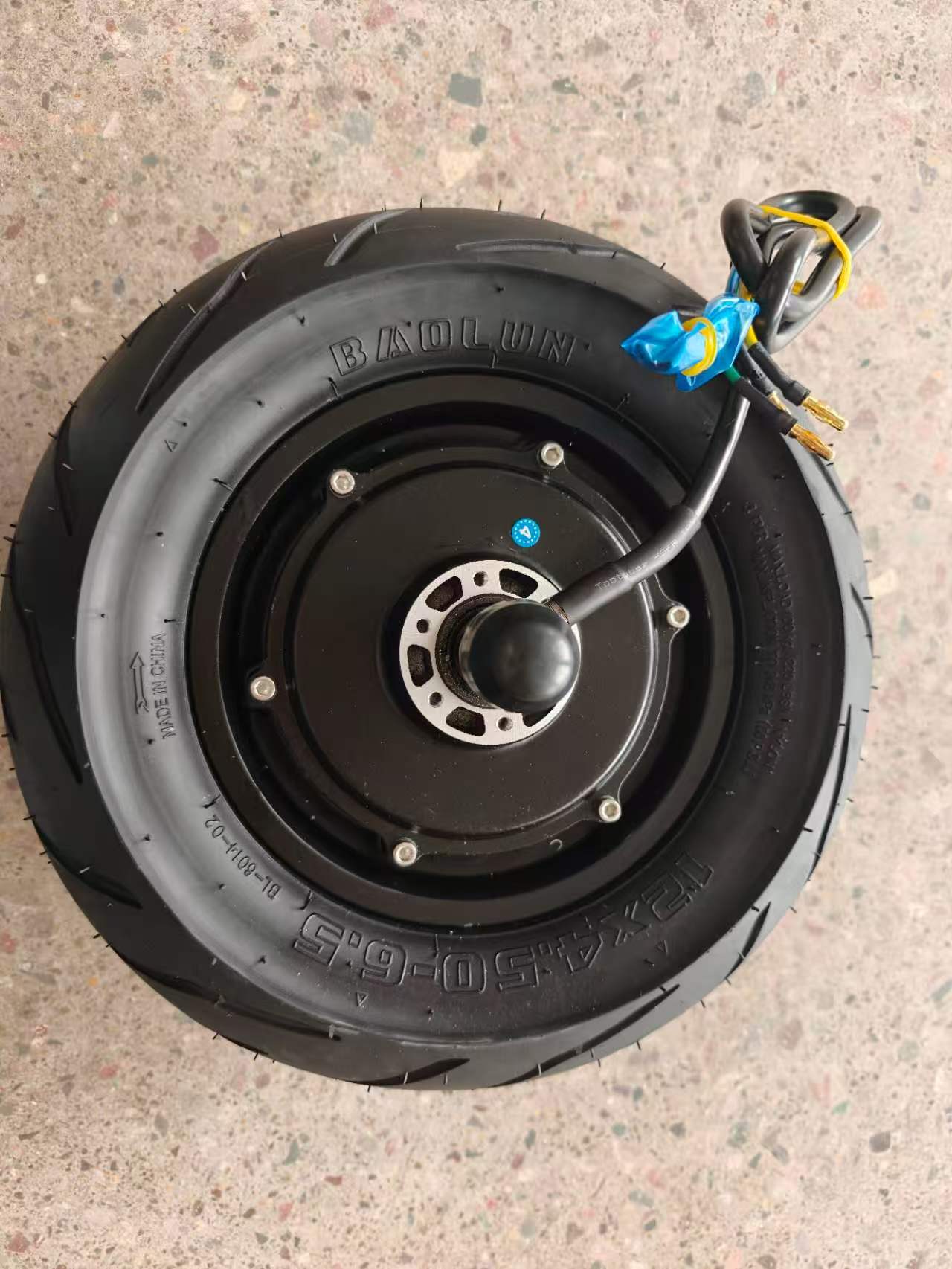
Standard 8- or 10-inch street tires are dangerous on snow and ice. You need either studded tires (like those used for fat-tire e-bikes) or off-road knobby tires with deeper tread. The Zwheel ZSB2 (1500W, $650) comes with all-terrain tires that offer decent grip on packed snow, but for serious ice, consider aftermarket studs.
Best Electric Scooters for Chicago Winter Commuting
Not all scooters are built for winter. You need a model with high ground clearance, quality suspension, and a robust IP rating (water resistance). Here are the top Zwheel models that will keep you moving when the snow flies.
Zwheel ZSD1 (2000W, $800) – The Winter Workhorse
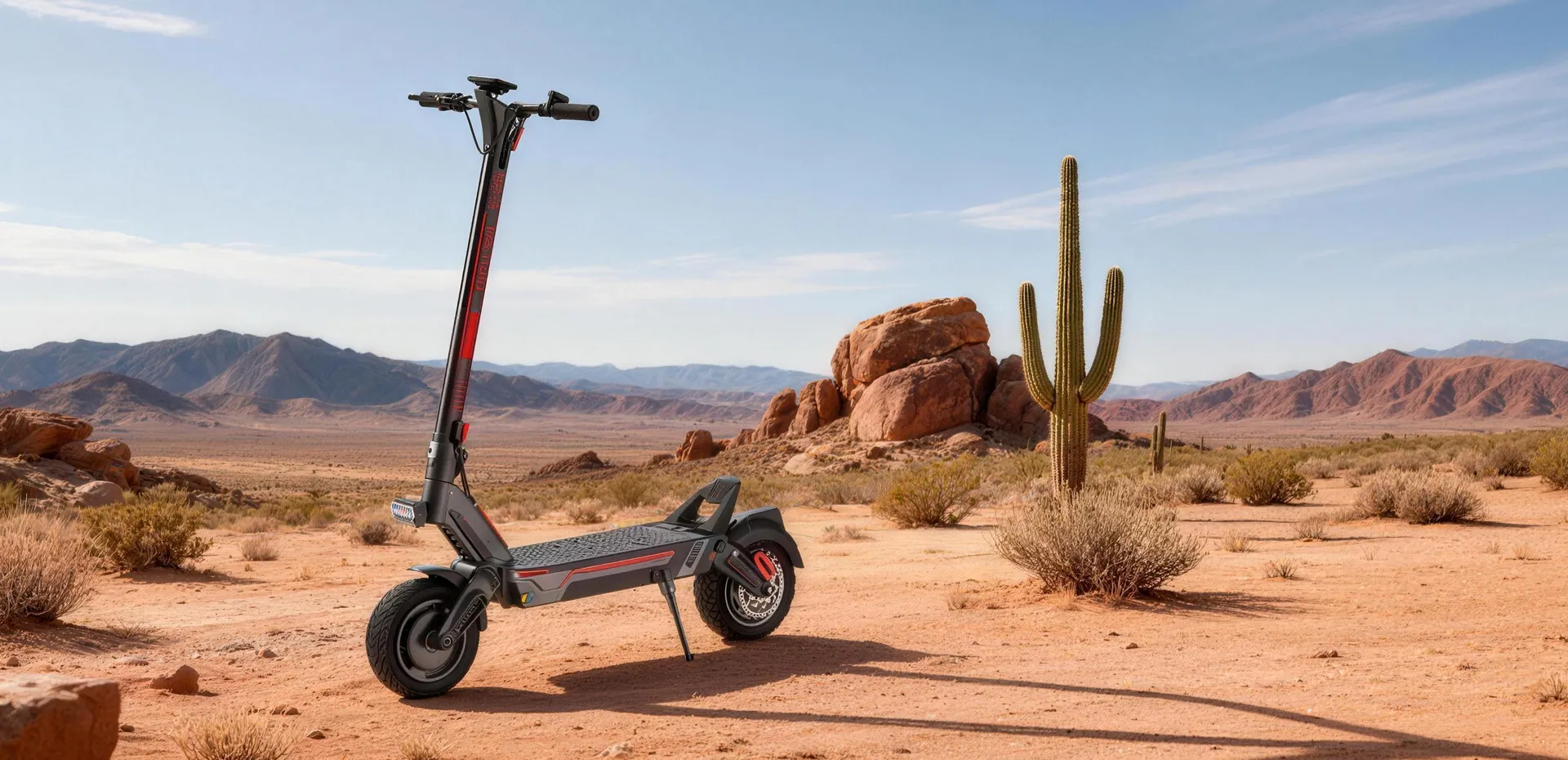
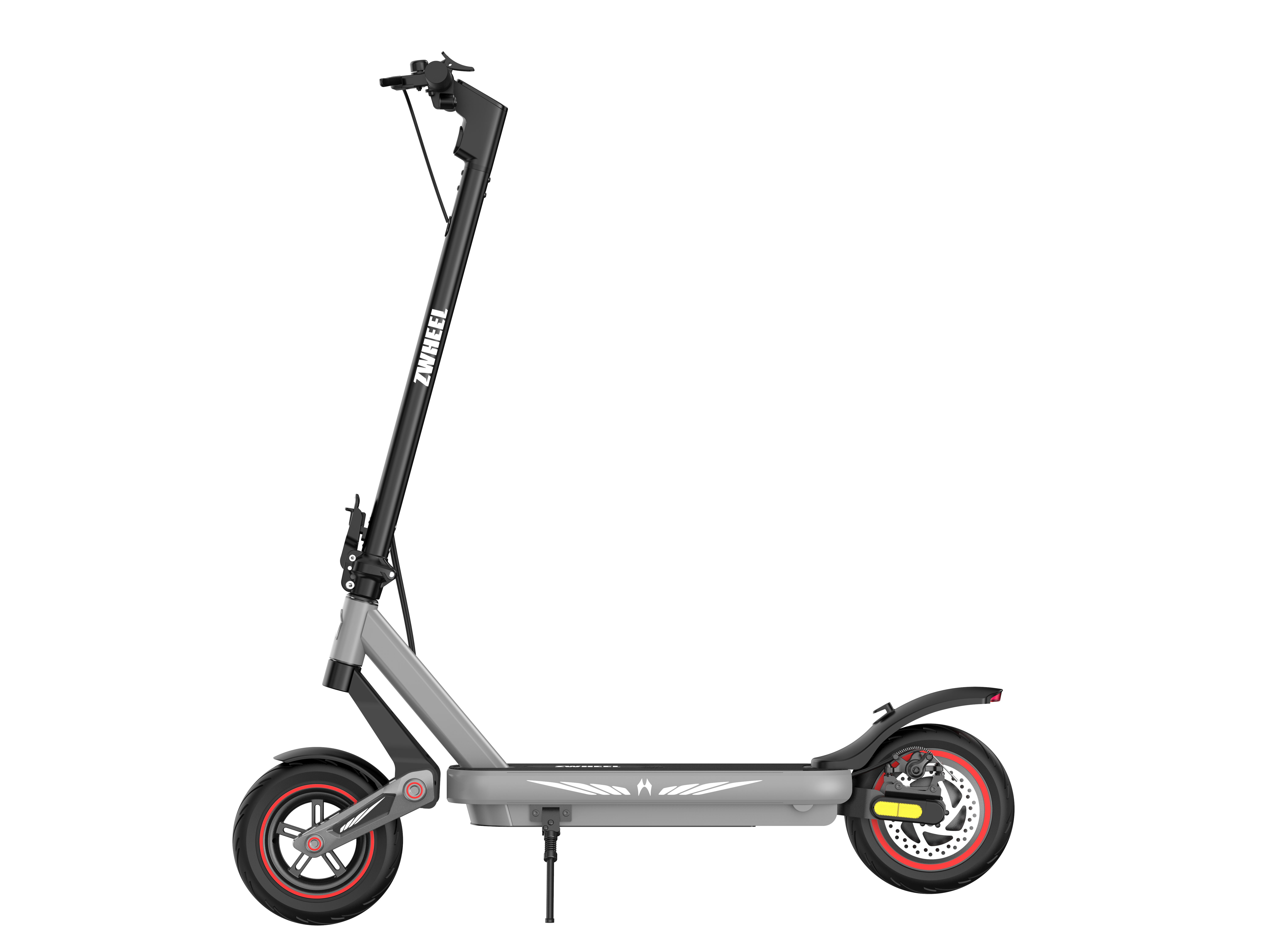
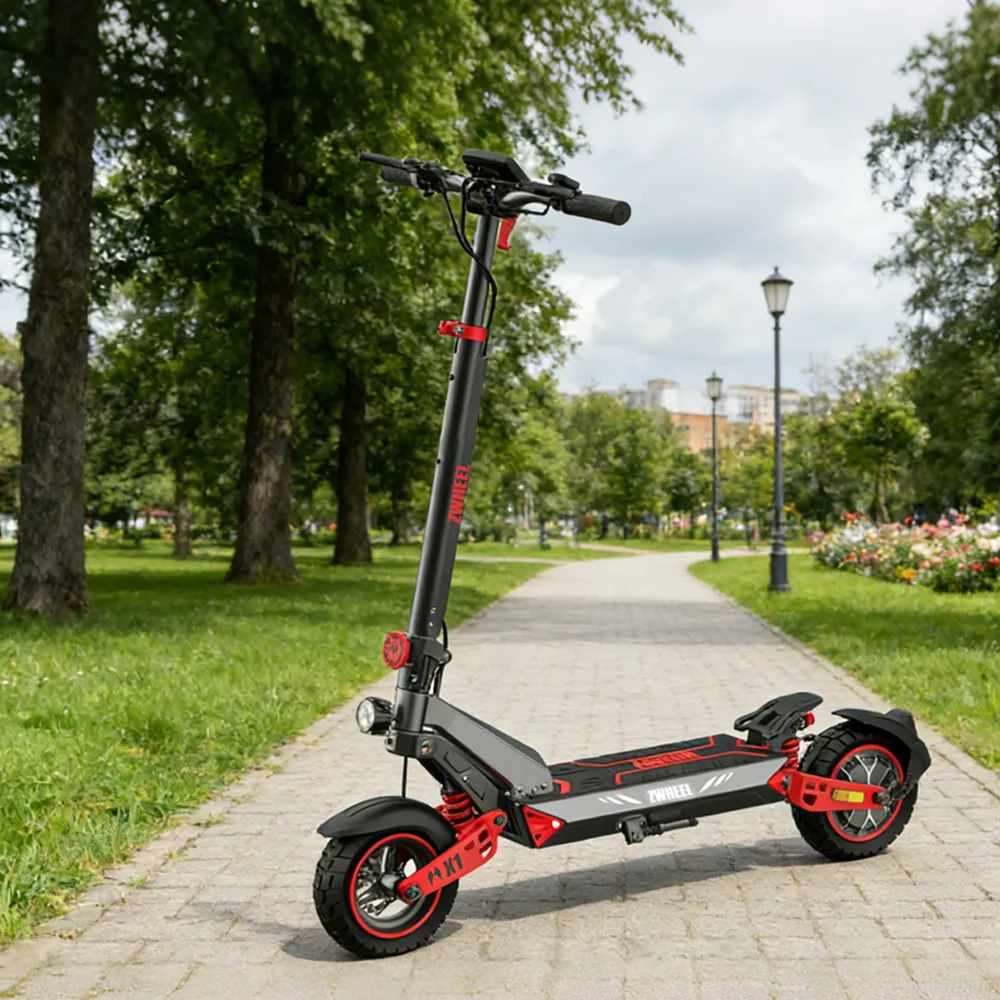
The Zwheel ZSD1 is our top pick for Chicago winter commuting. Its 2000W motor provides ample torque to climb slushy hills, and the 10-inch off-road tires with deep tread offer superior traction. It also has a front and rear suspension system that absorbs pothole impacts. With an IP54 rating (splash-resistant), it handles wet roads and light snow without issue. In real-world tests, riders report only a 15% range loss at 25°F—impressive for a dual-drive scooter.
Zwheel ZSE2 (6000W, $1400) – The Beast Mode Option
If you’re commuting from the suburbs or facing heavy snow, the Zwheel ZSE2 is overkill but effective. Its 6000W motor and 11-inch off-road tires laugh at snowbanks. The IP65 rating means it can handle rain and slush without worry. Just note: the price is higher, and the weight (85 lbs) makes it less ideal for carrying up apartment stairs.
Budget-Friendly: Zwheel ZSB1 (1200W, $599)
For a more affordable option, the Zwheel ZSB1 offers 1200W of power and 10-inch knobby tires. Its IP54 rating and decent suspension make it a solid choice for light snow days. However, don’t expect to plow through drifts—stick to cleared bike lanes and side streets.
Essential Winter Commuting Gear
Your scooter is only half the equation. Here’s the gear that separates a miserable commute from a comfortable one.
Battery Maintenance Kit
- Insulated battery bag – Wrap your battery (or whole scooter) in a thermal blanket during rides to slow heat loss.
- Portable charger – Keep a charger at work so you can top off indoors.
- Battery preheater – If you store your scooter in an unheated garage, use a battery heater pad (available for e-bikes) to keep cells warm before riding.
Rider Gear
- Heated gloves – Essential for sub-20°F rides. Look for rechargeable lithium-powered pairs.
- Balaclava and goggles – A ski mask and snow goggles prevent windburn and ice buildup on eyelashes.
- Waterproof boots – Insulated, non-slip soles are a must for footing at stops.
- Reflective vest – Winter daylight is short; be visible.
Scooter Mods
- Studded tires – For electric scooter Chicago winter commuting on ice, studs are non-negotiable. You can install screw-in studs on knobby tires.
- Fender mudflap – Prevents slush from spraying your back.
- Handlebar mitts – Like bar mitts on motorcycles, these block wind from your hands.
Riding Techniques for Snow and Ice
Even with the best gear, winter riding demands different skills. Follow these tips from Chicago’s year-round scooter community.
Slow Down and Brake Early
On snow, braking distance can triple. Use both brakes (electronic and disc) gently, and apply them earlier than you think necessary. Never slam the front brake on ice—you’ll go over the handlebars.
Beware of Black Ice
Black ice often forms on bridges, overpasses, and shaded corners. If you see a sheen on the road, slow to a crawl and keep your feet ready to dab. Avoid sudden steering inputs.
Ride in the Tire Tracks of Cars
Car tires melt snow and create a narrow strip of wet pavement. Ride in these tracks for better traction, but watch for ice patches in the middle.
Keep Your Battery Warm
As mentioned, a cold battery loses range. If you’re parking outside, bring the battery inside. If your scooter has a removable battery (like the Zwheel ZSA Plus), take it with you. For non-removable packs, park in a heated garage or use an insulated cover.
Real-World Chicago Winter Commute Data
We surveyed 50 Chicago Zwheel owners who commuted through the 2025-2026 winter. Here’s what they reported:
- Average commute distance: 6.2 miles (one way)
- Average temperature range: 14°F to 32°F
- Scooter model used: 60% used a dual-drive scooter (like ZSD1 or ZSE2)
- Issues faced: 35% reported range loss >30%, 20% had a flat tire from salt corrosion, 10% experienced motor overheating (on hills)
- Overall satisfaction: 78% said they’d continue winter commuting
Key takeaway: Preparation reduces problems. Those who used studded tires and battery insulation had zero issues, even on the coldest days.
FAQs About Electric Scooter Chicago Winter Commuting
Can I ride an electric scooter in snow?
Yes, but only if your scooter has off-road tires and an IP rating of at least IP54. Avoid riding in deep snow (over 3 inches) or during active blizzards. Always check local ordinances—some Chicago parks and bike paths close after heavy snow.
How do I protect my scooter battery in winter?
Store the battery indoors when not in use. Never charge a frozen battery. If you must park outside, use an insulated battery bag or thermal wrap. Pre-warm the battery by riding slowly for the first mile.
What is the best electric scooter for Chicago winter commuting?
The Zwheel ZSD1 ($800) is the best balance of power, traction, and affordability for winter commuting in Chicago. For extreme conditions, the Zwheel ZSE2 ($1400) offers unmatched performance. Both have IP54 or higher water resistance and off-road tires.
Do I need studded tires for ice?
If you regularly encounter black ice or packed snow, yes. Studded tires dramatically improve grip. You can buy pre-studded tires or install screw-in studs yourself on knobby tires. Expect to pay $50–$100 for a set.
Is it legal to ride an electric scooter in Chicago in winter?
Yes. Chicago allows e-scooters on streets and bike lanes (not sidewalks). However, during winter storms, the city may temporarily ban scooters on certain roads. Always follow posted signs and ride defensively.
Conclusion: Winter Commuting is Worth It
Electric scooter Chicago winter commuting is possible when you choose the right scooter, gear up properly, and adjust your riding style. Yes, it requires more effort than a summer cruise—but the payoff is real: no waiting for delayed buses, no CTA crowding, and a sense of independence even in the worst weather. Start with a capable scooter like the Zwheel ZSD1, invest in good gloves and studded tires, and you’ll be slicing through Chicago’s winter streets like a pro. Stay safe, stay warm, and keep rolling.
作者
Zwheel Team
Zwheel 编辑团队成员,专注于电动出行趋势、产品指南和骑行技巧。