
Electric Scooter Footrest Position: Ergonomics Guide
Your foot placement on an electric scooter affects balance, control, and fatigue. This guide explains the correct footrest position for different riding scenarios and how to adjust for comfort and safety.

目录
- Why Footrest Position Matters on an Electric Scooter
- The Anatomy of a Good Scooter Stance
- Front Foot Position
- Rear Foot Position
- Footrest Position for Different Riding Scenarios
- Commuting and City Riding
- Off-Road and Mixed Terrain
- High-Speed Riding
- Common Footrest Mistakes and How to Fix Them
- Feet Too Close Together
- Rear Foot Not Angled
- Toes Over the Edge
- Stiff Legs
- How to Find Your Ideal Footrest Position
- Ergonomic Benefits of a Proper Stance
- Advanced Tips for Experienced Riders
- Conclusion
- Frequently Asked Questions
- Should I keep both feet on the scooter at all times?
- What is the best foot position for long rides?
- Can foot placement affect my scooter's battery life?
- Do I need to change my footrest position on different terrains?
Why Footrest Position Matters on an Electric Scooter
When you ride an electric scooter, your feet are the only connection to the deck. The way you place them influences how you accelerate, brake, and turn. A proper footrest position improves stability, reduces fatigue on longer rides, and helps you react quickly to obstacles. Many riders overlook this simple adjustment, but it can make the difference between a shaky commute and a smooth glide.
Think of your feet as the suspension and steering input. If they're too close together, you lose lateral stability. If they're too far apart, you strain your hips and knees. The goal is a stance that feels natural and allows your knees to act as shock absorbers.
The Anatomy of a Good Scooter Stance
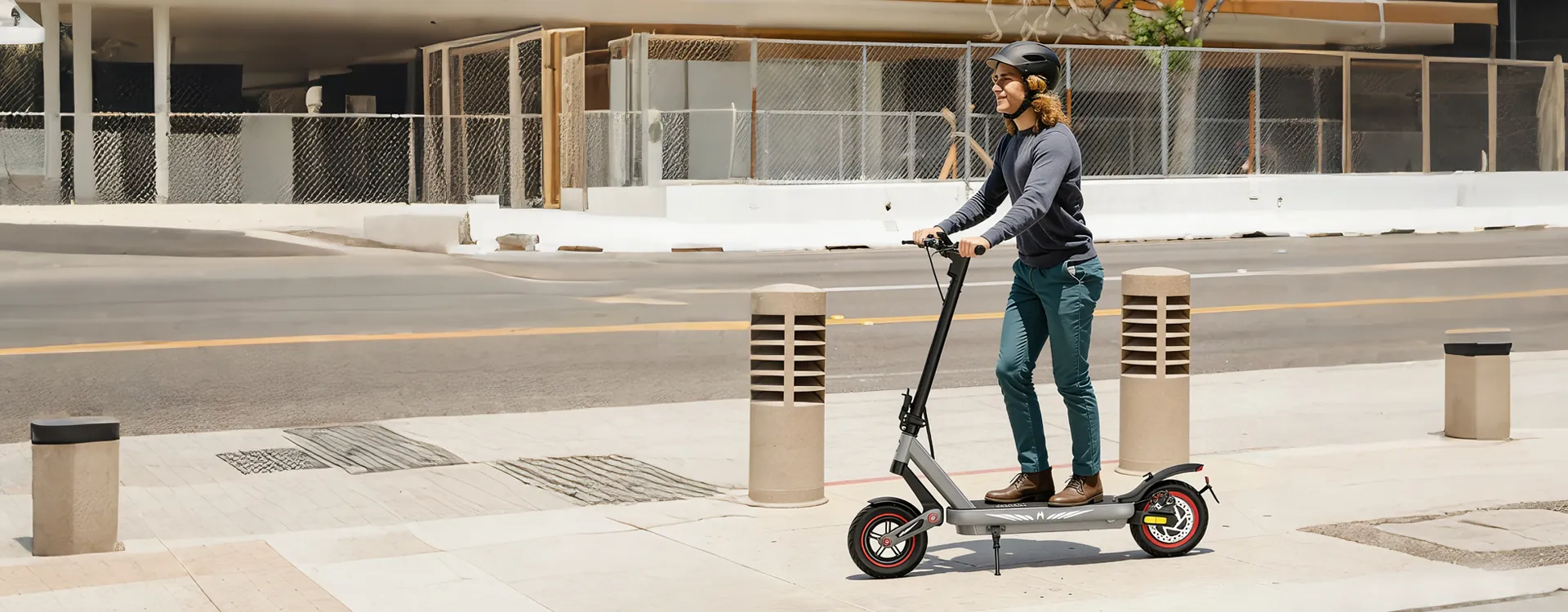
Your stance should be shoulder-width apart, with your feet perpendicular to the direction of travel. This gives you a solid base. Your front foot should point forward, slightly angled (about 10-20 degrees) to help with balance and turning. Your rear foot should be at a 45-90 degree angle, depending on your comfort and the scooter's deck design.
Front Foot Position
Place your front foot near the front of the deck, just behind the stem. This allows you to shift weight forward for acceleration and braking. Keep your toes slightly pointed outward to engage your hips for balance. Avoid placing your foot too far forward, which can interfere with steering.
Rear Foot Position
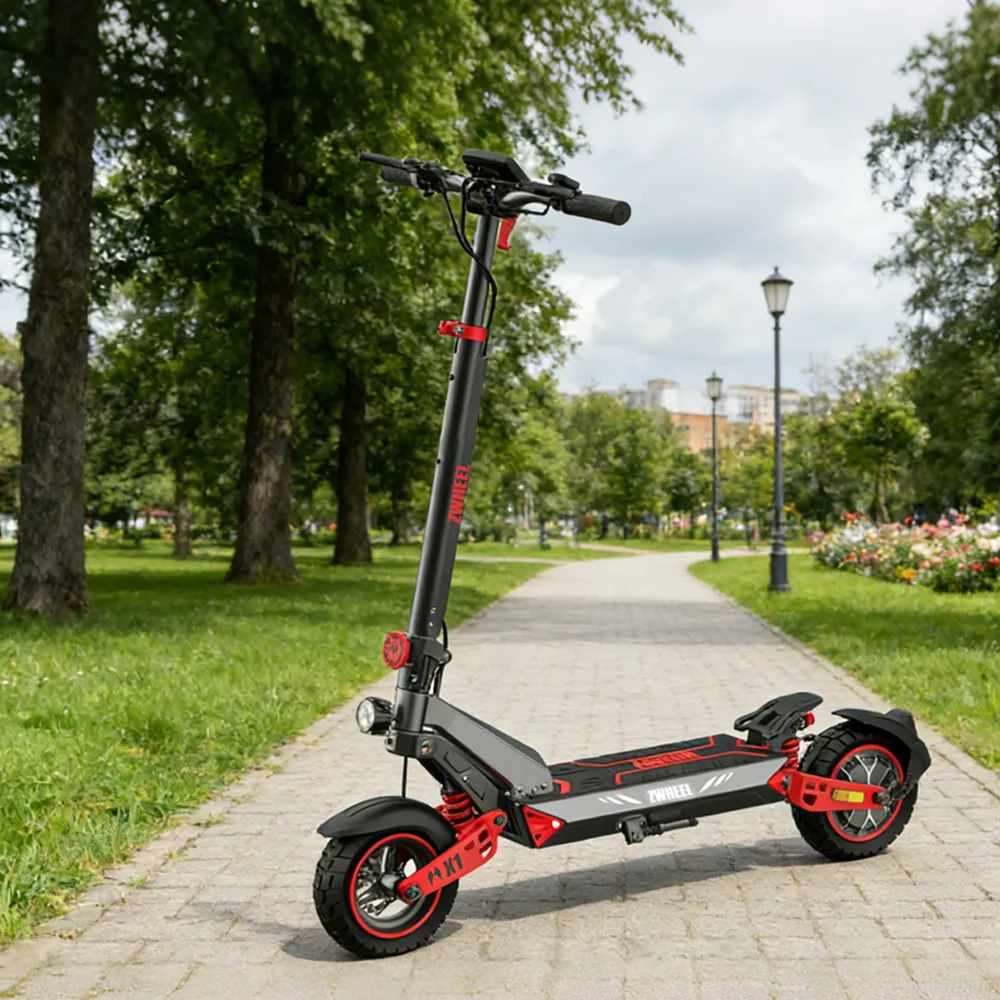
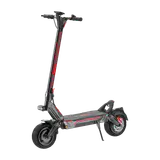
Your rear foot should be placed at the back of the deck, angled to brace against acceleration forces. This foot acts as your stabilizer. On decks with a kickplate (like the Zwheel ZSA Plus), push your heel against it to lock in your stance. This prevents your foot from slipping off during hard acceleration.
Footrest Position for Different Riding Scenarios
Commuting and City Riding
For stop-and-go traffic, keep your feet in a neutral stance—shoulder-width apart, with the rear foot at a 45-degree angle. This allows quick weight shifts. You'll want to be able to put a foot down at traffic lights. Practice a two-footed stop for maximum stability, but for quick stops, a single foot down is fine.
Off-Road and Mixed Terrain
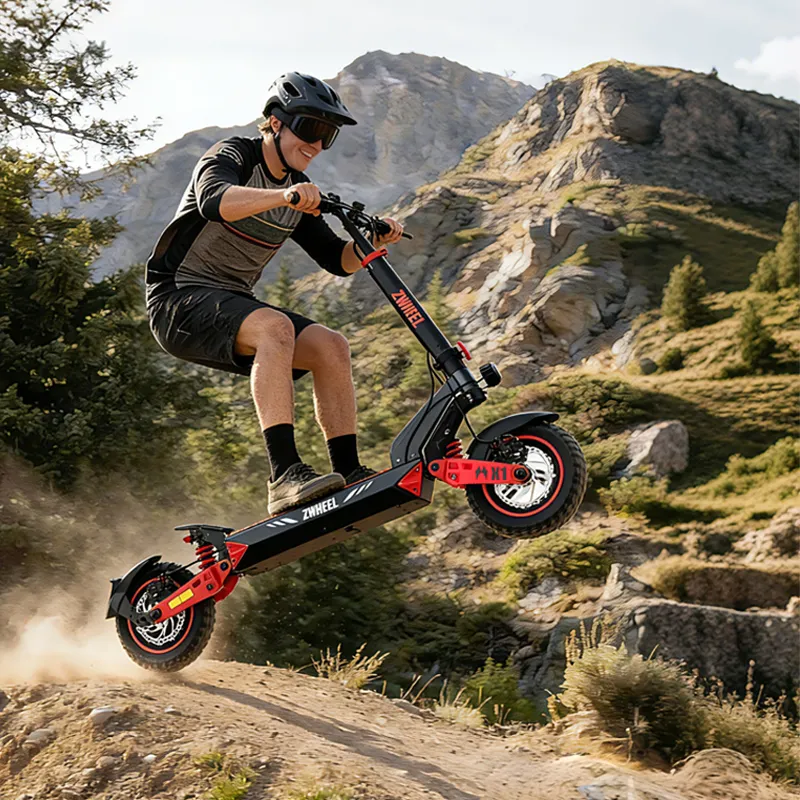
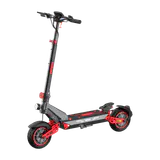
When riding on gravel or dirt, widen your stance slightly and bend your knees more. Your rear foot should be at a 90-degree angle to brace against bumps. On scooters with off-road tires like the Zwheel ZSB1, this stance gives you better control over rough surfaces. Keep your weight centered and your arms loose.
High-Speed Riding
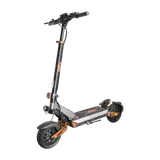
At speeds above 20 mph (32 km/h), aerodynamics and stability become critical. Lower your center of gravity by crouching slightly, and place your rear foot firmly against the kickplate. Keep both feet parallel to reduce wind resistance. On powerful scooters like the Zwheel ZSD2, this stance helps you stay planted during acceleration.
Common Footrest Mistakes and How to Fix Them
Feet Too Close Together
This reduces your lateral stability, making you feel wobbly. Fix: Move your feet to shoulder-width apart. If your scooter's deck is narrow, angle your feet more to create a wider base.
Rear Foot Not Angled
If your rear foot points forward, you have no brace against acceleration. Fix: Turn it to a 45-90 degree angle. You'll feel more secure when throttling.
Toes Over the Edge
Hanging your toes off the side might feel comfortable, but it compromises control. Fix: Keep your feet fully on the deck, with your toes just at the edge.
Stiff Legs
Locking your knees transmits every bump to your spine. Fix: Keep a slight bend in your knees. This allows your legs to act as suspension.
How to Find Your Ideal Footrest Position
Start by parking your scooter and standing on it with both feet. Shift your feet until you feel balanced. Then, take a slow test ride in a safe area. Try different foot angles and positions until you find what feels natural. Remember, your stance should be comfortable for the duration of your ride.
Also, consider the deck size and shape. A longer deck gives you more room to adjust. For example, the Zwheel D3S-S has a generous deck that accommodates different stances. If you're between sizes, test a few models to see what feels best.
Ergonomic Benefits of a Proper Stance
A correct footrest position reduces muscle fatigue in your calves and thighs. It also prevents lower back pain by keeping your spine aligned. Over time, you'll develop muscle memory, and the correct stance will become automatic. This is especially important for daily commuters who spend hours on their scooters.
Additionally, a good stance improves your reaction time. If you need to swerve or brake suddenly, your feet are already in the optimal position to shift your weight. This can be a lifesaver in urban traffic.
Advanced Tips for Experienced Riders
Once you've mastered the basics, you can experiment with different stances for specific tricks or riding styles. For example, some riders prefer a staggered stance (front foot forward, rear foot back) for better aerodynamic tucks. Others use a wide stance for off-road stability. The key is to stay flexible and adapt to the situation.
Remember to adjust your stance when carrying cargo or a passenger. The extra weight changes the scooter's balance, so you'll need to shift your feet slightly to maintain control.
Conclusion
Your footrest position on an electric scooter is not just a matter of comfort—it's a key element of safe and efficient riding. By following this ergonomics guide, you can improve your balance, control, and endurance. Whether you're commuting on a Zwheel ZSA Plus or conquering trails on a Zwheel ZSD1, take the time to find your ideal stance. Your body will thank you, and your rides will be smoother.
Frequently Asked Questions
Should I keep both feet on the scooter at all times?
Yes, for maximum control and safety, keep both feet on the deck while riding. Only put a foot down when you're coming to a complete stop or need to balance at very low speeds.
What is the best foot position for long rides?
For long rides, use a neutral stance with your feet shoulder-width apart and your rear foot at a 45-degree angle. This distributes weight evenly and reduces fatigue. Shift your position occasionally to avoid stiffness.
Can foot placement affect my scooter's battery life?
Indirectly, yes. A proper stance allows you to ride more efficiently, reducing unnecessary braking and acceleration. Smooth riding conserves battery, so good foot placement can extend your range.
Do I need to change my footrest position on different terrains?
Yes. On smooth pavement, a relaxed stance works. On rough terrain, widen your stance and bend your knees more. For high-speed descents, lower your center of gravity and brace your rear foot.
作者
Zwheel Team
Zwheel 编辑团队成员,专注于电动出行趋势、产品指南和骑行技巧。