Electric Scooter in Hot Weather: Battery & Riding Tips
Hot weather can damage your electric scooter's battery and affect riding safety. Discover expert tips on temperature limits, storage, and riding techniques to keep your scooter running smoothly all summer.
目录
- Electric Scooter in Hot Weather: Battery and Riding Tips
- Why Hot Weather Affects Electric Scooter Batteries
- Battery Care Tips for Hot Weather
- 1. Park in the Shade
- 2. Avoid Charging in the Heat
- 3. Monitor Tire Pressure
- 4. Store at Optimal Temperature
- 5. Use a Quality Charger
- Riding Tips for Hot Weather
- 1. Ride During Cooler Hours
- 2. Adjust Your Riding Style
- 3. Watch for Overheating Signs
- 4. Stay Hydrated and Protected
- 5. Inspect Your Scooter Regularly
- Choosing a Heat-Resistant Electric Scooter
- Frequently Asked Questions
- Can I ride my electric scooter in 100°F weather?
- How do I know if my scooter battery is overheating?
- Can I leave my scooter in the car on a hot day?
- Does hot weather reduce electric scooter range?
- How should I store my scooter in summer?
- Final Thoughts
Electric Scooter in Hot Weather: Battery and Riding Tips
Summer brings longer days and more opportunities to ride, but the heat can take a toll on your electric scooter—especially its battery. Whether you're commuting to work or hitting the trails, understanding how high temperatures affect your scooter's performance and safety is crucial. In this guide, we'll share practical tips to protect your battery and ride safely when the mercury rises.
Why Hot Weather Affects Electric Scooter Batteries
Most electric scooters use lithium-ion batteries, which are sensitive to temperature extremes. While they operate best between 50°F and 80°F (10°C–27°C), prolonged exposure to heat above 85°F (30°C) can accelerate degradation. Here's what happens:
- Increased internal resistance: Heat causes the battery to work harder, reducing efficiency and range.
- Faster aging: High temperatures speed up chemical reactions, permanently reducing capacity.
- Risk of thermal runaway: In extreme cases (above 140°F/60°C), batteries can overheat and potentially catch fire.
Even if you don't ride in extreme heat, simply parking your scooter in direct sunlight can raise battery temperature significantly. That's why proactive management is key.
Battery Care Tips for Hot Weather
1. Park in the Shade
Never leave your scooter in direct sunlight for extended periods. The battery compartment can heat up quickly, especially on dark-colored decks. Look for shaded areas or bring your scooter indoors when possible. If you must park outside, use a reflective cover to deflect heat.
2. Avoid Charging in the Heat
Charging generates heat, so avoid charging immediately after a ride or in a hot garage. Let your scooter cool down for at least 30 minutes before plugging it in. Charge in a cool, well-ventilated area—ideally indoors with air conditioning. Never charge in direct sunlight or in a car trunk.
3. Monitor Tire Pressure
Heat causes tire pressure to increase, which can affect handling and range. Check your tires weekly and adjust to the manufacturer's recommended PSI (usually 35-50 psi for scooters). Under-inflated tires generate more heat and reduce efficiency, while over-inflated tires risk blowouts.
4. Store at Optimal Temperature
If you're not using your scooter for a while, store it in a cool, dry place—ideally between 50°F and 70°F (10°C–21°C). Avoid leaving it in a hot shed or garage. For long-term storage, keep the battery at around 50-60% charge to minimize stress.
5. Use a Quality Charger
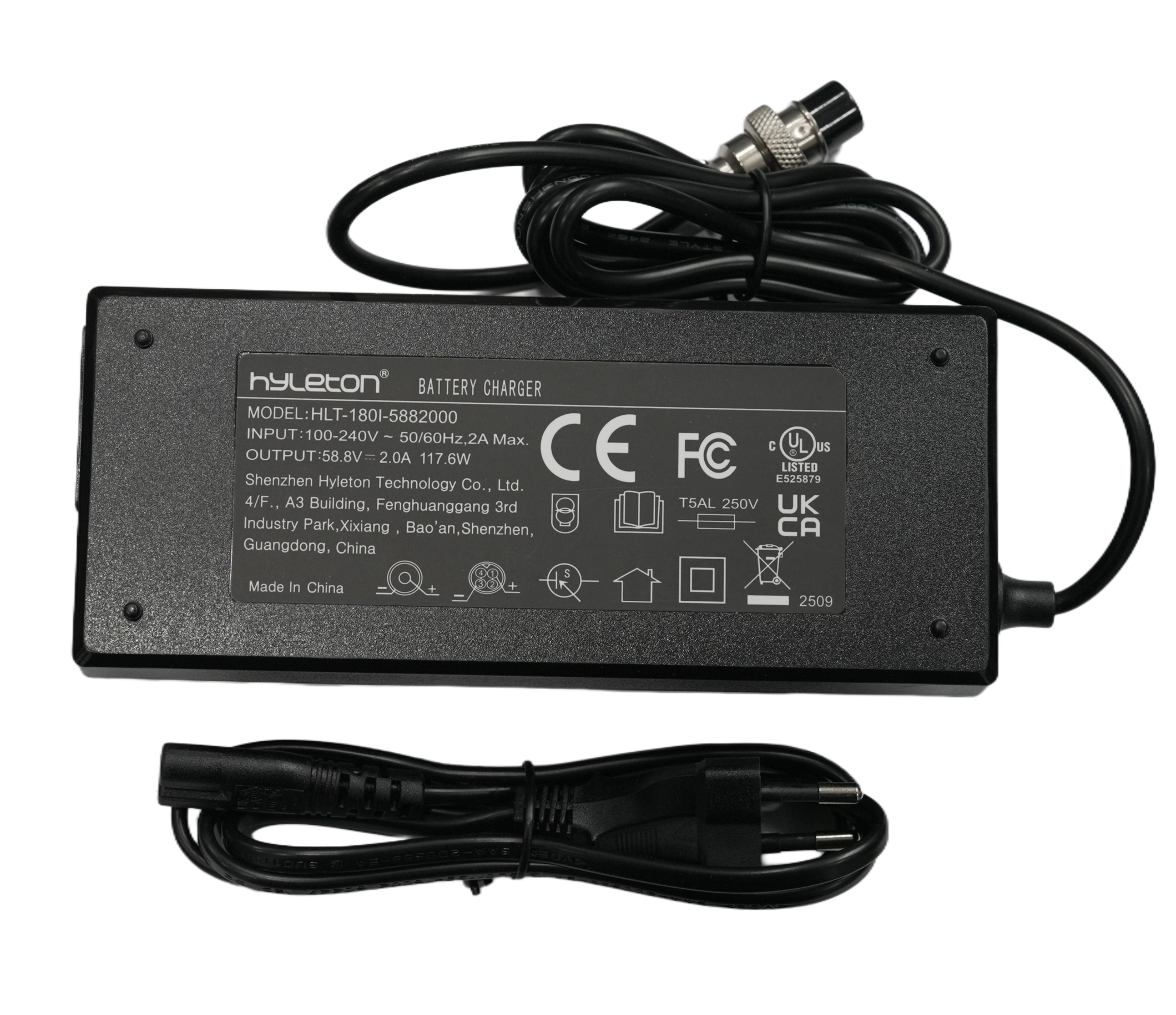
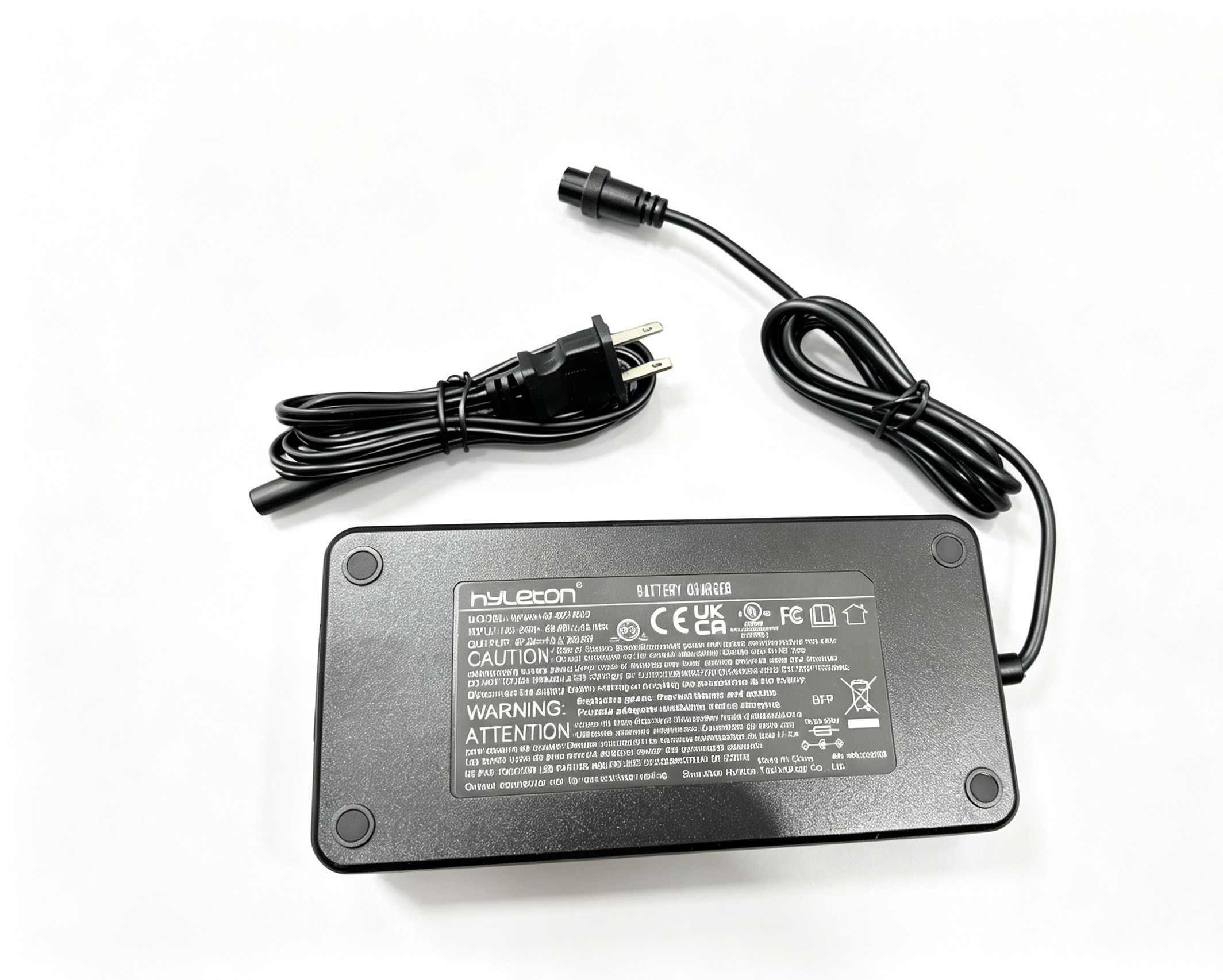
Cheap or mismatched chargers can overheat and damage your battery. Always use the original charger or a reputable replacement. If your charger feels excessively hot during use, unplug it and let it cool.
Riding Tips for Hot Weather
1. Ride During Cooler Hours
Plan your rides for early morning or evening when temperatures are lower. This not only protects your battery but also reduces heat stress on you and your scooter's motor. Avoid riding during peak heat (usually 11 AM to 4 PM).
2. Adjust Your Riding Style
Aggressive acceleration and high speeds generate more heat in the motor and controller. In hot weather, ease into acceleration and maintain a steady, moderate speed. If your scooter has multiple power modes, use a lower setting to reduce strain.
3. Watch for Overheating Signs
Most scooters have built-in thermal protection that reduces power or shuts down if components overheat. If you notice a sudden loss of power, unusual smells, or a hot deck, stop riding and let the scooter cool down. Continuing to ride can cause permanent damage.
4. Stay Hydrated and Protected
Don't forget about yourself! Heat exhaustion is a real risk. Wear lightweight, breathable clothing, use sunscreen, and carry water. A helmet is essential, but choose one with good ventilation to avoid overheating.
5. Inspect Your Scooter Regularly
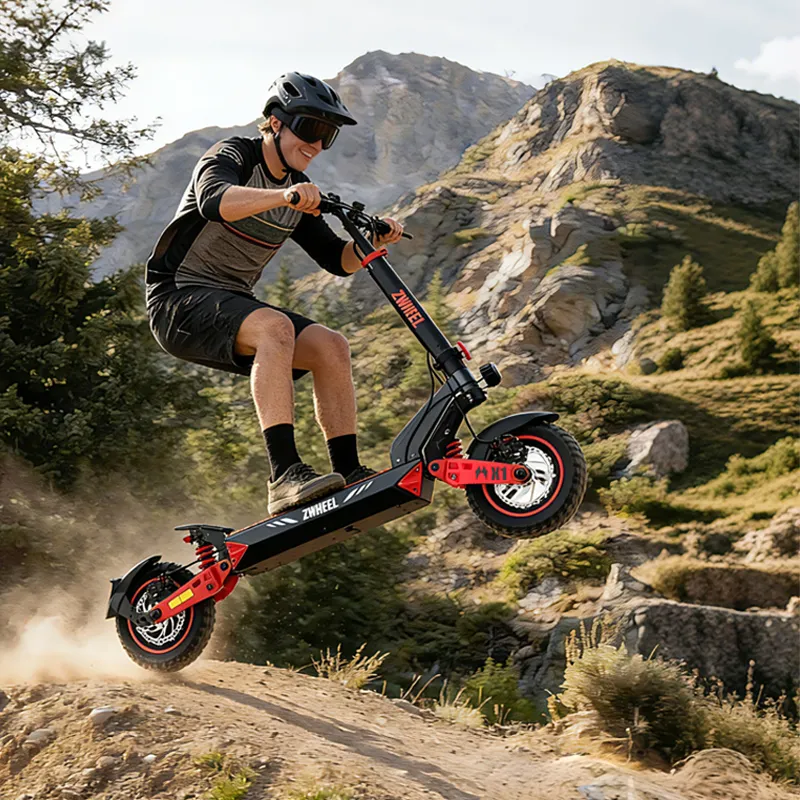
Heat can exacerbate wear and tear. Check your brakes, tires, and cables more frequently in summer. Look for signs of overheating, such as discolored components or a burning smell. If you ride an off-road model like the Zwheel ZSB2, pay extra attention to the motor and suspension after dusty, hot rides.
Choosing a Heat-Resistant Electric Scooter
Not all scooters are built to handle high temperatures. Look for models with robust thermal management, such as aluminum heat sinks or intelligent battery management systems (BMS). For example, the Zwheel ZSD1 features an advanced BMS that monitors cell temperature and adjusts output to prevent overheating—ideal for riders in hot climates.
If you're a commuter, the Zwheel ZSA Plus offers reliable performance with a battery designed to withstand typical summer conditions. Always check the manufacturer's recommended operating temperature range before purchasing.
Frequently Asked Questions
Can I ride my electric scooter in 100°F weather?
It's not recommended. Most manufacturers advise against riding above 95°F (35°C) because the battery and motor can overheat. If you must ride, keep it short and monitor for signs of overheating.
How do I know if my scooter battery is overheating?
Signs include a hot deck, reduced power, strange odors, or the scooter shutting down unexpectedly. If you notice any of these, stop riding and let it cool completely before inspecting.
Can I leave my scooter in the car on a hot day?
Never. Car interiors can reach 140°F+ in minutes, which can permanently damage the battery and pose a fire risk. Always take your scooter with you or park in a shaded area.
Does hot weather reduce electric scooter range?
Yes, heat can reduce range by 10-20% due to increased internal resistance and the battery management system limiting power to protect cells. You may also use more energy if you're running air conditioning or riding aggressively.
How should I store my scooter in summer?
Store it in a cool, dry place away from direct sunlight. If you can't bring it indoors, use a breathable cover and avoid charging until it cools down. For extended storage, keep the battery at 50-60% charge.
Final Thoughts
Riding an electric scooter in hot weather requires a bit of extra care, but with these tips, you can protect your battery and stay safe on the road. Remember to park in the shade, avoid charging in the heat, and adjust your riding style. For those in hotter climates, consider a scooter with robust thermal management—like those from Zwheel—to ensure longevity and performance. Stay cool and ride smart!
作者
Zwheel Team
Zwheel 编辑团队成员,专注于电动出行趋势、产品指南和骑行技巧。