Front Wheel Drive vs Rear Wheel Drive Electric Scooter: Which Is Better?
Choosing between a front wheel drive and rear wheel drive electric scooter affects your ride quality, safety, and performance. We break down the pros and cons of FWD vs RWD e-scooters to help you decide.
目录
- Front Wheel Drive vs Rear Wheel Drive Electric Scooter: Which Is Better?
- What Is Front Wheel Drive (FWD) in an Electric Scooter?
- Advantages of FWD E-Scooters
- Disadvantages of FWD E-Scooters
- What Is Rear Wheel Drive (RWD) in an Electric Scooter?
- Advantages of RWD E-Scooters
- Disadvantages of RWD E-Scooters
- Front Wheel Drive vs Rear Wheel Drive Electric Scooter: Key Differences
- 1. Acceleration and Hill Climbing
- 2. Braking Stability
- 3. Handling and Maneuverability
- 4. Terrain Suitability
- Which Drive Type Is Right for You?
- Choose a Front Wheel Drive E-Scooter If:
- Choose a Rear Wheel Drive E-Scooter If:
- Real-World Performance: FWD vs RWD at Different Speeds
- How to Test Drive Type Before Buying
- Maintenance and Longevity Considerations
- Frequently Asked Questions
- Is front wheel drive or rear wheel drive better for electric scooters?
- Can you convert a front wheel drive scooter to rear wheel drive?
- Does dual motor mean both front and rear wheel drive?
- Which is safer: FWD or RWD electric scooter?
- How does drive type affect battery life?
- Final Verdict: Front Wheel Drive vs Rear Wheel Drive Electric Scooter
Front Wheel Drive vs Rear Wheel Drive Electric Scooter: Which Is Better?
If you're shopping for an electric scooter, you've likely encountered the debate: front wheel drive vs rear wheel drive electric scooter — which is better for your needs? The answer isn't one-size-fits-all. Your choice impacts acceleration, braking stability, hill-climbing ability, and overall ride comfort. In this guide, we compare FWD and RWD e-scooters across key performance metrics, with real-world insights and actionable advice to help you pick the perfect ride.
What Is Front Wheel Drive (FWD) in an Electric Scooter?
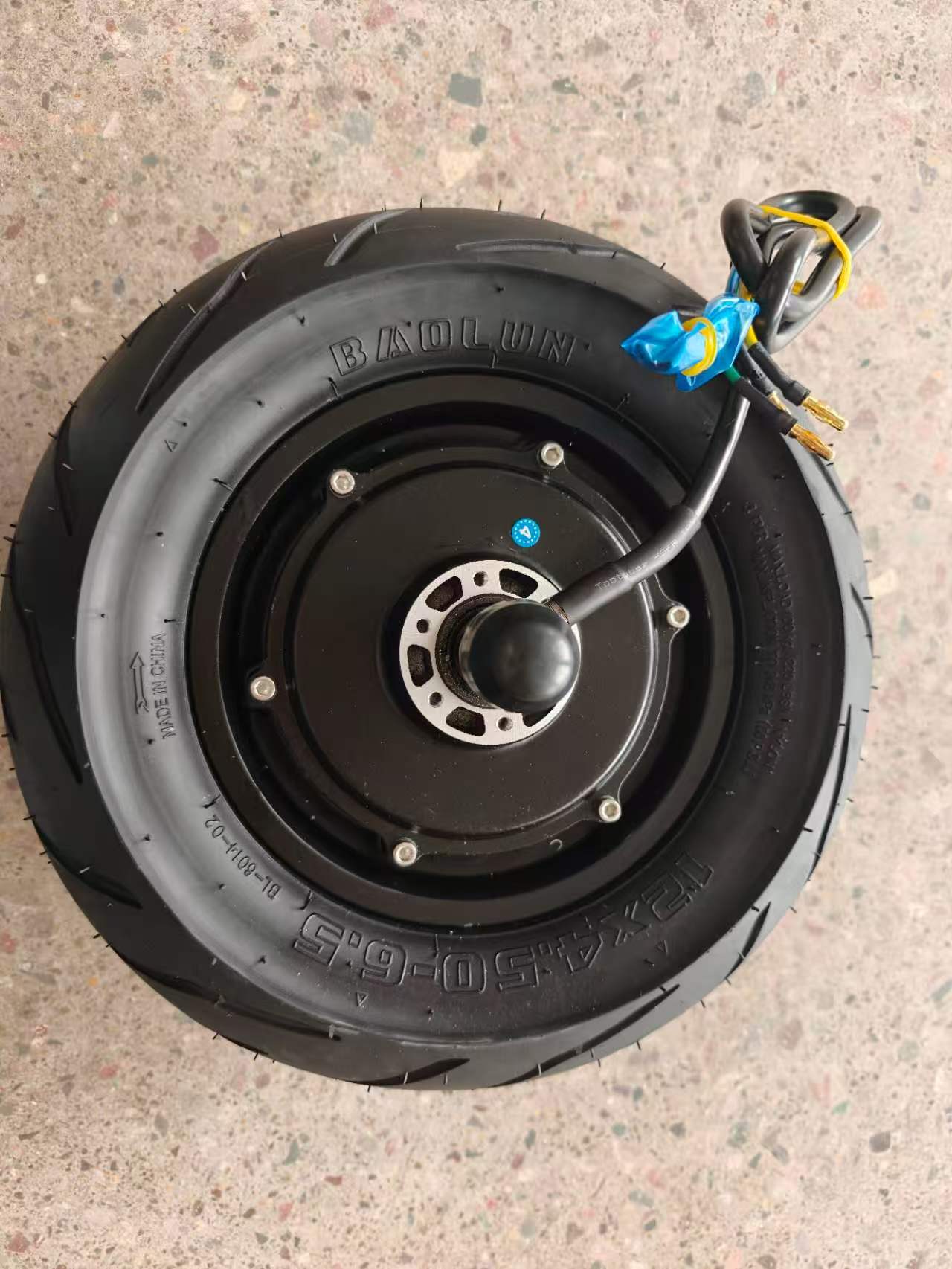
In a front-wheel-drive e-scooter, the motor is mounted in the front hub, pulling the scooter forward. This design is common in budget-friendly and some mid-range models because it simplifies the drivetrain and reduces manufacturing costs. FWD e-scooters tend to be lighter, as the motor is on the front wheel, leaving the rear wheel free for a simpler brake or regenerative braking system.
Advantages of FWD E-Scooters
- Improved stability under acceleration: The front wheel pulls the scooter, reducing the risk of wheelspin on loose surfaces.
- Lighter weight: With the motor up front, the rear wheel can be simpler, often resulting in a lower overall weight — ideal for carrying up stairs.
- Better for flat, smooth surfaces: On paved city streets, FWD provides predictable handling and decent acceleration.
- Lower cost: FWD systems are generally cheaper to manufacture, making entry-level scooters more affordable.
Disadvantages of FWD E-Scooters
- Reduced traction on hills: During steep climbs, weight shifts backward, reducing front-wheel grip and causing wheelspin.
- Less stable braking: When braking hard, weight transfers forward, which can overload the front wheel and cause skidding or loss of steering control.
- Wheelspin on wet or loose surfaces: The front wheel can lose grip when accelerating on gravel, wet pavement, or painted lines.
- Harder to steer while accelerating: Because the front wheel is doing double duty — steering and driving — you may feel a slight tug or reduced steering precision.
What Is Rear Wheel Drive (RWD) in an Electric Scooter?
Rear-wheel-drive e-scooters place the motor in the rear hub, pushing the scooter from behind. This is the preferred layout for many performance-oriented and off-road scooters because it offers superior traction during acceleration and better weight distribution. RWD scooters are often more expensive but deliver a more engaging and capable ride.
Advantages of RWD E-Scooters
- Superior hill-climbing: When climbing, weight shifts to the rear wheel, increasing grip and preventing wheelspin. RWD scooters can handle steeper grades without losing traction.
- Better acceleration on loose surfaces: The rear wheel digs in, providing strong forward thrust even on gravel, dirt, or wet pavement.
- More stable braking: During hard braking, weight transfers forward, leaving the rear wheel lighter — but RWD systems often use regenerative braking on the rear motor, which helps maintain control.
- Predictable handling: RWD scooters tend to feel more planted and responsive, especially at higher speeds.
Disadvantages of RWD E-Scooters
- Heavier overall weight: The motor and drivetrain components are typically heavier, making the scooter less portable.
- Higher cost: RWD systems are more complex to manufacture, leading to higher prices.
- Potential for oversteer: On very slippery surfaces, too much power can cause the rear wheel to spin, leading to a fishtail effect — though modern traction control systems mitigate this.
Front Wheel Drive vs Rear Wheel Drive Electric Scooter: Key Differences
1. Acceleration and Hill Climbing
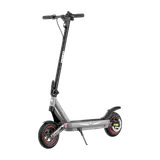
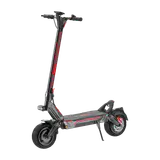
When it comes to getting up to speed and conquering inclines, RWD wins hands down. On a steep hill, weight shifts backward, giving the rear wheel more traction. An RWD scooter can maintain grip and accelerate smoothly, while an FWD scooter may spin its front wheel and struggle. For example, the Zwheel ZSD1 (2000W, RWD) is designed for mountain trails and steep city hills, offering exceptional climbing ability. In contrast, an FWD scooter like the Zwheel ZSA Plus (800W, FWD) is ideal for flat urban commutes but may falter on grades above 15%.
2. Braking Stability
Braking performance is critical for safety. In a hard stop, weight transfers forward, loading the front wheel. This can make an FWD scooter's front brake (often a disc or drum) more effective but also increases the risk of a nose dive or front-wheel lockup. RWD scooters typically have a rear brake (disc or regenerative) that helps maintain stability, as the rear wheel is less loaded. Many modern e-scooters use dual braking systems (front disc + rear regenerative) for the best of both worlds.
3. Handling and Maneuverability
FWD scooters can feel twitchy when accelerating through turns because the front wheel is both steering and driving. RWD scooters offer more predictable cornering, as the rear wheel pushes the scooter through the turn while the front wheel focuses on steering. For city riding with frequent turns and obstacles, RWD provides a more confidence-inspiring experience.
4. Terrain Suitability
- Flat city streets: Both FWD and RWD work well, but FWD is lighter and more affordable for short commutes.
- Hilly areas: RWD is strongly recommended for consistent climbing performance.
- Off-road or mixed terrain: RWD excels on gravel, dirt, and grass, while FWD may struggle with loose surfaces.
- Wet conditions: RWD offers better traction on wet pavement, but both benefit from quality tires.
Which Drive Type Is Right for You?
Choosing between FWD and RWD depends on your primary use case. Here's a quick guide based on common scenarios:
Choose a Front Wheel Drive E-Scooter If:
- You ride mostly on flat, paved roads.
- You need a lightweight, portable scooter for carrying onto public transit.
- Your budget is under $600, and you prioritize affordability over extreme performance.
- You want a simple, low-maintenance design.
Choose a Rear Wheel Drive E-Scooter If:
- You frequently ride on hills or uneven terrain.
- You value strong acceleration and high-speed stability.
- You plan to take your scooter off-road or on mixed surfaces.
- You're willing to invest more for premium performance and safety.
Real-World Performance: FWD vs RWD at Different Speeds
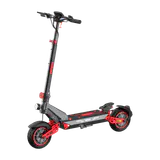
At low speeds (under 15 mph), FWD feels responsive and nimble, making it great for stop-and-go city traffic. At higher speeds (above 20 mph), RWD offers better stability and confidence, as the rear wheel provides consistent power delivery without upsetting the steering. For example, the Zwheel ZSE2 (6000W, RWD) is a high-performance scooter designed for speeds up to 50+ mph, where RWD is essential for control and safety.
How to Test Drive Type Before Buying
If possible, test ride both FWD and RWD scooters on a variety of surfaces. Pay attention to:
- Acceleration feel: Does the scooter pull smoothly or feel jerky?
- Hill climbing: Try a moderate incline and note any wheelspin.
- Cornering: Take a sharp turn while accelerating — does the front wheel feel vague?
- Braking: Perform a hard stop from 15 mph and check for stability.
If you can't test ride, read owner reviews and watch video tests that specifically mention hill performance and handling. Many e-scooter communities on Reddit and forums have detailed discussions about FWD vs RWD in real-world conditions.
Maintenance and Longevity Considerations
FWD scooters often have simpler drivetrains, which can mean fewer parts to maintain. However, the front motor is more exposed to impacts from curbs and potholes, potentially leading to bearing or motor damage over time. RWD scooters have the motor better protected behind the wheel, but the rear wheel bears more weight and torque, which can accelerate tire wear. Both types require regular tire pressure checks, brake adjustments, and motor inspections.
Frequently Asked Questions
Is front wheel drive or rear wheel drive better for electric scooters?
It depends on your riding needs. Rear wheel drive generally offers better hill climbing, acceleration, and stability, making it ideal for hilly or off-road conditions. Front wheel drive is lighter, cheaper, and sufficient for flat city commuting. Most performance-oriented e-scooters use RWD for its superior traction and handling.
Can you convert a front wheel drive scooter to rear wheel drive?
Technically, yes, but it's not practical. Converting requires replacing the entire wheel hub, motor, controller, and wiring, which often costs more than buying a new scooter. It's better to choose the drive type that matches your needs from the start.
Does dual motor mean both front and rear wheel drive?
Yes, many high-end e-scooters feature dual motors, providing all-wheel drive (AWD). This combines the benefits of both FWD and RWD, offering maximum traction, acceleration, and hill-climbing ability. Dual-motor scooters are heavier and more expensive but deliver the best all-around performance.
Which is safer: FWD or RWD electric scooter?
RWD is generally considered safer for most riders because it offers more predictable handling and better stability during acceleration and braking. However, FWD can be safe for experienced riders on flat, dry surfaces. Always wear a helmet and follow traffic rules regardless of drive type.
How does drive type affect battery life?
Drive type has minimal direct impact on battery life. Efficiency depends more on motor quality, controller tuning, and riding style. RWD scooters may use slightly more power due to heavier components, but the difference is negligible in real-world use. Focus on battery capacity (Wh) and motor efficiency instead.
Final Verdict: Front Wheel Drive vs Rear Wheel Drive Electric Scooter
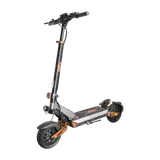
After comparing front wheel drive vs rear wheel drive electric scooter across multiple criteria, the winner depends on your priorities. For most riders, especially those commuting on hilly terrain or seeking better performance, rear wheel drive is the superior choice. It offers better traction, hill-climbing, and high-speed stability. However, if you're on a tight budget, ride only on flat surfaces, and need a lightweight scooter for short trips, a front wheel drive model like the Zwheel D3S-S (1000W, FWD) delivers excellent value. Ultimately, test riding both types will give you the clearest answer. No matter which you choose, investing in a quality e-scooter from a reputable brand ensures a safe and enjoyable ride.
作者
Zwheel Team
Zwheel 编辑团队成员,专注于电动出行趋势、产品指南和骑行技巧。