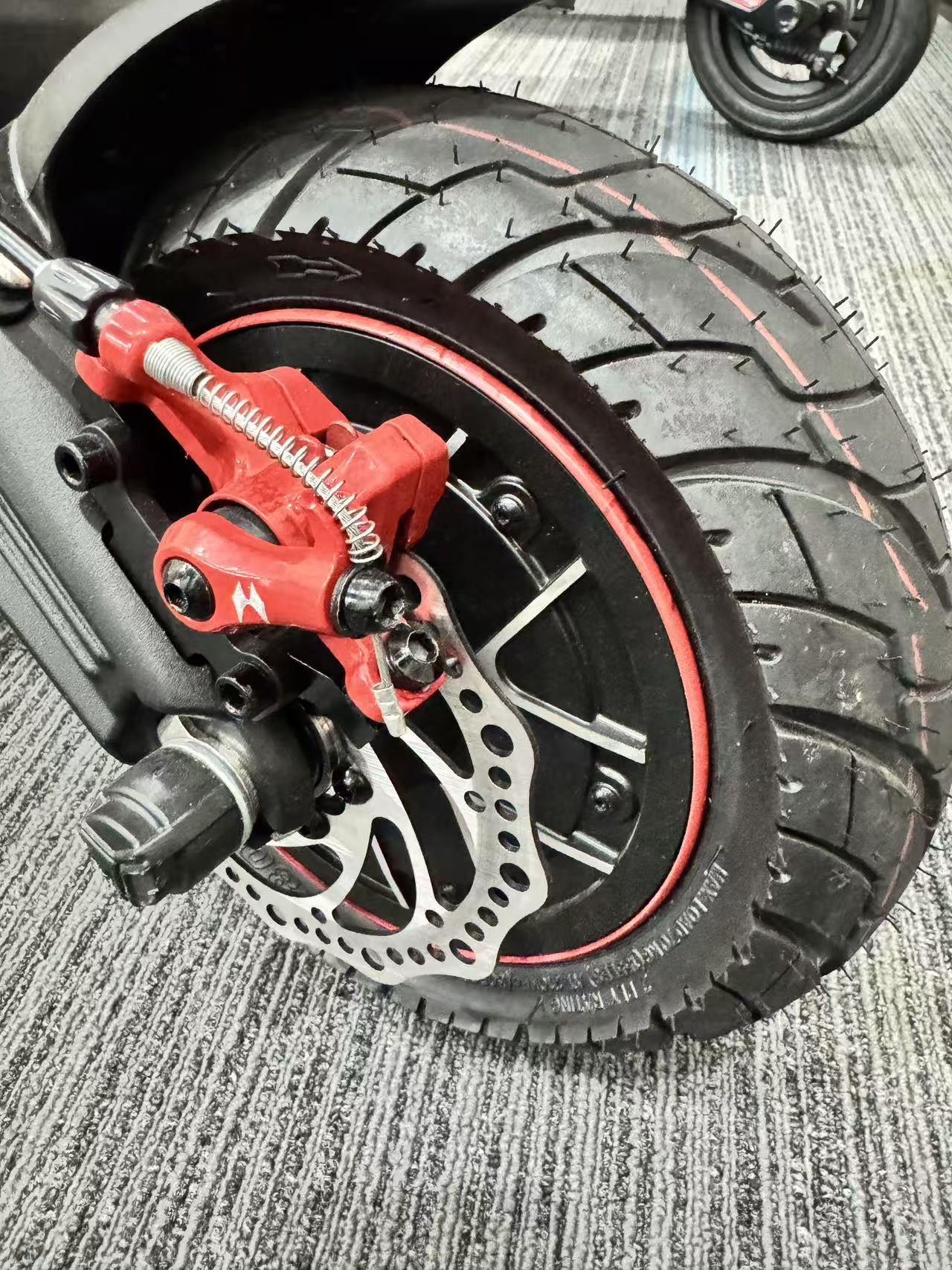
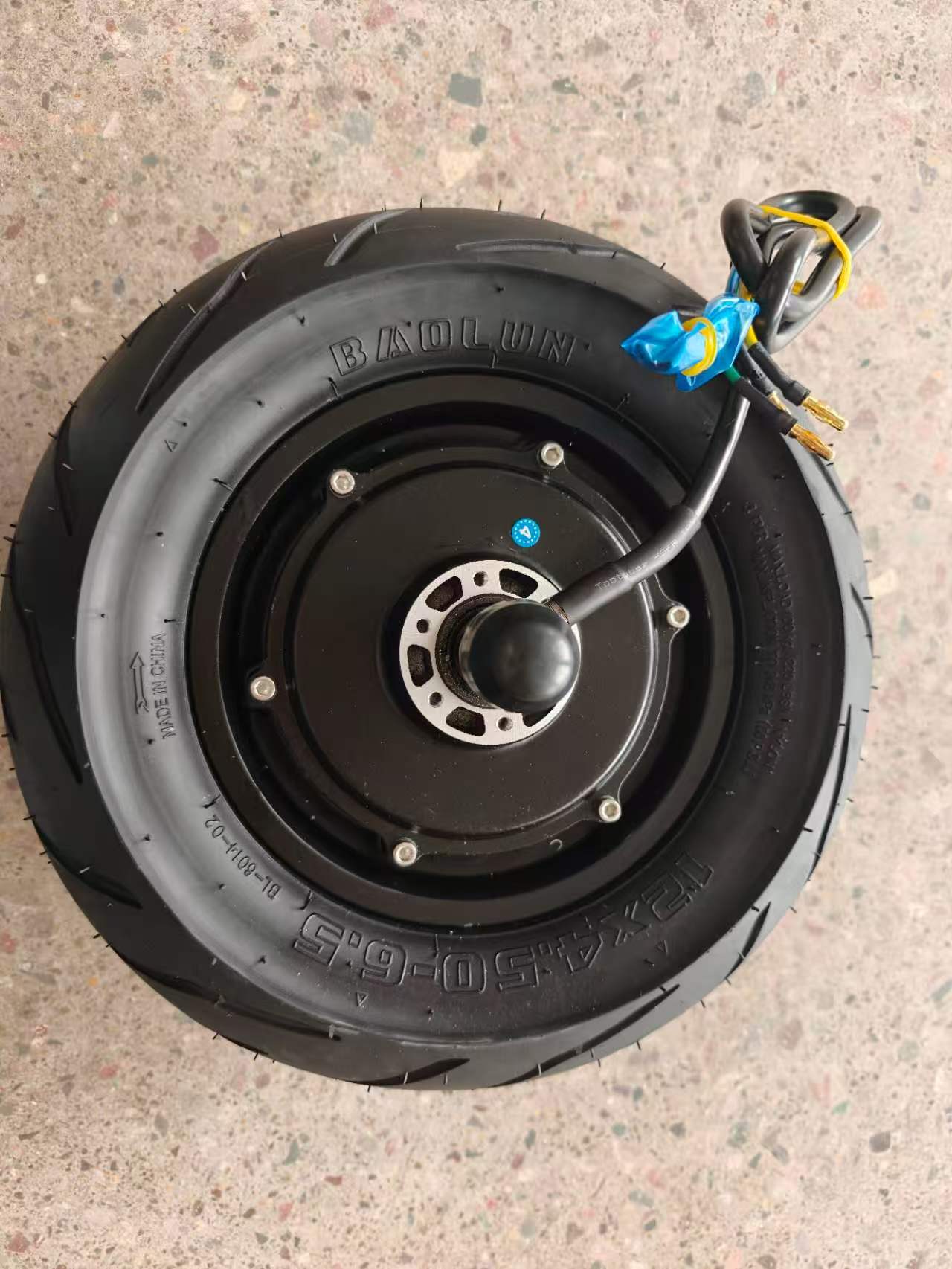
Why CE, UKCA & UL Certification Matters for Premium E-Scooters
Certifications like CE, UKCA, and UL aren't just stickers—they're your safety net. Learn what they mean for your next premium e-scooter and how to verify them.
جدول المحتويات
- What Do CE, UKCA, and UL Certifications Actually Mean?
- CE Marking (Conformité Européenne)
- UKCA Marking (UK Conformity Assessed)
- UL Certification (Underwriters Laboratories)
- Why These Certifications Matter for Premium Scooters
- 1. Safety for You and Others
- 2. Legal Compliance and Insurance
- 3. Quality Assurance and Longevity
- How to Verify Certifications When Buying
- Certifications to Look for in 2026 and Beyond
- UN 38.3 (Battery Transport Safety)
- IP Ratings (Water and Dust Resistance)
- New EU Regulations on E-Scooters
- Common Misconceptions About Certifications
- Conclusion: Certification Is a Mark of a Premium Scooter
- Frequently Asked Questions
- Can I ride a scooter without CE or UKCA in Europe or the UK?
- Is UL certification mandatory?
- How can I check if a scooter is UL certified?
- What is the difference between CE and UKCA?
- Does certification affect the price of a scooter?
What Do CE, UKCA, and UL Certifications Actually Mean?
When you're shopping for a premium electric scooter, you'll see a lot of badges and logos. CE, UKCA, UL—they look like alphabet soup, but they're actually your best friends. These certifications are not just stickers; they are proof that your scooter has been tested for safety, performance, and environmental impact. In 2026, with stricter regulations across the globe, understanding these marks is more important than ever.
Let's break down each one:
CE Marking (Conformité Européenne)
The CE mark is a mandatory conformity mark for products sold within the European Economic Area (EEA). For electric scooters, it indicates that the product meets EU safety, health, and environmental protection requirements. It covers a range of directives, including the Low Voltage Directive (LVD), Electromagnetic Compatibility (EMC) Directive, and the Machinery Directive. In simple terms, if a scooter has a CE mark, it means the manufacturer has declared that the product complies with EU law, and it can be legally sold in Europe.
UKCA Marking (UK Conformity Assessed)
Post-Brexit, the UK introduced its own conformity mark—UKCA. It mirrors the CE mark for products sold in Great Britain (England, Scotland, and Wales). For many products, the UKCA mark is now the required standard, although CE marks are still accepted in some cases. If you're buying a scooter in the UK, look for UKCA to ensure it's compliant with UK regulations.
UL Certification (Underwriters Laboratories)
UL is a global safety certification company. Unlike CE and UKCA, UL certification is not a legal requirement in most places, but it's a powerful indicator of safety. UL tests products against rigorous safety standards, including electrical and fire safety. For e-scooters, UL 2272 is the key standard. It covers the electrical system, battery, and charger, ensuring they can withstand abuse like overcharging, short-circuiting, and even physical impacts. A UL-certified scooter is less likely to catch fire or malfunction.
Why These Certifications Matter for Premium Scooters
You might be thinking, "I'm buying a premium scooter, of course it's safe." But not all premium-priced scooters are certified. Here's why certification is non-negotiable:
1. Safety for You and Others
The most obvious reason is your safety. A certified scooter has undergone rigorous testing to ensure it won't explode, catch fire, or fail electronically. With the rise in e-scooter fires, especially due to cheap lithium-ion batteries, UL certification is a lifesaver. For example, the Zwheel ZSA Plus is UL-certified, giving you peace of mind on every ride.
2. Legal Compliance and Insurance
In many regions, riding a non-certified scooter is illegal. In the EU, a scooter without CE marking cannot be sold or used on public roads. In the UK, UKCA is required for new products. Additionally, insurance companies may deny claims if your scooter isn't certified, even if the accident was not your fault. Certification protects you legally and financially.
3. Quality Assurance and Longevity
Certifications are not just about safety; they also reflect manufacturing quality. To pass these tests, a scooter must be built with high-quality components and rigorous quality control. This means you're more likely to enjoy a longer-lasting, more reliable product. A premium scooter like the Zwheel D3S-S isn't just about power—it's about the assurance that comes with certified quality.
How to Verify Certifications When Buying
Don't just take the manufacturer's word for it. Here's how to verify:
- Check the product listing: Look for explicit mentions of CE, UKCA, or UL in the specs. Reputable brands will list them clearly.
- Look for certification numbers: For UL, you can search the UL Product iQ database using the certification number.
- Check the physical scooter: The marks should be on the scooter itself, usually on the deck or the frame.
- Ask the manufacturer: If in doubt, contact customer support and ask for proof of certification. A trustworthy brand will provide it.
For example, Zwheel provides detailed specs for each model, including certifications. Check the Zwheel ZSB1 page to see how transparent they are about their compliance.
Certifications to Look for in 2026 and Beyond
The landscape is evolving. In 2026, we're seeing new regulations, especially around battery safety. The EU's updated Battery Regulation is phasing in, and the UK is aligning with some of these standards. Here's what to watch:
UN 38.3 (Battery Transport Safety)
This isn't a consumer mark, but it's essential. It ensures batteries are safe for transport. All reputable brands comply with this.
IP Ratings (Water and Dust Resistance)
While not a certification per se, an IP rating (like IP54) tells you how well your scooter is protected against dust and water. This is crucial for real-world riding.
New EU Regulations on E-Scooters
The EU is working on a harmonized standard for e-scooters (EN 17128). This will eventually replace the current Machinery Directive. It covers more aspects like braking, lighting, and even app connectivity. A scooter that meets this standard will be ahead of the curve.
Common Misconceptions About Certifications
Let's clear up some myths:
- "All scooters sold in the EU have CE anyway" — Not true. Some online-only sellers may not comply. Always verify.
- "UL is only for the US" — While UL is a US company, its standards are recognized globally. A UL-certified scooter is safe anywhere.
- "Certifications are just for legal compliance" — No, they're for your safety and peace of mind.
Conclusion: Certification Is a Mark of a Premium Scooter
When you're investing in a premium electric scooter, certifications like CE, UKCA, and UL are not just boxes to tick—they're the difference between a risky toy and a reliable vehicle. They ensure your safety, protect your wallet, and guarantee that you're riding a product that meets high standards. So, when you're comparing models, make certification a top priority. It's the smartest way to ensure you're getting the best value for your money.
Frequently Asked Questions
Can I ride a scooter without CE or UKCA in Europe or the UK?
No. In most European countries, a scooter must have CE marking to be legally used on public roads. In the UK, UKCA is required for new products. Riding without it could result in fines or confiscation.
Is UL certification mandatory?
UL certification is not legally mandatory in most places, but it is highly recommended. Many cities and universities in the US require UL 2272 certification for e-scooters to be used on their premises. It's a strong indicator of battery safety.
How can I check if a scooter is UL certified?
Look for the UL mark on the scooter and its packaging. You can also search the UL Product iQ database using the certification number. If the manufacturer doesn't provide a number, it's a red flag.
What is the difference between CE and UKCA?
CE is the conformity mark for the EU, while UKCA is for Great Britain. They cover similar safety requirements, but they are separate legal frameworks. Some products may have both marks to be sold in both markets.
Does certification affect the price of a scooter?
Yes, certification adds to the manufacturing cost, which is reflected in the retail price. However, it's a small price to pay for safety and reliability. Non-certified scooters may be cheaper, but they come with higher risks.
بقلم
Zwheel Team
عضو في فريق تحرير Zwheel، يغطي اتجاهات التنقل الكهربائي وأدلة المنتجات ونصائح الركوب.