Electric Scooter Camping and Outdoor Adventure Guide
Planning an e-scooter camping trip? Our guide covers scooter selection, range tips, gear, safety, and top trails for off-road electric scooter adventures.
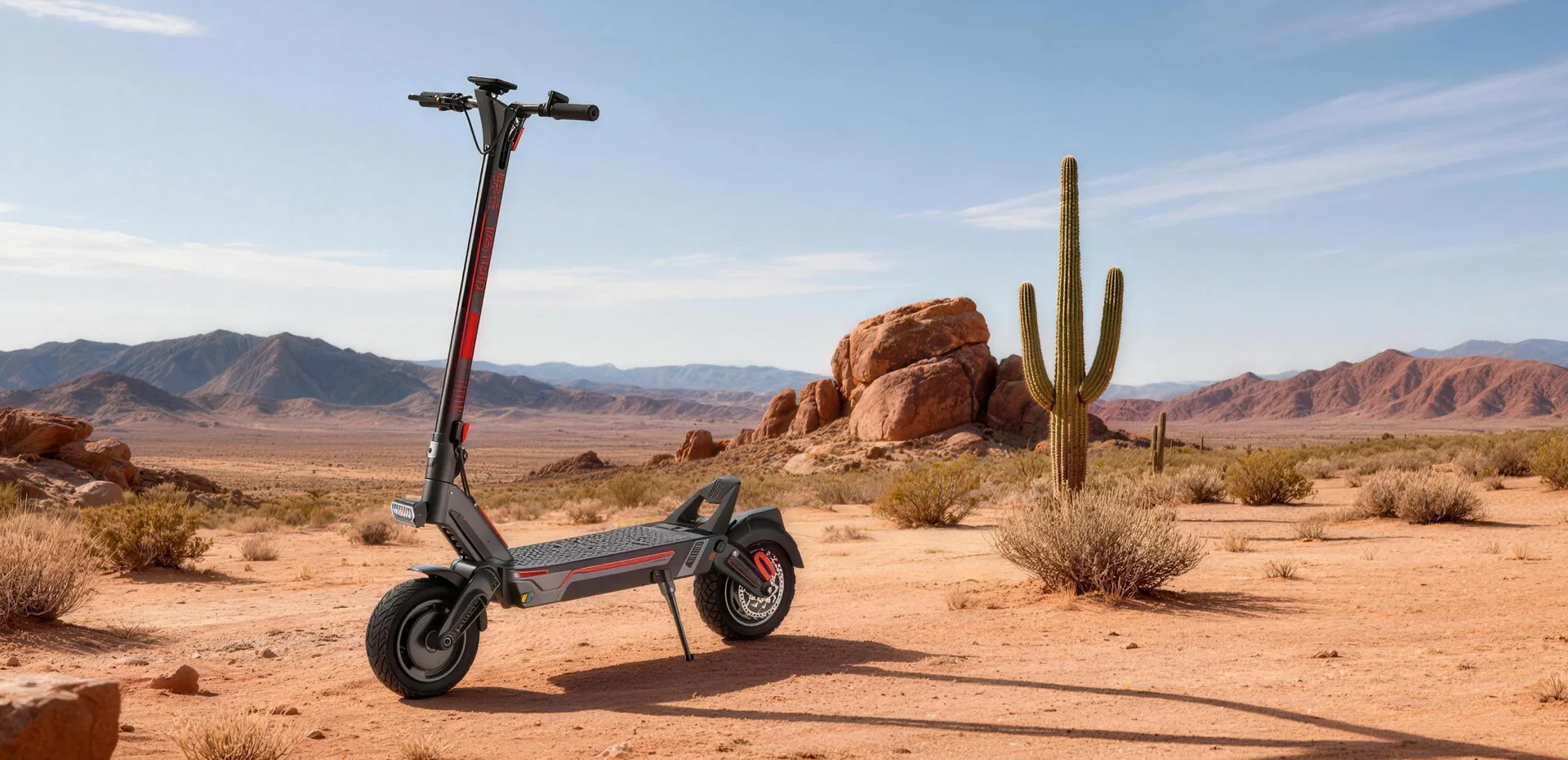
Table of Contents
- Electric Scooter Camping and Outdoor Adventure Guide
- Why Use an Electric Scooter for Camping?
- Choosing the Right Electric Scooter for Outdoor Adventures
- Motor Power and Torque
- Battery Range
- Tires and Suspension
- Build Quality and Weather Resistance
- Weight and Portability
- Essential Gear for E-Scooter Camping
- Planning Your Route and Campsite
- Maximizing Range and Battery Life
- Safety Tips for Off-Road E-Scooting
- Top Outdoor Destinations for E-Scooter Adventures in 2026
- Maintenance and Care After Your Trip
- Conclusion
- Frequently Asked Questions
- Can I take my electric scooter on hiking trails?
- How do I charge my electric scooter while camping?
- What's the best electric scooter for off-road camping?
- Is it safe to ride an electric scooter in the rain?
- How far can an electric scooter go on a single charge?
Electric Scooter Camping and Outdoor Adventure Guide
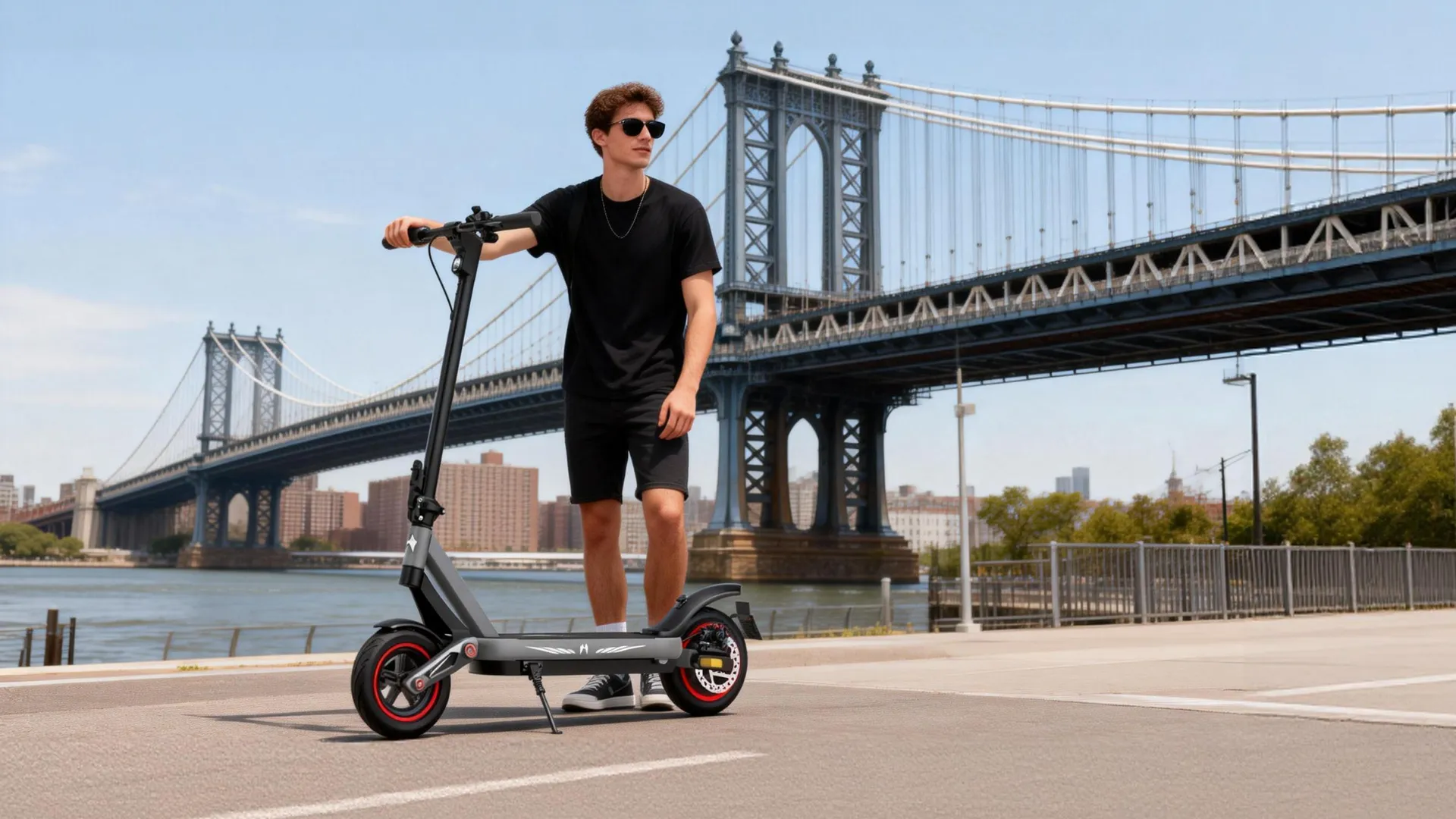
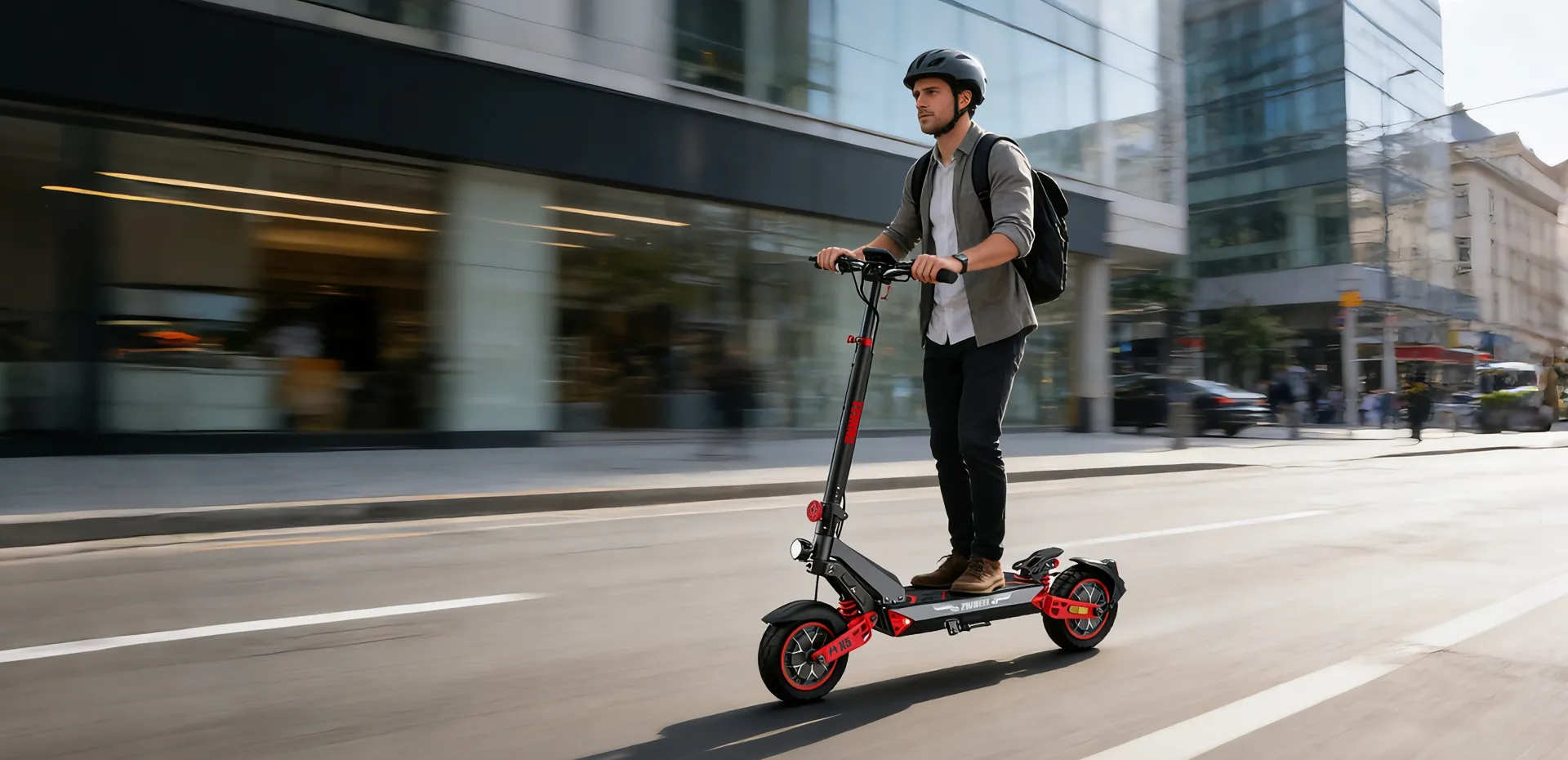
Electric scooters have evolved far beyond city commutes. In 2026, with improved battery technology and rugged designs, e-scooters are becoming a legit way to explore the great outdoors. Whether you're heading to a remote campsite or tackling scenic trails, an electric scooter can add a new dimension of fun and mobility to your adventure. This electric scooter camping and outdoor adventure guide will walk you through everything you need to know—from choosing the right scooter to planning your route and staying safe.
We'll cover the key factors for off-road capable models, essential gear, practical tips for maximizing range, and some of the best practices for a smooth trip. Let's dive in.
Why Use an Electric Scooter for Camping?
Camping purists might scoff at the idea of bringing a motorized vehicle, but e-scooters offer several compelling advantages:
- Quick exploration: Cover more ground than hiking, reaching remote viewpoints or fishing spots in minutes.
- Silent operation: Electric motors are quiet, minimizing disturbance to wildlife and fellow campers.
- Eco-friendly: Zero emissions and low noise compared to gas-powered alternatives.
- Compact and portable: Most e-scooters fold, fitting easily in a car trunk or RV.
- Fun factor: Let's be honest—riding a scooter on forest trails is a blast.
However, not all scooters are cut out for off-road use. You'll need a model with sufficient power, suspension, and off-road tires. Let's explore how to choose one.
Choosing the Right Electric Scooter for Outdoor Adventures
When selecting an e-scooter for camping, consider these key specifications:
Motor Power and Torque
Off-road terrain demands more power. Look for at least 1000W, but 1200W–2000W is ideal for steep inclines and rough trails. For extreme off-roading, 4000W+ models provide thrilling performance.
Battery Range
Range is critical when you're far from charging points. Most off-road scooters offer 25–50 miles per charge, but real-world range depends on terrain, rider weight, and speed. Plan for 30–40% less range on hilly, off-road routes.
Tires and Suspension
Pneumatic off-road tires (10 inches or larger) with deep treads are essential for grip on dirt, gravel, and grass. Full suspension (front and rear) absorbs bumps and keeps you comfortable on uneven ground.
Build Quality and Weather Resistance
Look for sturdy frames (aluminum alloy is common) and at least IP54 water resistance to handle light rain and splashes. Avoid riding in heavy rain or submerging the scooter.
Weight and Portability
Off-road scooters are heavier (50–80 lbs). If you need to carry it on a rack or into a vehicle, check the weight and folding mechanism.
Here are some Zwheel models that fit the bill:
- Zwheel ZSB1 (1200W, $599) – A solid entry-level off-road scooter with mixed-terrain capability.
- Zwheel ZSB2 (1500W, $650) – All-terrain model with extra power for tougher trails.
- Zwheel ZSD1 (2000W, $800) – Serious off-road performance for mountainous terrain.
- Zwheel ZSD2 (4000W, $900) – High-power option for extreme adventures.
For those who want a versatile commuter that can handle light trails, the Zwheel ZSA Plus (800W, $499) is a budget-friendly choice, though it's best on paved or smooth paths.
Essential Gear for E-Scooter Camping
Beyond your camping gear, you'll need some scooter-specific items:
- Helmet and protective gear: A full-face helmet is recommended for off-road riding, plus gloves, knee pads, and elbow pads.
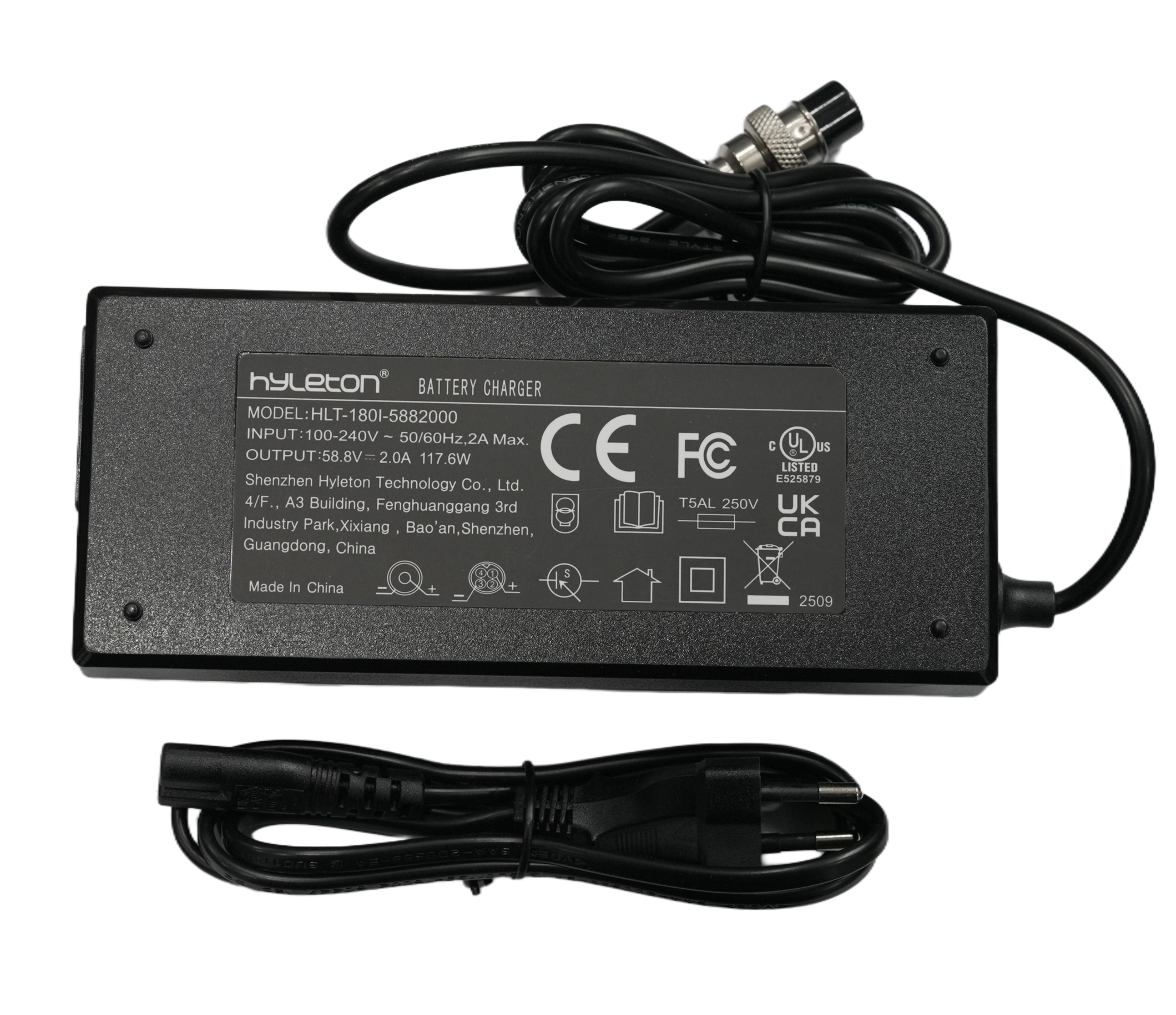
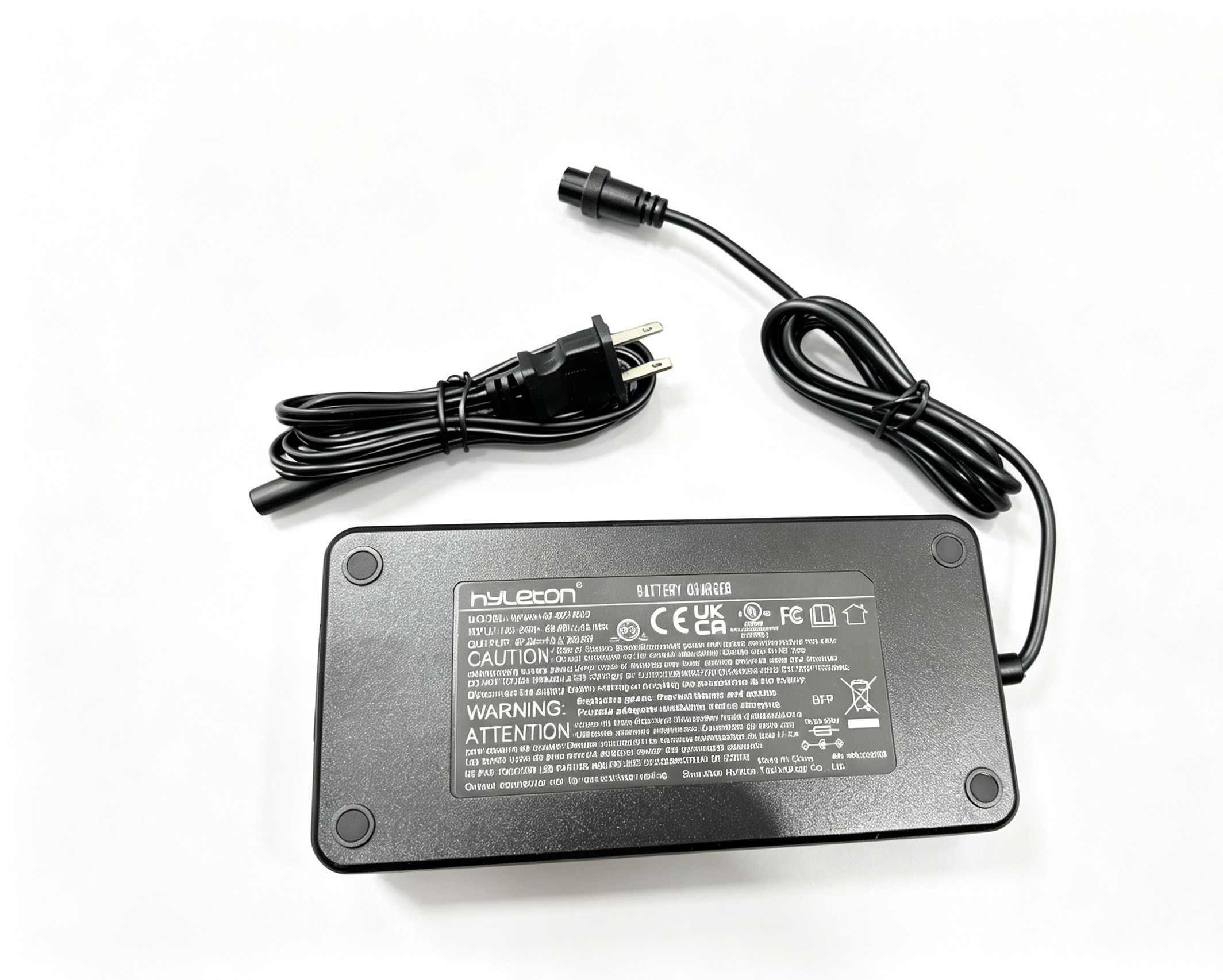
- Portable charger or power station: A portable power station (500Wh+) can recharge your scooter's battery if you're off-grid for multiple days. Alternatively, bring a spare battery if your model supports swapping.
- Tire repair kit: Flat tires happen; carry a patch kit, spare tube, and mini pump.
- Tools: Allen wrenches and a multi-tool for adjustments.
- Lights: A bright headlight and taillight are crucial for visibility, especially if riding at dawn or dusk.
- Lock: A sturdy U-lock or chain to secure the scooter when not riding.
- Cleaning supplies: A brush and cloth to remove dirt and prevent corrosion.
Also, pack a first-aid kit and emergency communication device (like a satellite messenger) if you're going remote.
Planning Your Route and Campsite
Not all campsites are scooter-friendly. Check regulations beforehand—some parks prohibit motorized vehicles on trails. Look for campgrounds with nearby fire roads, OHV areas, or designated scooter trails. National forests and BLM land often have fewer restrictions than national parks.
Use apps like AllTrails or Gaia GPS to scout routes and identify terrain difficulty. Plan your charging stops if you're doing multi-day trips; some campsites have electrical hookups.
Maximizing Range and Battery Life
To get the most out of your battery:
- Ride in eco mode when possible to conserve energy.
- Maintain steady speed and avoid aggressive acceleration.
- Keep tires properly inflated to reduce rolling resistance.
- Avoid excessive weight—pack light and leave unnecessary gear behind.
- Charge fully before heading out and store the battery in a cool, dry place.
For a 1500W scooter like the ZSB2, expect around 25–30 miles on mixed terrain. Plan your trips accordingly.
Safety Tips for Off-Road E-Scooting
Safety should always come first:
- Wear a helmet—no exceptions.
- Start slow and practice on easy trails before tackling technical terrain.
- Watch for obstacles like rocks, roots, and loose gravel.
- Ride within your limits—don't attempt jumps or steep descents without experience.
- Check the weather and avoid riding in wet conditions.
- Never ride alone in remote areas—bring a buddy or share your location.
Also, respect trail etiquette: yield to hikers and horses, and avoid sensitive ecosystems.
Top Outdoor Destinations for E-Scooter Adventures in 2026
Here are some prime locations (always verify local regulations):
- Moab, Utah: Famous for off-road trails; many OHV areas allow e-scooters.
- Lake Tahoe, California/Nevada: Scenic forest roads and fire trails.
- Asheville, North Carolina: Access to Pisgah National Forest with miles of gravel roads.
- Moab's Slickrock Trail: Only for advanced riders with high-power scooters.
- European Alps: Many mountain passes have service roads perfect for e-scooters.
Always check with local land management agencies for current rules.
Maintenance and Care After Your Trip
After a muddy adventure, clean your scooter thoroughly:
- Wipe down the frame and tires with a damp cloth.
- Check tire pressure and tread wear.
- Inspect brake pads and cables.
- Lubricate moving parts (chain, if applicable).
- Store the battery at 50–70% charge if not using for a while.
Regular maintenance extends the life of your scooter and ensures safety.
Conclusion
An electric scooter can transform your camping trips, letting you explore farther and faster while enjoying the outdoors. By choosing a capable off-road model like those from Zwheel, packing the right gear, and following safety guidelines, you'll be well-prepared for your next adventure. Use this electric scooter camping and outdoor adventure guide as your roadmap, and always prioritize safety and environmental respect. Happy riding!
Frequently Asked Questions
Can I take my electric scooter on hiking trails?
It depends on local regulations. Many hiking trails prohibit motorized vehicles. Look for designated OHV areas, fire roads, or scooter-friendly trails. Always check with the land management agency before riding.
How do I charge my electric scooter while camping?
If your campsite has electrical hookups, you can charge directly. For off-grid camping, bring a portable power station (500Wh or larger) or a spare battery. Solar panels can supplement charging if you have enough sun.
What's the best electric scooter for off-road camping?
Look for models with at least 1200W motor, off-road tires, and full suspension. The Zwheel ZSD1 (2000W) or ZSD2 (4000W) are excellent for rugged terrain, while the ZSB1 (1200W) is a budget-friendly option.
Is it safe to ride an electric scooter in the rain?
Most e-scooters have some water resistance (IP54 or higher), but it's not recommended to ride in heavy rain. Wet conditions reduce traction and can damage electronics. If caught in light rain, ride slowly and dry the scooter afterward.
How far can an electric scooter go on a single charge?
Range varies by model and terrain. Off-road scooters typically range from 25 to 50 miles. Expect 30–40% less on hilly or rough terrain. Check the manufacturer's specs and plan accordingly.
Written by
Zwheel Team
Part of the Zwheel editorial team, covering e-mobility trends, product guides, and rider tips.