Using Electric Scooter for Last Mile Commute: Train to Office Guide
Learn how to use an electric scooter for your last mile commute from the train station to the office. This guide covers folding, carrying, route planning, and the best Zwheel electric scooters for a seamless daily ride in 2026.
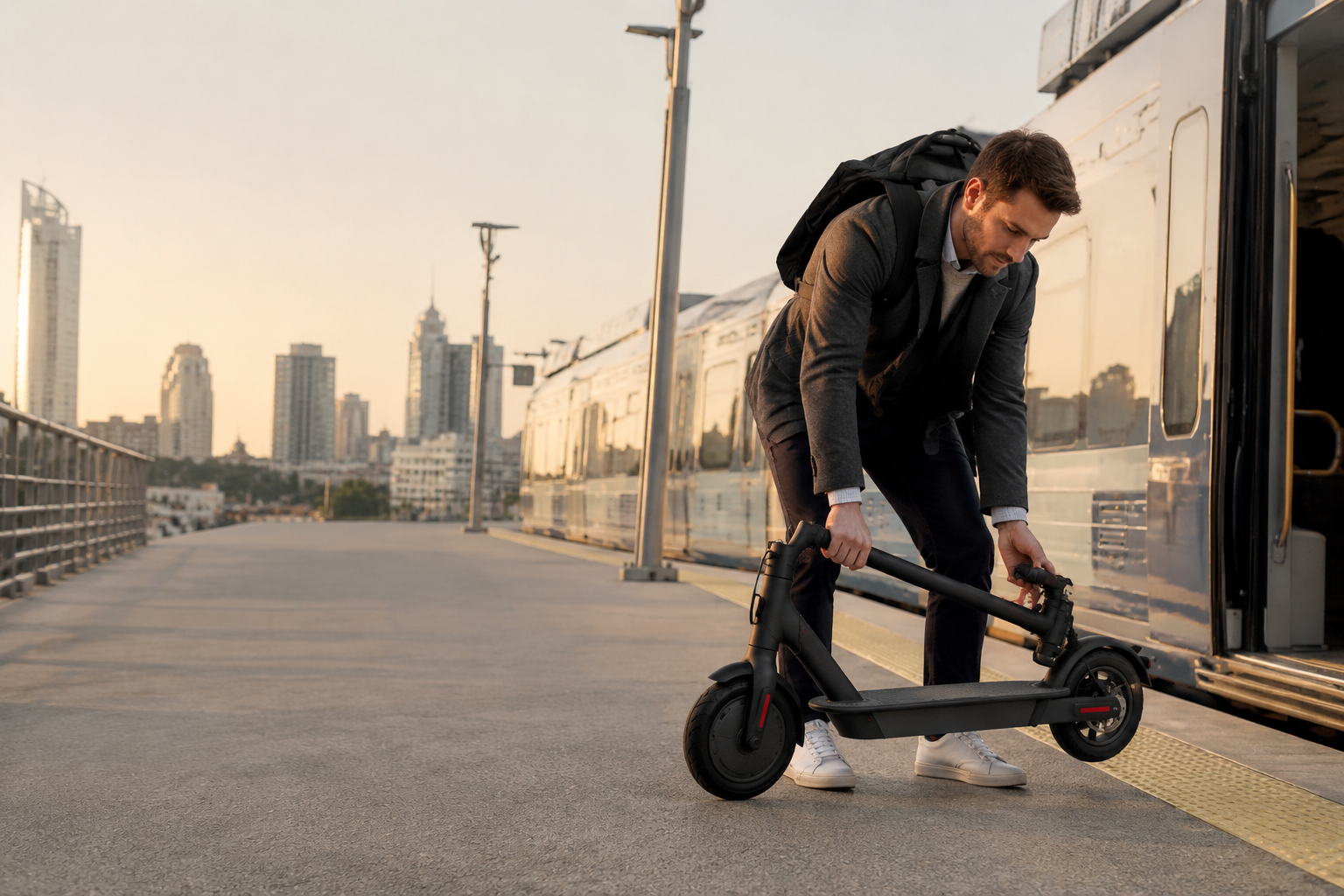
Table of Contents
- Why an Electric Scooter is the Best Last Mile Solution in 2026
- Choosing the Right Electric Scooter for Your Train Commute
- Folding and Portability
- Range and Battery Life
- Speed and Hills
- Durability and Weather Resistance
- Practical Tips for a Smooth Train-to-Office Ride
- Plan Your Route
- Master the Fold and Carry
- Secure Your Scooter at the Office
- Stay Visible and Safe
- Comparing Top Zwheel Models for Last Mile Commuting
- Zwheel ZSA Plus (800W, $499)
- Zwheel D3S-S (1000W, $600)
- Zwheel ZSB1 (1200W, $599)
- Real Numbers: Time and Cost Savings
- Frequently Asked Questions
- Can I take an electric scooter on a train?
- How do I carry my electric scooter on a crowded train?
- What is the best electric scooter for a short last mile commute?
- Do I need a helmet for an electric scooter commute?
- How do I charge my electric scooter at work?
- Conclusion
Why an Electric Scooter is the Best Last Mile Solution in 2026
If you're tired of walking 15 minutes from the train station to your office, or waiting for a crowded bus that never seems to arrive on time, you're not alone. The last mile problem — the gap between public transit and your final destination — is one of the biggest frustrations for daily commuters. In 2026, more professionals than ever are turning to using an electric scooter for last mile commute train to office as a fast, affordable, and eco-friendly solution.
Electric scooters fold up easily, fit under your desk or in a locker, and can cover that 1-3 mile gap in under 10 minutes. With a range of 15-40 miles on a single charge, you only need to charge them a couple of times a week. Plus, you skip traffic jams, avoid parking fees, and get a little fresh air before starting your workday.
In this guide, we'll walk you through everything you need to know — from choosing the right scooter to planning your route, staying safe, and keeping your scooter secure. Whether you're a seasoned rider or completely new to electric scooters, these tips will help you make your commute faster and more enjoyable.
Choosing the Right Electric Scooter for Your Train Commute
Not every electric scooter is ideal for a train-to-office commute. You need a model that balances portability, range, and reliability. Here are the key factors to consider when using an electric scooter for last mile commute train to office.
Folding and Portability
Your scooter must fold quickly and compactly. Look for a one-hand folding mechanism that takes less than 5 seconds. The folded size should be small enough to carry onto a crowded train or bus, and fit under your desk or in a standard office locker.
Weight is also critical. A scooter under 35 pounds is ideal for most commuters. Heavier models may be more stable at speed but become a burden when you're carrying them up stairs or onto a train platform.
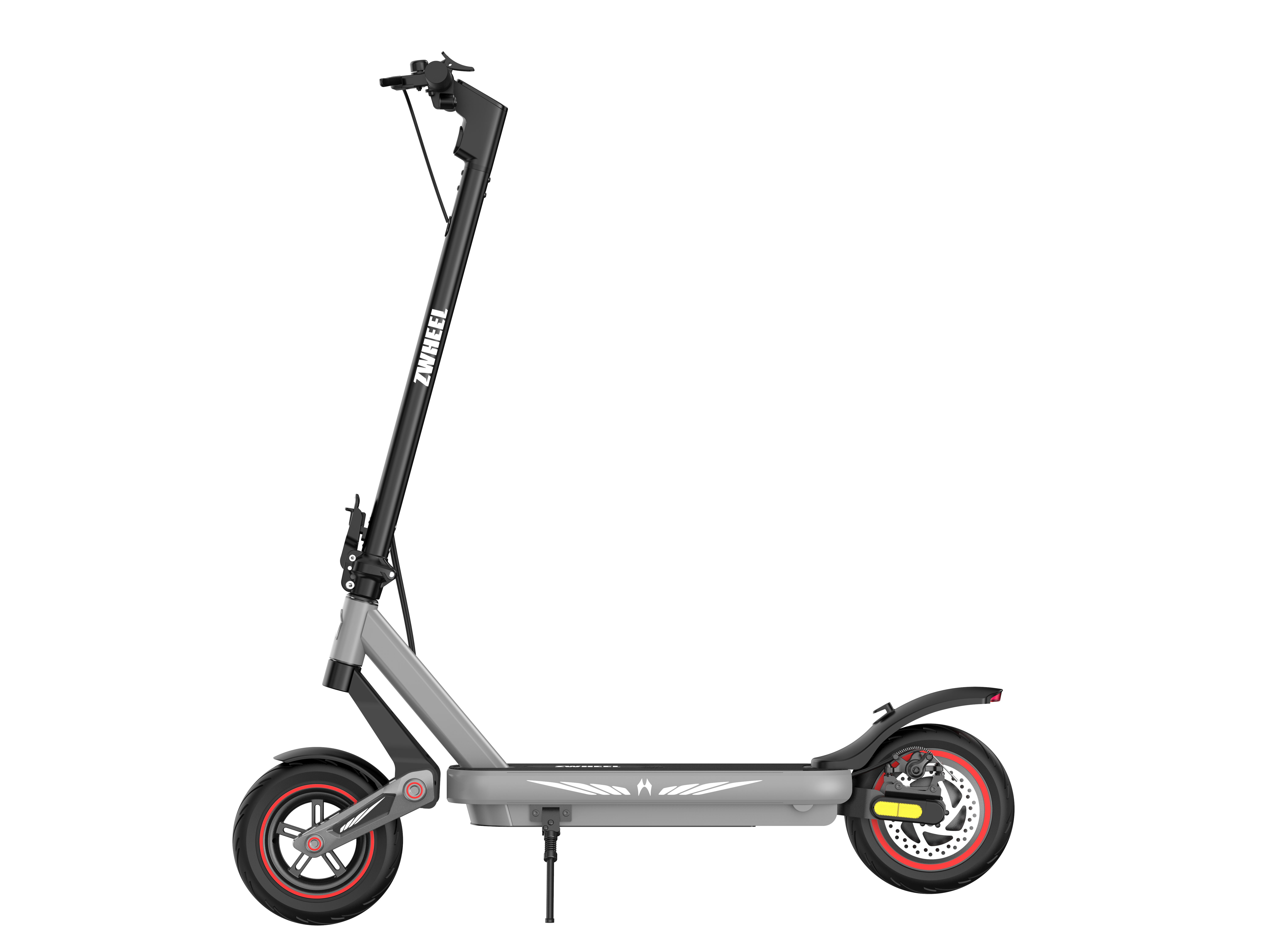
For example, the Zwheel ZSA Plus (800W, $499) weighs just 33 pounds and folds in seconds. It's a popular choice for city commuters who need a lightweight, affordable option that can handle short to medium distances.
Range and Battery Life
Calculate your round-trip distance from the train station to your office. Most last mile trips are 1-3 miles each way, so a 10-15 mile real-world range is plenty. But if you also ride to lunch or run errands, consider a model with 20+ miles of range.
Battery life degrades over time, so choose a scooter with a removable battery if possible. This allows you to charge it at your desk without bringing the whole scooter inside.
Speed and Hills
Check your route for hills. If your office is on a steep incline, a 350W motor might struggle. Look for at least 500W continuous power and a motor rated for hill climbing. The Zwheel D3S-S (1000W, $600) offers excellent torque for moderate hills and a top speed of 25 mph, making it a great mid-range commuter.
Durability and Weather Resistance
Commuting means riding in all conditions. Look for an IP54 or higher water resistance rating, solid tires (or tubeless pneumatic tires with puncture protection), and a sturdy frame. A scooter that can handle rain, puddles, and occasional bumps will last much longer.
Practical Tips for a Smooth Train-to-Office Ride
Once you have your scooter, it's time to optimize your daily routine. Here are actionable tips to make using an electric scooter for last mile commute train to office seamless.
Plan Your Route
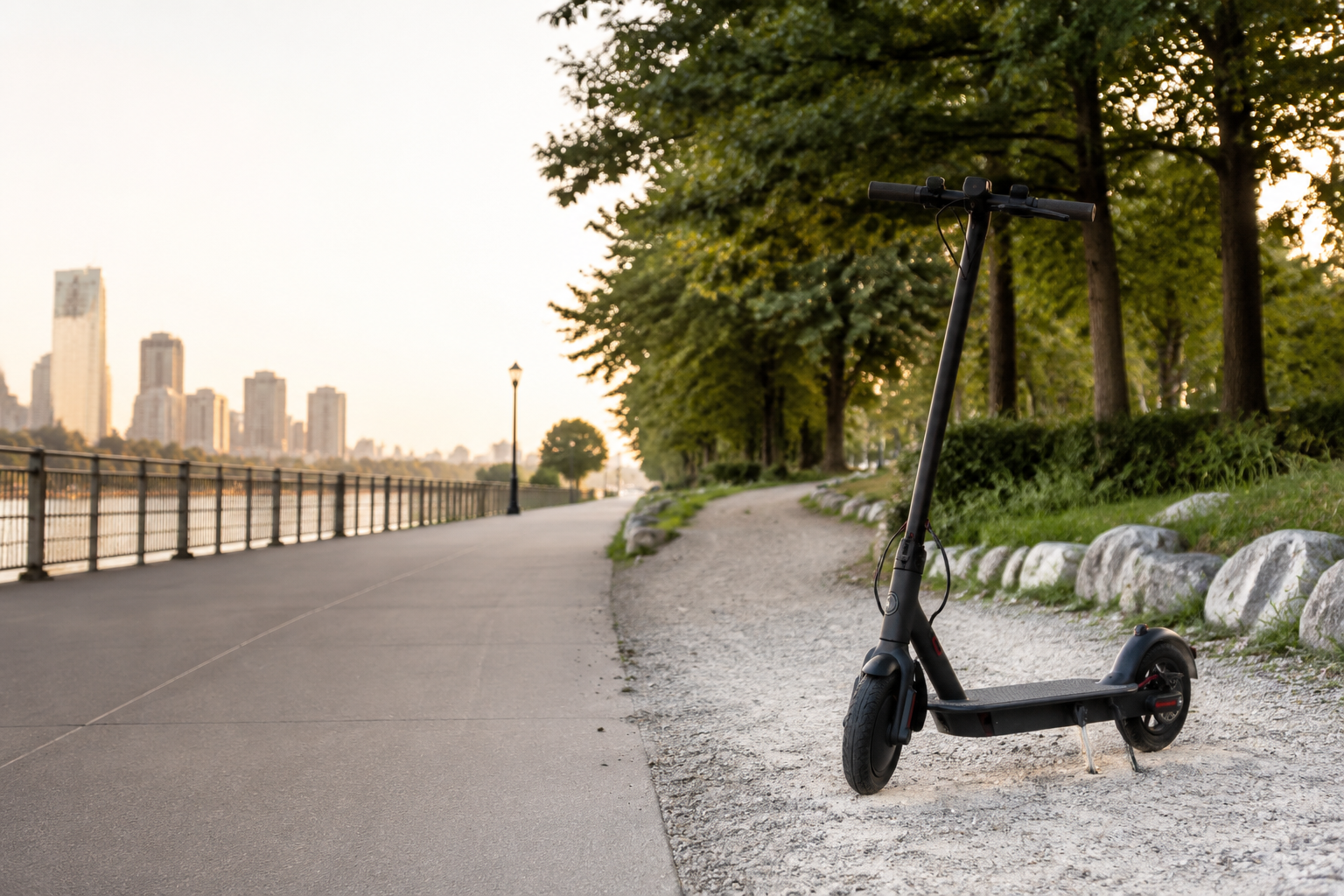
Before your first ride, scout the route from the train station to your office. Look for bike lanes, low-traffic streets, and paths that avoid steep hills. Use apps like Google Maps or Komoot to find scooter-friendly routes. Test the route on a weekend to get familiar with turns, crossings, and potential hazards.
Consider two routes: a faster one for good weather and a safer, more protected one for rain or heavy traffic.
Master the Fold and Carry
Practice folding your scooter at home until you can do it in under 10 seconds. On the train, fold it before boarding to avoid blocking aisles. Keep it between your legs or on a luggage rack. Some trains have designated bike storage areas — use those if available.
When carrying, use the stem or a shoulder strap if your scooter has one. Avoid swinging it around in crowded spaces.
Secure Your Scooter at the Office
Most offices allow electric scooters, but check with your building management. If you can't bring it inside, invest in a high-quality U-lock and lock it to a bike rack. Never leave it unlocked, even for a minute. For extra security, remove the battery and take it with you.
Some commuters use a scooter bag or cover to make it less conspicuous. While not foolproof, it can deter casual thieves.
Stay Visible and Safe
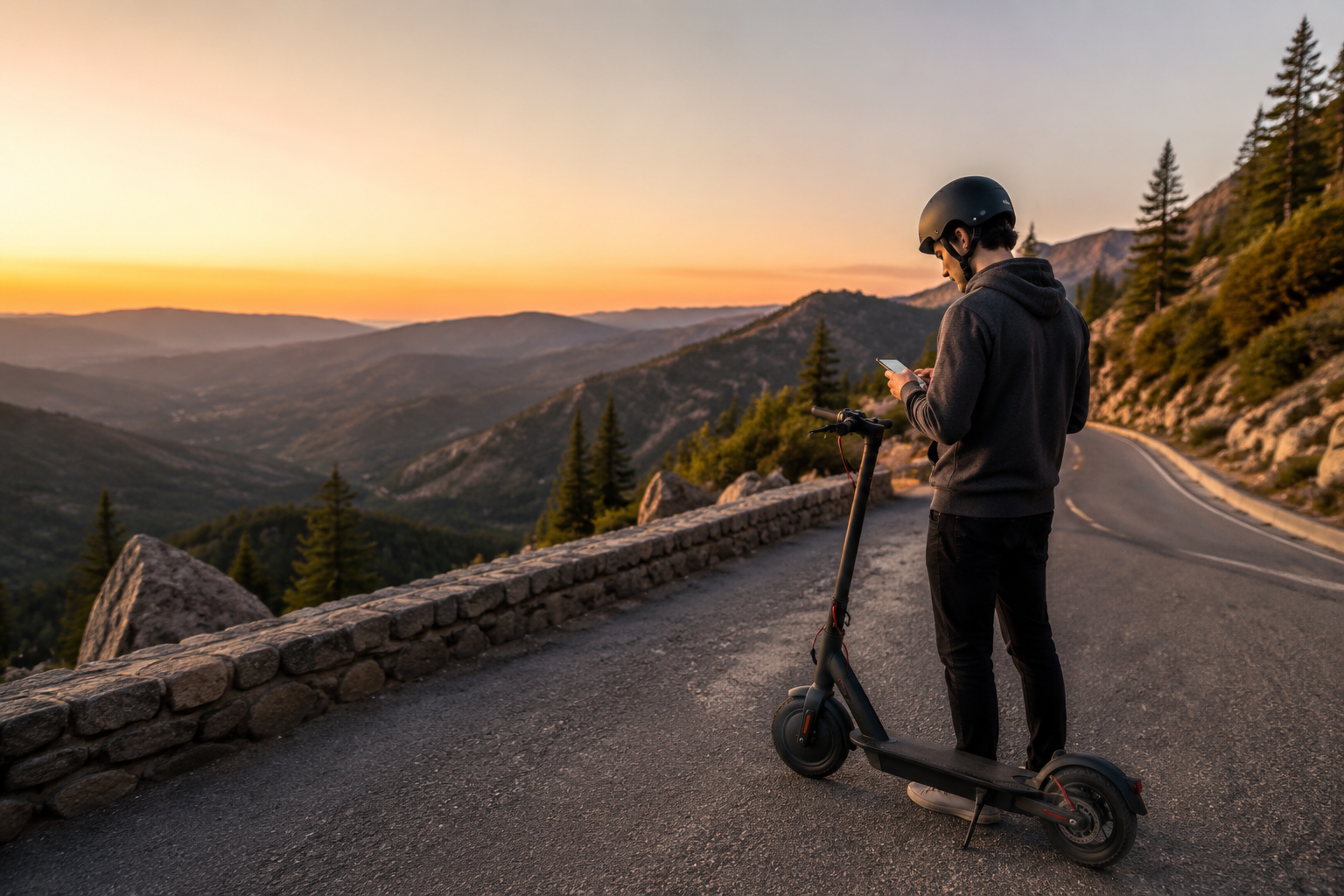
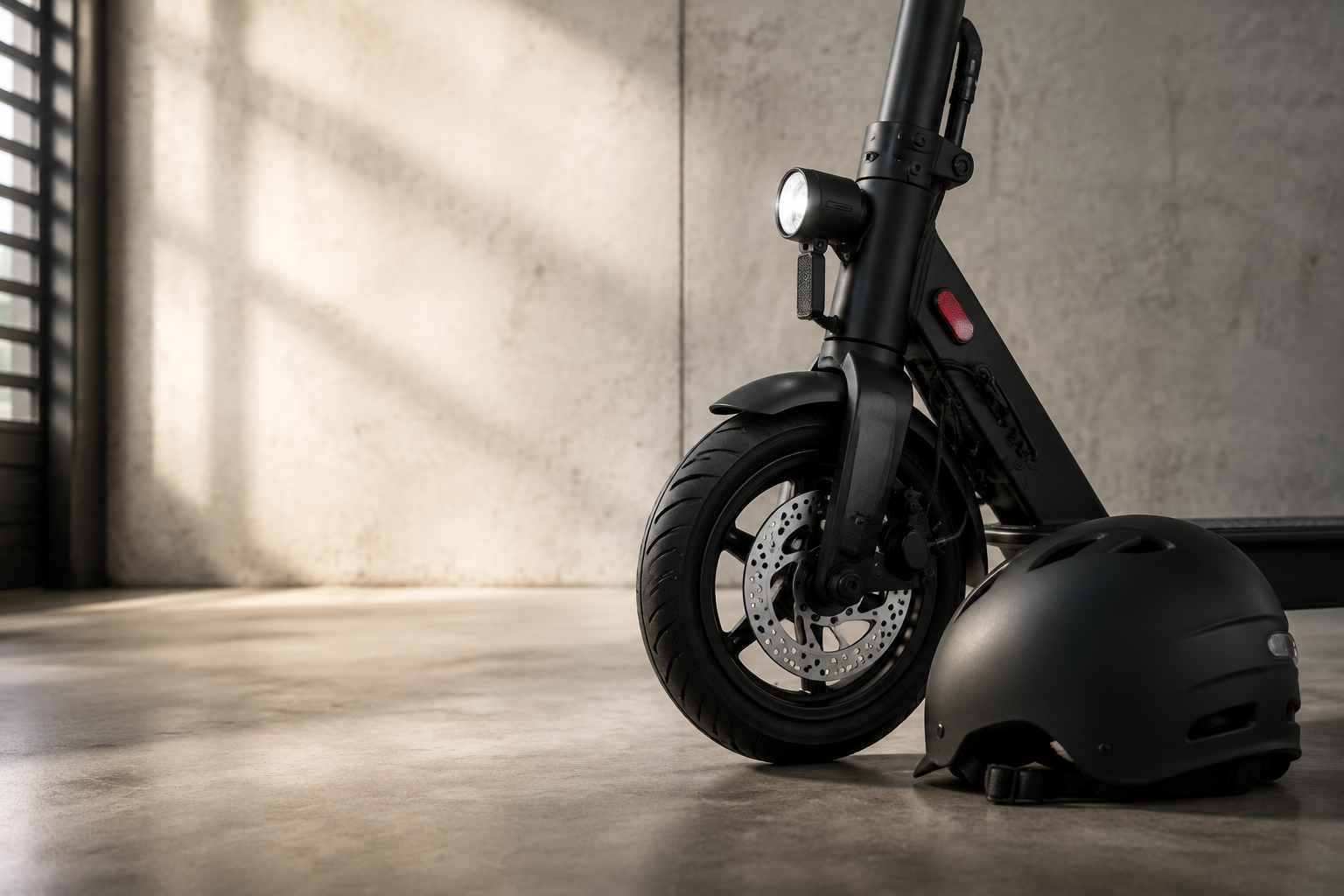
Wear a helmet every ride. Add front and rear lights if your scooter doesn't have bright ones. Reflective clothing or a vest helps drivers see you in low light. Follow traffic laws — ride in bike lanes when possible, yield to pedestrians, and signal turns.
Check your scooter's brakes and tire pressure weekly. A well-maintained scooter is a safe scooter.
Comparing Top Zwheel Models for Last Mile Commuting
Zwheel offers several models that excel for train-to-office commutes. Here's a quick comparison to help you decide.
Zwheel ZSA Plus (800W, $499)
Best for: Lightweight city commuters on flat terrain.
Range: 15-20 miles real-world.
Weight: 33 lbs.
Pros: Affordable, easy to carry, folds small.
Cons: Struggles on steep hills.
Zwheel D3S-S (1000W, $600)
Best for: Commuters with moderate hills.
Range: 20-25 miles real-world.
Weight: 38 lbs.
Pros: Good torque, reliable brakes, solid build.
Cons: Slightly heavier than ZSA Plus.
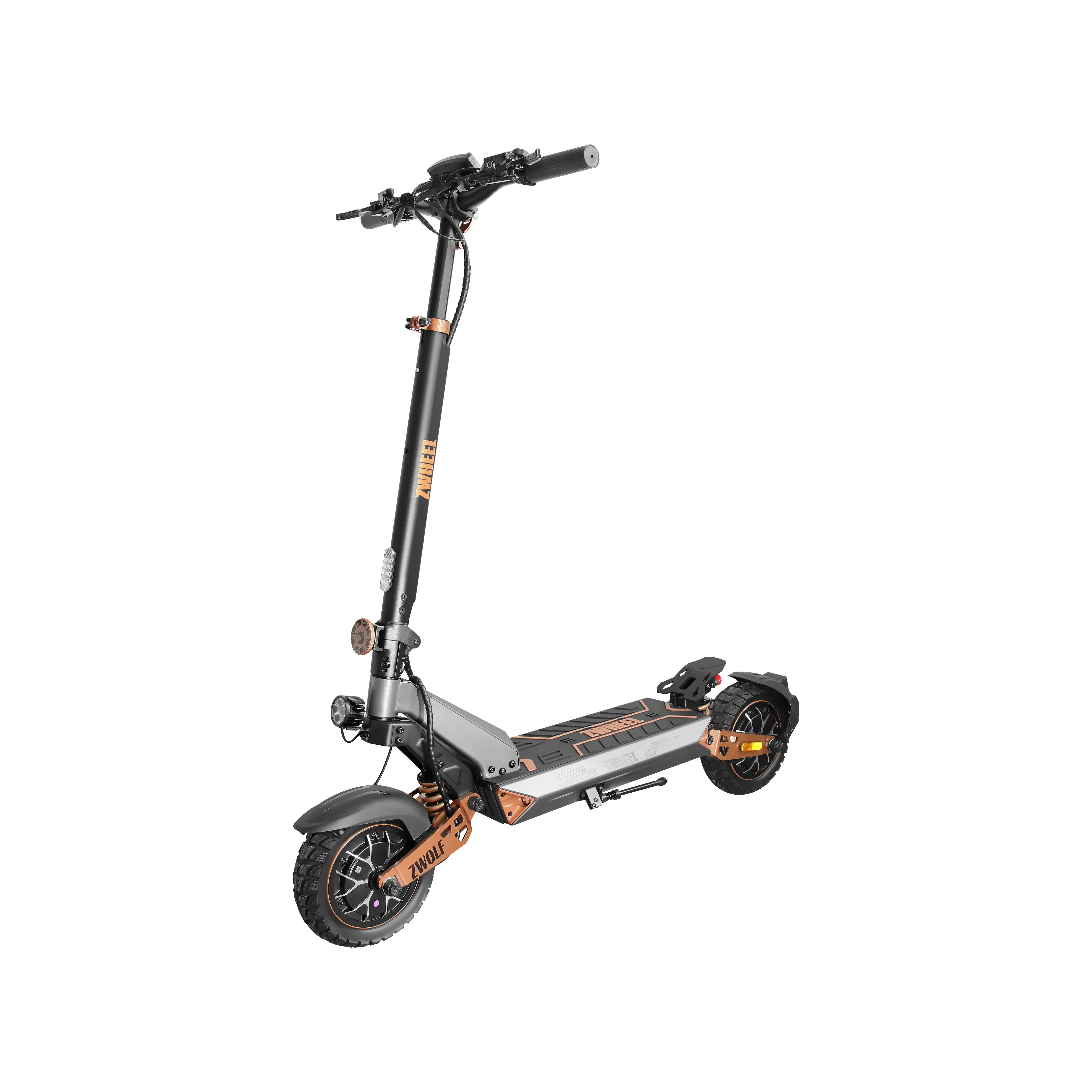
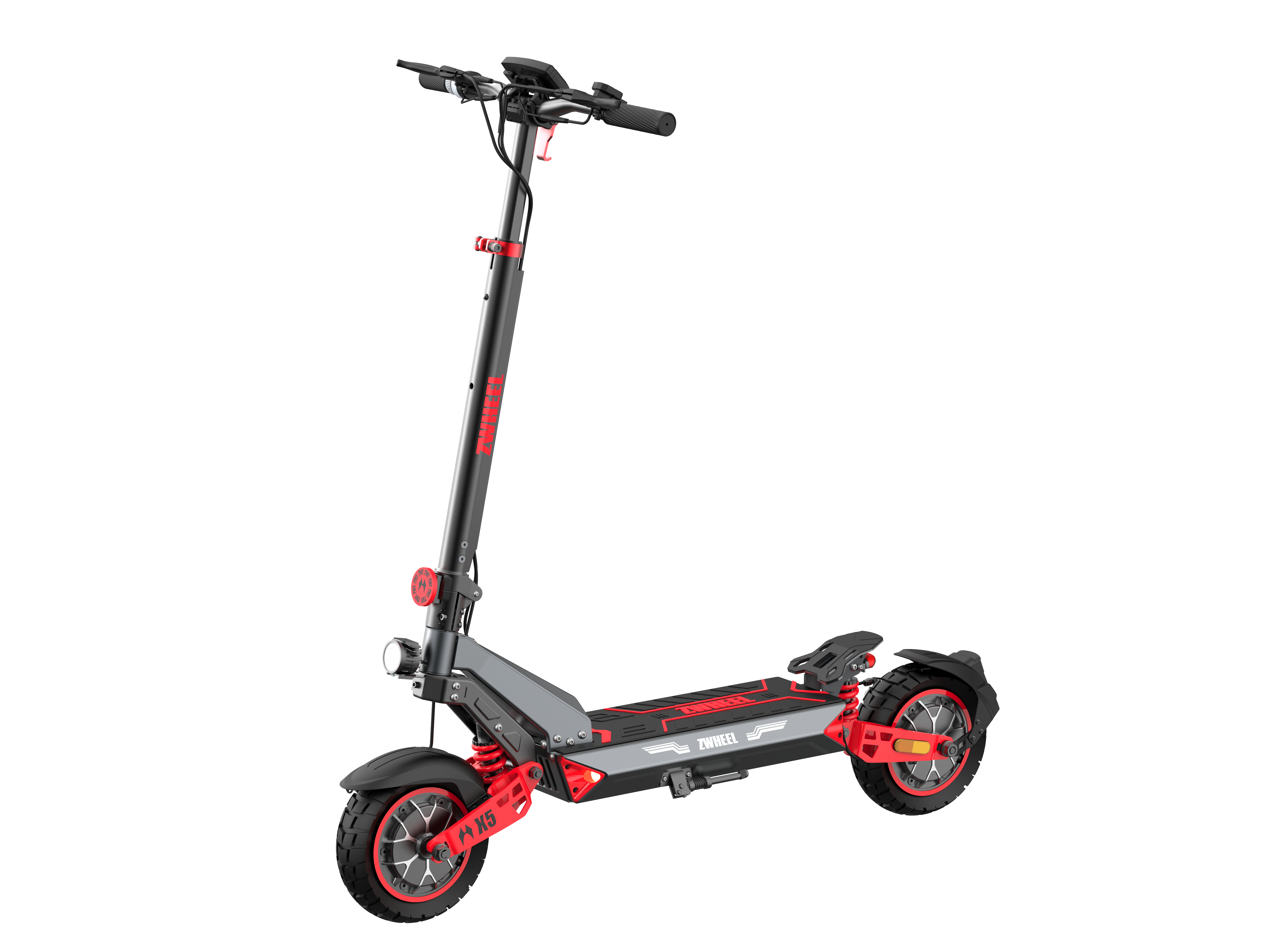
Zwheel ZSB1 (1200W, $599)
Best for: Mixed terrain or rough roads.
Range: 22-28 miles real-world.
Weight: 42 lbs.
Pros: Dual suspension, comfortable ride, great for cracked pavement.
Cons: Heavier, larger folded size.
For most commuters, the Zwheel D3S-S strikes the best balance of power, portability, and price. But if your route is perfectly flat and you want the lightest option, go with the ZSA Plus.
Real Numbers: Time and Cost Savings
Let's put some numbers behind the decision. Suppose your train station is 1.5 miles from your office. Walking takes about 30 minutes. A bus might take 15 minutes including wait time. An electric scooter at 15 mph takes just 6 minutes.
Over a 5-day work week, that's 2 hours saved per week versus walking, and 45 minutes saved versus the bus. Over a year (48 working weeks), you save 96 hours — that's four full days of your life back.
Cost-wise, charging an electric scooter costs about $0.05 per full charge. If you charge every other day, that's roughly $6 per year. Compare that to bus fares ($1-$3 per ride) or ride-sharing ($8-$15 per ride). You'll recoup the cost of a $500 scooter in under a year if you were previously taking ride-shares.
Frequently Asked Questions
Can I take an electric scooter on a train?
Yes, most train systems allow electric scooters as long as they are folded and not blocking aisles. Check your specific transit authority's rules — some restrict battery size or require them to be stored in designated areas. Always fold before boarding to avoid issues.
How do I carry my electric scooter on a crowded train?
Fold it as soon as you step onto the platform. Hold it vertically by the stem, keeping it close to your body. If the train is packed, stand near the doors or in a corner. Some scooters come with a carrying strap that makes this easier.
What is the best electric scooter for a short last mile commute?
For a 1-2 mile flat commute, the Zwheel ZSA Plus is an excellent lightweight choice. If you have hills or rough roads, consider the Zwheel ZSB1 for its suspension and higher power.
Do I need a helmet for an electric scooter commute?
Yes, always wear a helmet. Even at low speeds, a fall can cause serious injury. Many states and cities also require helmets by law for electric scooter riders. It's a small investment for your safety.
How do I charge my electric scooter at work?
If your scooter has a removable battery, bring it to your desk and plug it in. Otherwise, ask your building management if there's a secure bike storage area with outlets. Some offices have designated charging stations for micro-mobility devices.
Conclusion
Using an electric scooter for last mile commute train to office is one of the smartest upgrades you can make to your daily routine in 2026. You'll save time, money, and reduce your carbon footprint — all while arriving at work fresh and ready to go. The key is choosing a scooter that fits your specific route, practicing safe riding habits, and planning ahead for storage and charging.
Whether you pick the lightweight Zwheel ZSA Plus, the powerful Zwheel D3S-S, or the rugged Zwheel ZSB1, you'll wonder why you didn't make the switch sooner. Start with a test ride on your usual route, and you'll quickly see why thousands of commuters have already made the switch.
Written by
Zwheel Team
Part of the Zwheel editorial team, covering e-mobility trends, product guides, and rider tips.