Electric Scooter Helmet Laws: What You Need to Know
Electric scooter helmet laws vary by state and city. This guide covers age requirements, local regulations, and why a helmet is your best safety investment.
Table of Contents
- Electric Scooter Helmet Laws: What You Need to Know Before You Ride
- Why Helmet Laws for Electric Scooters Are So Confusing
- State-by-State Breakdown of Electric Scooter Helmet Laws
- California
- New York
- Texas
- Florida
- Illinois
- Washington
- Age Requirements and Other Legal Considerations
- Why You Should Wear a Helmet Regardless of the Law
- How to Choose the Right Helmet for Electric Scooter Riding
- What Happens If You Break the Law?
- Tips for Staying Compliant and Safe
- Frequently Asked Questions About Electric Scooter Helmet Laws
- Do adults need to wear a helmet on an electric scooter?
- Are electric scooter helmet laws the same as bicycle helmet laws?
- What type of helmet is best for electric scooter riding?
- Can I get a ticket for not wearing a helmet on a shared scooter?
- Do I need a helmet if I'm just riding on private property?
- Final Thoughts: Ride Smart, Ride Legal
Electric Scooter Helmet Laws: What You Need to Know Before You Ride
Electric scooters have become a staple of urban commuting, offering a fun, efficient way to zip through traffic and explore your city. But before you hop on and twist the throttle, there's one crucial question you need to answer: do you legally need to wear a helmet? The short answer is: it depends on where you live. Electric scooter helmet laws vary dramatically from state to state, and sometimes even from city to city. In this guide, we'll break down what you need to know about electric scooter helmet laws, including age requirements, local ordinances, and practical safety advice to keep you protected.
Why Helmet Laws for Electric Scooters Are So Confusing
Unlike motorcycles, which have uniform helmet laws in most states, electric scooters occupy a gray area. Many states classify them as "electric personal assistive mobility devices" or "motorized scooters," while others lump them in with bicycles or mopeds. This inconsistent classification leads to a patchwork of regulations. For example, California requires helmets for riders under 18, while New York mandates them for all riders on certain classes of scooters. Meanwhile, some cities like Austin, Texas, have no helmet requirement for adults but strongly recommend them.
Adding to the confusion, shared scooter companies like Lime and Bird often include helmet recommendations in their user agreements, but they don't provide helmets. As a rider, it's your responsibility to know the rules where you ride. Ignorance isn't a defense, and fines can range from $25 to over $200 depending on the jurisdiction.
State-by-State Breakdown of Electric Scooter Helmet Laws
While we can't list every city ordinance, here's a snapshot of helmet laws in some of the most populous states as of 2026. Always double-check with your local Department of Transportation or city website before riding.
California
Riders under 18 must wear a helmet. Adults 18 and over are not legally required to wear one, but the California Highway Patrol strongly recommends it. Note: Some cities like Los Angeles have additional restrictions for scooters that can exceed 15 mph.
New York
New York requires helmets for all riders of Class 3 scooters (those capable of speeds over 20 mph). For Class 1 and 2 scooters (max 20 mph), helmets are required for riders under 18. In New York City, all riders must wear helmets regardless of age if the scooter is part of a shared fleet.
Texas
No statewide helmet law for electric scooter riders of any age. However, individual cities like Austin and San Antonio require helmets for riders under 18. Houston has no helmet requirement but enforces speed limits and age minimums.
Florida
Florida law requires helmets for riders under 16. Adults 16 and over are exempt, but if you're riding a scooter that can exceed 30 mph, you're considered a motor vehicle operator and must wear a helmet.
Illinois
No statewide helmet requirement for electric scooters. Chicago, however, requires helmets for riders under 18 and recommends them for all riders. The city also enforces a 15 mph speed limit on shared scooters.
Washington
Helmets are required for all riders, regardless of age, if the scooter can go faster than 20 mph. For slower scooters, only riders under 18 need helmets.
This is just a sample. If your state isn't listed, check your state's vehicle code or consult a local bike shop or scooter dealer. They often have up-to-date information on local laws.
Age Requirements and Other Legal Considerations
Beyond helmets, most states have minimum age requirements for electric scooter operation. Common minimum ages range from 12 to 16, but some states have no minimum. For instance, California requires riders to be at least 16 to operate a motorized scooter. New York requires riders to be at least 16 for Class 1 and 2, and 18 for Class 3. Always check the age limits before letting a younger rider on a scooter.
Other regulations to keep in mind:
- Speed limits: Many cities cap scooter speeds at 15 mph on sidewalks and 20-25 mph on roads.
- Sidewalk vs. street: Some cities prohibit scooters on sidewalks entirely, while others allow them but require riders to yield to pedestrians.
- License requirements: Some states require a valid driver's license or instruction permit to operate a scooter, especially those that can exceed 30 mph.
- Insurance: A few states require liability insurance for high-speed scooters. Check your policy—your homeowner's or renter's insurance might cover you.
If you're riding a high-performance scooter like the Zwheel ZSD2 (4000W, capable of 50+ mph), you're likely subject to motorcycle laws in many states, which means a helmet is mandatory, and you may need a motorcycle endorsement.
Why You Should Wear a Helmet Regardless of the Law
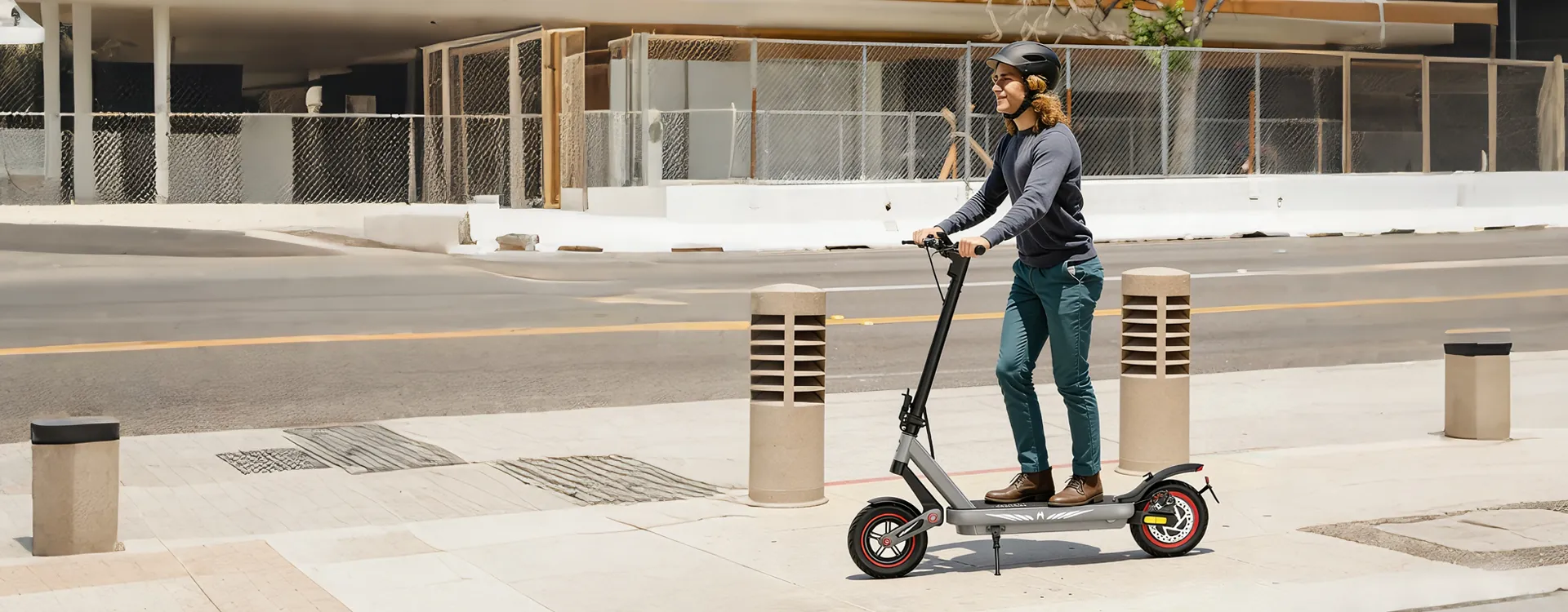
Let's be clear: even if your state doesn't require a helmet, wearing one is the smartest decision you can make. Electric scooters can reach speeds of 15-30 mph, and a fall at that speed can cause traumatic brain injury. According to the CDC, helmet use reduces the risk of head injury by 60% and death by 73% for cyclists and motorized scooter riders. The numbers don't lie.
Modern helmets are lightweight, well-ventilated, and stylish. You don't need to look like a Tour de France reject. Brands like Bell, Giro, and Thousand offer commuter-friendly helmets that pair well with any outfit. For off-road riders tackling trails on a Zwheel ZSB2 (1500W all-terrain), consider a full-face helmet for maximum protection against branches, rocks, and unexpected wipeouts.
How to Choose the Right Helmet for Electric Scooter Riding
Not all helmets are created equal. Here's what to look for:
- Certification: Look for CPSC, ASTM, or EN1078 certification. These ensure the helmet meets safety standards for impact protection.
- Fit: A helmet should sit level on your head, covering your forehead. It shouldn't rock back and forth. Use the sizing pads if needed.
- Ventilation: More vents mean better airflow, which is crucial for sweaty commutes. But more vents can compromise structural integrity—find a balance.
- Visibility: Bright colors or reflective elements help drivers see you. Some helmets even have integrated lights.
- Style: Choose a helmet you'll actually wear. If it's uncomfortable or ugly, you'll leave it at home.
For city commuters on a Zwheel ZSA Plus (800W, 28 mph), a lightweight commuter helmet with good ventilation is ideal. For extreme riders pushing a Zwheel ZSE2 (6000W racing scooter), a full-face DOT-approved helmet is non-negotiable.
What Happens If You Break the Law?
Penalties for not wearing a helmet when required vary. In California, the fine is around $25 for a first offense, but it can go up to $250 with court fees. In New York, fines can reach $200. Some cities impound scooters if riders are caught repeatedly without helmets. Beyond fines, if you're in an accident without a helmet, your insurance claim could be denied, and you may be held partially liable for your injuries.
Law enforcement isn't always strict about helmet enforcement, but why risk it? A helmet costs $30-$100—far less than a ticket or a hospital bill.
Tips for Staying Compliant and Safe
- Know your local laws: Check your state DMV website and city ordinances. Laws change frequently, especially as scooter popularity grows.
- Carry a helmet: If you ride shared scooters, bring your own helmet. Some companies offer helmet rentals, but availability is spotty.
- Wear it correctly: A helmet on your handlebars does nothing. Buckle the chin strap snugly.
- Lead by example: If you're riding with kids, wear a helmet. They'll mimic your behavior.
- Consider additional gear: Gloves, knee pads, and reflective clothing can further reduce injury risk.
Frequently Asked Questions About Electric Scooter Helmet Laws
Do adults need to wear a helmet on an electric scooter?
It depends on your state and city. Some states require helmets for all riders regardless of age (e.g., Washington for scooters over 20 mph), while others only require them for minors. Always check local regulations.
Are electric scooter helmet laws the same as bicycle helmet laws?
Not always. Some states classify electric scooters separately, so the helmet laws may differ. For example, California requires bike helmets for riders under 18, and the same applies to scooters. But New York has different rules for Class 3 scooters.
What type of helmet is best for electric scooter riding?
A CPSC-certified bike helmet is sufficient for low-speed commuters. For high-speed or off-road riding, a full-face helmet with a chin bar offers better protection. Look for helmets with MIPS technology for added rotational impact protection.
Can I get a ticket for not wearing a helmet on a shared scooter?
Yes, if your state or city requires helmets, you can be ticketed regardless of whether you own the scooter. Shared scooter companies may also fine you or ban your account for repeated violations.
Do I need a helmet if I'm just riding on private property?
Most helmet laws apply to public roads and sidewalks. On private property, you may not be legally required, but for safety, it's still wise to wear one. Insurance claims for injuries on private property may also be affected if you weren't wearing a helmet.
Final Thoughts: Ride Smart, Ride Legal
Electric scooter helmet laws are a patchwork of state and local rules, but the core message is simple: wear a helmet. It protects you, it's often required by law, and it sets a positive example for other riders. Whether you're commuting on a Zwheel D3S-S (1000W commuter) or tearing up trails on a high-powered off-road machine, a helmet is your most important accessory. Stay informed, stay safe, and enjoy the ride.
Written by
Zwheel Team
Part of the Zwheel editorial team, covering e-mobility trends, product guides, and rider tips.