How to Store an Electric Scooter in Winter: A Complete Guide
Don't let winter ruin your electric scooter. Learn how to store it properly to protect the battery, prevent rust, and ensure it's ready to ride come spring.

Table of Contents
- How to Store an Electric Scooter in Winter: Protect Your Investment
- Why Proper Winter Storage Matters
- Step-by-Step Guide to Winter Storage
- 1. Clean Your Scooter Thoroughly
- 2. Charge the Battery to 50-70%
- 3. Find the Right Storage Location
- 4. Elevate and Support the Tires
- 5. Lubricate and Protect Metal Parts
- 6. Cover It Up
- 7. Perform Periodic Checks
- Winter Storage for Different Scooter Types
- Commuter Scooters
- Off-Road and All-Terrain Scooters
- High-Performance Racing Scooters
- Common Mistakes to Avoid
- How to Prepare Your Scooter for Spring
- Frequently Asked Questions
- Can I store my electric scooter outside in winter?
- How often should I charge my electric scooter during winter storage?
- What is the best temperature to store an electric scooter?
- Should I remove the battery from my electric scooter for winter?
- How do I prevent rust on my electric scooter during winter?
- Final Thoughts
How to Store an Electric Scooter in Winter: Protect Your Investment
As the temperature drops and snow starts to fall, many riders face a tough decision: keep riding or pack it in for the season. If you're like most electric scooter owners, you'll likely store your scooter for a few months. But simply parking it in the garage and forgetting about it until spring can lead to a dead battery, rusted components, and costly repairs. In this guide, we'll walk you through how to store an electric scooter in winter the right way, so it's ready to hit the road when the thaw comes.
Why Proper Winter Storage Matters
Electric scooters are built with sensitive electronics, lithium-ion batteries, and metal components that don't react well to cold, moisture, and neglect. Improper storage can cause:
- Battery degradation: Lithium-ion batteries lose capacity if stored at extreme temperatures or left fully discharged.
- Rust and corrosion: Moisture in the air can rust bearings, screws, and the frame.
- Flat tires: Tires can develop flat spots or lose pressure over time.
- Electronic damage: Condensation can short-circuit controllers and displays.
By taking a few hours to prepare your scooter for winter, you can avoid these issues and extend its lifespan by years.
Step-by-Step Guide to Winter Storage
1. Clean Your Scooter Thoroughly
Before storing, give your scooter a thorough cleaning. Dirt, salt, and grime can trap moisture and cause corrosion. Use a damp cloth and mild soap to wipe down the frame, deck, and wheels. Avoid spraying water directly on electrical components. For tough spots, use a soft brush. Once clean, dry it completely with a microfiber towel.
Tip: If you've been riding on salted roads, pay extra attention to the underside and wheel wells. Salt is highly corrosive.
2. Charge the Battery to 50-70%
This is the most critical step. Lithium-ion batteries should never be stored fully charged or completely drained. The ideal storage charge is between 50% and 70%. This minimizes stress on the cells and prevents capacity loss. If your scooter has a smart BMS (Battery Management System), it may have a storage mode—check your manual.
For example, the Zwheel ZSA Plus features a robust battery management system that helps maintain cell health, but it's still best to store it at around 60% charge.
3. Find the Right Storage Location
Where you store your scooter matters as much as how you store it. Ideal conditions:
- Temperature: Between 50°F and 77°F (10°C and 25°C). Avoid unheated garages that drop below freezing.
- Humidity: Low humidity to prevent rust. If your garage is damp, consider a dehumidifier or a breathable cover.
- Dry and shaded: Direct sunlight can fade displays and degrade plastic parts.
If you must store in a cold garage, insulate the battery by wrapping it in a blanket or removing it and storing it indoors (if removable).
4. Elevate and Support the Tires
Flat spots are a common problem when scooters sit for months. To prevent them:
- Inflate tires to the recommended pressure (check your manual; typically 35-45 PSI).
- If possible, hang the scooter or place it on a stand so the tires aren't bearing the full weight.
- Alternatively, rotate the wheels a quarter turn every few weeks.
For off-road models like the Zwheel ZSB2, which has knobby tires, this step is especially important to maintain tire shape.
5. Lubricate and Protect Metal Parts
Apply a silicone-based lubricant to the folding mechanism, hinges, and any exposed metal parts. This prevents rust and keeps joints moving smoothly. Avoid using WD-40 on bearings; instead, use a dedicated bearing lubricant.
6. Cover It Up
Use a breathable cover to protect your scooter from dust, moisture, and pests. Avoid plastic tarps, which can trap condensation. A cotton sheet or a specialized scooter cover works well. If storing indoors, a simple sheet is sufficient.
7. Perform Periodic Checks
Every 4-6 weeks, check the battery level. If it drops below 50%, recharge it to 60-70%. This prevents deep discharge. Also, inspect for signs of moisture or pests. If you stored it in a cold place, bring the battery to room temperature before charging.
Winter Storage for Different Scooter Types
Not all scooters are the same. Here's how to tailor your storage approach:
Commuter Scooters
Models like the Zwheel D3S-S are lightweight and easy to store indoors. Remove the battery if possible and keep it in a climate-controlled room. Clean the tires and check for wear.
Off-Road and All-Terrain Scooters
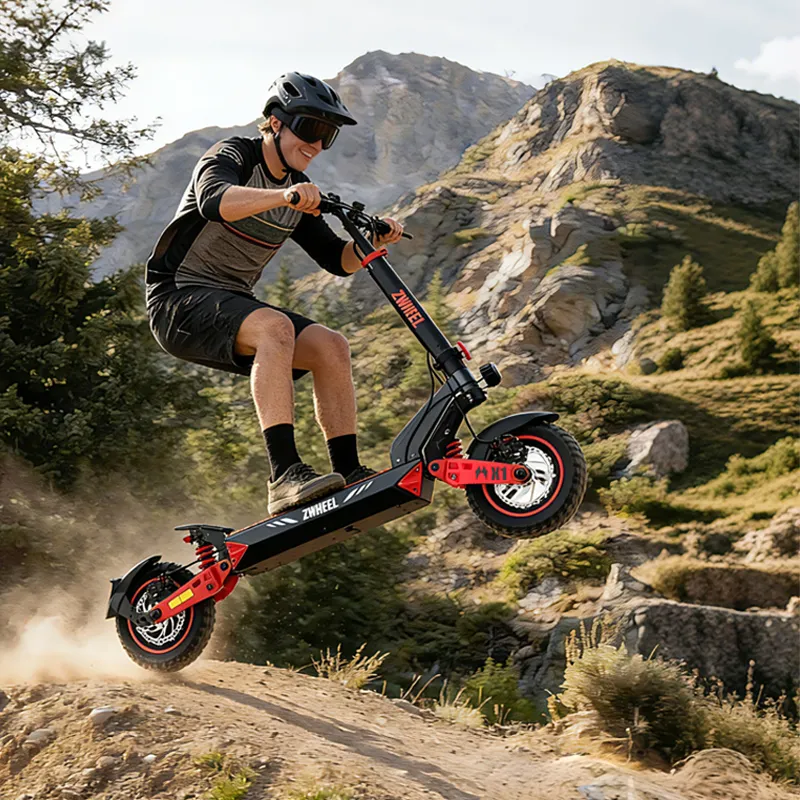
These heavier models, such as the Zwheel ZSD1, may have exposed suspension and larger tires. Pay extra attention to cleaning mud and debris from the suspension and undercarriage. Lubricate pivot points and check for loose bolts.
High-Performance Racing Scooters
If you own a Zwheel ZSE2 (6000W), you'll want to store it with care. These high-powered models have sensitive controllers and batteries. Store in a temperature-controlled environment and consider using a battery tender to maintain optimal charge.
Common Mistakes to Avoid
- Storing fully charged: This accelerates battery aging.
- Leaving it plugged in: Continuous charging can overheat and damage cells.
- Ignoring tire pressure: Flat spots can make your ride bumpy and unsafe.
- Using a non-breathable cover: Traps moisture and causes rust.
- Storing in freezing temperatures: Can permanently damage the battery.
How to Prepare Your Scooter for Spring
When winter ends, don't just hop on and ride. Follow these steps:
- Bring the scooter to room temperature.
- Check tire pressure and inflate as needed.
- Charge the battery fully.
- Test brakes, lights, and throttle.
- Clean and lubricate again.
- Take a short test ride in a safe area.
If you notice any issues, address them before hitting top speeds.
Frequently Asked Questions
Can I store my electric scooter outside in winter?
It's not recommended. Extreme cold and moisture can damage the battery and cause rust. If you must store it outside, use a breathable, waterproof cover and insulate the battery. Better yet, remove the battery and store it indoors.
How often should I charge my electric scooter during winter storage?
Check the battery every 4-6 weeks. If it drops below 50%, recharge it to 60-70%. This prevents deep discharge and maintains battery health.
What is the best temperature to store an electric scooter?
The ideal storage temperature is between 50°F and 77°F (10°C and 25°C). Avoid freezing temperatures and extreme heat.
Should I remove the battery from my electric scooter for winter?
If your scooter has a removable battery, yes. Store it indoors in a cool, dry place at around 60% charge. This protects it from temperature fluctuations.
How do I prevent rust on my electric scooter during winter?
Clean and dry the scooter thoroughly, apply silicone lubricant to metal parts, and store it in a low-humidity environment. Use a breathable cover to keep dust and moisture off.
Final Thoughts
Storing your electric scooter for winter doesn't have to be a chore. With the right preparation, you can protect your investment and ensure it's ready to ride when spring arrives. Remember to clean, charge to 60%, store in a climate-controlled area, and check periodically. Whether you ride a commuter model like the Zwheel ZSA Plus or a high-performance machine like the ZSE2, these steps will keep your scooter in top condition for years to come.
For more tips on electric scooter maintenance and to explore our latest models, visit Zwheel.com.
Written by
Zwheel Team
Part of the Zwheel editorial team, covering e-mobility trends, product guides, and rider tips.