Unboxing and First Ride Electric Scooter: What to Check
Just got your first electric scooter? Here's a step-by-step guide on what to inspect during unboxing and how to prepare for a safe, enjoyable first ride. Avoid common mistakes and extend your scooter's life.

Table of Contents
- Why the First Hour Matters
- Unboxing: What to Check Before You Assemble
- 1. Inspect the Box and Accessories
- 2. Examine the Frame and Fenders
- 3. Check the Tires and Wheels
- 4. Test the Brakes
- 5. Verify the Stem and Handlebars
- 6. Battery and Charger Check
- Preparing for Your First Ride
- 1. Read the Manual (Seriously)
- 2. Choose the Right Environment
- 3. Gear Up
- First Ride: What to Check and How to Ride
- 1. Start Slow
- 2. Test the Brakes Gradually
- 3. Check the Steering and Balance
- 4. Listen for Unusual Noises
- 5. Monitor the Battery Display
- 6. Try the Suspension (If Equipped)
- Post-Ride Inspection and Maintenance
- Common First-Ride Mistakes to Avoid
- What About the Zwheel Range?
- Conclusion: First Ride Checklist Summary
- Frequently Asked Questions
- Do I need to charge my electric scooter for 12 hours before first use?
- How do I know if my scooter's tires have the right air pressure?
- What should I do if my scooter makes a weird noise on the first ride?
- Can I ride my electric scooter in the rain?
- How often should I check tire pressure?
Why the First Hour Matters
You've just unboxed your shiny new electric scooter. It's tempting to hop on and ride, but taking 15 minutes to do a thorough check can prevent accidents and costly repairs. This guide walks you through exactly what to inspect before your first ride, and how to make it a smooth, safe experience.
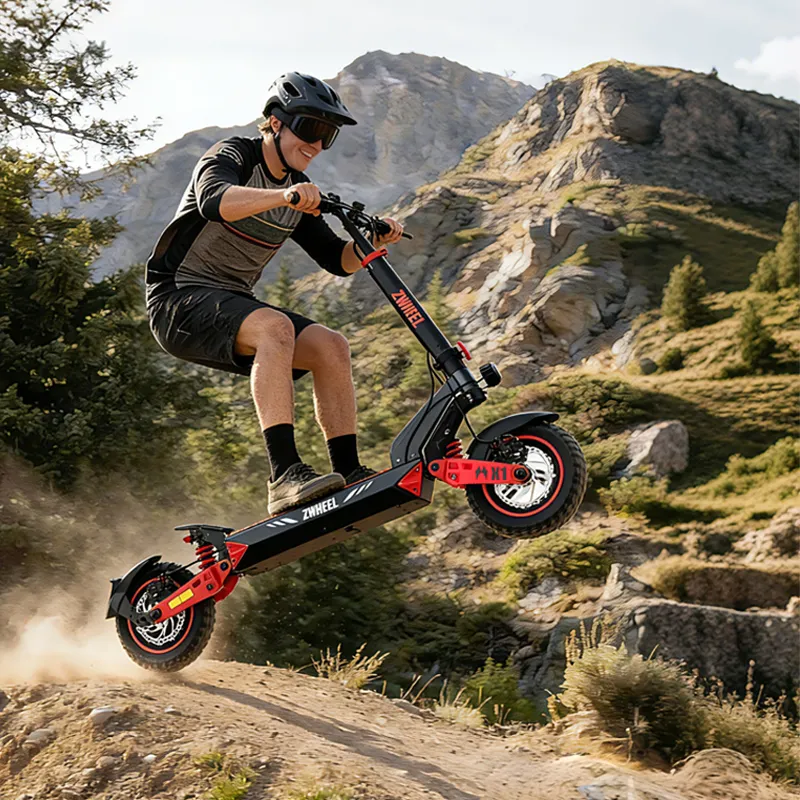
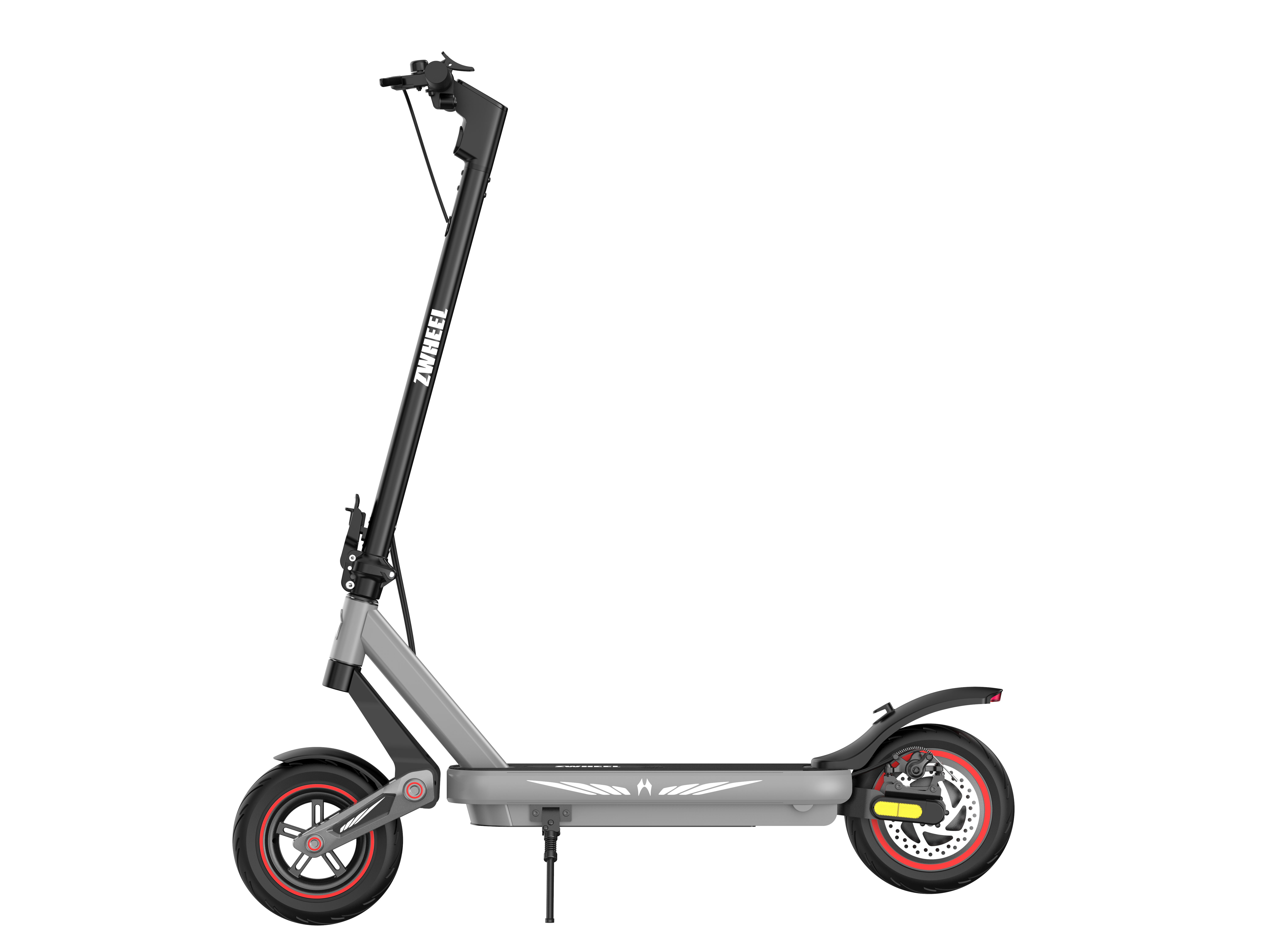
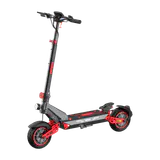
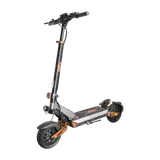
Whether you bought a compact commuter like the Zwheel ZSA Plus or a powerful off-roader like the Zwheel ZSD1, the unboxing and first ride process is similar. Let's dive in.
Unboxing: What to Check Before You Assemble
1. Inspect the Box and Accessories
Carefully open the box. Check for any signs of shipping damage. Verify all accessories are present: charger, manuals, tools, and spare parts. Common items include a hex wrench set, extra screws, and a pump for tubeless tires.
2. Examine the Frame and Fenders
Look for scratches, dents, or cracks. Pay special attention to the folding mechanism and welds. If anything looks off, contact the seller immediately. A damaged frame is a safety hazard.
3. Check the Tires and Wheels
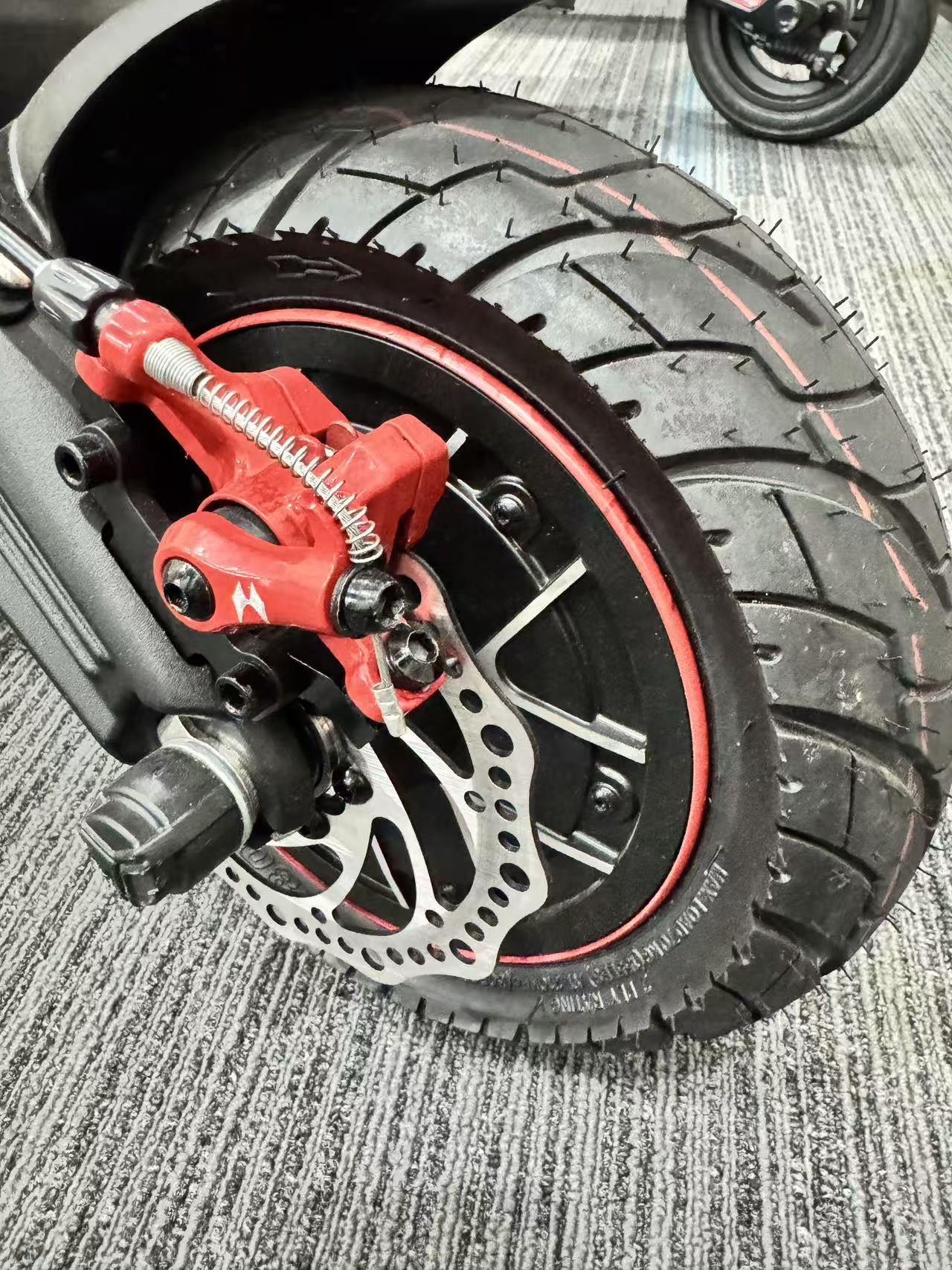
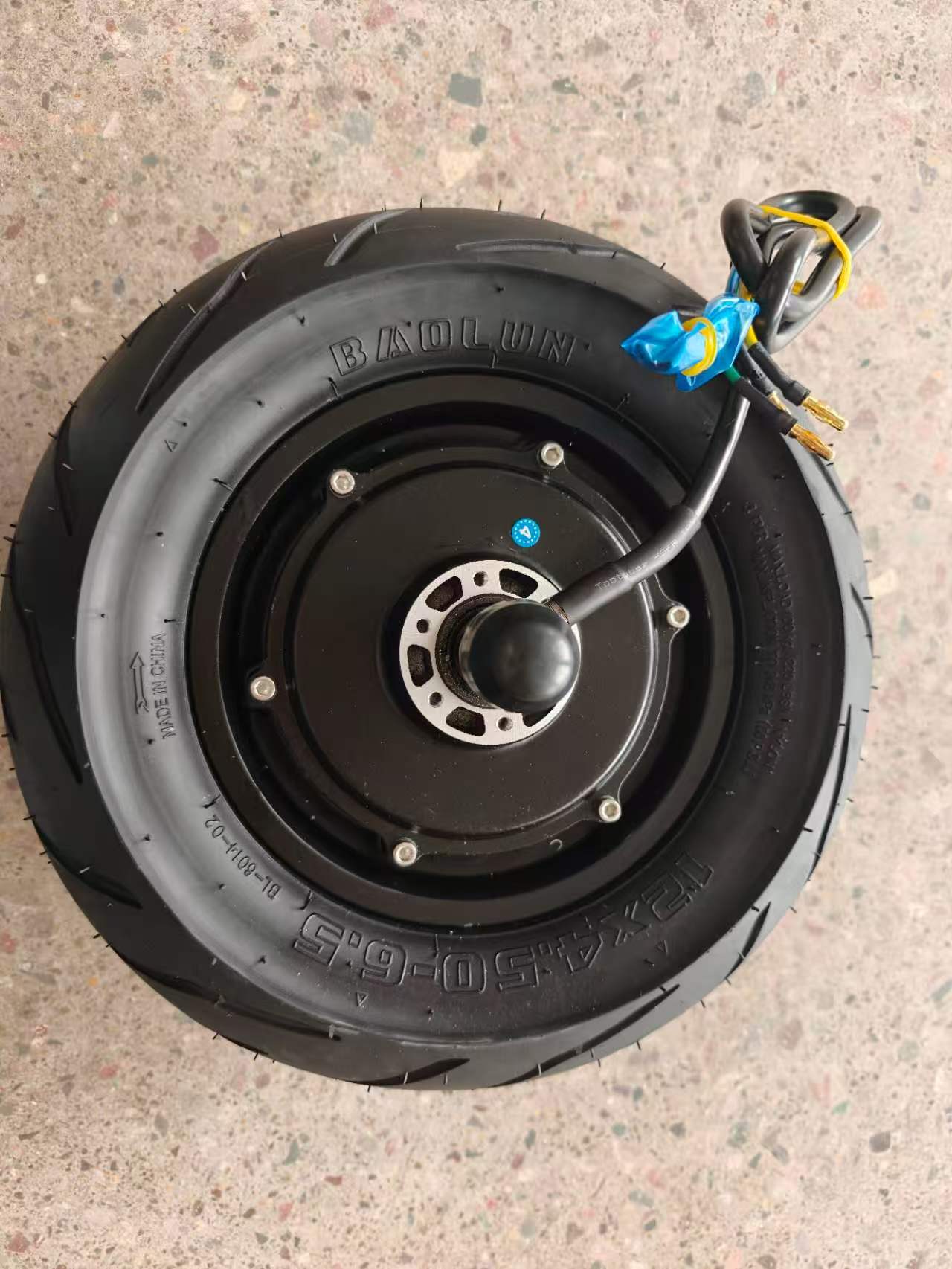
For pneumatic (air-filled) tires, ensure they're inflated to the recommended PSI (usually printed on the tire sidewall). Use a pressure gauge – don't just squeeze. For solid tires, check for any deformities. Spin the wheels to ensure they rotate freely and don't rub against the fenders.
4. Test the Brakes
Squeeze the brake levers (if present) and check the brake calipers or drum brakes. For electronic brakes, ensure the wiring is connected. The brake should engage firmly without dragging.
5. Verify the Stem and Handlebars
If your scooter has a folding stem, tighten the latch and clamp. Ensure the handlebars are aligned and the grips are secure. Loose steering is a common issue that can be fixed with a hex wrench.
6. Battery and Charger Check
Plug in the charger and confirm it lights up. Charge the battery fully before the first ride – most manufacturers recommend an initial 8-12 hour charge, even if the battery shows a partial charge. This helps balance the cells.
Preparing for Your First Ride
1. Read the Manual (Seriously)
Each scooter has unique features. The manual will tell you about the display, riding modes, and how to adjust the suspension. It's a few pages, but it will save you from confusion later.
2. Choose the Right Environment
Find a flat, empty parking lot or a quiet street. Avoid hills, gravel, or wet surfaces. You want to focus on the scooter's behavior, not obstacles.
3. Gear Up
Always wear a helmet. Gloves, knee pads, and elbow pads are highly recommended, especially for beginners. Long sleeves and pants can prevent road rash.
First Ride: What to Check and How to Ride
1. Start Slow
Turn on the scooter and select the lowest speed mode. Most scooters have a 'beginner' mode that limits speed to around 10-15 mph. Practice accelerating and braking smoothly. Get a feel for the throttle – it's usually a thumb lever or a twist grip.
2. Test the Brakes Gradually
At low speed, gently squeeze the brake levers. Notice how the scooter responds. If it has regenerative braking, you'll feel a slight drag when you release the throttle – that's normal.
3. Check the Steering and Balance
Ride in a straight line, then make gentle turns. The scooter should feel stable. If it pulls to one side, check the tire pressure and alignment. If you feel wobbling at higher speeds, it might be a steering damper issue – some scooters have them, some don't.
4. Listen for Unusual Noises
Clicking, grinding, or rattling sounds are not normal. They could indicate loose bolts, a rubbing cable, or a bearing issue. Stop and investigate.
5. Monitor the Battery Display
Note the battery level at the start and end of your ride. This gives you a rough idea of range. Keep an eye on the voltage drop – if it drains unusually fast, contact support.
6. Try the Suspension (If Equipped)
On a smooth road, test the suspension by going over a small bump or curb. Adjust the settings if possible. A good suspension should absorb impacts without bottoming out.
Post-Ride Inspection and Maintenance
After your first ride, check for loose bolts, especially on the stem and folding mechanism. Clean any dirt or debris. If you rode in wet conditions, dry the scooter thoroughly. Check the tire pressure again – it's normal for it to drop slightly.
Consider investing in a scooter stand or a wall mount to keep it upright and prevent scratches. Regular maintenance will extend the life of your scooter.
Common First-Ride Mistakes to Avoid
- Skipping the manual – you might miss important safety warnings.
- Riding on a full charge with max speed – you need to learn the scooter's behavior first.
- Ignoring loose parts – a rattle today could be a broken bolt tomorrow.
- Not adjusting the brakes – if the brake lever feels spongy, adjust it before riding.
- Overloading the scooter – check the weight limit. Most Zwheel models support up to 265 lbs.
What About the Zwheel Range?
Zwheel offers a variety of scooters for different needs. For city commuting, the Zwheel D3S-S is a great choice with its 1000W motor and 40-mile range. If you're into off-road adventures, the Zwheel ZSB2 with 1500W and dual suspension can handle rough terrain. And for those who want top performance, the Zwheel ZSE2 with 6000W is a beast.
No matter which you pick, the unboxing and first ride process remains the same – always prioritize safety.
Conclusion: First Ride Checklist Summary
Here's a quick recap of what to check:
- Box and accessories
- Frame and fenders
- Tires and wheels (pressure, condition)
- Brakes (engage and release)
- Stem and handlebars (tightness, alignment)
- Battery and charger (full charge before first ride)
- Ride in a safe area, start slow, test brakes and steering
- After the ride, inspect for loose parts and clean
By following this guide, your first ride will be both fun and safe. Enjoy the freedom of electric mobility!
Frequently Asked Questions
Do I need to charge my electric scooter for 12 hours before first use?
Yes, most manufacturers recommend a full charge (8-12 hours) before the first ride to balance the battery cells. Even if the battery shows a partial charge, it's best to top it up completely.
How do I know if my scooter's tires have the right air pressure?
Check the tire sidewall for the recommended PSI. Use a pressure gauge – don't just squeeze. For Zwheel scooters, typical pressure is between 40-50 PSI for 10-inch tires, but always verify.
What should I do if my scooter makes a weird noise on the first ride?
Stop immediately and inspect. Check for loose bolts, rubbing cables, or debris stuck in the fenders. If the noise persists, contact customer support – it's better to be safe.
Can I ride my electric scooter in the rain?
Most scooters have an IPX4 water resistance rating, meaning they can handle light splashes, but not heavy rain or puddles. Avoid riding in wet conditions, as it can damage the electronics and reduce traction.
How often should I check tire pressure?
Ideally, before every ride. Tires lose pressure over time, and under-inflated tires can affect range, speed, and safety. A quick check takes 30 seconds.
Written by
Zwheel Team
Part of the Zwheel editorial team, covering e-mobility trends, product guides, and rider tips.