Electric Scooter for Dog Walking: Is It Safe?
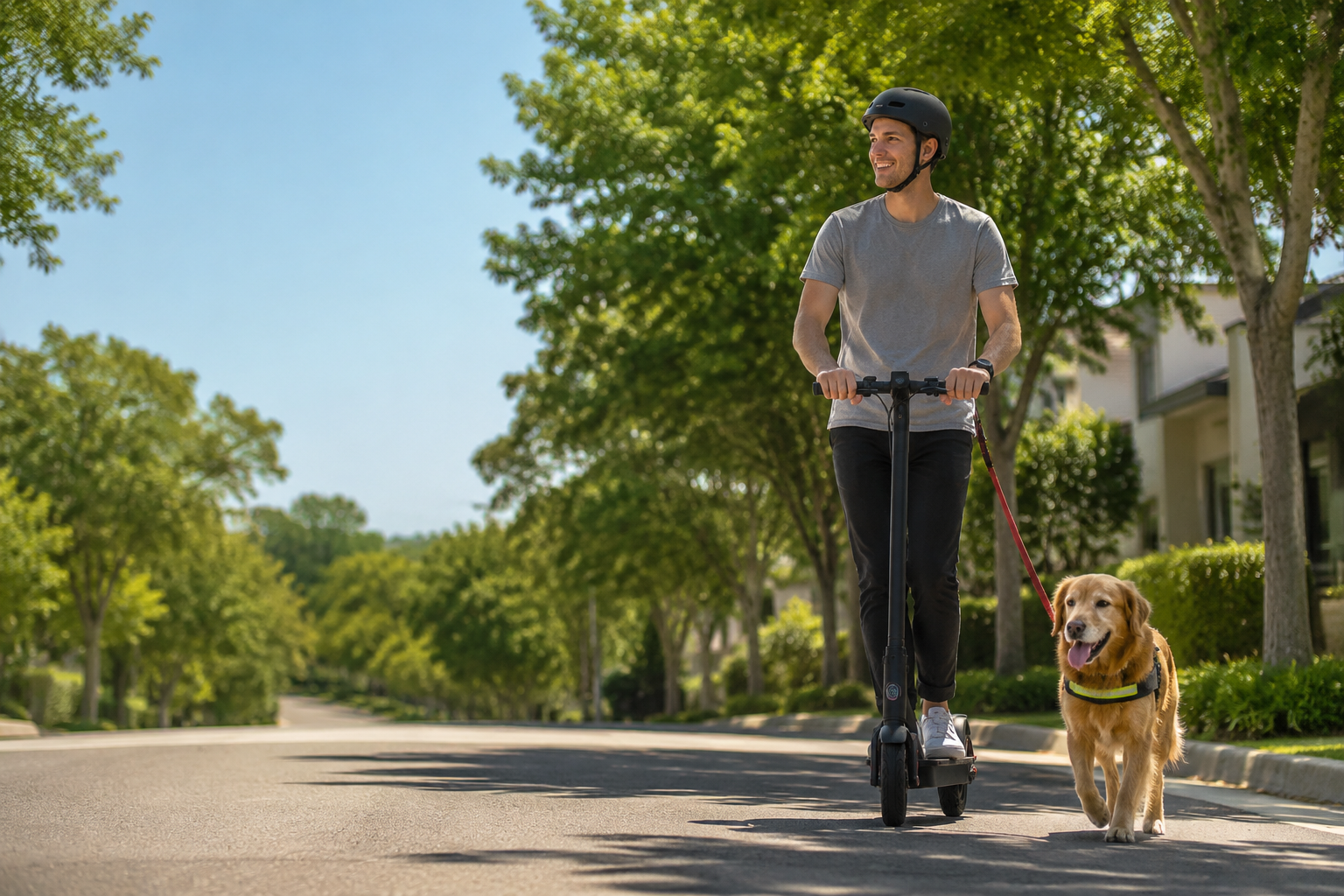
Is using an electric scooter for dog walking safe? This guide covers key safety tips, training steps, leash techniques, and the best e-scooter models for responsible pet owners.
Inhaltsverzeichnis
- Introduction
- Understanding the Basics: What Makes an Electric Scooter for Dog Walking Different?
- Is It Safe? The Real Risks (and How to Mitigate Them)
- Risk #1: Leash Tangling
- Risk #2: Dog Panic or Sudden Movements
- Risk #3: Uneven Terrain and Obstacles
- Risk #4: Fatigue and Distraction
- Step-by-Step Training Plan for a Safe Electric Scooter Dog Walk
- Best Practices for Safe Scooter-Dog Walks
- Choosing the Right Electric Scooter for Dog Walking
- Legal and Etiquette Considerations
- Real-World Example: A Safe Routine
- Conclusion
- Frequently Asked Questions
- Can I use any electric scooter to walk my dog?
- How fast should I ride when walking my dog?
- What type of leash is safest for scooter dog walking?
- How do I train my dog to run alongside a scooter?
- Is it safe for small dogs?
Introduction
Dog walking is a daily ritual for millions of pet owners, but what if you could cover more ground, explore new trails, and make walks more exciting for both you and your furry friend? Enter the electric scooter for dog walking—a growing trend that combines the joy of riding with the responsibility of pet care. But is it safe? The short answer is yes—if done correctly. This article dives deep into the risks, rewards, and best practices for using an electric scooter while walking your dog. Whether you're a seasoned rider or a curious pet parent, you'll find actionable advice to keep tails wagging and wheels rolling safely.
Understanding the Basics: What Makes an Electric Scooter for Dog Walking Different?
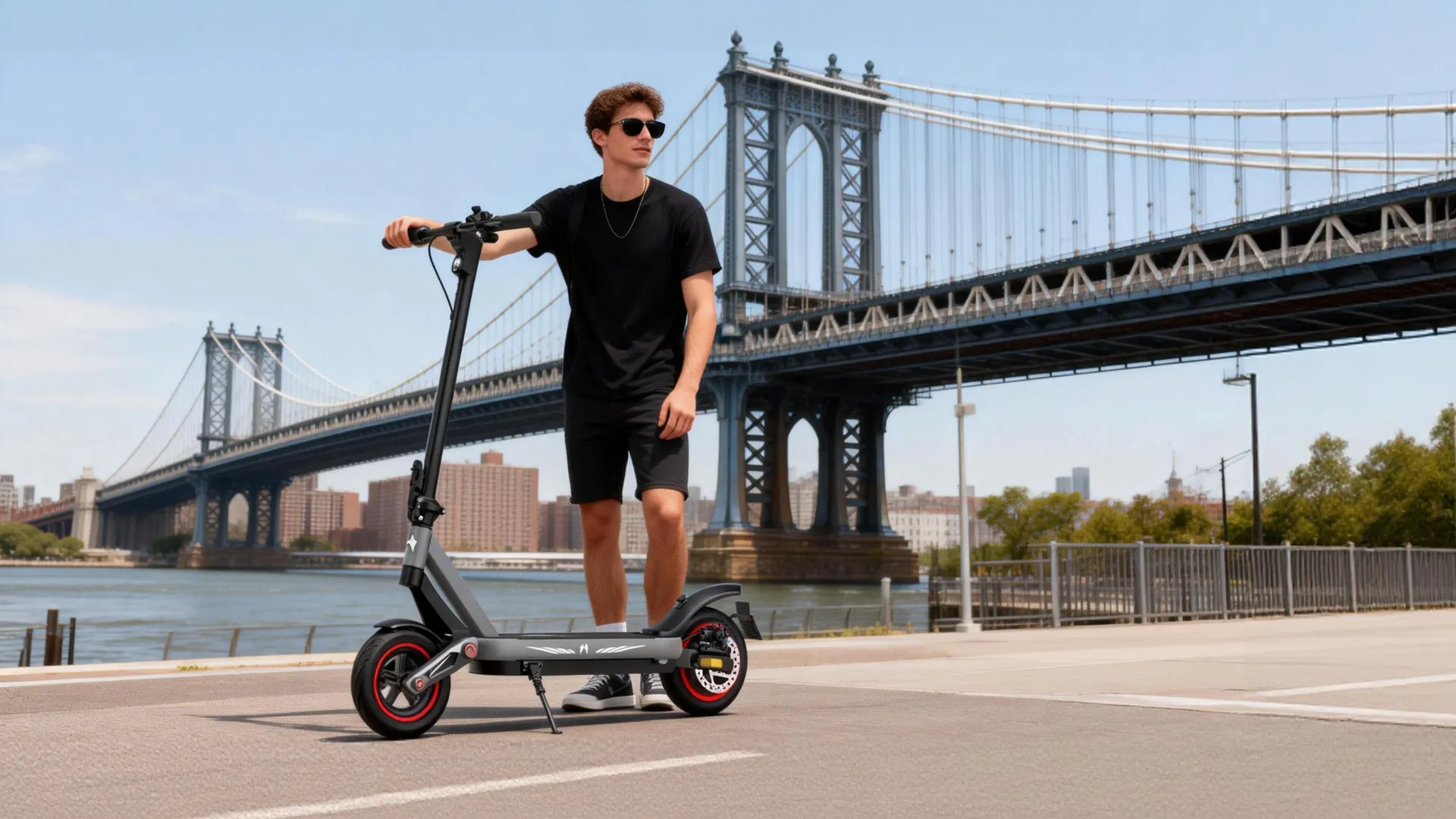
Not every e-scooter is built for dog walking. The key differences lie in stability, control, and safety features. A standard commuter scooter might be too twitchy at low speeds, while a powerful off-road model could overwhelm a nervous pup. For safe dog walking, you need a scooter with:
- Low-speed stability – A wide deck and large tires help maintain balance at walking pace.
- Responsive brakes – Disc or drum brakes offer reliable stopping power, especially when your dog suddenly stops or pulls.
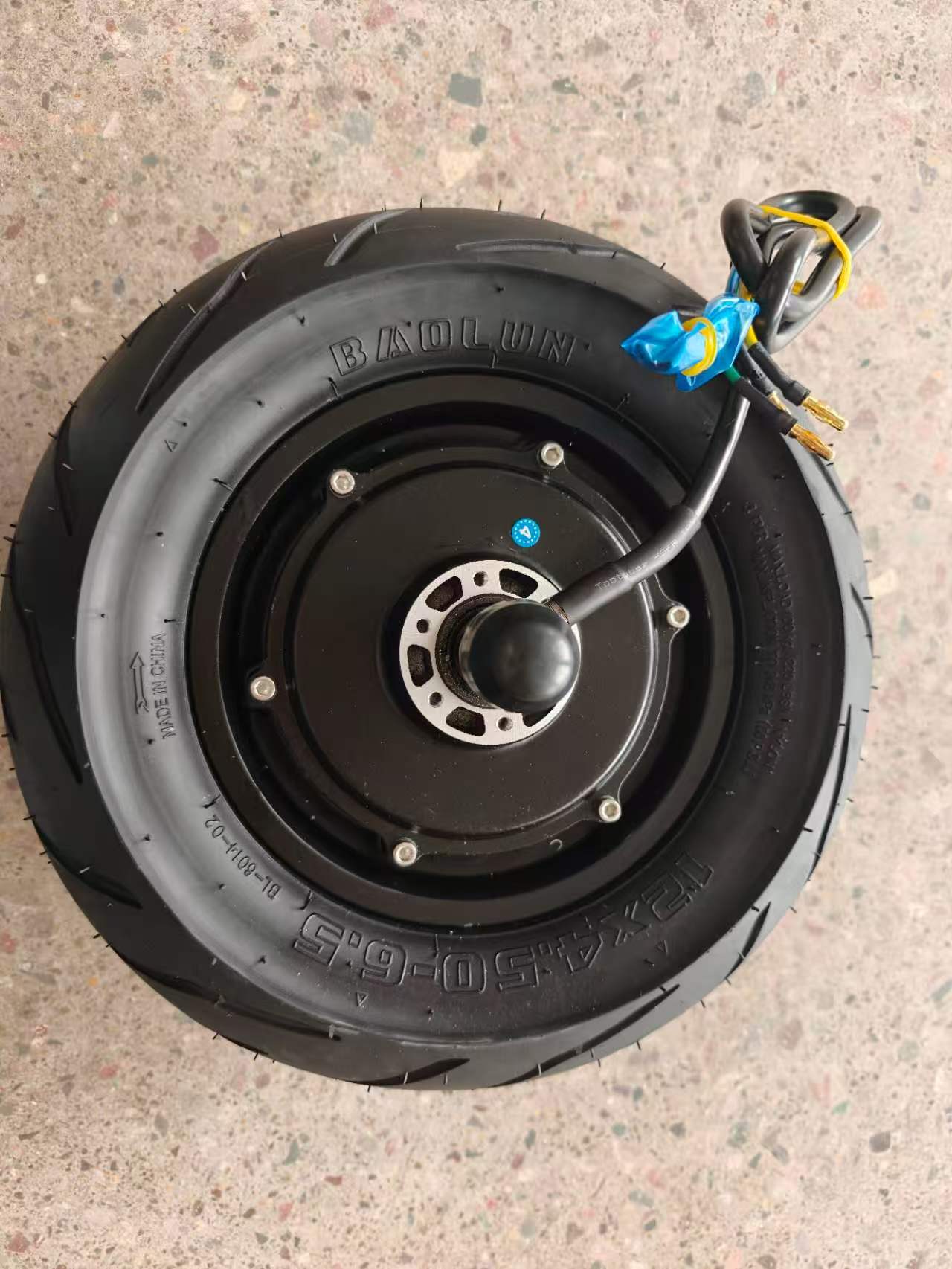
- Quiet operation – Loud motors can spook dogs. Look for brushless hub motors that hum softly.
- Adjustable speed settings – Eco mode or speed limiters let you match your dog's pace.
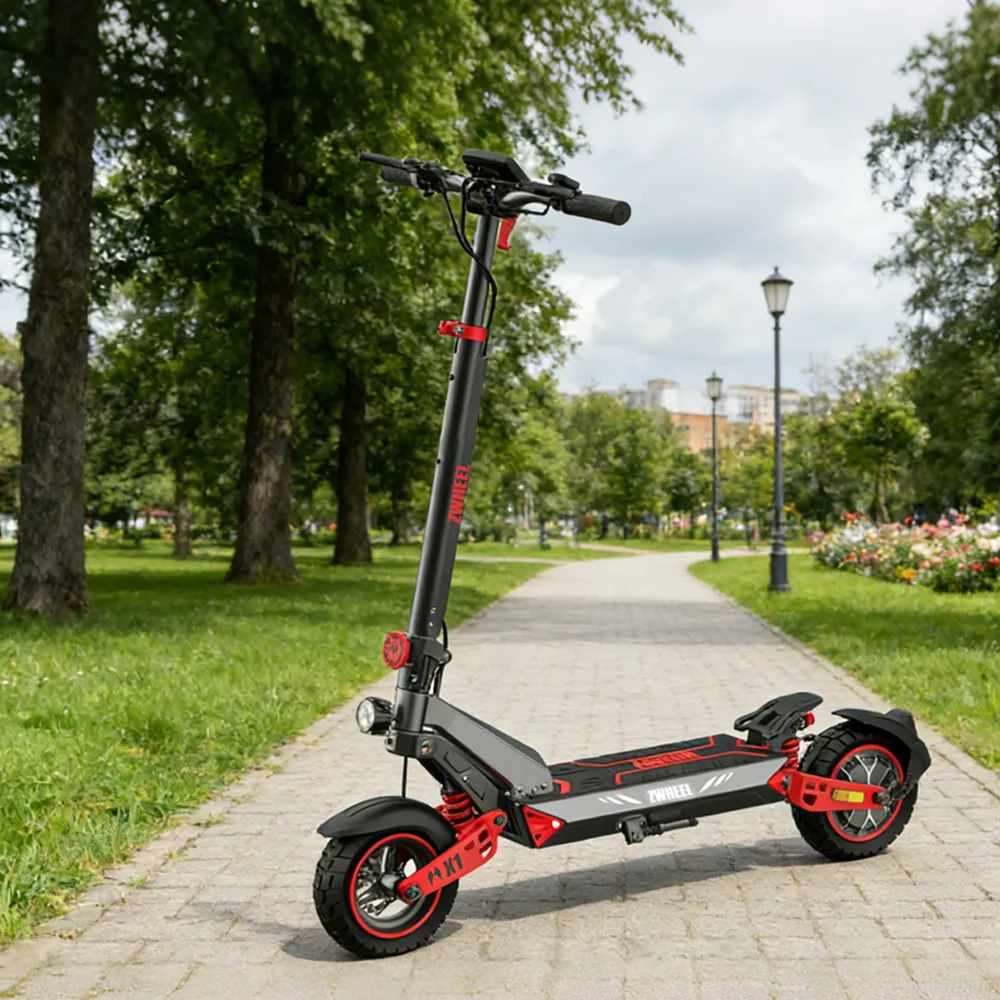
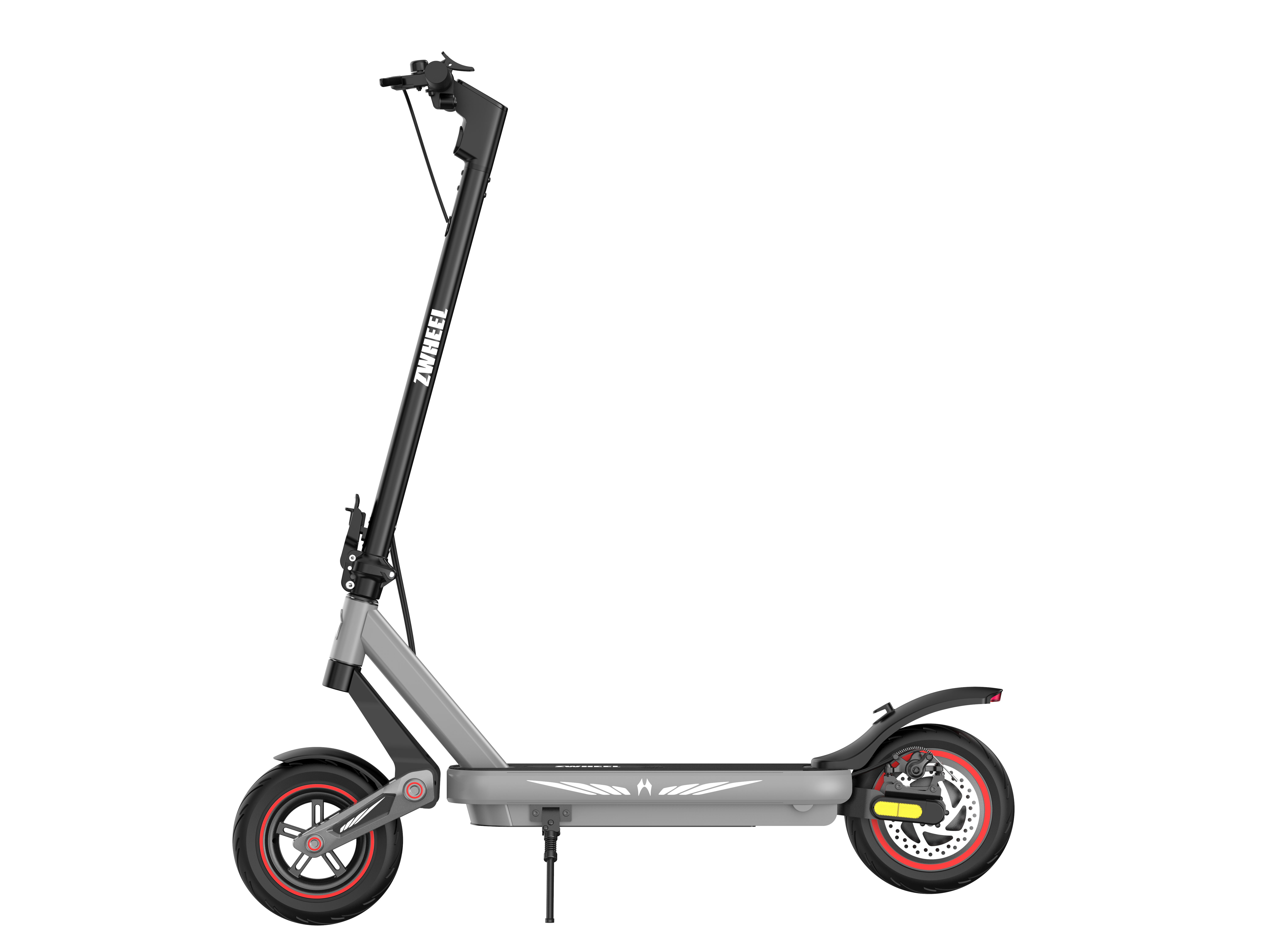
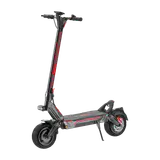
For example, the Zwheel ZSA Plus (800W, $499) is an excellent entry-level choice for city dog walking. Its 10-inch pneumatic tires absorb bumps, and the twist-grip throttle allows precise speed control. If you need more power for hills or longer rides, the Zwheel D3S-S (1000W, $600) offers a smoother ride with its dual suspension system.
Is It Safe? The Real Risks (and How to Mitigate Them)
Risk #1: Leash Tangling
The most common danger is the leash getting caught in the wheels or steering column. A trailing leash can wrap around the front wheel, causing a sudden stop or fall. Solution: Use a hands-free leash system designed for biking or scootering. Attach the leash to your waist or a belt, keeping the dog at your side—not in front. Alternatively, use a short (3-4 foot) leash held in your non-throttle hand, with the dog on your left side (away from traffic).
Risk #2: Dog Panic or Sudden Movements
Some dogs are naturally nervous around moving vehicles. If your dog bolts, you could lose control. Solution: Start with the scooter off, letting your dog sniff and investigate it. Then walk alongside the scooter (engine off) for several sessions. Only when your dog is relaxed should you turn on the motor and ride at a slow walk—no faster than 5 mph.
Risk #3: Uneven Terrain and Obstacles
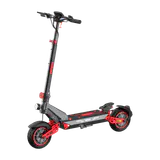
Potholes, roots, and gravel can destabilize your scooter, especially with a dog pulling. Solution: Choose a scooter with off-road tires (like the Zwheel ZSB1 with 1200W and 10-inch all-terrain tires) for better grip. Scan the path ahead and avoid loose surfaces until you and your dog are experienced.
Risk #4: Fatigue and Distraction
Riding while managing a dog can be mentally taxing. Fatigue leads to mistakes. Solution: Keep rides short (15-20 minutes) at first. Take breaks to let your dog rest, sniff, and hydrate. Never ride while distracted by your phone or music.
Step-by-Step Training Plan for a Safe Electric Scooter Dog Walk
Training is the #1 safety factor. Here's a proven 5-step plan:
- Desensitization (3-5 sessions): Park the scooter in your living room. Let your dog sniff it. Reward calm behavior. Gradually move the scooter back and forth while giving treats.
- Static rides (2-3 sessions): With the scooter off, have someone hold your dog on a short leash while you sit on the scooter. Pedal or push with your feet slowly. Reward your dog for staying calm.
- Motor on, no movement (1-2 sessions): Turn on the motor but don't engage the throttle. Let your dog hear the sound. Reward calmness.
- Slow roll (5+ sessions): In a quiet, fenced area, ride at 3-5 mph with your dog on a short leash. Use verbal cues like "slow" and "stop." Practice turning and stopping.
- Real-world ride (ongoing): Gradually introduce traffic, other dogs, and distractions. Always prioritize your dog's comfort. If they show stress, take a step back.
- Speed control: Never exceed 10 mph when walking a dog. Most dogs can comfortably trot at 5-8 mph.
- Leash management: Use a bungee leash to absorb sudden pulls. Attach to a harness (not collar) to avoid neck strain.
- Visibility: Wear bright clothing and use scooter lights, especially at dusk. Reflective gear on your dog adds safety.
- Weather check: Avoid hot pavement (test with your hand—if it's too hot for you, it's too hot for paws). In rain, scooter tires can slip.
- Know your dog: Brachycephalic breeds (pugs, bulldogs) may overheat easily. Senior dogs or those with joint issues should not run long distances.
- Check Max's paws and hydration before starting.
- Use a 4-foot hands-free leash attached to a harness.
- Ride in eco mode (max 8 mph) on quiet residential streets.
- Stop every 10 minutes for water and sniff breaks.
- End the ride if Max shows signs of fatigue (panting heavily, lagging behind).
Best Practices for Safe Scooter-Dog Walks
Choosing the Right Electric Scooter for Dog Walking
While any scooter can be used, some models are better suited. Here's a quick comparison:
| Model | Power | Price | Best For | Key Safety Feature |
|---|---|---|---|---|
| ZSA Plus | 800W | $499 | City, flat terrain | Low-speed stability, 10" tires |
| D3S-S | 1000W | $600 | Hilly areas, longer rides | Dual suspension, responsive brakes |
| ZSB1 | 1200W | $599 | Mixed terrain, trails | Off-road tires, 10" wheels |
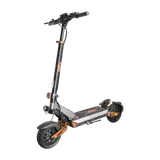
| D3D-S | 1200W | $675 | Off-road, rough paths | Dual disc brakes, rugged build |
| ZSB2 | 1500W | $650 | All-terrain, heavy dogs | Large deck, powerful motor |
For most dog walkers, the ZSA Plus offers the best balance of safety, affordability, and ease of use. If you frequently ride on grass or gravel, the ZSB1 provides extra traction and power.
Legal and Etiquette Considerations
Check local laws: Some cities prohibit riding electric scooters on sidewalks or require helmets. Always yield to pedestrians. When passing others, slow down and announce your presence. Never ride in dog parks or crowded areas. Respect leash laws—your dog must be under control at all times.
Real-World Example: A Safe Routine
Meet Jake, a Zwheel owner who walks his border collie, Max, daily using the D3S-S. He follows this routine:
Jake reports that Max is more exercised and mentally stimulated than with regular walks, and the scooter ride has strengthened their bond.
Conclusion
So, is an electric scooter for dog walking safe? Absolutely—when you take the right precautions. By choosing a stable scooter, training your dog gradually, and following safety best practices, you can transform your daily walks into exciting adventures. Start slow, prioritize your dog's comfort, and always ride defensively. With the right approach, you'll both enjoy the ride. Ready to get started? Check out the ZSA Plus for a budget-friendly, safe option, or explore the ZSB1 for more rugged terrain. Happy (and safe) scooting!
Frequently Asked Questions
Can I use any electric scooter to walk my dog?
Not all scooters are suitable. Look for models with low-speed stability, responsive brakes, and quiet motors. Commuter scooters like the ZSA Plus are a great start.
How fast should I ride when walking my dog?
Stick to 5-8 mph maximum, matching your dog's natural trot. Avoid sudden acceleration or braking. Most dogs can comfortably maintain a steady jog at this pace.
What type of leash is safest for scooter dog walking?
A hands-free bungee leash attached to a harness is safest. It prevents tangling and absorbs sudden pulls. Never use a retractable leash—they can snap or cause injury.
How do I train my dog to run alongside a scooter?
Start with desensitization (let your dog sniff the scooter), then progress to static rides, motor-on sessions, and finally slow rolls. Reward calm behavior at each step. Never force it.
Is it safe for small dogs?
Yes, but with extra caution. Small dogs have shorter legs and may tire quickly. Keep speeds under 5 mph, take frequent breaks, and watch for signs of exhaustion. A scooter with a wide deck (like the ZSB2) offers more stability for the rider.
Geschrieben von
Zwheel Team
Teil des Zwheel-Redaktionsteams mit Fokus auf E-Mobilität, Produktleitfäden und Fahrtipps.