Electric Scooter for Dog Walking: Is It Safe?
Thinking of using an electric scooter for dog walking? Discover safety tips, training methods, and the best scooters to keep you and your pup safe.
Sommaire
- Electric Scooter for Dog Walking: Is It Safe?
- Why People Consider Electric Scooters for Dog Walking
- Key Safety Risks of Using an Electric Scooter for Dog Walking
- 1. Loss of Control
- 2. Braking Distance
- 3. Terrain and Surface Hazards
- 4. Dog's Physical Limitations
- 5. Legal and Etiquette Considerations
- How to Make Electric Scooter Dog Walking Safer
- 1. Choose the Right Scooter
- 2. Use the Right Gear
- 3. Train Your Dog First
- 4. Start Slow and Build Up
- 5. Choose Safe Routes
- 6. Mind the Weather
- Frequently Asked Questions
- Is it legal to walk my dog while riding an electric scooter?
- What type of dog is best for scooter walking?
- Can I use a regular leash with an electric scooter?
- How fast should I go when walking my dog with a scooter?
- What should I do if my dog pulls suddenly?
- Final Thoughts
Electric Scooter for Dog Walking: Is It Safe?
Electric scooters have become a popular way to get around town, and many pet owners are wondering if they can double as a way to exercise their dogs. The idea of gliding along while your dog trots beside you is appealing—especially for high-energy breeds or owners with limited mobility. But is an electric scooter for dog walking actually safe? The short answer: it can be, but it requires careful preparation, the right equipment, and a solid understanding of both your scooter and your dog's behavior.
In this guide, we'll break down the safety considerations, practical tips, and gear you need to make scootering with your dog a safe and enjoyable experience.
Why People Consider Electric Scooters for Dog Walking
Dog walking is a daily chore for millions of owners, and for those with energetic dogs, a simple walk around the block may not be enough. Electric scooters offer a way to cover more ground quickly, provide vigorous exercise for the dog, and reduce the physical strain on the owner. For people with joint issues or limited mobility, a scooter can be a game-changer—allowing them to keep up with their dog without overexerting themselves.
However, mixing a motorized vehicle with an animal that can be unpredictable introduces unique risks. Let's examine those risks and how to mitigate them.
Key Safety Risks of Using an Electric Scooter for Dog Walking
Before you leash up and hop on, it's important to understand the potential hazards.
1. Loss of Control
Dogs can bolt suddenly—chasing a squirrel, reacting to another dog, or getting startled by a loud noise. On a scooter, your hands are occupied with steering and throttle, making it harder to react quickly. A sudden tug can pull you off balance, especially at speed.
2. Braking Distance
Electric scooters have varying braking systems. Some entry-level models have basic rear brakes, while higher-end models offer disc brakes or regenerative braking. At 15 mph, stopping distance can be 10–15 feet or more, depending on surface and brake quality. If your dog darts in front of you, you need to be able to stop fast.
3. Terrain and Surface Hazards
Uneven sidewalks, cracks, gravel, and wet leaves can cause a scooter to slip or lose traction. Add a pulling dog to the mix, and the risk multiplies. Off-road or all-terrain scooters handle rough surfaces better, but they still require caution.
4. Dog's Physical Limitations
Not all dogs are built for sustained running, especially on hard surfaces. Puppies, senior dogs, and flat-faced breeds (like pugs or bulldogs) can overheat or suffer joint damage. Even athletic breeds need conditioning—you can't expect a couch potato to suddenly run three miles.
5. Legal and Etiquette Considerations
In many places, electric scooters are not allowed on sidewalks, and riding on the road with a dog can be dangerous. Check local regulations before you venture out. Also, be mindful of other pedestrians and cyclists—a dog on a leash attached to a scooter can create a tripping hazard.
How to Make Electric Scooter Dog Walking Safer
With the right approach, you can significantly reduce the risks. Here's how.
1. Choose the Right Scooter
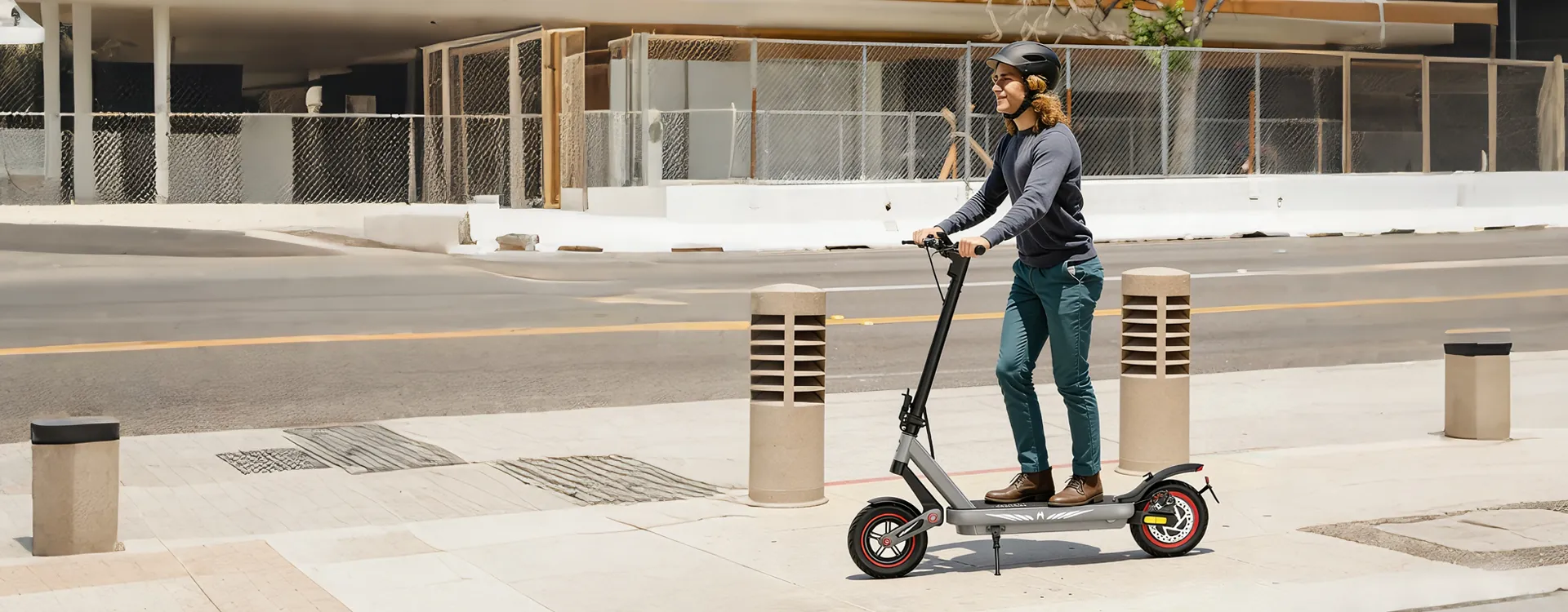
Not all scooters are created equal. For dog walking, you want a model with:
- Strong, reliable brakes (preferably disc brakes on both wheels).
- Good suspension to absorb bumps and keep the ride stable.
- Wide deck and sturdy frame for balance.
- Responsive throttle with smooth acceleration—no jerky starts.
- Sufficient power to handle your combined weight and any pulling from your dog.
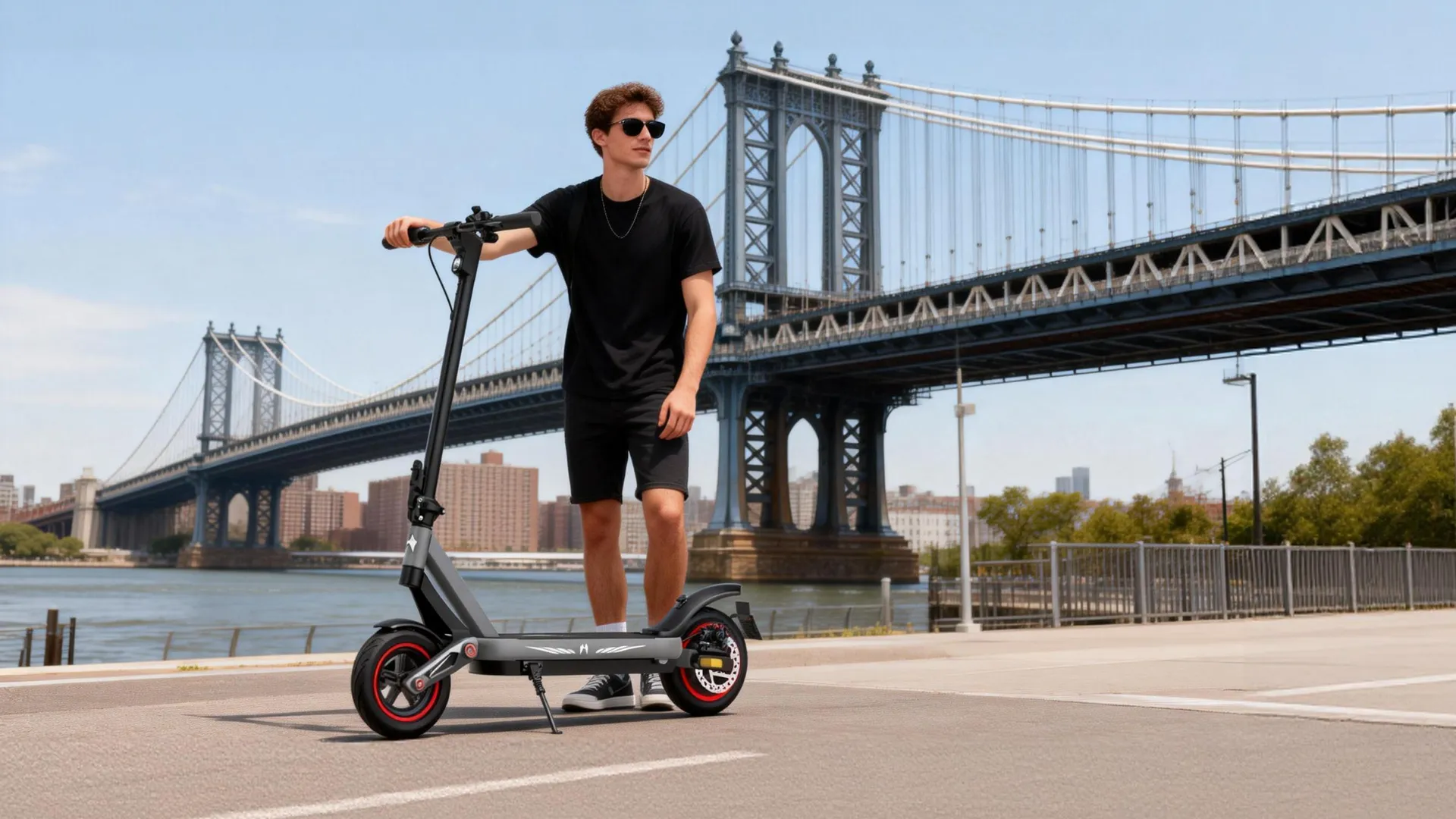
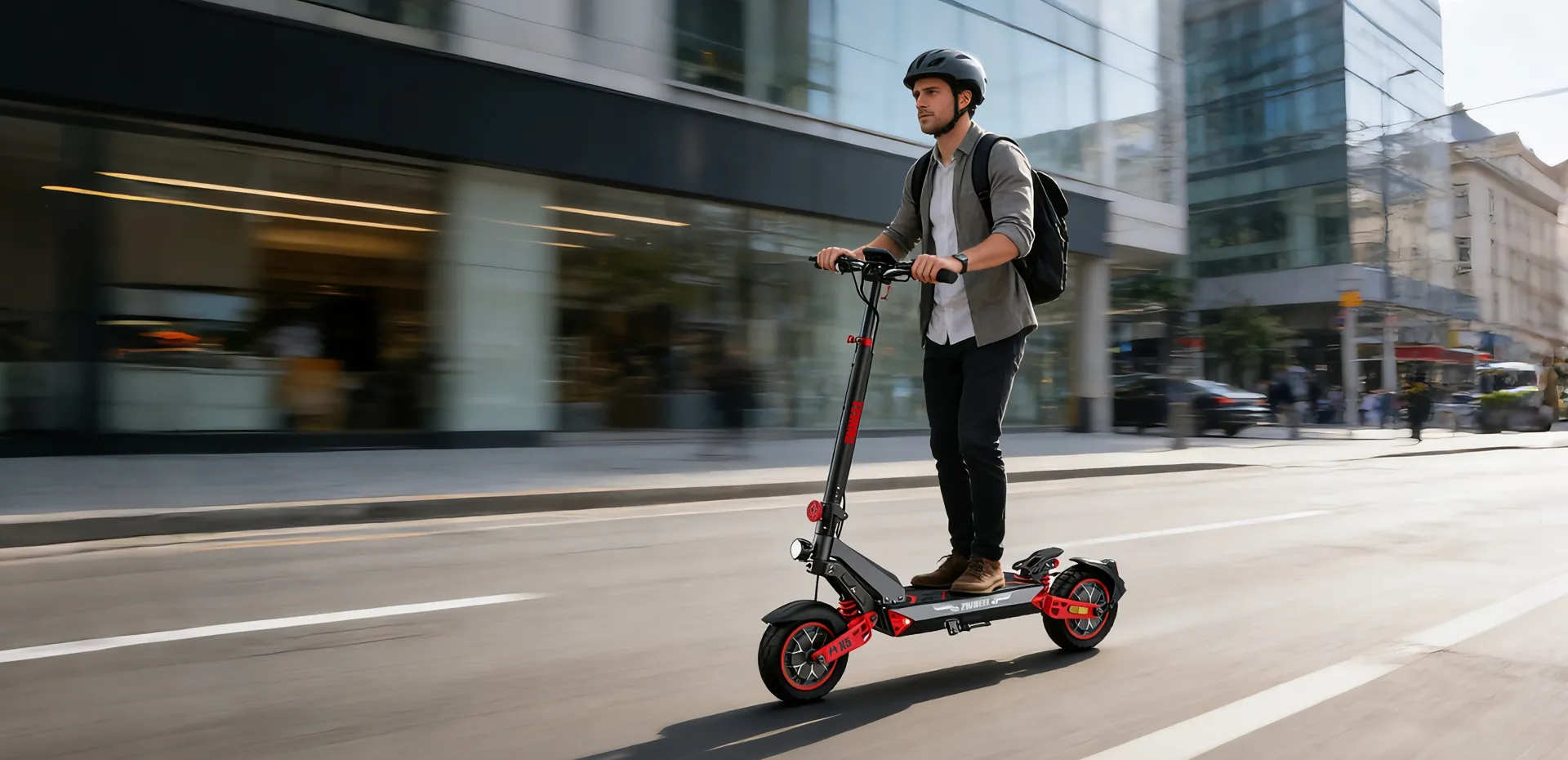
For city commutes and moderate dog walking, the Zwheel ZSA Plus (800W, $499) offers a great balance of power and control, with reliable braking and a comfortable ride. If you have a larger dog or need more torque for hills, consider the Zwheel D3S-S (1000W, $600) or the Zwheel ZSB1 (1200W, $599) for off-road capable performance.
2. Use the Right Gear
Safety gear is non-negotiable. For you:
- Helmet (certified).
- Gloves for grip and protection.
- Knee and elbow pads (especially for beginners).
- Closed-toe shoes with good traction.
For your dog:
- A properly fitted harness (not a collar—collars can injure the neck if pulled).
- A bungee leash to absorb shock and reduce sudden jerks.
- Reflective gear for low-light conditions.
- Boots for hot pavement or rough terrain (optional but helpful).
Consider a hands-free leash system that attaches to your waist or a belt, but be cautious—if the dog pulls hard, it can throw off your balance. A better option is a leash with a handle that you can hold in one hand while keeping the other on the handlebar.
3. Train Your Dog First
Before you introduce the scooter, your dog should have basic obedience down: sit, stay, heel, and leave it. Start by walking the scooter alongside your dog while it's off. Then, progress to slow-speed riding in a safe, enclosed area like a park or empty parking lot. Use positive reinforcement—treats and praise—to reward calm behavior. Gradually increase speed and distance as your dog becomes comfortable.
Never force a dog to run alongside a scooter if it seems fearful or stressed. Some dogs simply aren't suited for it, and that's okay.
4. Start Slow and Build Up
Begin with short sessions—5 to 10 minutes—at a walking pace. Check your dog for signs of fatigue: heavy panting, lagging behind, or limping. Gradually increase duration and speed over several weeks. A good rule of thumb: if your dog is pulling ahead or seems eager, you can go a bit faster; if it's lagging, slow down.
5. Choose Safe Routes
Opt for smooth, paved paths with minimal traffic. Avoid busy roads, crowded sidewalks, and areas with loose dogs. Parks with dedicated bike paths are ideal. Always keep your dog on the side away from traffic.
6. Mind the Weather
Hot pavement can burn your dog's paws—test it with your hand; if it's too hot for you, it's too hot for them. Avoid riding in extreme heat or cold, and never ride in rain or snow where traction is compromised.
Frequently Asked Questions
Is it legal to walk my dog while riding an electric scooter?
Laws vary by location. In many cities, electric scooters are not allowed on sidewalks, and riding with a dog on a leash may be considered unsafe or prohibited. Check your local regulations and always prioritize safety over convenience.
What type of dog is best for scooter walking?
High-energy breeds like Huskies, Border Collies, and German Shepherds are often well-suited, but any healthy dog can adapt with proper training. Avoid scootering with puppies under 12 months, senior dogs, or flat-faced breeds that struggle to breathe.
Can I use a regular leash with an electric scooter?
It's not recommended. A standard leash can tangle in wheels or cause sudden jerks. Use a bungee leash or a hands-free belt with a quick-release mechanism, and always keep the leash short to maintain control.
How fast should I go when walking my dog with a scooter?
Start at a walking pace (3–5 mph) and only increase if your dog is comfortable and keeping up easily. Most dogs can sustain a trot of 6–8 mph, but always monitor for fatigue.
What should I do if my dog pulls suddenly?
Practice the "leave it" command and use a no-pull harness. If your dog lunges, brake smoothly and firmly, and avoid yanking the leash. Consider a professional trainer if pulling is a recurring issue.
Final Thoughts
An electric scooter for dog walking can be a safe and efficient way to exercise your dog—if you take the time to prepare. Choose a scooter with reliable brakes and stability, invest in proper gear, train your dog gradually, and always put safety first. With the right approach, you and your furry friend can enjoy many happy miles together.
Ready to find your perfect ride? Explore Zwheel's lineup of electric scooters, including the ZSA Plus and D3S-S, designed for safety and performance.
Ecrit par
Zwheel Team
Membre de l'equipe editoriale Zwheel, couvrant les tendances de mobilite, guides et conseils.