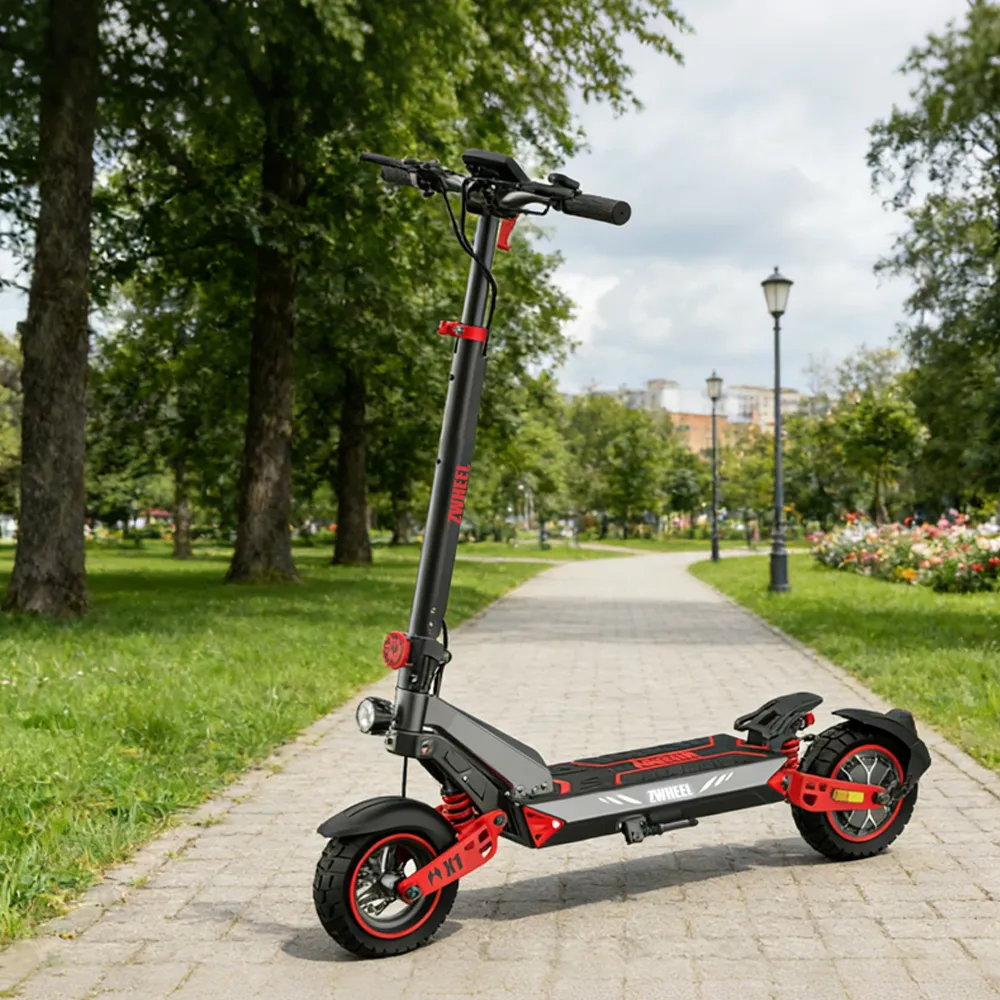
Best Electric Scooter for Weekend Trail Riding in 2026
Looking for the best electric scooter for weekend trail riding? We break down power needs, suspension, tires, and top models for dirt, gravel, and mountain trails in 2026.
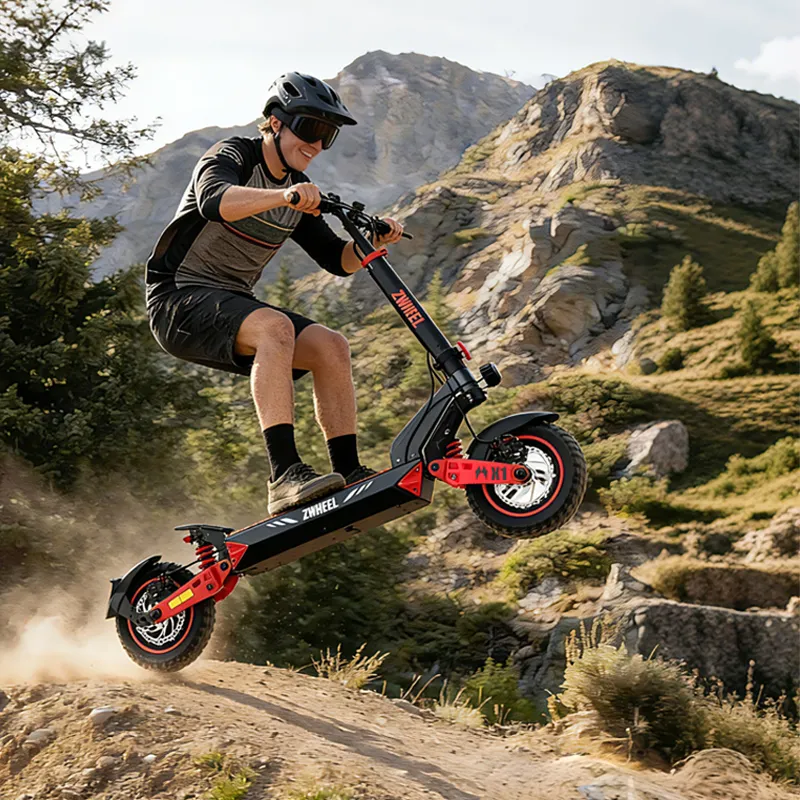
Tabla de contenidos
- Why Weekend Trail Riding Deserves a Purpose-Built Electric Scooter
- What Makes a Scooter Trail-Ready? The 5 Non-Negotiables
- 1. Motor Power: 1000W Is the Practical Minimum
- 2. Suspension: Dual Is Better Than Single
- 3. Tires: Pneumatic, Knobby, and at Least 10 Inches
- 4. Brakes: Hydraulic Discs for Control on Descents
- 5. Battery Range: Plan for 20–40 Miles Real-World
- How to Match Your Scooter to Your Trail Type
- Gravel Paths and Fire Roads
- Dirt Trails and Mixed Terrain
- Mountain Trails and Technical Singletrack
- Top Picks: Best Electric Scooters for Weekend Trail Riding in 2026
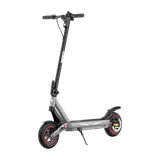
- Best for Gravel and Light Trails: Zwheel ZSA Plus
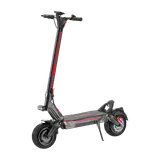
- Best All-Around Trail Value: Zwheel ZSB1
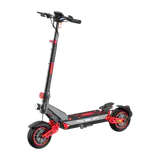
- Best for Mixed Terrain and Longer Rides: Zwheel ZSB2
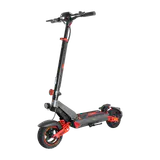
- Best for Serious Mountain Trails: Zwheel ZSD1 and ZSD2
- Real-World Tips for Your First Trail Rides
- Check Tire Pressure Before Every Ride
- Bring a Portable Pump and Basic Tools
- Ride Within Your Range — and Then Some
- Respect Trail Rules and Other Users
- Dress for the Crash, Not Just the Ride
- Common Mistakes to Avoid When Buying a Trail Scooter
- Frequently Asked Questions
- What is the best electric scooter for weekend trail riding?
- Can you ride an electric scooter on hiking trails?
- How much range do I need for trail riding?
- Are electric scooters good for off-road use?
- How fast can an off-road electric scooter go?
- Final Thoughts: Choose the Right Scooter for Your Trails
Why Weekend Trail Riding Deserves a Purpose-Built Electric Scooter
Weekend trail riding is one of the fastest-growing ways to explore the outdoors on two wheels. But if you've ever tried to take a standard commuter scooter onto a gravel path or a rooty forest trail, you already know the problem: tiny tires, stiff suspension, and weak motors turn a fun idea into a jarring, frustrating ride.
Finding the best electric scooter for weekend trail riding means matching the machine to the terrain. A scooter that excels on a paved bike path won't necessarily handle loose dirt, rocks, or 15% grades. In this guide, we'll break down exactly what separates a trail-capable scooter from a street commuter, share real-world specs and ranges, and highlight a few models that genuinely deliver on weekends.
Whether you're a beginner curious about fire roads or an experienced rider chasing technical singletrack, this article will help you choose wisely — and avoid the expensive mistake of buying too little scooter for the trail.
What Makes a Scooter Trail-Ready? The 5 Non-Negotiables
Before we get into specific models, it helps to understand the core features that determine off-road capability. Trail riding puts unique demands on a scooter, and skimping on any of these five areas will limit where you can ride.
1. Motor Power: 1000W Is the Practical Minimum
On flat pavement, a 500W motor feels fine. On a loose gravel climb or a grassy hill, it struggles badly. For weekend trail riding, aim for at least 1000W continuous, and ideally 1200W–2000W if you plan to tackle steeper terrain or carry a heavier rider.
Peak power matters too. A scooter rated at 1200W continuous might peak at 2000W or more, which helps on short, steep climbs. As a rule of thumb:
- 1000W–1200W: Good for flat dirt roads, gravel paths, and gentle hills
- 1500W–2000W: Handles moderate inclines, rougher trails, and heavier riders
- 4000W+: For aggressive off-road riding, steep mountain trails, and high-speed climbing
2. Suspension: Dual Is Better Than Single
Trail surfaces are rarely smooth. Rocks, roots, and ruts transmit vibration straight through the frame and into your wrists and knees. A dual suspension system (front and rear) dramatically improves comfort, control, and tire contact with the ground.
Look for hydraulic or spring-based dual suspension with at least 50–80mm of travel. Cheaper scooters often use a single rear spring, which helps a little but isn't enough for sustained trail riding.
3. Tires: Pneumatic, Knobby, and at Least 10 Inches
Solid rubber tires are a dealbreaker for trails. You want pneumatic (air-filled) tires with a knobby or semi-knobby tread pattern. Tire size matters too:
- 10-inch: Minimum for light trails and gravel
- 11-inch: A sweet spot for mixed terrain
- 12-inch+: Best for rocky, technical trails and maximum stability
Wider tires (3 inches or more) also help float over loose dirt and sand rather than sinking in.
4. Brakes: Hydraulic Discs for Control on Descents
Trail riding involves descents, and descents require reliable braking. Hydraulic disc brakes offer better modulation and heat dissipation than mechanical discs or drum brakes. Many trail-capable scooters now include dual hydraulic discs — front and rear — which is the gold standard.
5. Battery Range: Plan for 20–40 Miles Real-World
Manufacturer range claims are usually measured on flat ground at moderate speed with a light rider. On trails, expect 40–60% less range due to hills, soft surfaces, and higher power draw. If a scooter claims 40 miles, plan for 18–25 miles of real trail riding. For most weekend rides, a true 20–30 mile range is plenty.
How to Match Your Scooter to Your Trail Type
Not all trails are equal. The best electric scooter for weekend trail riding depends on where you actually ride. Here's a quick breakdown:
Gravel Paths and Fire Roads
These are the most accessible trails and the easiest on a scooter. A 1000W–1200W motor with 10-inch pneumatic tires and rear suspension will handle them comfortably. You don't need extreme power here — reliability and range matter more.
Dirt Trails and Mixed Terrain
Once you add roots, rocks, and elevation changes, you'll want 1200W–1500W, dual suspension, and 11-inch knobby tires. This is the sweet spot for most weekend riders.
Mountain Trails and Technical Singletrack
Steep grades, loose rock, and sustained climbs demand serious hardware: 2000W+, dual hydraulic brakes, 12-inch tires, and a robust frame. These scooters are heavier and more expensive, but they open up terrain that lighter models simply can't touch.
Top Picks: Best Electric Scooters for Weekend Trail Riding in 2026
Here are several models that stand out for trail use, organized by terrain and budget. Each offers a different balance of power, weight, and price.
Best for Gravel and Light Trails: Zwheel ZSA Plus
If your weekend rides are mostly gravel paths, park trails, and packed dirt, the Zwheel ZSA Plus is a smart starting point. Its 800W motor and pneumatic tires handle light off-road use well, and at around $499 it's an affordable way to test whether trail riding is for you. Just keep in mind that 800W is on the lower end — it's best for flat to gently rolling terrain, not steep climbs.
Best All-Around Trail Value: Zwheel ZSB1
For riders who want a genuine step up in capability without spending a fortune, the Zwheel ZSB1 hits a strong balance. With a 1200W motor and off-road-oriented design at around $599, it's well-suited to dirt trails, mixed terrain, and moderate hills. This is the kind of scooter that makes weekend trail riding genuinely fun rather than a compromise.
Best for Mixed Terrain and Longer Rides: Zwheel ZSB2
If you ride a variety of surfaces — gravel one weekend, rocky dirt the next — the Zwheel ZSB2 offers 1500W of power and all-terrain capability for around $650. The extra power makes a real difference on sustained climbs and when carrying heavier riders. It's a versatile choice for riders who don't want to be limited by terrain.
Best for Serious Mountain Trails: Zwheel ZSD1 and ZSD2
When your weekends involve real mountains — steep grades, loose rock, long descents — you need serious power. The Zwheel ZSD1 (2000W, ~$800) and Zwheel ZSD2 (4000W, ~$900) are built for exactly this. The ZSD2 in particular delivers the torque and speed needed for aggressive off-road riding, and both are designed with the suspension and braking to match.
Real-World Tips for Your First Trail Rides
Buying the right scooter is only half the equation. How you ride and prepare matters just as much. Here are practical tips from experienced trail riders:
Check Tire Pressure Before Every Ride
Trail riders often run slightly lower tire pressure than street riders — typically 25–35 PSI depending on tire size and rider weight. Lower pressure increases the contact patch and absorbs bumps, but too low risks pinch flats. Experiment to find what works for your terrain.
Bring a Portable Pump and Basic Tools
Flats are the most common trail breakdown. A compact pump, tire levers, a spare tube, and a multi-tool can save a ride. Many scooters use standard valve types, so a bike pump often works fine.
Ride Within Your Range — and Then Some
Never plan a ride that uses 100% of your estimated range. Cold weather, headwinds, and unexpected climbs can drain a battery faster than expected. A good rule: plan to use no more than 60–70% of your real-world range on any single outing.
Respect Trail Rules and Other Users
Not all trails allow electric scooters. Check local regulations before you ride, yield to hikers and cyclists, and keep speeds reasonable on shared paths. Responsible riding keeps trails open for everyone.
Dress for the Crash, Not Just the Ride
Off-road falls happen. A quality helmet is non-negotiable, and knee pads, elbow pads, and gloves are strongly recommended for trail riding. The terrain is less forgiving than pavement.
Common Mistakes to Avoid When Buying a Trail Scooter
- Buying on motor wattage alone: Power matters, but suspension, tires, and brakes matter just as much.
- Ignoring weight: More powerful scooters are heavier — often 60–90 lbs. If you need to carry it up stairs or lift it into a car, factor that in.
- Trusting manufacturer range claims: Always discount range by 40–60% for trail conditions.
- Skipping the test ride: If possible, try before you buy. Comfort and control are personal.
- Overlooking maintenance: Trail scooters need more frequent checks — brakes, tires, bolts, and suspension — than street commuters.
Frequently Asked Questions
What is the best electric scooter for weekend trail riding?
The best choice depends on your terrain. For gravel and light trails, a 1000W–1200W scooter with pneumatic tires works well. For mixed dirt and rocky terrain, 1200W–1500W with dual suspension is ideal. For serious mountain trails, look for 2000W or more with hydraulic brakes and 12-inch tires.
Can you ride an electric scooter on hiking trails?
It depends on local regulations. Many hiking trails prohibit motorized vehicles, while multi-use trails and fire roads often allow electric scooters. Always check with the land management agency or local parks department before riding.
How much range do I need for trail riding?
For most weekend rides, a real-world range of 20–30 miles is sufficient. Because trails reduce range by 40–60% compared to flat pavement, choose a scooter with a manufacturer-claimed range of at least 40–50 miles if you want 20–30 miles of actual trail riding.
Are electric scooters good for off-road use?
Yes — but only purpose-built models. Off-road electric scooters feature larger pneumatic tires, dual suspension, higher-power motors, and stronger brakes. Standard commuter scooters are not designed for off-road use and can be unsafe on rough terrain.
How fast can an off-road electric scooter go?
Entry-level trail scooters typically top out around 20–25 mph, mid-range models reach 30–40 mph, and high-performance off-road scooters can exceed 50 mph. On trails, speed should always be adjusted for visibility, terrain, and other trail users.
Final Thoughts: Choose the Right Scooter for Your Trails
Finding the best electric scooter for weekend trail riding comes down to matching power, suspension, tires, and brakes to the terrain you actually ride. There's no single perfect scooter — a gravel-path rider and a mountain-trail rider need very different machines.
Start by honestly assessing your terrain and riding style, then choose a model with a little more capability than you think you need. That extra margin makes weekend rides more enjoyable and gives you room to grow as a rider. With the right scooter and a bit of preparation, trail riding becomes one of the most rewarding ways to spend a weekend outdoors.
Escrito por
Zwheel Team
Parte del equipo editorial de Zwheel, cubriendo tendencias de movilidad, guías de productos y consejos para ciclistas.