How to Extend Electric Scooter Battery Life: 12 Proven Tips
Discover 12 practical, science-backed ways to extend your electric scooter battery life — from optimal charging habits to storage temps and riding techniques that reduce strain.
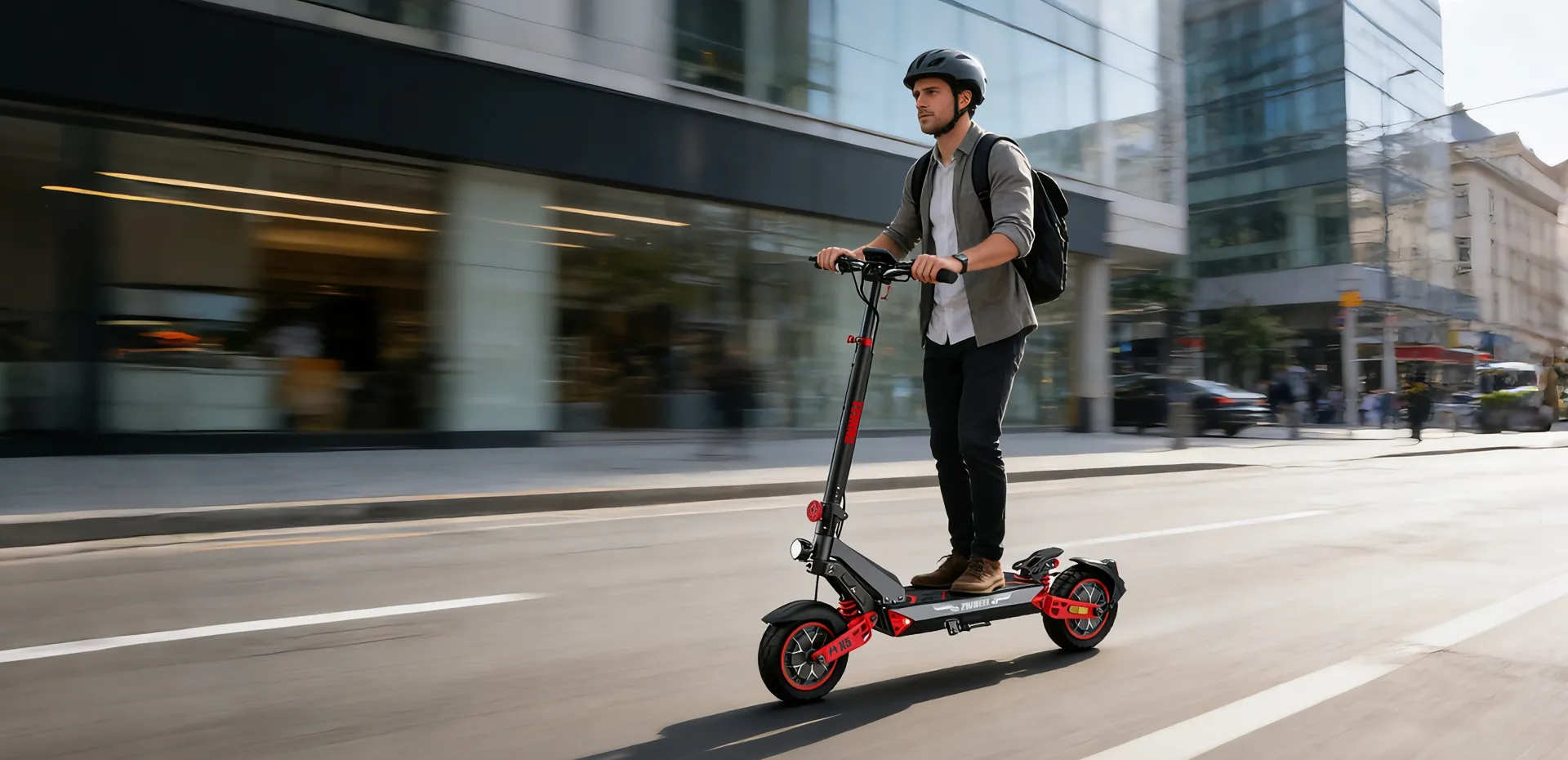
Tabla de contenidos
- Why Electric Scooter Battery Life Matters More Than Ever in 2026
- 1. Keep Your Battery Between 20% and 80% (The Golden Rule)
- Why 100% Isn't Always Best
- 2. Avoid Deep Discharges Below 10%
- 3. Charge at Room Temperature — Not in a Hot Garage
- 4. Store at 50–60% Charge for Long Periods
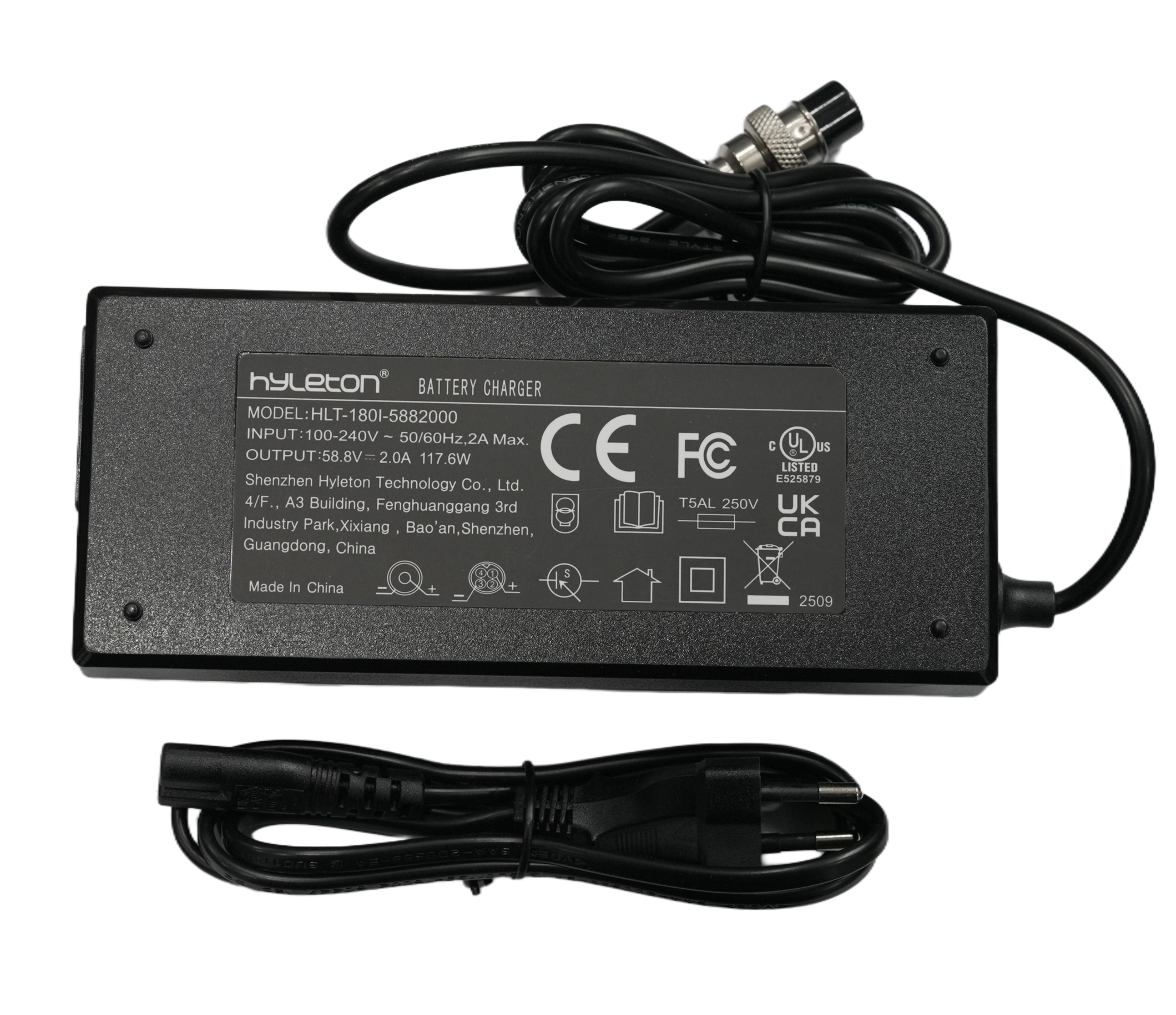
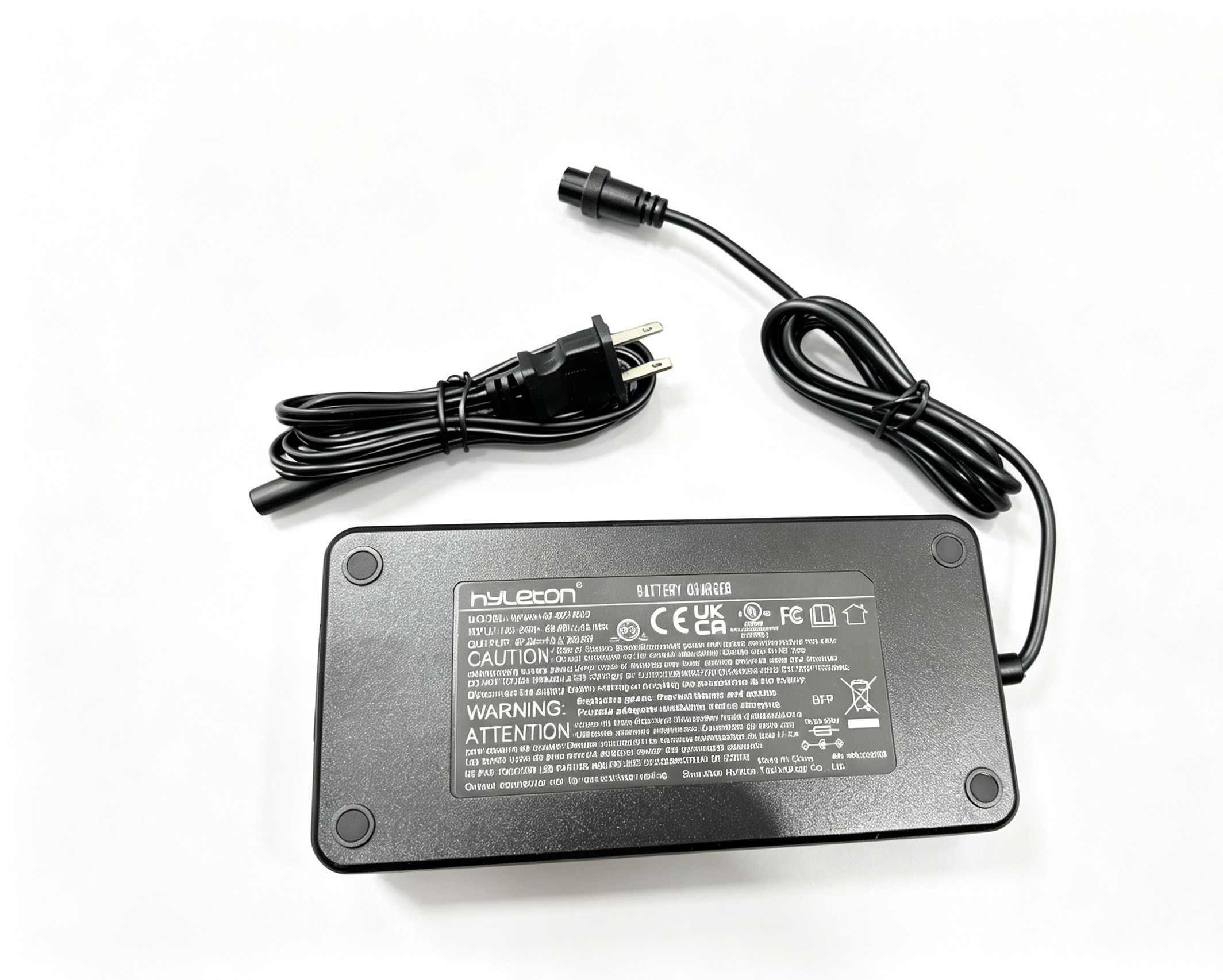
- 5. Use the Correct Charger — Always
- 6. Don't Leave It Plugged In for Days
- 7. Ride Smoothly to Reduce Battery Strain
- 8. Keep Tires Inflated and Bearings Clean
- 9. Avoid Extreme Cold Rides When Possible
- 10. Match Your Scooter to Your Real Needs
- 11. Monitor Battery Health Regularly
- 12. Follow the Manufacturer's Break-In and Service Schedule
- Quick Reference: Battery Do's and Don'ts
- Frequently Asked Questions
- How long does an electric scooter battery last?
- Is it bad to charge my electric scooter to 100% every day?
- Can I leave my electric scooter plugged in overnight?
- Does cold weather permanently damage e-scooter batteries?
- How do I know when my e-scooter battery needs replacing?
- Final Thoughts: Small Habits, Big Battery Gains
Why Electric Scooter Battery Life Matters More Than Ever in 2026
If you own an electric scooter, the battery is the single most expensive component to replace — often costing $200–$500 or more. With lithium-ion packs now powering everything from budget commuters to 6000W performance machines, knowing how to extend electric scooter battery life can save you hundreds of dollars and keep you riding for years instead of months.
In 2026, battery technology has improved, but the fundamentals of lithium-ion care remain the same. Heat, deep discharges, and poor charging habits still kill packs prematurely. The good news? Most riders can double their battery's useful lifespan — from the typical 300–500 cycles to 800+ cycles — by following a handful of proven practices.
This guide breaks down 12 actionable tips, from charging routines to storage temps to riding techniques, so you get maximum range and longevity from every pack.
1. Keep Your Battery Between 20% and 80% (The Golden Rule)
Lithium-ion batteries degrade fastest at the extremes — near 0% and near 100%. Research from battery universities consistently shows that cycling between 20% and 80% can triple the number of charge cycles compared to full 0–100% discharges.
Practical tip: For daily commuting, charge to 80% and recharge when you hit 20–30%. Only charge to 100% the night before a long ride where you truly need the extra range.
Why 100% Isn't Always Best
Holding a battery at 100% — especially in warm conditions — accelerates chemical aging. If you charge overnight, consider a smart plug timer that cuts power after 4–5 hours, or use a charger with an 80% cutoff setting.
2. Avoid Deep Discharges Below 10%
Running your scooter until it dies isn't just inconvenient — it's damaging. Deep discharges stress the battery management system (BMS) and can permanently reduce capacity. Try to never let the pack sit below 10% for extended periods.
If you do run it empty, charge it back to at least 50% within 24 hours. Leaving a depleted battery sitting for weeks can cause irreversible cell damage.
3. Charge at Room Temperature — Not in a Hot Garage
Heat is the #1 killer of lithium batteries. Charging in a 95°F (35°C) garage can degrade cells 2–3x faster than charging at 68–77°F (20–25°C).
Best practices:
- Let your scooter cool for 30–60 minutes after a ride before charging.
- Never charge immediately after a long, hard ride when the pack is hot.
- Charge indoors in a temperature-controlled space when possible.
4. Store at 50–60% Charge for Long Periods
If you're putting your scooter away for winter or a long trip, don't store it at 100% or 0%. The ideal storage charge is 50–60%. Check the battery every 2–3 months and top it back up to 50–60% if it drops below 40%.
Store in a cool, dry place — ideally 50–70°F (10–21°C). Avoid unheated sheds and damp basements.
5. Use the Correct Charger — Always
Using a mismatched or cheap third-party charger is a fast track to battery death. Always use the charger that came with your scooter, or a manufacturer-approved replacement with matching voltage and amperage.
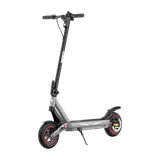
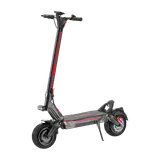
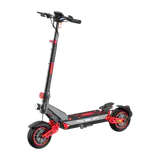
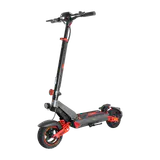
If you own a higher-power model like the Zwheel ZSD1 (2000W) or ZSD2 (4000W), never substitute a lower-wattage charger — it will overheat and undercharge the pack.
6. Don't Leave It Plugged In for Days
While most modern BMS units prevent overcharging, leaving a scooter plugged in for days keeps the pack at 100% and generates constant trickle heat. Unplug once charging completes — usually within 4–6 hours for most e-scooters.
7. Ride Smoothly to Reduce Battery Strain
Aggressive acceleration and constant top-speed riding pull huge current spikes, which heat up cells and shorten lifespan. Smooth throttle control isn't just safer — it's kinder to your battery.
Riding habits that help:
- Accelerate gradually instead of flooring the throttle.
- Use eco or medium power modes for commuting.
- Coast and use regenerative braking when available.
- Maintain proper tire pressure — low tires increase current draw by 10–15%.
8. Keep Tires Inflated and Bearings Clean
This is an underrated battery tip. Under-inflated tires and worn bearings create rolling resistance, forcing the motor to pull more amps to maintain speed. Check tire pressure weekly — most e-scooter tires run 35–50 PSI.
9. Avoid Extreme Cold Rides When Possible
Cold weather temporarily reduces range by 20–40% and stresses the pack. If you must ride in freezing temps, warm the battery indoors before heading out, and expect reduced range. Never charge a frozen battery — let it reach room temperature first.
10. Match Your Scooter to Your Real Needs
Buying an overpowered scooter for gentle commuting means you're carrying extra weight and capacity you rarely use — and stressing a bigger pack unnecessarily. Conversely, pushing a small commuter beyond its limits drains it deeply every ride.
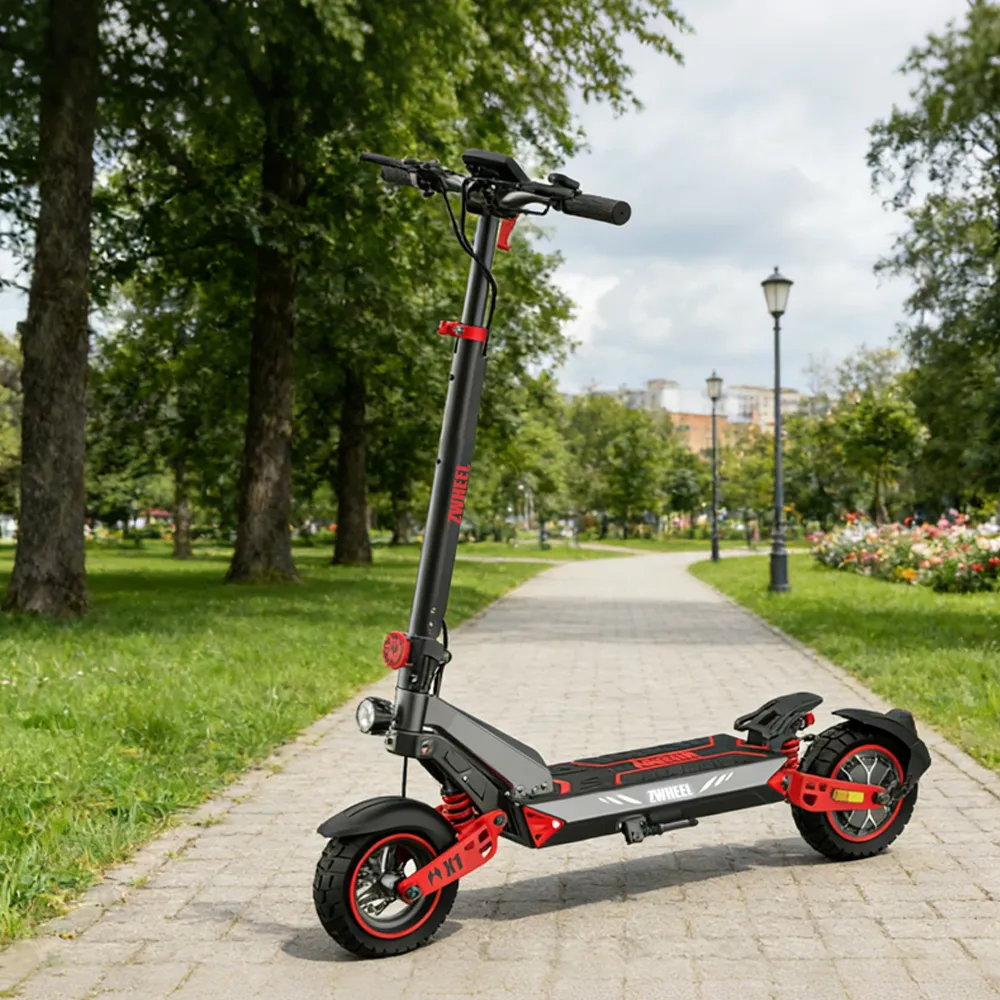
For city commuting, a balanced model like the Zwheel ZSA Plus (800W) or D3S-S (1000W) delivers efficient range without overworking the battery. For mixed terrain or all-weather riding, the ZSB2 (1500W all-terrain) offers a smart middle ground.
11. Monitor Battery Health Regularly
Most modern scooters display voltage or state-of-charge. Watch for these warning signs of degradation:
- Range dropping more than 20% from when new.
- Voltage sagging quickly under acceleration.
- Charging finishing unusually fast.
- Physical swelling, unusual heat, or odors.
If you notice swelling or heat, stop using the battery immediately and consult the manufacturer.
12. Follow the Manufacturer's Break-In and Service Schedule
New batteries benefit from 3–5 gentle partial cycles before full performance. Follow your manual's recommendations, and have your scooter serviced annually — loose connections and worn controllers can cause inefficient power draw that shortens battery life.
Quick Reference: Battery Do's and Don'ts
| Do | Don't |
|---|---|
| Charge to 80% daily | Leave plugged in for days |
| Store at 50–60% | Store empty or full |
| Charge at room temp | Charge a hot or frozen pack |
| Ride smoothly | Constant full-throttle |
| Use OEM charger | Use mismatched chargers |
Frequently Asked Questions
How long does an electric scooter battery last?
Most lithium-ion e-scooter batteries last 300–500 full charge cycles, or roughly 2–4 years with average use. With careful charging and storage habits, many riders reach 800+ cycles and 5+ years.
Is it bad to charge my electric scooter to 100% every day?
Daily 100% charging isn't catastrophic, but it does accelerate aging. For daily commuting, charge to 80% and only go to 100% before long rides.
Can I leave my electric scooter plugged in overnight?
Generally yes, if your scooter has a quality BMS. But for maximum battery life, unplug once charging completes — usually within 4–6 hours.
Does cold weather permanently damage e-scooter batteries?
Cold reduces range temporarily but rarely causes permanent damage unless you charge a frozen battery. Always let it warm to room temperature before charging.
How do I know when my e-scooter battery needs replacing?
Signs include a 20%+ range drop, rapid voltage sag, fast charging, swelling, or unusual heat. Swelling or heat requires immediate replacement.
Final Thoughts: Small Habits, Big Battery Gains
Learning how to extend electric scooter battery life doesn't require technical expertise — just consistent habits. Charge to 80%, avoid deep discharges, keep it cool, store it at half charge, and ride smoothly. Do these things and you'll get years of reliable range from your investment.
Whether you ride a commuter like the Zwheel ZSA Plus or a high-performance machine like the ZSE2 (6000W racing), the same battery principles apply. Treat your pack well, and it'll treat you to thousands of miles of smooth, efficient riding.
Escrito por
Zwheel Team
Parte del equipo editorial de Zwheel, cubriendo tendencias de movilidad, guías de productos y consejos para ciclistas.