Electric Scooter 800W vs 1200W: Which Is Enough for You?
Choosing between an 800W and 1200W electric scooter depends on your commute, terrain, and budget. We break down real-world performance, hill climbing, range, and cost to help you decide which power level is enough for your daily ride.
Sommaire
- 800W vs 1200W Electric Scooters: The Core Difference
- Real-World Performance: Speed, Hill Climbing, and Range
- Speed and Acceleration
- Hill Climbing Ability
- Range Under Real Conditions
- Which Power Level Is Enough for Your Commute?
- City Commuter: 800W Is Often Enough
- Mixed Terrain or Off-Road: 1200W Gives You Confidence
- Battery, Weight, and Portability Trade-Offs
- Cost Comparison: 800W vs 1200W
- Long-Term Reliability and Maintenance
- Final Verdict: Which Is Enough for You?
- Frequently Asked Questions
- Is 800W enough for a 200 lb rider?
- Can a 1200W scooter go up steep hills?
- How fast is an 800W electric scooter?
- Which is better for a long commute: 800W or 1200W?
- Do I need a license for an 800W or 1200W scooter?
800W vs 1200W Electric Scooters: The Core Difference
When you're shopping for an electric scooter, power is often the first spec you check. But what does 800W vs 1200W actually mean in real-world riding? Let's strip away the marketing and look at the numbers that matter.
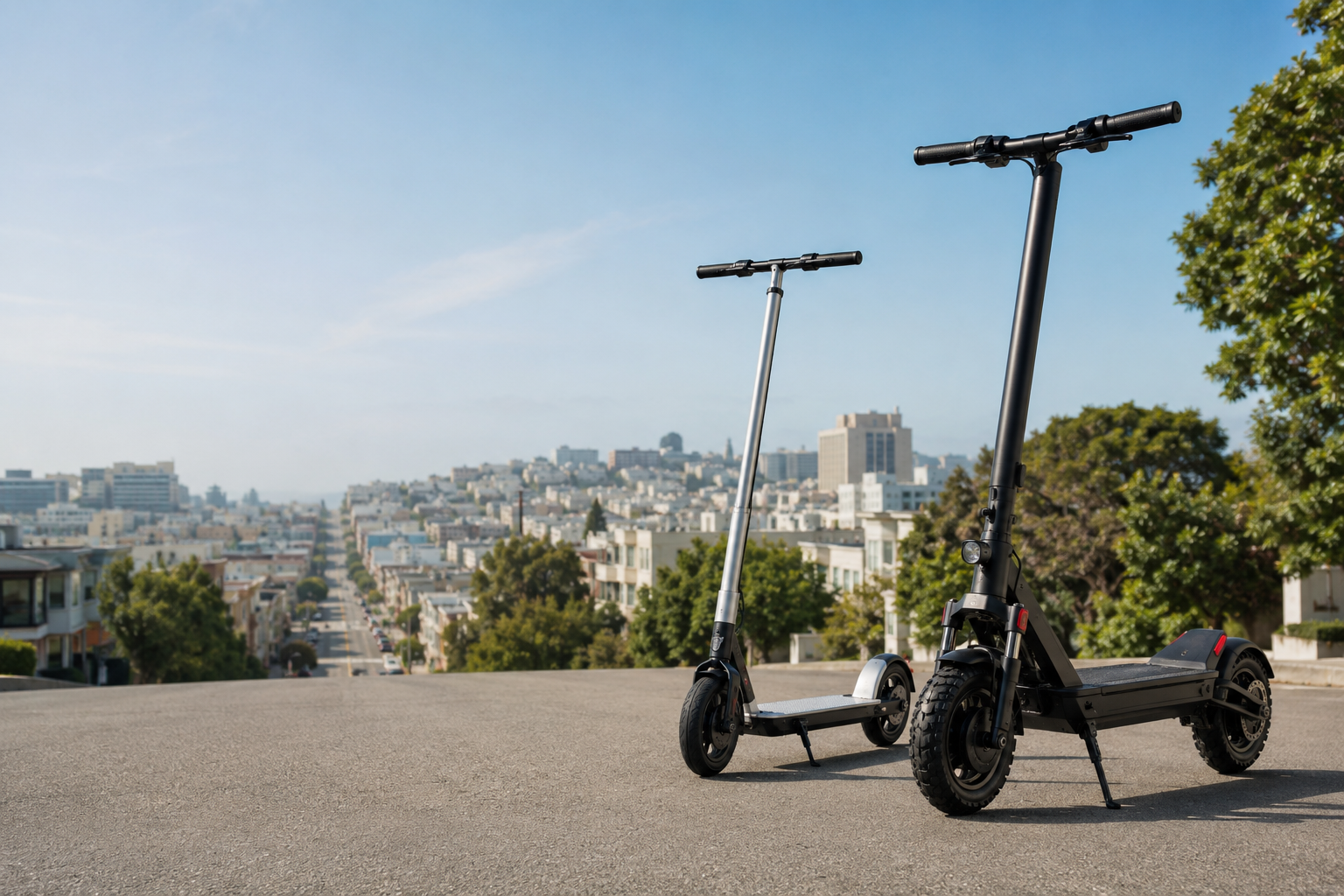
An 800W motor typically delivers around 25–28 mph (40–45 km/h) top speed and can handle moderate hills up to 15% grade. A 1200W motor pushes you to 30–35 mph (48–56 km/h) and climbs steeper inclines (20%+ grade) with ease. But speed isn't everything—range, weight, and ride quality also shift with power.
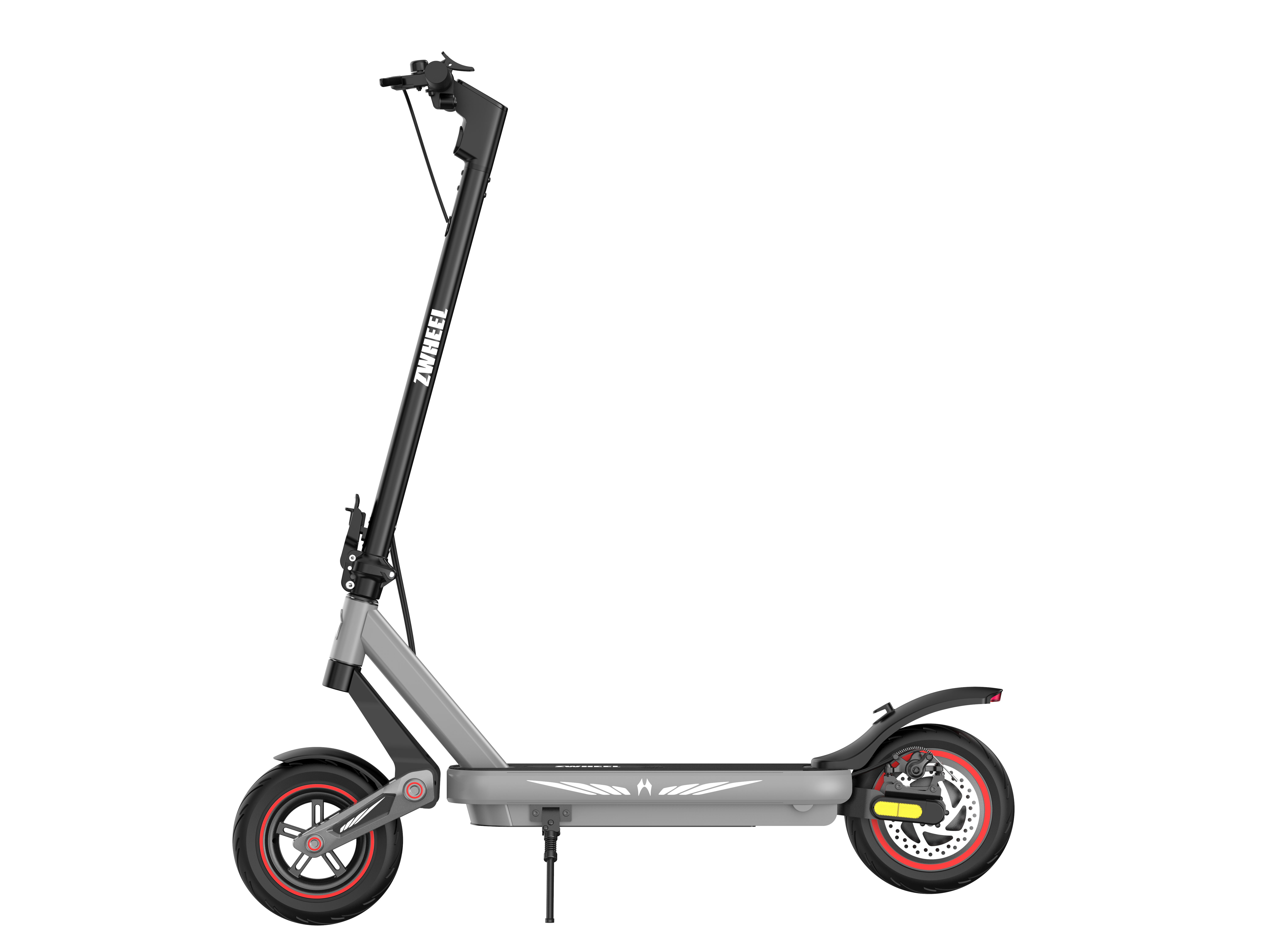
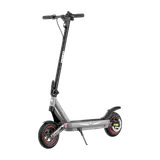
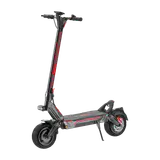
For most city commuters, an 800W scooter like the Zwheel ZSA Plus (800W) offers the perfect balance of portability and performance. It's light enough to carry up stairs (around 35 lbs), yet powerful enough to keep up with traffic. On the other hand, a 1200W scooter like the Zwheel ZSB1 (1200W) is heavier (45–50 lbs) but gives you that extra torque for hills and longer stretches at full speed.
Let's dive deeper into each use case so you can decide which is enough for your lifestyle.
Real-World Performance: Speed, Hill Climbing, and Range
Speed and Acceleration
On flat ground, an 800W scooter will reach 25 mph in about 6–8 seconds. That's plenty for bike lanes and city streets. A 1200W scooter hits 30 mph in roughly 5–6 seconds, giving you a noticeable surge when you need to merge or cross an intersection quickly.
Hill Climbing Ability
This is where the wattage gap really shows. An 800W motor can handle a 10–15% grade (like a moderate bridge or overpass) at 15–18 mph. On steeper hills (20%+), you'll drop to 8–10 mph and may need to kick assist. A 1200W motor climbs the same steep hill at 20–25 mph without breaking a sweat.
Practical tip: If your commute includes any hill longer than 0.5 miles with a grade over 10%, go for 1200W. Your battery and motor will thank you.
Range Under Real Conditions
Manufacturer range claims are often optimistic. In real-world riding:
- 800W scooter (e.g., ZSA Plus): 18–22 miles on flat terrain at full speed, or up to 28 miles in eco mode.
- 1200W scooter (e.g., ZSB1): 22–28 miles on mixed terrain, or up to 35 miles in eco mode.
The extra wattage doesn't drastically reduce range because you're often using less throttle to maintain speed. But if you're heavy on the accelerator, expect a 5–10% range penalty with 1200W.
Which Power Level Is Enough for Your Commute?
City Commuter: 800W Is Often Enough
If you ride mainly on flat roads, bike paths, and sidewalks, an 800W scooter is more than enough. It's lighter, more affordable, and easier to fold and carry. The Zwheel D3S-S (1000W) sits right in between, offering a sweet spot for those who want a bit more torque without jumping to a full 1200W model.
Who should choose 800W:
- Your commute is under 10 miles each way.
- You need to carry the scooter up stairs or onto public transit.
- Your route has no steep hills (under 10% grade).
- Budget is a priority (800W models start around $499).
Mixed Terrain or Off-Road: 1200W Gives You Confidence
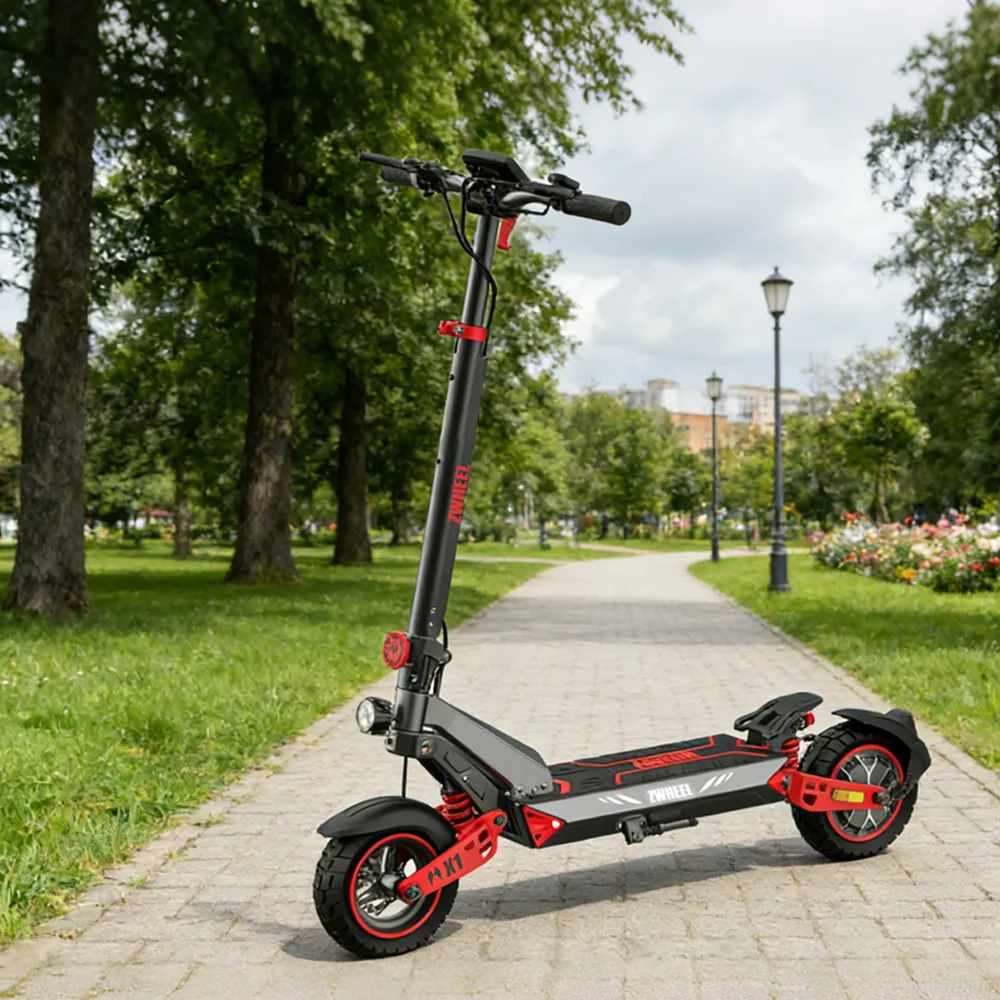
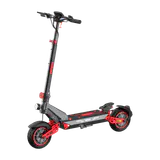
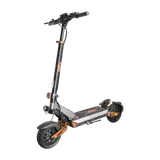
For riders who occasionally hit gravel, grass, or moderate trails, 1200W provides the torque to maintain momentum. The Zwheel ZSB1 (1200W) is a popular choice for mixed use, with 10-inch pneumatic tires and a robust suspension system.
Who should choose 1200W:
- Your commute includes hills over 10% grade.
- You weigh over 200 lbs (extra torque helps acceleration).
- You plan to ride on grass, gravel, or packed dirt occasionally.
- You want a scooter that can handle weekend adventure rides.
Battery, Weight, and Portability Trade-Offs
More power usually means a bigger battery and heavier frame. Here's the trade-off:
| Spec | 800W Scooter | 1200W Scooter |
|---|---|---|
| Weight | 30–38 lbs | 42–55 lbs |
| Battery | 36V 10–13 Ah | 48V 13–18 Ah |
| Charge time | 4–5 hours | 5–7 hours |
| Fold size | Compact | Bulkier |
If portability is critical—say you're a student or a commuter who hops on trains—the 800W ZSA Plus is a no-brainer at 35 lbs. If you have a garage and don't need to carry the scooter far, the extra weight of a 1200W model is a non-issue.
Cost Comparison: 800W vs 1200W
Price differences are significant but narrowing. Here's what you can expect:
- 800W scooters: $400–$550 (e.g., ZSA Plus at $499)
- 1000W scooters: $550–$650 (e.g., D3S-S at $600)
- 1200W scooters: $550–$700 (e.g., ZSB1 at $599, D3D-S at $675)
The extra $100–$200 for 1200W gets you better hill climbing, higher top speed, and usually a larger battery. But if you don't need those features, the savings can go toward a helmet, lock, or spare charger.
Long-Term Reliability and Maintenance
Both power levels are reliable with proper care. However, 1200W motors generate more heat under sustained load. If you ride at full throttle for extended periods (30+ minutes), consider a model with better cooling fins or a higher IP rating. The ZSB1 and D3D-S both feature upgraded thermal management for longer rides.
Maintenance tip: Regardless of power, check your tire pressure weekly (40–50 PSI for street tires) and keep the brake rotors clean. A well-maintained scooter will last 2–3 years or more with daily use.
Final Verdict: Which Is Enough for You?
Here's the bottom line:
- 800W is enough if you're a light rider (under 200 lbs), on flat terrain, with a commute under 10 miles, and want a portable, budget-friendly scooter.
- 1200W is enough if you face hills, weigh more, want higher top speed, or plan to ride on mixed surfaces occasionally.
If you're still unsure, consider the Zwheel D3S-S (1000W) as a middle ground. It offers 90% of the hill-climbing ability of a 1200W motor in a lighter package—perfect for the undecided rider.
Remember, the best scooter is the one you'll actually ride. Don't overbuy power you won't use, but don't underbuy and regret it on your first hill. Test ride both if possible, and always prioritize safety gear.
Frequently Asked Questions
Is 800W enough for a 200 lb rider?
Yes, but expect slower acceleration and reduced hill-climbing ability. On flat ground, you'll still reach 25 mph. For hills, a 1000W or 1200W motor is recommended to maintain speed.
Can a 1200W scooter go up steep hills?
Absolutely. A 1200W motor can handle grades up to 25% (like a steep parking garage ramp) at 15–18 mph. For extreme off-road hills, consider a 1500W+ model like the Zwheel ZSB2.
How fast is an 800W electric scooter?
Most 800W scooters top out at 25–28 mph (40–45 km/h) on flat ground. Actual speed depends on rider weight, tire pressure, and battery charge.
Which is better for a long commute: 800W or 1200W?
For a commute over 10 miles one way, a 1200W scooter with a larger battery (48V 15Ah+) offers better range and less voltage sag. The ZSB1 (1200W) is a solid choice for longer rides.
Do I need a license for an 800W or 1200W scooter?
In most US states, no. But check local laws—some cities require registration for scooters over 750W or with top speeds above 25 mph. Always ride responsibly.
Ecrit par
Zwheel Team
Membre de l'equipe editoriale Zwheel, couvrant les tendances de mobilite, guides et conseils.