Electric Scooter 800W vs 1200W: Which Is Enough?
Deciding between an 800W and 1200W electric scooter? We break down real-world performance, hill climbing, speed, and range so you can choose the right power for your riding style.
目录
- Electric Scooter 800W vs 1200W: Which Is Enough?
- Understanding Motor Power: What Do Watts Actually Mean?
- 800W Electric Scooters: Capable and Efficient
- Performance
- Range
- Best For
- 1200W Electric Scooters: Power and Versatility
- Performance
- Range
- Best For
- Key Factors to Decide: 800W vs 1200W
- 1. Terrain
- 2. Rider Weight
- 3. Speed and Acceleration Needs
- 4. Range vs Power Trade-off
- 5. Portability and Weight
- 6. Legal Considerations
- Real-World Performance Comparison
- Making the Right Choice
- Frequently Asked Questions
- Is 800W enough for a 200 lb rider?
- Can a 1200W electric scooter go uphill?
- What is the top speed of a 1200W electric scooter?
- Does higher wattage mean less range?
- Which is better for commuting: 800W or 1200W?
Electric Scooter 800W vs 1200W: Which Is Enough?
When shopping for an electric scooter, one of the most confusing specs is motor power. You'll see everything from 250W commuter models to 6000W racing machines. But if you're like most riders, you're probably wondering: electric scooter 800w vs 1200w which is enough for my daily needs? The answer depends on your terrain, weight, and riding style. In this guide, we'll break down the real-world differences between 800W and 1200W motors, so you can make an informed decision without overpaying for power you don't need—or underbuying and regretting it.
Understanding Motor Power: What Do Watts Actually Mean?
Watts (W) measure electrical power. In electric scooters, the motor's wattage indicates how much power it can deliver to the wheels. Higher wattage generally means more torque, faster acceleration, and better hill-climbing ability. However, it's not just about top speed—it's about how confidently the scooter handles real-world conditions.
Most scooters list two power figures: nominal (continuous) and peak (burst). Nominal is the sustained power the motor can handle indefinitely, while peak is the maximum output for short periods (like accelerating or climbing). When comparing 800W vs 1200W, we're usually talking about nominal power, but peak can be significantly higher.
800W Electric Scooters: Capable and Efficient
An 800W motor is a sweet spot for many urban riders. It offers a noticeable upgrade over entry-level 500W models while remaining efficient and lightweight. Here's what you can expect:
Performance
- Top speed: Typically 20-28 mph (32-45 km/h), depending on weight and terrain.
- Hill climbing: Handles moderate hills (10-15% grade) at reduced speed. Steep hills may require kicking or may overheat the motor if sustained.
- Acceleration: Quick off the line, but not neck-snapping. Good for city traffic.
Range
Range depends heavily on battery capacity, but an 800W motor is generally more efficient than a 1200W one. You can expect 20-30 miles (32-48 km) on a typical 48V 15Ah battery, depending on speed and rider weight.
Best For
- Urban commuters with relatively flat routes.
- Riders who prioritize range and efficiency.
- Those who want a lighter, more portable scooter.
For example, the Zwheel ZSA Plus features an 800W motor, making it an excellent choice for city commuting.
1200W Electric Scooters: Power and Versatility
Stepping up to 1200W unlocks a new level of performance. These scooters are designed for riders who face hilly terrain, carry more weight, or simply want more excitement. Here's the breakdown:
Performance
- Top speed: Often 28-35 mph (45-56 km/h), with faster acceleration.
- Hill climbing: Conquers steep hills (15-20% grade) with ease, maintaining speed.
- Acceleration: Noticeably quicker, which can be safer when merging with traffic.
Range
Due to higher power draw, range may be slightly lower than an 800W scooter with the same battery. Expect 18-28 miles (29-45 km) on a similar battery. However, many 1200W scooters come with larger batteries to compensate.
Best For
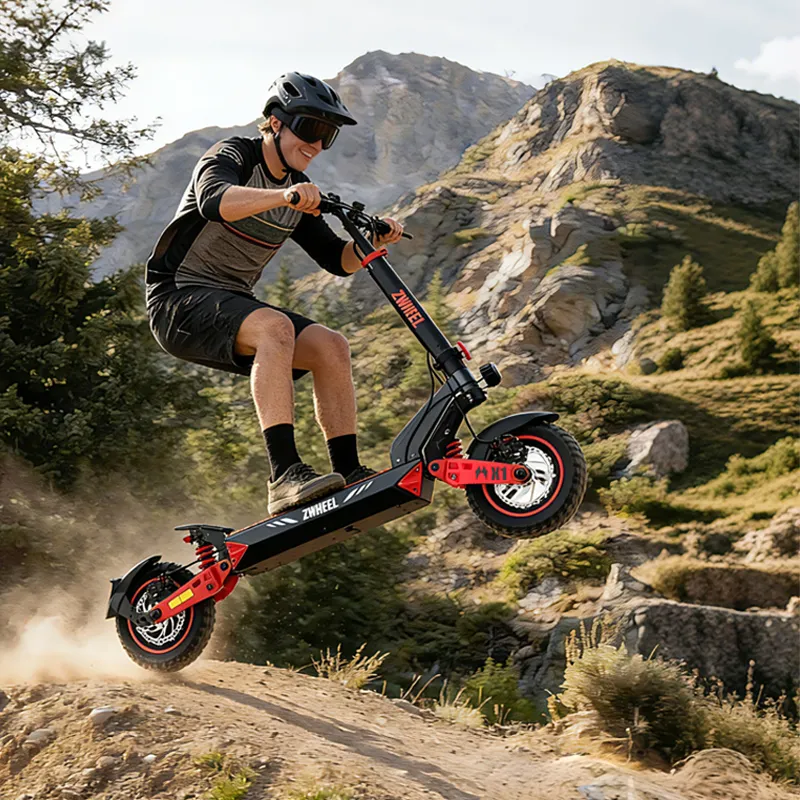
- Riders in hilly cities or with off-road aspirations.
- Heavier riders (over 200 lbs) who need extra torque.
- Those who want a more thrilling ride and don't mind a bit more weight.
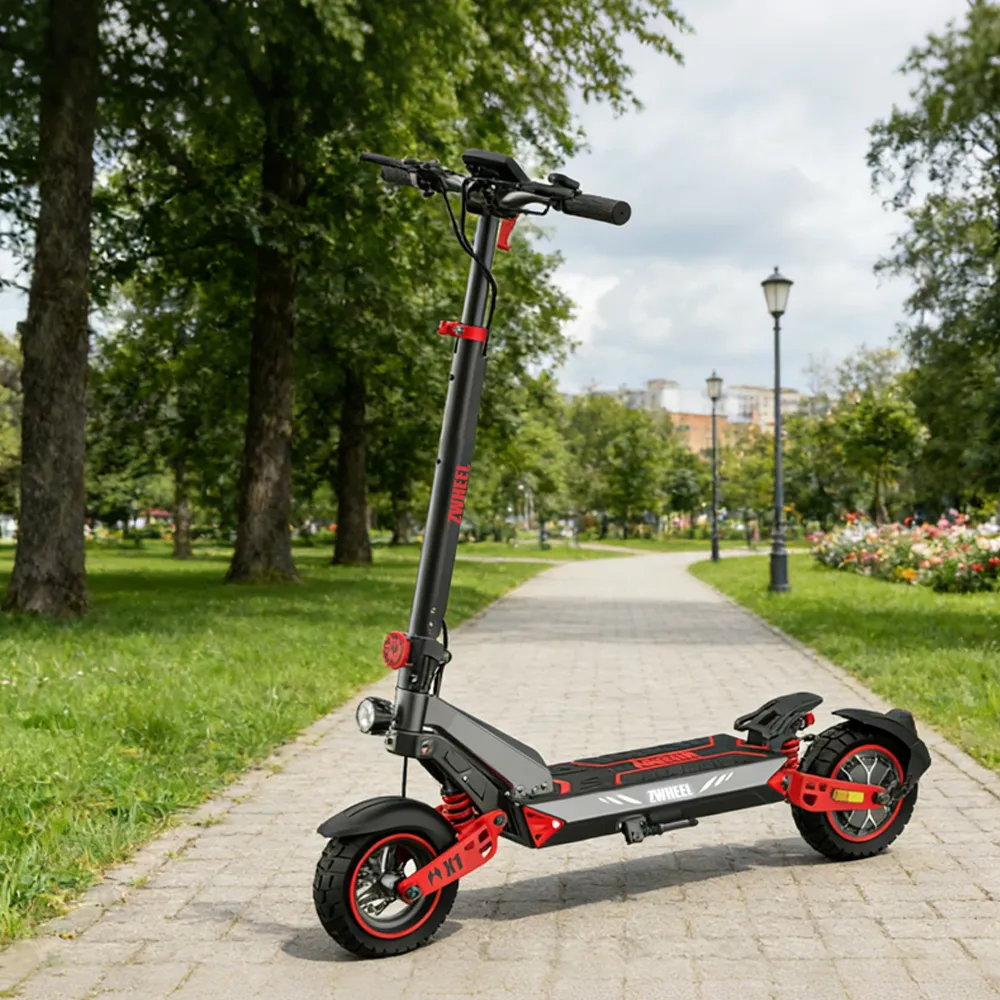
The Zwheel ZSB1 is a 1200W option that balances power and agility for mixed terrain.
Key Factors to Decide: 800W vs 1200W
So, which is enough for you? Consider these factors:
1. Terrain
If your daily route is mostly flat, an 800W scooter will serve you well. But if you encounter steep hills or want to explore off-road paths, 1200W provides the necessary torque to avoid straining the motor.
2. Rider Weight
Heavier riders need more power to achieve the same performance. As a rule of thumb, if you weigh over 180 lbs (82 kg), a 1200W motor will handle hills and acceleration more comfortably.
3. Speed and Acceleration Needs
For zipping around town at 20-25 mph, 800W is plenty. If you want to keep up with traffic at 30+ mph or enjoy rapid acceleration, go for 1200W.
4. Range vs Power Trade-off
Higher wattage can reduce range if battery capacity is the same. If range is your top priority, an 800W scooter with a large battery might be better. Conversely, if you need power, you can often find 1200W scooters with larger batteries to maintain range.
5. Portability and Weight
800W scooters tend to be lighter (40-50 lbs) because they require smaller batteries and less robust components. 1200W models often weigh 50-70 lbs, making them less portable for stairs or public transport.
6. Legal Considerations
Check local regulations: some areas limit scooter power to 750W or speed to 20 mph. In such cases, an 800W scooter might already exceed limits, and a 1200W would be illegal for street use. Always verify before buying.
Real-World Performance Comparison
Let's look at two popular Zwheel models to illustrate the difference:
- Zwheel ZSA Plus (800W): Top speed ~25 mph, range ~25 miles, weight ~45 lbs. Ideal for flat city commuting.
- Zwheel D3S-S (1000W): A middle ground with 1000W, offering better hill handling than 800W while remaining efficient.
If you're considering 1200W, the Zwheel D3D-S offers 1200W of power for mixed terrain, with a top speed of 31 mph and a range of up to 28 miles.
For those who need even more capability, the Zwheel ZSB2 packs a 1500W motor for all-terrain adventures.
Making the Right Choice
To sum up: if you're a city rider on mostly flat ground, an 800W scooter is likely enough and offers better efficiency and portability. If you face hills, weigh more, or crave extra performance, a 1200W scooter provides the power and confidence you need. Consider your daily route, weight, and local laws before deciding.
Frequently Asked Questions
Is 800W enough for a 200 lb rider?
An 800W motor can carry a 200 lb rider on flat ground, but it may struggle on steep hills and acceleration will be slower. For heavier riders, 1200W is generally recommended for better performance and motor longevity.
Can a 1200W electric scooter go uphill?
Yes, a 1200W scooter can climb steep hills (15-20% grade) with ease, often maintaining speeds of 15-20 mph depending on rider weight and battery level.
What is the top speed of a 1200W electric scooter?
Most 1200W scooters have a top speed between 28-35 mph (45-56 km/h), though this varies by model, rider weight, and battery charge.
Does higher wattage mean less range?
Not necessarily—it depends on battery capacity and riding style. A 1200W scooter with a larger battery can have the same or greater range than an 800W scooter with a smaller battery. However, if all else is equal, higher wattage tends to reduce range due to increased power draw.
Which is better for commuting: 800W or 1200W?
For flat, short commutes, 800W is sufficient and more efficient. For hilly routes or longer distances where speed matters, 1200W offers better performance and versatility.
作者
Zwheel Team
Zwheel 编辑团队成员,专注于电动出行趋势、产品指南和骑行技巧。