How Electric Scooter Suspension Works: Spring vs Hydraulic
Confused about spring vs hydraulic suspension on electric scooters? We break down how each system works, their pros and cons, and help you choose the right setup for your ride.

Indice
- How Electric Scooter Suspension Works: Spring vs Hydraulic
- What Does Suspension Do on an Electric Scooter?
- Spring Suspension: How It Works
- The Mechanics
- Pros of Spring Suspension
- Cons of Spring Suspension
- Hydraulic Suspension: How It Works
- The Mechanics
- Pros of Hydraulic Suspension
- Cons of Hydraulic Suspension
- Spring vs Hydraulic: Key Differences
- Which One Is Right for You?
- Practical Tips for Maintaining Your Suspension
- Conclusion
- Frequently Asked Questions
- Can I upgrade my scooter's spring suspension to hydraulic?
- Is hydraulic suspension worth the extra cost?
- How often should I service hydraulic suspension?
- What does 'bottoming out' mean, and is it bad?
- Can I adjust the stiffness of spring suspension?
How Electric Scooter Suspension Works: Spring vs Hydraulic
If you've ever ridden an electric scooter over a pothole, you know the difference suspension makes. But not all suspension systems are created equal. The two most common types you'll encounter are spring suspension and hydraulic suspension. Understanding how each works—and their trade-offs—can help you choose a scooter that matches your riding style and terrain. In this guide, we'll break down the mechanics, compare performance, and give you practical tips to make an informed decision.
What Does Suspension Do on an Electric Scooter?
Suspension serves three main purposes:
- Absorbs shocks from bumps, cracks, and uneven terrain, improving comfort and control.
- Keeps tires in contact with the ground for better traction and braking.
- Protects the scooter's frame and components from impact damage.
Without suspension, every bump is transferred directly to the rider and the scooter's chassis, leading to fatigue and potential damage. Both spring and hydraulic systems aim to mitigate this, but they do so in different ways.
Spring Suspension: How It Works
Spring suspension is the most basic and common form found on electric scooters, especially in entry-level and mid-range models. It relies on coiled steel springs (or sometimes elastomer blocks) to absorb impacts.
The Mechanics
When the wheel hits a bump, the spring compresses, storing the energy. As the wheel moves up, the spring then releases the energy, pushing the wheel back down to the ground. This cycle repeats rapidly, dampening the shock. However, without a damping mechanism, the spring will continue to oscillate (bounce) until the energy dissipates naturally.
Pros of Spring Suspension
- Simple and lightweight: Fewer components mean less weight and lower cost.
- Low maintenance: No fluid to leak or replace; occasional cleaning is usually enough.
- Cost-effective: Typically found on more affordable scooters.
- Good for mild terrain: Handles small bumps and cracks well.
Cons of Spring Suspension
- Lack of damping: Springs can bounce excessively, reducing control on rough surfaces.
- Limited adjustability: Usually only preload can be adjusted, if at all.
- Fades on big impacts: Large hits can cause the spring to bottom out, transferring shock to the frame.
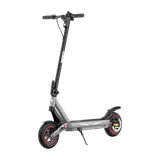
Spring suspension is ideal for urban commuters who stick to paved roads and want a lightweight, budget-friendly scooter. For example, the Zwheel ZSA Plus features a spring suspension system that smooths out city streets without adding unnecessary complexity.
Hydraulic Suspension: How It Works
Hydraulic suspension (often called oil-damped or hydraulic damped) adds a damping mechanism to the spring. It uses a piston moving through oil to control the speed of compression and rebound.
The Mechanics
In a hydraulic system, the spring (or air spring) still supports the weight, but the damping is handled by oil forced through small valves. When the wheel hits a bump, the spring compresses, and the oil resists the movement, slowing it down. On rebound, the oil again controls the speed, preventing bouncing. This results in a smoother, more controlled ride.
Pros of Hydraulic Suspension
- Superior damping: Oil damping keeps the tire planted and reduces bouncing, improving stability and safety.
- Adjustability: Many hydraulic systems offer adjustable compression and rebound damping, allowing fine-tuning for rider weight and terrain.
- Better handling on rough terrain: Ideal for off-road and high-speed riding where control is critical.
- Consistent performance: Oil damping doesn't fade as quickly as undamped springs under repeated impacts.
Cons of Hydraulic Suspension
- More complex and heavier: Additional components add weight and cost.
- Maintenance: Oil can leak, and seals wear out; periodic servicing is required.
- Higher price: Typically found on premium models.
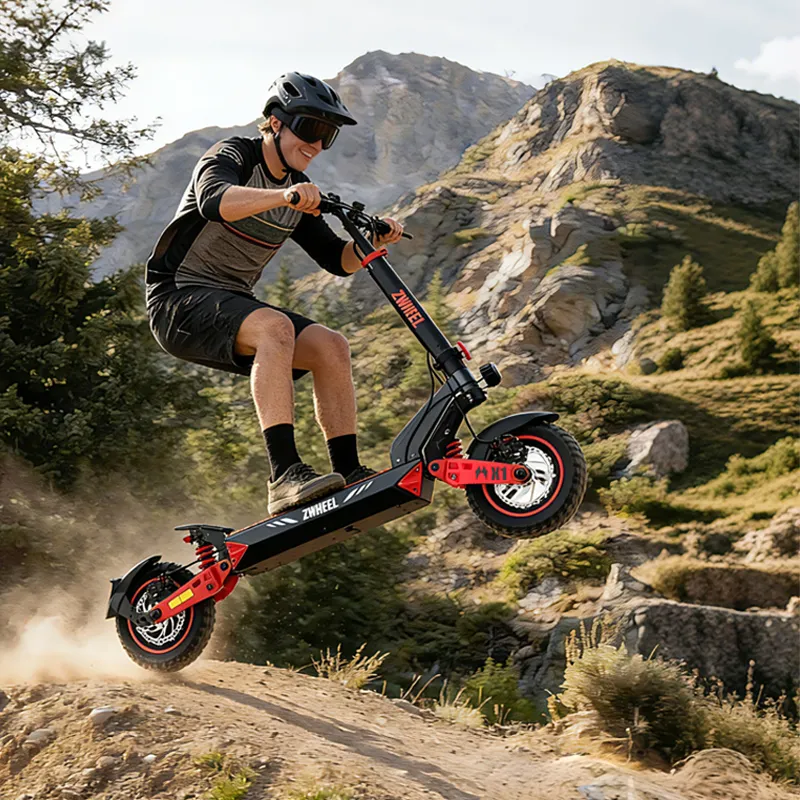
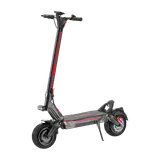
Hydraulic suspension shines for riders who tackle varied terrain or demand precise control. The Zwheel ZSB2 is a great example of a scooter with hydraulic suspension that balances off-road capability with everyday usability.
Spring vs Hydraulic: Key Differences
To make the choice easier, here's a quick comparison:
| Feature | Spring Suspension | Hydraulic Suspension |
|---|---|---|
| Damping | None (undamped) | Oil-damped |
| Adjustability | Limited (preload only) | Often adjustable compression/rebound |
| Weight | Lighter | Heavier |
| Maintenance | Low | Moderate (oil/seal service) |
| Cost | Lower | Higher |
| Best for | Urban commuting, smooth roads | Off-road, performance, rough terrain |
Which One Is Right for You?
Your choice depends on how and where you ride:
- City commuter on smooth roads: Spring suspension is usually sufficient and saves money and weight. Consider the Zwheel D3S-S, which offers a comfortable ride without the complexity of hydraulic damping.
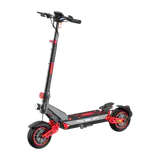
- Mixed terrain or occasional trails: Hydraulic suspension provides better control and comfort. The Zwheel ZSB1 is a solid choice with its hydraulic damping.
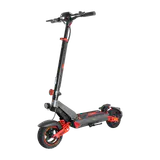
- Serious off-road or high-speed riding: Invest in a scooter with high-quality hydraulic suspension, like the Zwheel ZSD2, which can handle aggressive riding.
Practical Tips for Maintaining Your Suspension
Regardless of the type, proper maintenance extends the life of your suspension and keeps you safe:
- Clean regularly: Dirt and grit can damage seals and stanchions. Wipe down after rides in wet or dusty conditions.
- Check for leaks: For hydraulic systems, inspect for oil residue on the stanchions or under the scooter.
- Adjust preload: Set the sag correctly for your weight—typically 20-30% of total travel when you're standing on the scooter.
- Listen for unusual noises: Squeaks or clunks may indicate worn bushings or springs.
- Service annually: For hydraulic suspension, have a professional service the oil and seals every 12 months or as recommended.
Conclusion
Understanding how electric scooter suspension works—spring vs hydraulic—empowers you to choose a scooter that matches your needs. Spring suspension offers simplicity and affordability for urban riders, while hydraulic suspension delivers superior control and comfort for those who venture off the beaten path. Whichever you choose, remember that proper maintenance is key to enjoying a smooth, safe ride for years to come.
Frequently Asked Questions
Can I upgrade my scooter's spring suspension to hydraulic?
In most cases, no. Suspension systems are designed as integrated parts of the scooter's frame and geometry. Retrofitting hydraulic suspension is complex, expensive, and often unsafe. It's better to choose a scooter with the desired suspension from the start.
Is hydraulic suspension worth the extra cost?
If you ride on rough roads, trails, or at higher speeds, the improved control and comfort are well worth it. For smooth city commuting, spring suspension is usually adequate and more budget-friendly.
How often should I service hydraulic suspension?
Most manufacturers recommend servicing hydraulic suspension every 12 months or every 1,000-2,000 miles, depending on usage. Check your scooter's manual for specific intervals.
What does 'bottoming out' mean, and is it bad?
Bottoming out occurs when the suspension compresses fully and hits the end of its travel. Occasional bottoming out on big hits is normal, but frequent bottoming out indicates the suspension is too soft for your weight or terrain and should be adjusted or upgraded.
Can I adjust the stiffness of spring suspension?
Some spring suspensions allow preload adjustment to change ride height and stiffness, but most entry-level systems are not adjustable. Hydraulic systems often offer more tuning options.
Scritto da
Zwheel Team
Parte del team editoriale Zwheel, con focus su mobilita elettrica, guide prodotti e consigli.