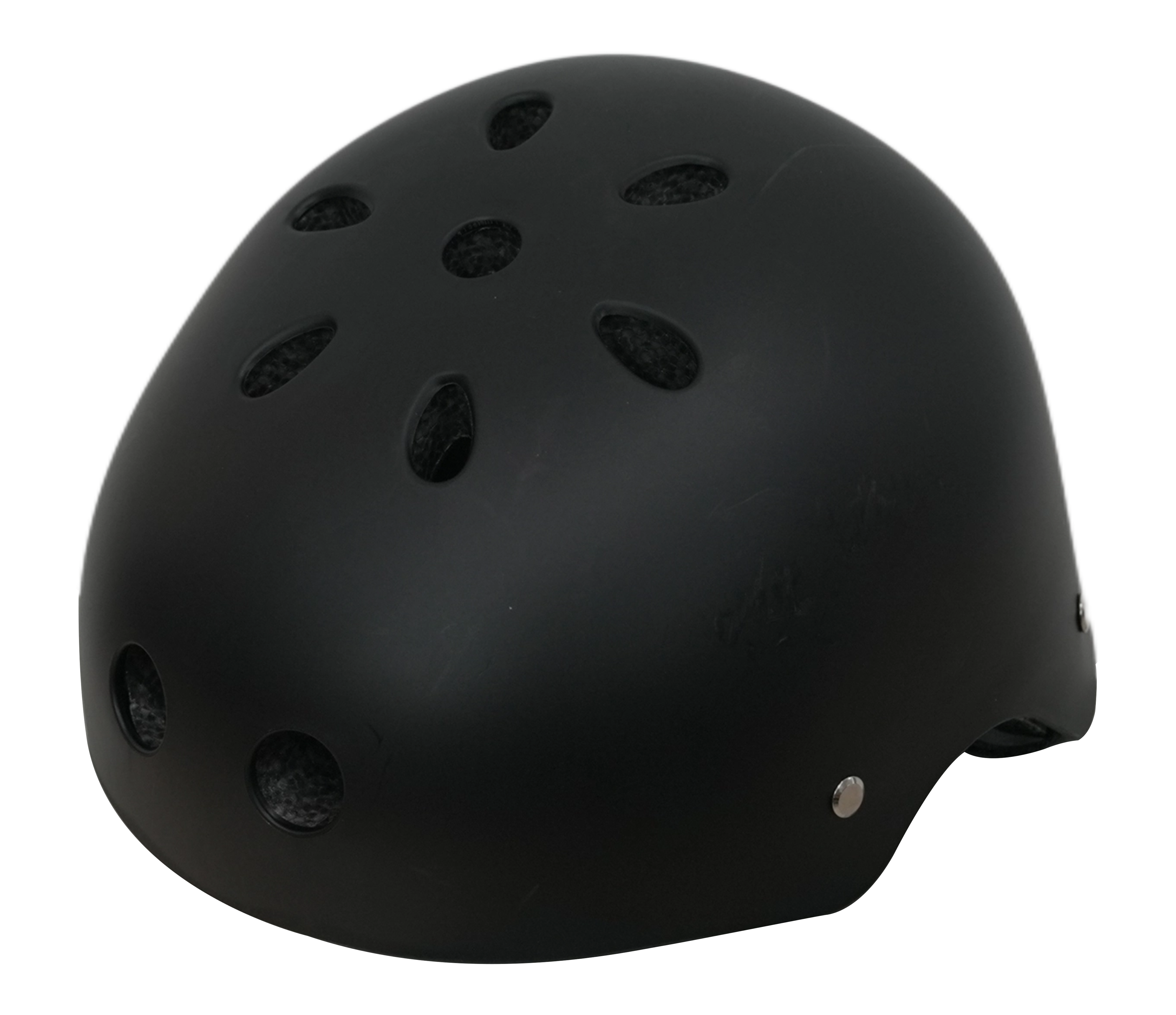
Replacing Car with Electric Scooter: Cost Savings Analysis 2026
Thinking of ditching your car for an electric scooter? Our 2026 cost savings analysis reveals how much you can save on fuel, maintenance, insurance, and parking. Plus, get practical tips for making the switch.
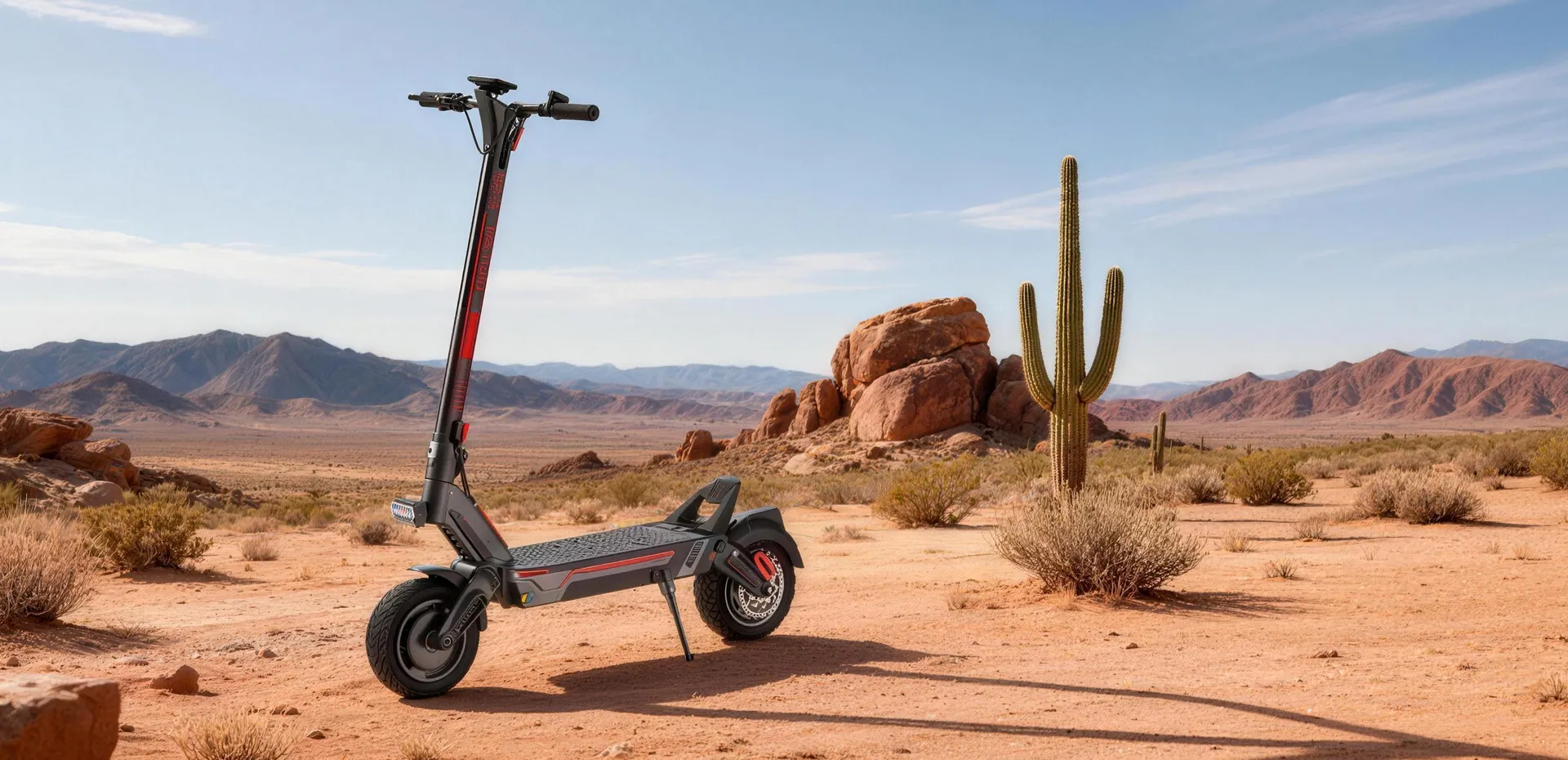
Содержание
- Introduction: Is Ditching Your Car for an Electric Scooter Worth It in 2026?
- The True Cost of Car Ownership in 2026
- How Much Does an Electric Scooter Cost to Own in 2026?
- Detailed Cost Savings Breakdown: Car vs. Electric Scooter
- Fuel vs. Electricity: The Biggest Win
- Insurance: From $1,500 to $150
- Maintenance: Simpler, Cheaper, Fewer Visits
- Parking: Free vs. $1,000+
- But Wait—What About the Downsides?
- Real-World Example: A Commuter's Savings in 2026
- How to Maximize Your Savings When Switching
- Conclusion: The Numbers Speak for Themselves
- Frequently Asked Questions
- How long does it take to break even when replacing a car with an electric scooter?
- Can I use an electric scooter for my daily commute in rain or snow?
- What is the average range of a modern electric scooter in 2026?
- Do I need a driver's license or insurance to ride an electric scooter?
- How much does it cost to charge an electric scooter per month?
Introduction: Is Ditching Your Car for an Electric Scooter Worth It in 2026?
With gas prices hovering around $3.50 per gallon in the U.S. (and even higher in Europe and Asia), and the average American spending over $12,000 per year on car ownership, the idea of swapping four wheels for two is more tempting than ever. But replacing car with electric scooter cost savings analysis isn't just about fuel—it's about rethinking your entire transportation budget. In 2026, electric scooters have matured into reliable, powerful machines that can handle daily commutes of 10–20 miles, often at a fraction of the cost. In this article, we'll break down the numbers: initial investment, ongoing expenses, and hidden savings. By the end, you'll know exactly how much you could pocket each year by making the switch.
The True Cost of Car Ownership in 2026
Before we dive into scooter savings, let's look at what you're currently spending on your car. According to AAA, the average cost of owning and operating a new car in 2025 was $12,297 per year, driven by depreciation, fuel, maintenance, insurance, and financing. Here's a realistic breakdown for a typical mid-size sedan driven 12,000 miles per year:
- Fuel: $2,100 (assuming 30 mpg, $3.50/gallon)
- Insurance: $1,500
- Maintenance & repairs: $1,200 (tires, oil changes, brakes, etc.)
- Parking & tolls: $1,000 (varies by city)
- Depreciation: $3,500
- Financing interest: $1,000 (on a $30,000 loan at 6%)
- Registration & taxes: $500
Total: $10,800 (excluding depreciation). Even if you own your car outright, you're still looking at $6,000–$7,000 in out-of-pocket costs annually. And that's before factoring in unexpected repairs—a new transmission or engine can set you back thousands.
How Much Does an Electric Scooter Cost to Own in 2026?
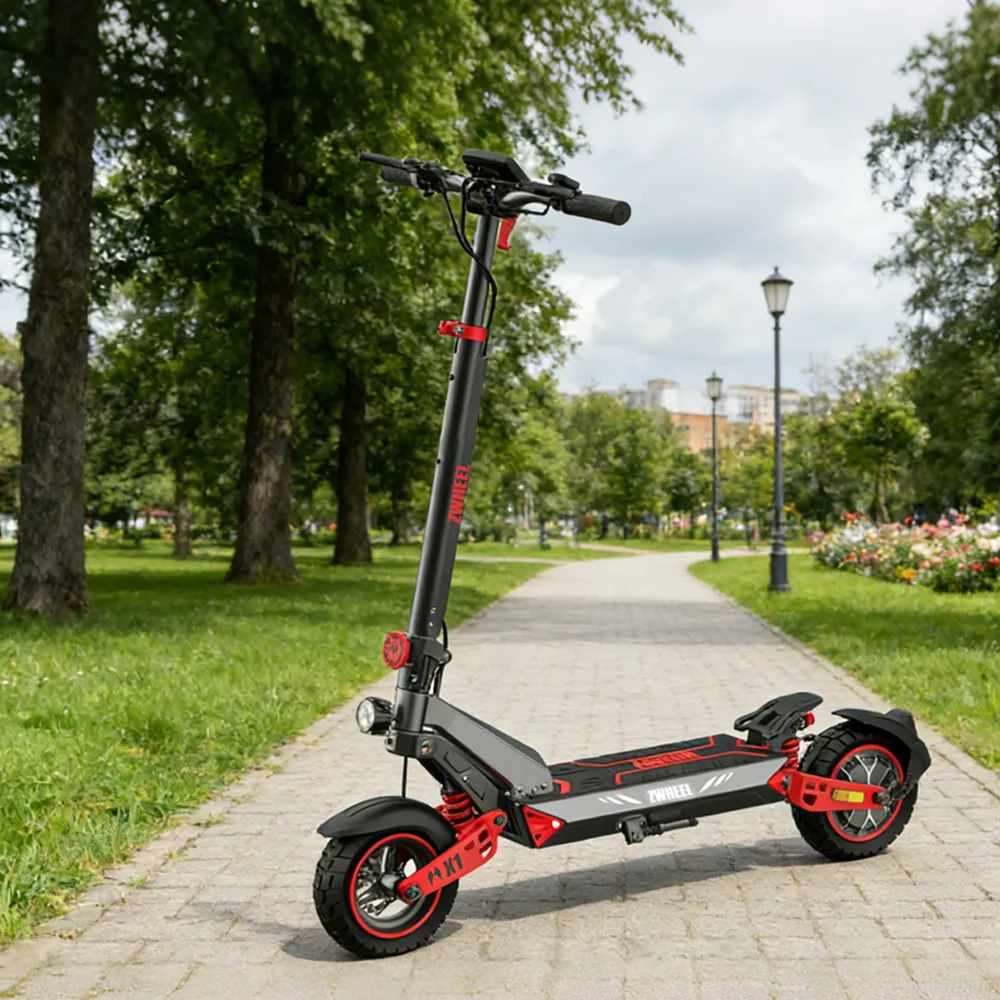
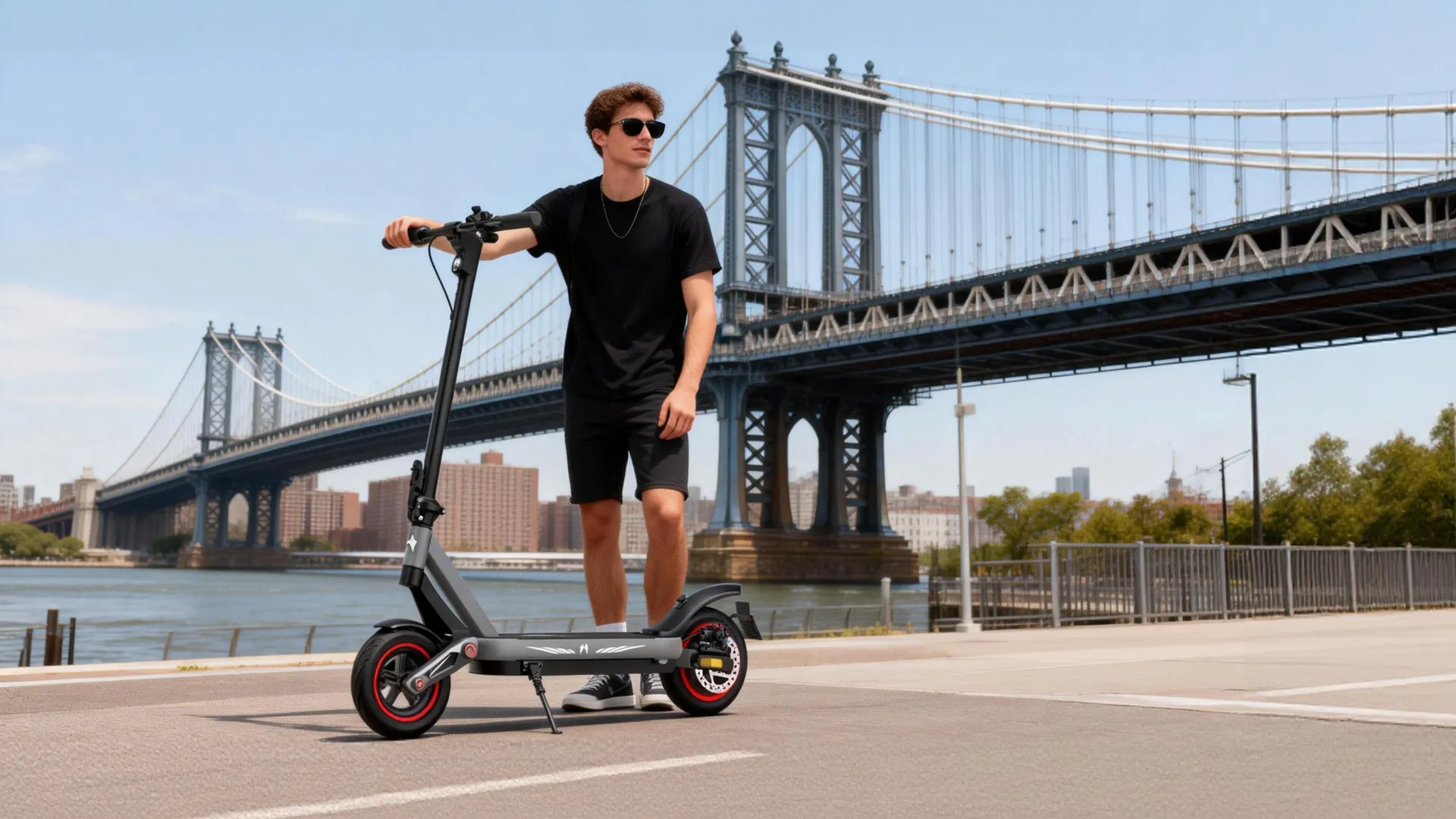
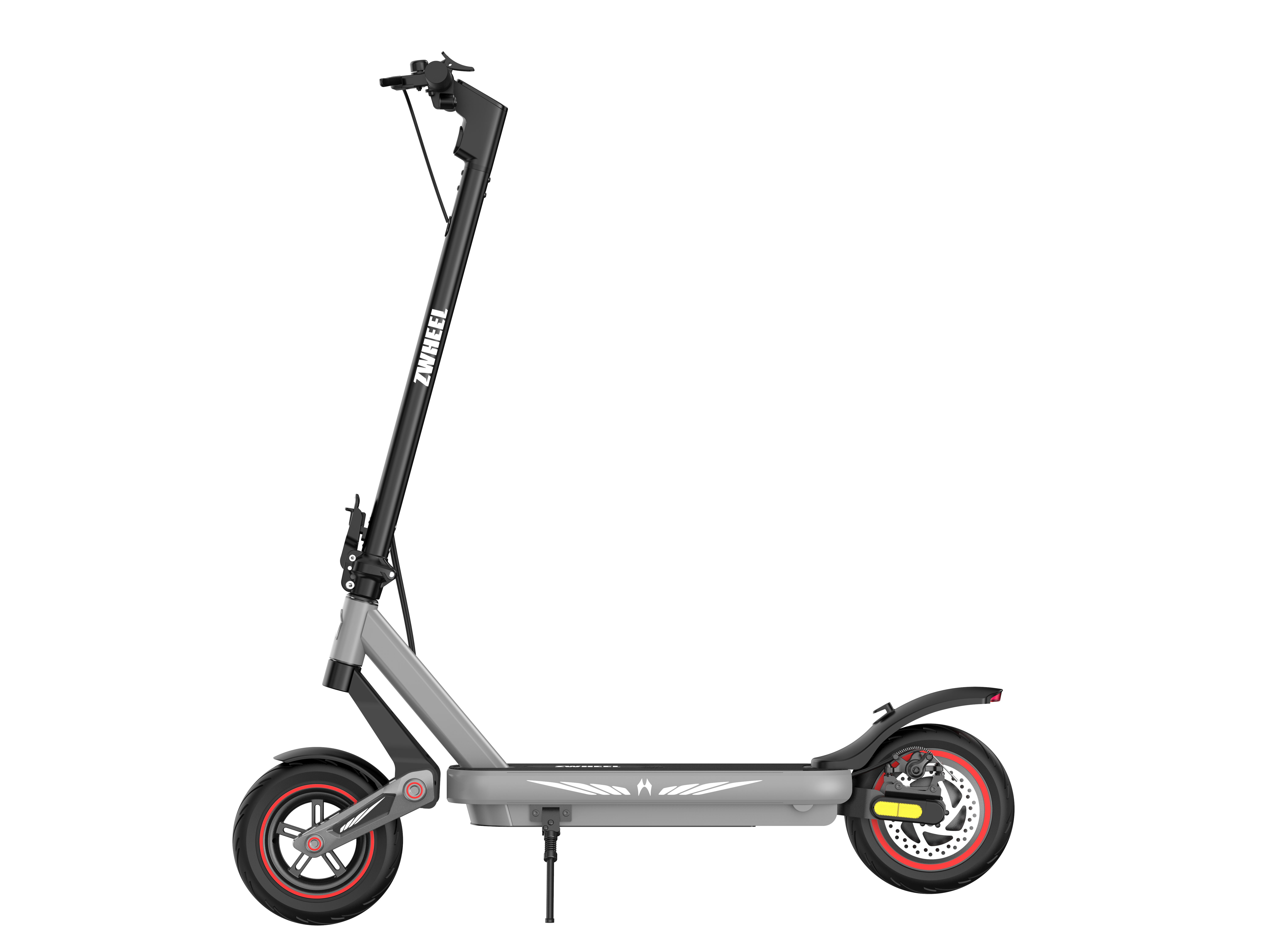
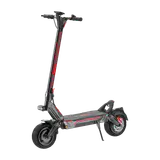
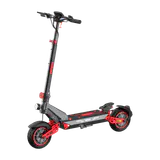
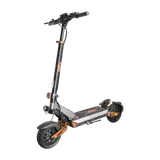
Now let's compare a premium electric scooter like the Zwheel ZSA Plus (800W, $499) or the Zwheel D3S-S (1000W, $600). These are designed for daily commuting with ranges of 25–40 miles per charge. Here's the annual cost breakdown:
- Electricity: $30–$50 per year (at $0.13/kWh, charging 3–4 times per week)
- Insurance: $100–$200 per year (specialized scooter insurance or renter's rider)
- Maintenance & repairs: $100–$200 per year (tire replacements, brake pads, occasional belt/chain)
- Parking: $0 (park for free at bike racks or indoors)
- Depreciation: $100–$200 per year (scooters hold value well, especially premium brands)
- Registration: $0–$50 (varies by state, often no fee for low-speed scooters)
Total annual cost: $300–$500. That's a whopping 95% reduction compared to a car. Even if you buy a high-end scooter like the Zwheel ZSE2 (6000W, $1400) for longer distances, your annual costs stay under $600.
Detailed Cost Savings Breakdown: Car vs. Electric Scooter
Fuel vs. Electricity: The Biggest Win
Driving 12,000 miles per year in a car costs $2,100 in gas. An electric scooter covering the same distance (assuming 3 miles per kWh) uses about 4,000 kWh, costing just $520 at average U.S. rates. But most scooter owners don't drive 12,000 miles—they typically cover 3,000–5,000 miles per year for commuting and errands. At 5,000 miles, your scooter electricity cost is only $65. That's a savings of over $2,000 annually.
Insurance: From $1,500 to $150
Car insurance is a major expense, especially for young drivers or those in urban areas. Electric scooter insurance is much cheaper—often $100–$200 per year for liability and theft coverage. Some renters or homeowners policies already cover scooter theft, so you might save even more.
Maintenance: Simpler, Cheaper, Fewer Visits
Cars need oil changes ($50–$100 every 5,000 miles), tire rotations, brake pads, transmission fluid, and more. An electric scooter has far fewer moving parts: no engine oil, no transmission, no exhaust system. You'll replace tires ($30–$60 each) every 2,000–3,000 miles, and brake pads every 1,000–2,000 miles. Annual maintenance totals around $150. No more $500 brake jobs or $1,000 transmission repairs.
Parking: Free vs. $1,000+
If you live in a city, parking is a nightmare—and expensive. Monthly parking in downtown areas can run $200–$500. With a scooter, you park for free at bike racks, on sidewalks (in most cities), or even inside your office. That's an instant $1,000+ savings per year.
But Wait—What About the Downsides?
No analysis is complete without acknowledging trade-offs. Electric scooters aren't for everyone. Here's what you need to consider:
- Range limitations: Most scooters offer 20–40 miles per charge. If your commute is longer, you'll need to charge at work or upgrade to a high-range model like the Zwheel ZSB2 (1500W, $650) with a 45-mile range.
- Weather: Rain, snow, and extreme cold can make riding uncomfortable or dangerous. You'll need a backup plan for bad weather (public transit, ride-share, or a car share).
- Cargo capacity: Scooters have limited storage. A backpack or small top case works for groceries, but you can't haul furniture or multiple passengers.
- Safety: Riding a scooter requires caution, a good helmet, and awareness of traffic. Your risk of injury is higher than in a car.
For most urban commuters, these downsides are manageable—especially when you save $5,000–$8,000 per year.
Real-World Example: A Commuter's Savings in 2026
Meet Sarah, a graphic designer in Austin, Texas. She drives a 2018 Honda Civic 10 miles each way to work (20 miles round trip). Her monthly car costs: $150 gas, $125 insurance, $100 parking, $50 maintenance (averaged). That's $425 per month, or $5,100 per year. She buys a Zwheel D3S-S for $600 and uses it for her commute and errands within 5 miles. Her scooter costs: $5 electricity, $15 insurance, $10 maintenance = $30 per month, or $360 per year. She saves $4,740 per year—and that's not counting the $3,500 she avoids in car depreciation. Over three years, that's over $14,000 in savings. She also sells her car for $10,000, netting a total of $24,000.
How to Maximize Your Savings When Switching
- Choose the right scooter for your commute: For short city trips, an 800W model like the Zwheel ZSA Plus ($499) is perfect. For longer rides or hills, go with a 1000W+ model.
- Charge at work for free: Many offices offer free charging for electric vehicles—including scooters. That cuts your electricity cost to $0.
- Bundle insurance: Add scooter coverage to your renters or homeowners policy for the lowest rates.
- Maintain your scooter yourself: Learn to replace tires and brake pads—YouTube tutorials make it easy, and you'll save $50–$100 per year.
- Use a car-share for occasional needs: For trips to the hardware store or out-of-town visits, use a car-share service like Zipcar or Turo. You'll still come out way ahead.
Conclusion: The Numbers Speak for Themselves
Replacing your car with an electric scooter isn't just a trend—it's a financial decision that can save you thousands every year. Our replacing car with electric scooter cost savings analysis shows that the average commuter can reduce their annual transportation costs from $10,000+ to under $500. In 2026, with rising fuel prices and affordable, high-quality scooters like those from Zwheel, the payback period is often less than 3 months. If you have a commute under 20 miles and live in a moderate climate, the switch is a no-brainer. Start small: try using a scooter for one trip per day, then gradually phase out your car. Your wallet—and the planet—will thank you.
Frequently Asked Questions
How long does it take to break even when replacing a car with an electric scooter?
If you buy a $500 scooter and save $400 per month on car costs, you break even in just over a month. Even with a premium $1,400 scooter, you'll recoup the cost in 3–4 months.
Can I use an electric scooter for my daily commute in rain or snow?
Most scooters are water-resistant (IP54 or higher), but riding in heavy rain or snow is risky due to reduced traction. It's best to have a backup plan for bad weather, like public transit or a ride-share.
What is the average range of a modern electric scooter in 2026?
Mid-range scooters offer 25–40 miles per charge. High-performance models like the Zwheel ZSB2 can reach 45 miles. Always check real-world range (typically 70–80% of advertised) for your weight and terrain.
Do I need a driver's license or insurance to ride an electric scooter?
Requirements vary by state and city. Most areas treat low-speed scooters (under 20 mph) like bicycles, with no license or insurance needed. However, for faster models (over 20 mph), you may need a driver's license and insurance. Always check local laws.
How much does it cost to charge an electric scooter per month?
Charging a scooter 3–4 times per week costs $5–$10 per month in electricity, depending on local rates. That's less than a single gallon of gas.
Автор
Zwheel Team
Член редакционной команды Zwheel.