Replacing Your Car With an Electric Scooter: Cost Savings Analysis
Thinking of ditching your car for an electric scooter? Our cost savings analysis reveals how much you could save on fuel, insurance, maintenance, and parking—plus what to consider before making the switch.
目录
- Replacing Car With Electric Scooter Cost Savings Analysis: Is It Worth It?
- Why Consider an Electric Scooter?
- Lower Upfront Cost
- Cheaper Fuel and Maintenance
- Cost Savings Analysis: Car vs. Electric Scooter
- Purchase Price
- Fuel/Charging Costs
- Insurance
- Maintenance and Repairs
- Parking and Tolls
- Depreciation
- Total Annual Savings
- Factors That Affect Your Savings
- Commute Distance and Frequency
- Weather and Infrastructure
- Scooter Choice
- Insurance and Registration
- Hidden Costs of Owning an Electric Scooter
- Is Replacing Your Car With an Electric Scooter Right for You?
- Frequently Asked Questions
- How much can I save by replacing my car with an electric scooter?
- Are electric scooters cheaper to insure than cars?
- What is the range of an electric scooter?
- Can I use an electric scooter in the rain?
- Do I need a license to ride an electric scooter?
- Conclusion
Replacing Car With Electric Scooter Cost Savings Analysis: Is It Worth It?
With rising fuel prices, expensive insurance, and the burden of maintenance, many people are questioning whether they really need a car. In 2026, electric scooters have become a viable alternative for short commutes, errands, and city living. But can replacing your car with an electric scooter actually save you money? This cost savings analysis breaks down the numbers so you can decide if switching makes financial sense.
We'll compare the total cost of ownership for a typical car versus an electric scooter, including purchase price, fuel/charging, insurance, maintenance, parking, and more. You'll see real-world figures and learn which factors matter most. By the end, you'll have a clear picture of how much you could save—and what to watch out for.
Why Consider an Electric Scooter?
Electric scooters offer a compelling alternative to cars for urban mobility. They're efficient, easy to park, and produce zero emissions. But the biggest draw for many is cost. Let's look at the financial case.
Lower Upfront Cost
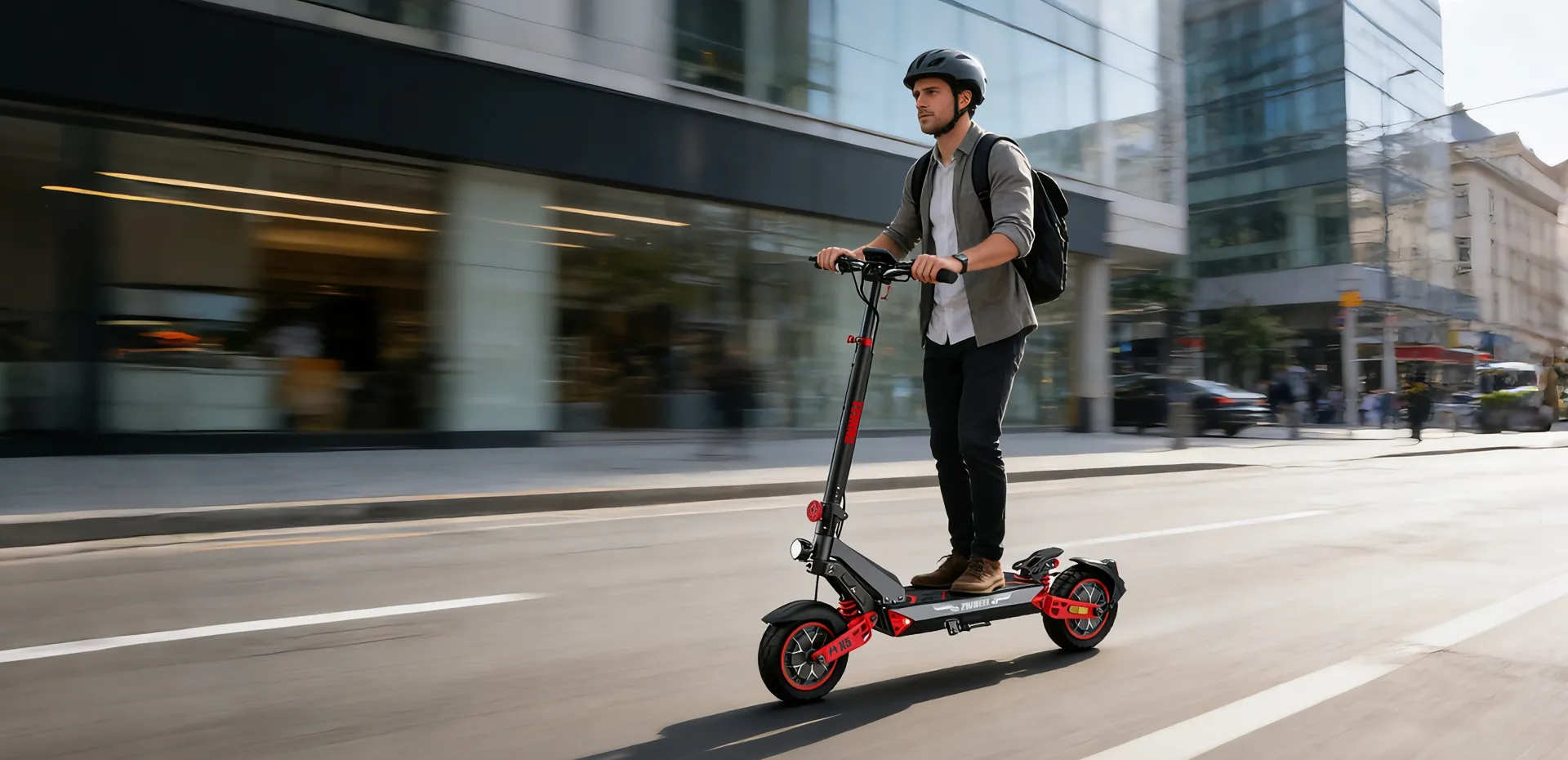
A new car averages over $35,000 in 2026, while a high-quality electric scooter can be purchased for under $1,500. Even premium models like the Zwheel ZSE2 (6000W, $1400) cost a fraction of a car. Of course, scooters have limited range and weather protection, but for many commuters, they're sufficient.
Cheaper Fuel and Maintenance
Charging an electric scooter costs pennies per mile compared to gasoline. And with fewer moving parts, maintenance is minimal—no oil changes, no transmission repairs. We'll quantify these savings below.
Cost Savings Analysis: Car vs. Electric Scooter
To make a fair comparison, we'll assume a typical commuter driving 10,000 miles per year (about 27 miles per day) and an electric scooter rider covering the same distance. We'll use average U.S. costs as of 2026.
Purchase Price
Car: Average new car price: $35,000 (or $20,000 for a used car). We'll use $25,000 as a mid-range estimate.
Electric Scooter: A commuter scooter like the Zwheel ZSA Plus costs $499, while a high-performance off-road model like the Zwheel ZSB2 is $650. We'll use $800 for a quality scooter with good range.
Savings: $24,200 upfront (or more if you finance).
Fuel/Charging Costs
Car: At $3.50 per gallon and 30 MPG, 10,000 miles cost about $1,167 per year.
Electric Scooter: A scooter consumes about 1 kWh per 30 miles. At $0.15 per kWh, 10,000 miles cost roughly $50 per year.
Annual Savings: $1,117.
Insurance
Car: Full coverage averages $1,500 per year.
Electric Scooter: Many scooters don't require insurance, but you might want liability coverage ($100–$200/year). We'll use $150.
Annual Savings: $1,350.
Maintenance and Repairs
Car: Routine maintenance (oil changes, tires, brakes) averages $500 per year, plus unexpected repairs.
Electric Scooter: Minimal maintenance—tires and brake pads every few years. Budget $100 per year.
Annual Savings: $400.
Parking and Tolls
Car: City parking can cost $200–$500 per month. We'll use $150/month ($1,800/year) for a modest estimate. Tolls add more.
Electric Scooter: Often free or minimal parking. Some cities charge a small fee for scooter parking, but we'll assume $0.
Annual Savings: $1,800.
Depreciation
Car: New cars depreciate about 15% per year initially. On a $25,000 car, that's $3,750 in the first year.
Electric Scooter: Depreciation is lower in absolute terms. A $800 scooter might lose 50% over three years, or about $133 per year.
Annual Savings: $3,617 (first year).
Total Annual Savings
Adding up fuel, insurance, maintenance, parking, and depreciation, the annual savings of replacing a car with an electric scooter come to approximately $8,284 in the first year. Over five years, that's over $40,000—enough to pay for a new car outright. Even if you keep your car for longer trips, using a scooter for most errands can yield significant savings.
Factors That Affect Your Savings
Your actual savings will vary based on your location, driving habits, and the scooter you choose. Here are key considerations.
Commute Distance and Frequency
Electric scooters are ideal for short commutes under 15 miles round trip. If you drive much more, you may need a car for longer trips. However, combining a scooter with public transit or car-sharing can still save money.
Weather and Infrastructure
In areas with harsh winters or limited bike lanes, a scooter may not be practical year-round. You might need a backup plan, which could reduce savings.
Scooter Choice
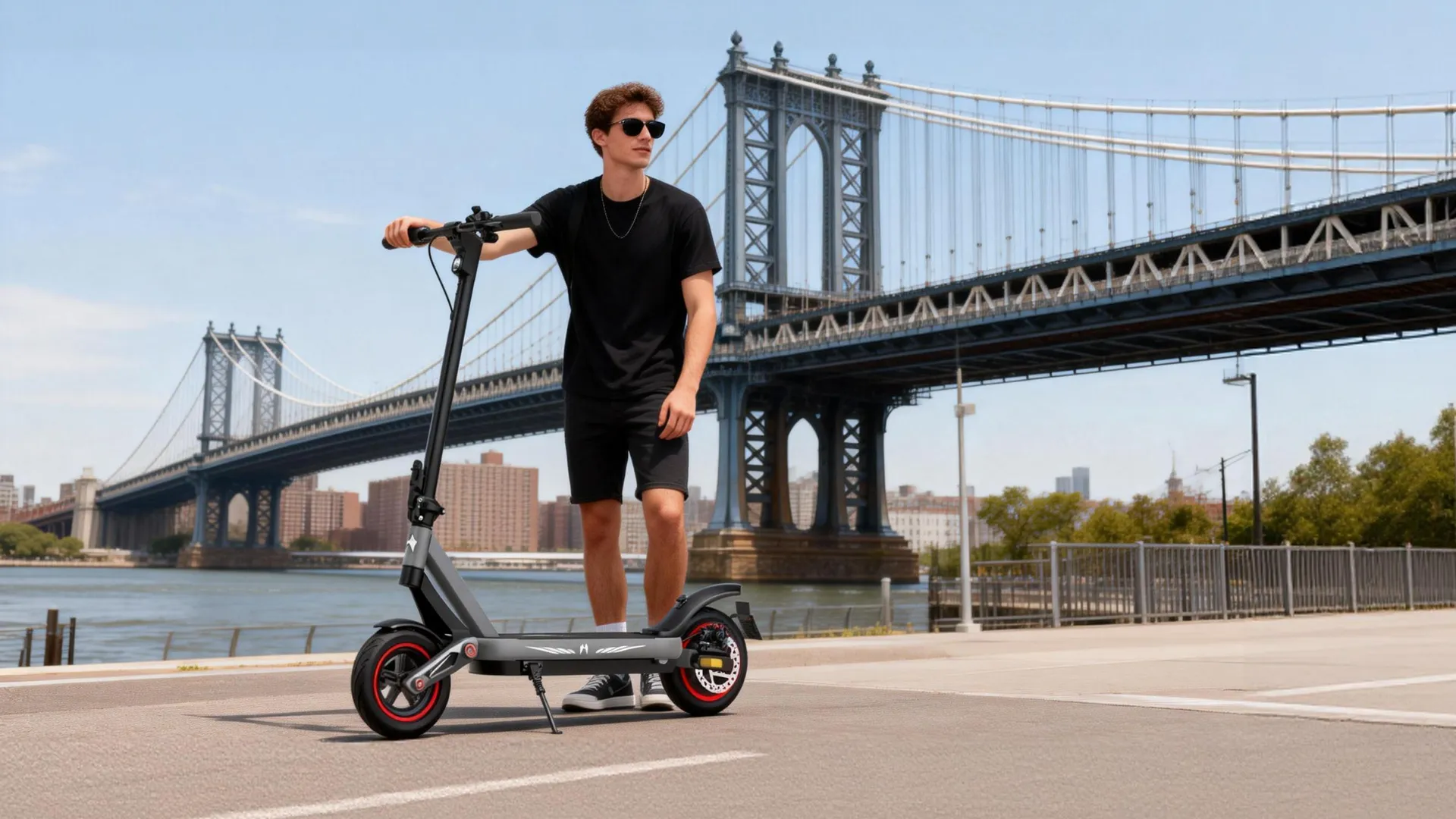
Entry-level commuter scooters like the Zwheel D3S-S ($600) are affordable and efficient. High-performance models like the Zwheel ZSD2 ($900) cost more but offer better range and speed. Choose based on your needs—don't overspend on capabilities you won't use.
Insurance and Registration
Some states require scooter registration or insurance, which adds cost. Check local regulations before you buy.
Hidden Costs of Owning an Electric Scooter
While scooters are cheaper overall, don't overlook these expenses:
- Safety gear: Helmet, gloves, and reflective clothing ($100–$300).
- Accessories: Locks, storage bags, phone mounts ($50–$200).
- Charging infrastructure: If you live in an apartment without a garage, you may need to pay for charging stations.
- Battery replacement: After 2–3 years, a new battery may cost $200–$500.
Even with these, the total cost remains far below car ownership.
Is Replacing Your Car With an Electric Scooter Right for You?
If you live in a city, have a short commute, and don't need to haul large items or passengers regularly, an electric scooter can be a smart financial move. You'll save thousands per year and reduce your carbon footprint. However, if you frequently travel long distances, have a family, or face extreme weather, you may need to keep a car or use alternatives like car-sharing.
For many, a hybrid approach works best: use an electric scooter for daily errands and short trips, and rent a car when needed. This can cut car usage by 70% or more, delivering most of the savings without sacrificing flexibility.
Frequently Asked Questions
How much can I save by replacing my car with an electric scooter?
Based on our analysis, you could save over $8,000 in the first year by replacing a car with an electric scooter, considering fuel, insurance, maintenance, parking, and depreciation. Over five years, savings can exceed $40,000.
Are electric scooters cheaper to insure than cars?
Yes, electric scooter insurance is typically much cheaper—often under $200 per year, and sometimes not required at all. Car insurance averages $1,500 annually.
What is the range of an electric scooter?
Range varies by model. Commuter scooters like the Zwheel ZSA Plus offer 20–30 miles, while high-performance models like the Zwheel ZSE2 can exceed 60 miles. Choose based on your daily needs.
Can I use an electric scooter in the rain?
Most electric scooters have some water resistance (IP54 or higher), but heavy rain can be risky. Check your scooter's rating and avoid riding in downpours. For year-round commuting, consider a model with better weather protection.
Do I need a license to ride an electric scooter?
Regulations vary by state and country. Many places don't require a license for scooters under certain speed/power limits, but check local laws. Higher-power models may be classified as mopeds or motorcycles.
Conclusion
Our cost savings analysis shows that replacing your car with an electric scooter can save you thousands of dollars per year. With lower upfront costs, minimal fuel and maintenance expenses, and reduced insurance and parking fees, the financial benefits are clear. While scooters aren't perfect for every situation, they're a compelling option for urban commuters. If you're ready to make the switch, explore Zwheel's lineup to find the right model for your needs.
作者
Zwheel Team
Zwheel 编辑团队成员,专注于电动出行趋势、产品指南和骑行技巧。