Electric Scooter Accident Prevention Tips: Ride Safer in 2026
Stay safe on your electric scooter with these 2026 accident prevention tips. From gear to riding techniques, we cover everything you need to know.
目录
- Electric Scooter Accident Prevention Tips: Ride Safer in 2026
- Why Accident Prevention Matters More Than Ever
- 1. Wear Proper Safety Gear (No Exceptions)
- 2. Master Your Scooter's Controls Before Hitting the Road
- 3. Ride Defensively: Assume Others Don't See You
- 4. Maintain Your Scooter Regularly
- 5. Understand and Follow Local Laws
- 6. Avoid High-Risk Situations
- 7. Stay Alert and Sober
- 8. Take a Safety Course
- 9. Use Technology to Your Advantage
- 10. Be a Role Model
- Frequently Asked Questions
- What is the most common cause of electric scooter accidents?
- Do I need a helmet to ride an electric scooter?
- How can I prevent accidents at night?
- Are electric scooters safe in the rain?
- What should I do if I'm in an accident?
- Conclusion
Electric Scooter Accident Prevention Tips: Ride Safer in 2026
Electric scooters have become a staple of urban commuting and recreational riding, with millions of riders hitting the streets every day. But as their popularity grows, so do the risks. In 2026, with more scooters on the road than ever, accident prevention is not just a good idea—it's essential. Whether you're a daily commuter or a weekend warrior, these electric scooter accident prevention tips will help you stay safe, avoid collisions, and enjoy the ride.
Why Accident Prevention Matters More Than Ever
According to the latest data from the National Association of City Transportation Officials, e-scooter injuries have risen by 30% since 2023, largely due to increased ridership and faster models. While electric scooters are convenient and fun, they lack the protective shell of a car. A moment of distraction or a patch of gravel can lead to serious injury. The good news? Most accidents are preventable with the right knowledge and habits.
1. Wear Proper Safety Gear (No Exceptions)
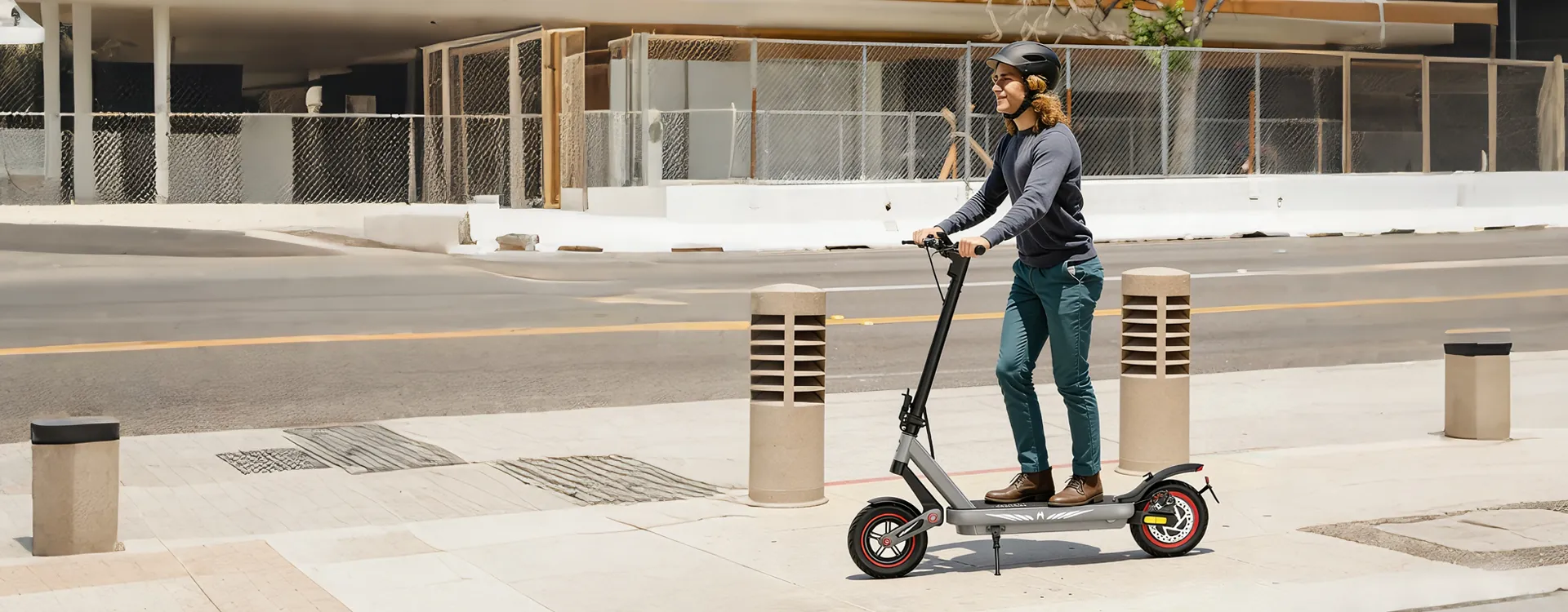
It sounds obvious, but a staggering number of riders skip helmets. A 2025 study by the Insurance Institute for Highway Safety found that helmet use reduces the risk of head injury by 70%. But a helmet alone isn't enough. Consider these essentials:
- Helmet: Choose a CPSC-certified helmet that fits snugly. Full-face helmets offer the best protection for high-speed models.
- Gloves: Protect your hands in a fall. Look for padded gloves with good grip.
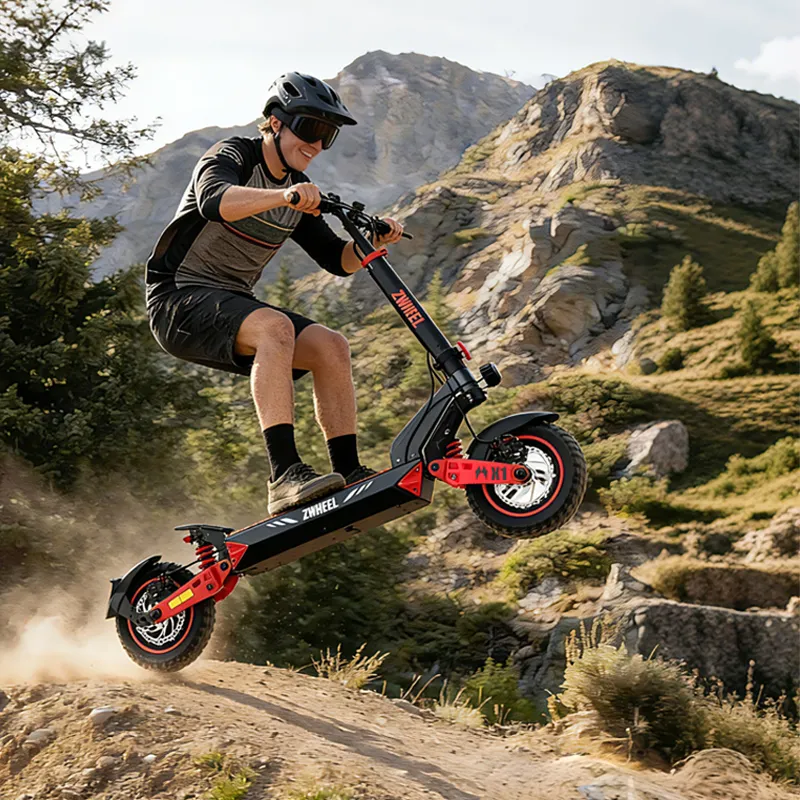
- Knee and elbow pads: Especially important for beginners or off-road riding.
- Reflective clothing: Be visible, especially at night. Wear bright colors and reflective strips.
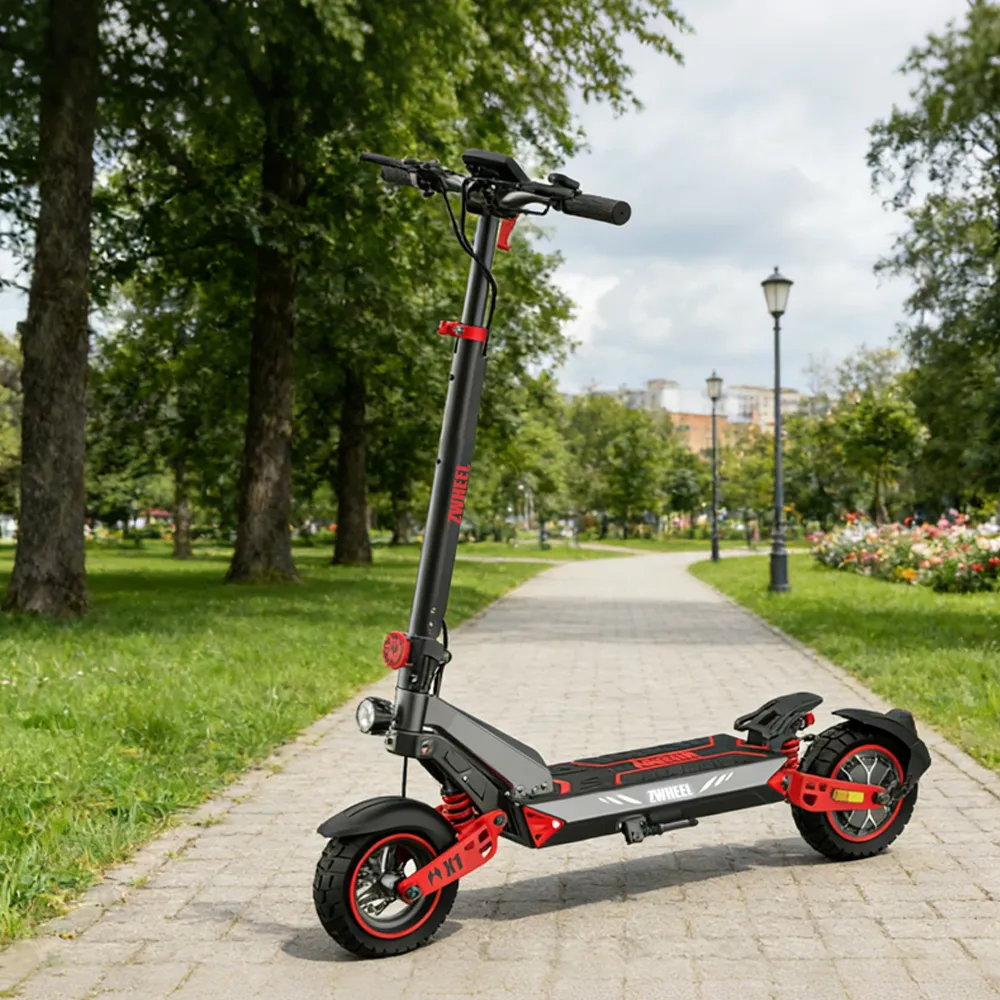
Investing in quality gear is far cheaper than a hospital bill. If you're riding a high-performance model like the Zwheel ZSD1 (2000W, $800), which can reach speeds up to 40 mph, full protective gear is non-negotiable.
2. Master Your Scooter's Controls Before Hitting the Road
Every scooter handles differently. Before you venture into traffic, spend time in an empty parking lot or park to get familiar with:
- Acceleration and braking: Practice smooth acceleration and emergency braking. Know your stopping distance.
- Turning radius: Test tight turns to understand your scooter's agility.
- Weight distribution: Shift your weight appropriately when turning or braking.
If you're new to riding, start with a moderate-power scooter like the Zwheel ZSA Plus (800W, $499). Its balanced performance is ideal for learning city commuting without overwhelming power.
3. Ride Defensively: Assume Others Don't See You
Defensive riding is your best defense against accidents. Drivers often underestimate the speed of electric scooters, and pedestrians may step out unexpectedly. Follow these defensive riding principles:
- Stay visible: Ride where drivers can see you. Avoid blind spots.
- Signal your intentions: Use hand signals for turns and stops.
- Anticipate: Watch for car doors opening, pedestrians jaywalking, and vehicles turning without signaling.
- Keep a safe distance: Maintain at least a 3-second following distance behind vehicles.
Remember, you're the smaller vehicle. Always yield to larger vehicles, even if you have the right of way.
4. Maintain Your Scooter Regularly
Mechanical failures are a leading cause of accidents. A 2026 report by the E-Scooter Safety Council noted that 22% of accidents involved brake or tire issues. Regular maintenance is critical:
- Check tire pressure weekly: Under-inflated tires reduce stability and braking efficiency.
- Inspect brakes monthly: Replace brake pads when worn. Test brakes before every ride.
- Tighten bolts and screws: Vibration can loosen hardware over time.
- Battery care: Don't overcharge. Store in a cool, dry place. A faulty battery can cause sudden power loss.
For off-road riders, maintenance is even more crucial. Models like the Zwheel ZSB1 (1200W, $599) are built for rugged terrain, but they still need routine checks to handle dirt, mud, and rocks safely.
5. Understand and Follow Local Laws
E-scooter regulations vary widely by city and country. In 2026, many cities have tightened rules, including speed limits, helmet requirements, and where you can ride. For example:
- Speed limits: Some cities cap e-scooter speed at 15 mph on sidewalks and 25 mph on roads.
- Sidewalk vs. street: Many places prohibit riding on sidewalks. Always check local ordinances.
- Age restrictions: Most require riders to be at least 16 or 18 years old.
- Licensing: Some regions now require a valid driver's license or a scooter permit.
Ignorance of the law isn't an excuse. Know the rules before you ride.
6. Avoid High-Risk Situations
Some conditions are simply too dangerous. Use common sense:
- Bad weather: Rain, snow, and ice reduce traction and visibility. Avoid riding if possible.
- Night riding: If you must ride at night, ensure your scooter has working lights and reflectors. Wear reflective gear.
- Heavy traffic: Avoid busy roads during rush hour if you're not confident.
- Alcohol and drugs: Never ride under the influence. Reaction time and judgment are impaired.
If you're riding a high-speed model like the Zwheel ZSE2 (6000W, $1400), which is designed for racing, save it for closed tracks or designated areas. It's not meant for crowded streets.
7. Stay Alert and Sober
Distracted riding is as dangerous as distracted driving. Don't text, take calls, or wear headphones that block ambient sound. Keep your eyes on the road and your mind on the ride. Fatigue also plays a role—take breaks on long rides.
8. Take a Safety Course
Many cities now offer e-scooter safety courses. These hands-on classes teach emergency maneuvers, road positioning, and legal responsibilities. A few hours of training can significantly reduce your accident risk.
9. Use Technology to Your Advantage
Modern scooters often come with safety features like anti-lock braking systems (ABS), traction control, and turn signals. If you're in the market for a new scooter, prioritize these features. For example, the Zwheel ZSB2 (1500W, $650) includes responsive disc brakes and a stable frame for all-terrain riding.
Additionally, smartphone apps can track your speed and route, helping you identify risky habits.
10. Be a Role Model
Promote safety within the e-scooter community. Encourage friends to wear helmets and follow rules. Positive peer pressure can create a culture of safety.
Frequently Asked Questions
What is the most common cause of electric scooter accidents?
The most common causes are rider inexperience, speeding, and not wearing a helmet. Mechanical failures and poor road conditions also contribute.
Do I need a helmet to ride an electric scooter?
Yes, in most places, helmets are required by law for riders under 18, and strongly recommended for all riders. Even if not legally required, always wear a CPSC-certified helmet.
How can I prevent accidents at night?
Use front and rear lights, wear reflective clothing, and stick to well-lit streets. Avoid riding at night if you're not experienced.
Are electric scooters safe in the rain?
Riding in rain is risky due to reduced traction and visibility. If you must ride, slow down, avoid painted lines and metal surfaces, and dry your scooter afterward.
What should I do if I'm in an accident?
Seek medical attention immediately, even if you feel fine. Document the scene, exchange information with other parties, and report the incident to local authorities if required.
Conclusion
Electric scooter accident prevention tips are not just about avoiding fines—they're about protecting your life and the lives of others. By wearing proper gear, maintaining your scooter, riding defensively, and following local laws, you can drastically reduce your risk. Remember, safety is a habit, not an afterthought. Whether you're commuting on a Zwheel D3S-S or tearing up trails on a high-powered model, prioritize safety every time you ride. Stay safe, stay smart, and enjoy the ride.
作者
Zwheel Team
Zwheel 编辑团队成员,专注于电动出行趋势、产品指南和骑行技巧。