Electric Scooter Berlin Germany Rules and Culture in 2026
A complete guide to electric scooter rules and culture in Berlin, Germany for 2026. Covers registration, helmet laws, where to ride, parking tips, and how locals really use e-scooters in the city.
目录
- Riding an Electric Scooter in Berlin: What You Need to Know in 2026
- Electric Scooter Berlin Germany Rules 2026: The Legal Framework
- 1. Registration and Insurance (It's Mandatory)
- 2. Helmet Laws: Strongly Recommended, Not Required
- 3. Speed Limit and Motor Power
- 4. Where You Can Ride: Bike Lanes Only
- Berlin E-Scooter Culture: How Locals Really Ride
- 1. The Commute: Pragmatic and Fast
- 2. Parking: The Unwritten Rules
- 3. Sharing vs. Owning: The Shift
- Essential Tips for Riding an Electric Scooter in Berlin
- FAQs About Electric Scooter Rules in Berlin
- Can I ride an electric scooter in Berlin without a license?
- Do I need a helmet for an e-scooter in Berlin?
- Can I take my electric scooter on the U-Bahn or S-Bahn?
- Are electric scooters allowed in Berlin's parks?
- What happens if I ride an unlocked (faster) scooter on the street?
- Conclusion: Embrace Berlin’s Electric Scooter Culture the Right Way
Riding an Electric Scooter in Berlin: What You Need to Know in 2026
Berlin’s streets have changed. Since the first wave of rental e-scooters hit the sidewalks in 2019, the city has become a global testbed for micromobility. But with growth comes regulation. If you're planning to ride an electric scooter in Berlin, Germany, you need to understand the 2026 rules — and the unwritten culture that makes this city unique. Whether you’re a tourist hopping between museums or a local commuting from Neukölln to Mitte, this guide has you covered.
Let’s start with the legal stuff, then dive into how Berliners actually ride, park, and maintain their scooters.
Electric Scooter Berlin Germany Rules 2026: The Legal Framework
Germany’s e-scooter regulations are set at the federal level (the eKFV or Electric Vehicle Regulation), but Berlin adds its own local quirks. Here’s what you must know:
1. Registration and Insurance (It's Mandatory)
As of 2026, every electric scooter in Germany must have a valid insurance license plate. The plate is issued by your insurer (cost: around €30–50 per year) and must be renewed annually. You’ll see small colored plates on the back of private scooters — green for 2026. No plate? No ride. Police in Berlin actively check, especially around Friedrichshain and Alexanderplatz.
Rental scooters (like Lime, Tier, Voi) have their own fleet plates — you don’t need to worry about those.
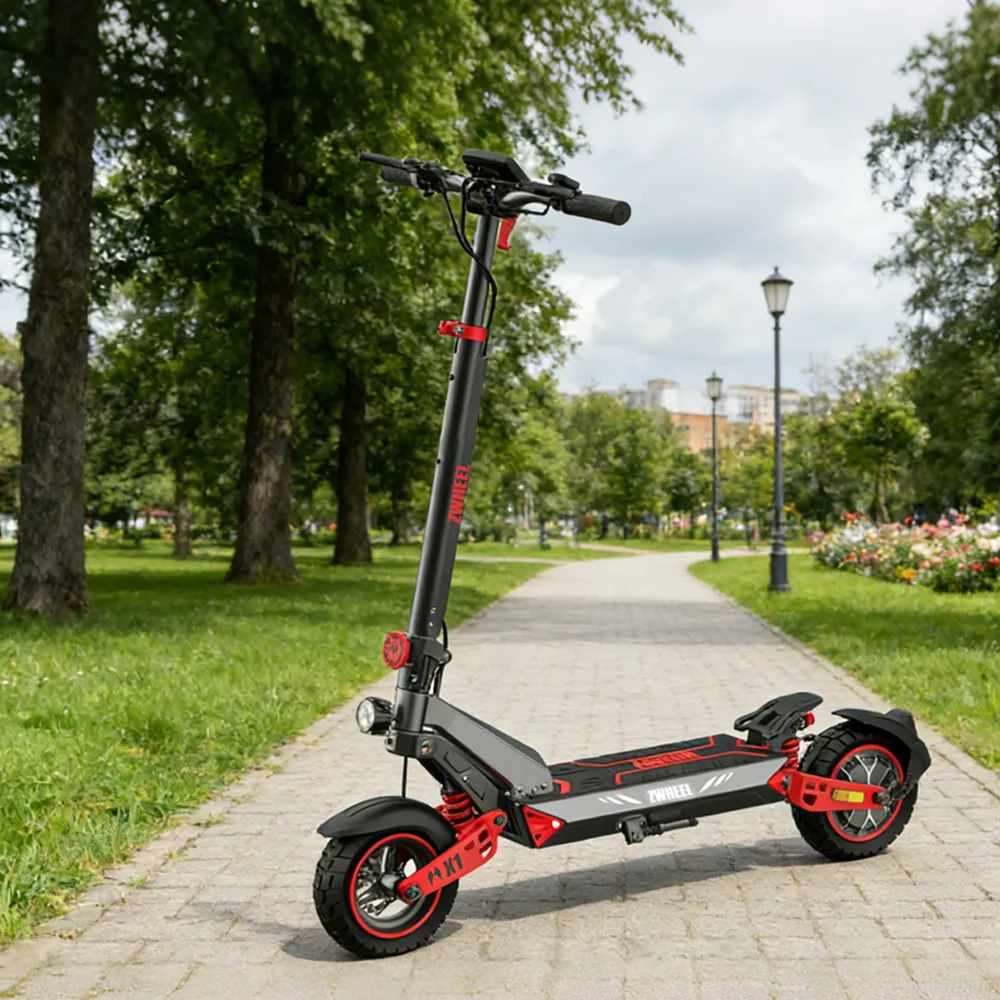
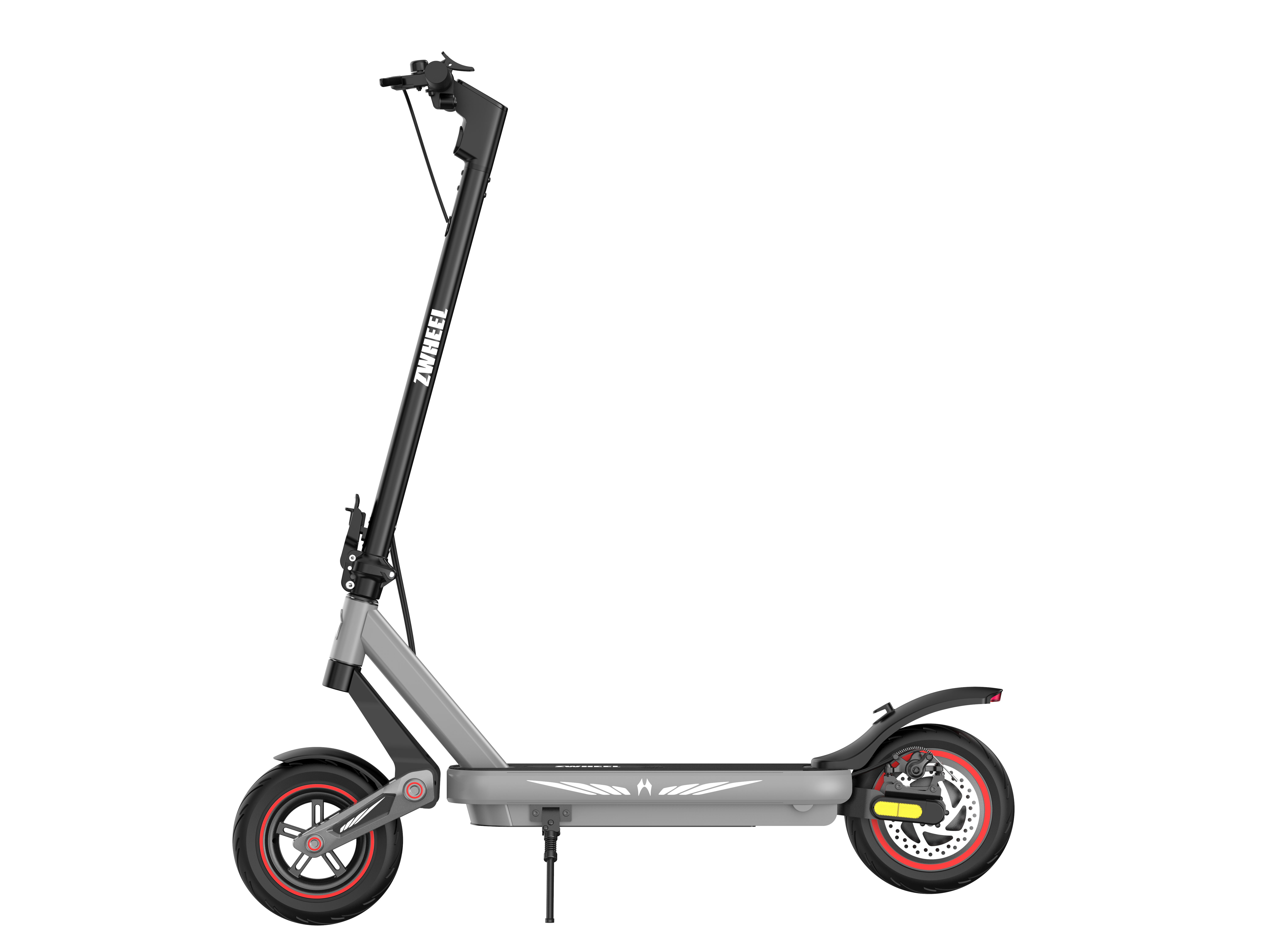
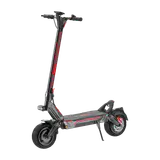
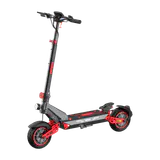
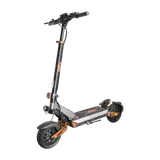
Tip: If you buy a private scooter, like the Zwheel ZSA Plus, register it immediately. The 800W motor is perfect for Berlin’s flat center, and the insurance process takes about 10 minutes online.
2. Helmet Laws: Strongly Recommended, Not Required
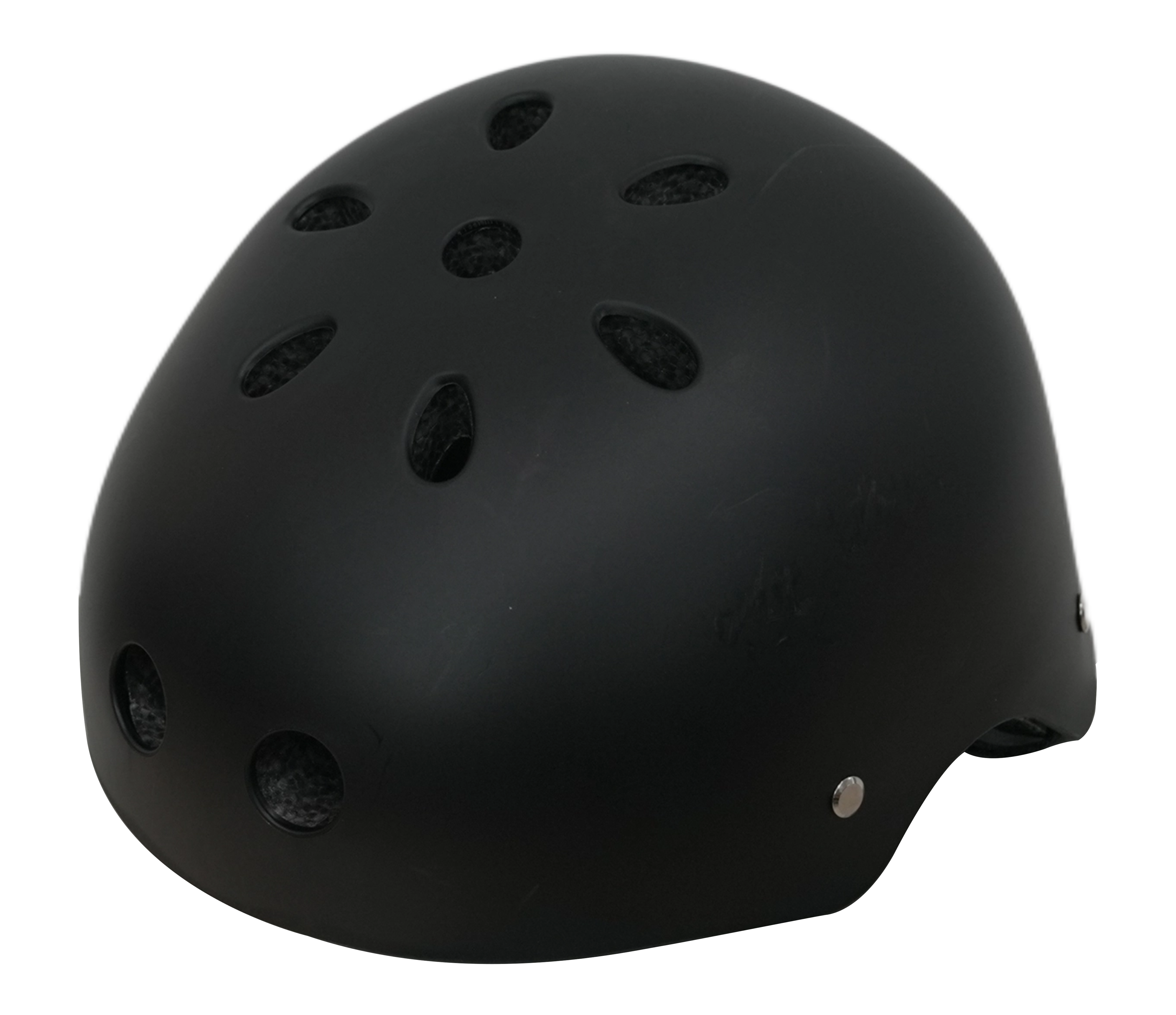
German law does not require a helmet for e-scooters under 20 km/h (12.4 mph). But Berlin’s culture is shifting. In 2026, about 60% of private scooter riders wear a helmet voluntarily, especially those commuting longer distances. Rental scooter riders? Still mostly bare-headed, but that’s changing with new city awareness campaigns.
Our advice: Wear a helmet. Berlin’s cobblestone streets and tram tracks can catch you off guard. A fall at 20 km/h on asphalt isn’t fun.
3. Speed Limit and Motor Power
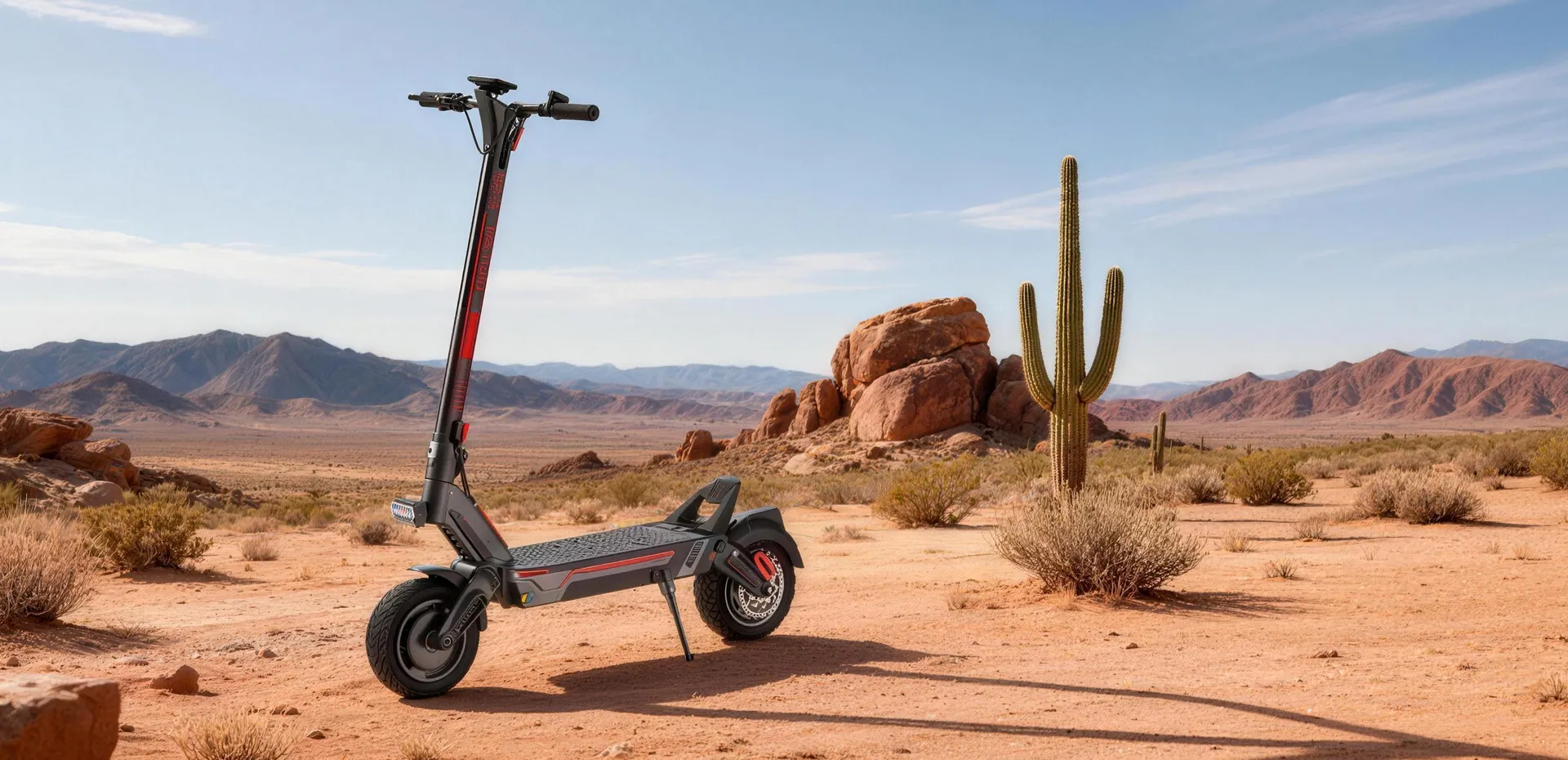
By law, e-scooters in Germany are capped at 20 km/h (12.4 mph) on public roads and bike lanes. Faster scooters (like the Zwheel ZSB1 at 1200W) are legal only if they are electronically limited to that speed. Riding an unlocked scooter at 30+ km/h on a bike lane can get you a €500 fine and a point on your driving record.
Berlin police have been known to set up speed checks on popular routes like the Tempelhofer Feld perimeter path.
4. Where You Can Ride: Bike Lanes Only
E-scooters must use bike lanes (Radwege) wherever available. If there’s no bike lane, you can ride on the road — but not on sidewalks or pedestrian zones. Berlin’s bike lane network has expanded dramatically since 2023, with new protected lanes on Karl-Marx-Allee and Unter den Linden. However, many bike lanes are narrow and shared with cyclists, cargo bikes, and the occasional delivery robot.
No-go zones: Riding in parks (unless on designated paths), pedestrian shopping streets like Tauentzienstraße, and the central area around Brandenburg Gate during events.
Berlin E-Scooter Culture: How Locals Really Ride
Beyond the law, Berlin has a distinct e-scooter culture shaped by its history, infrastructure, and attitude. Here’s the inside scoop:
1. The Commute: Pragmatic and Fast
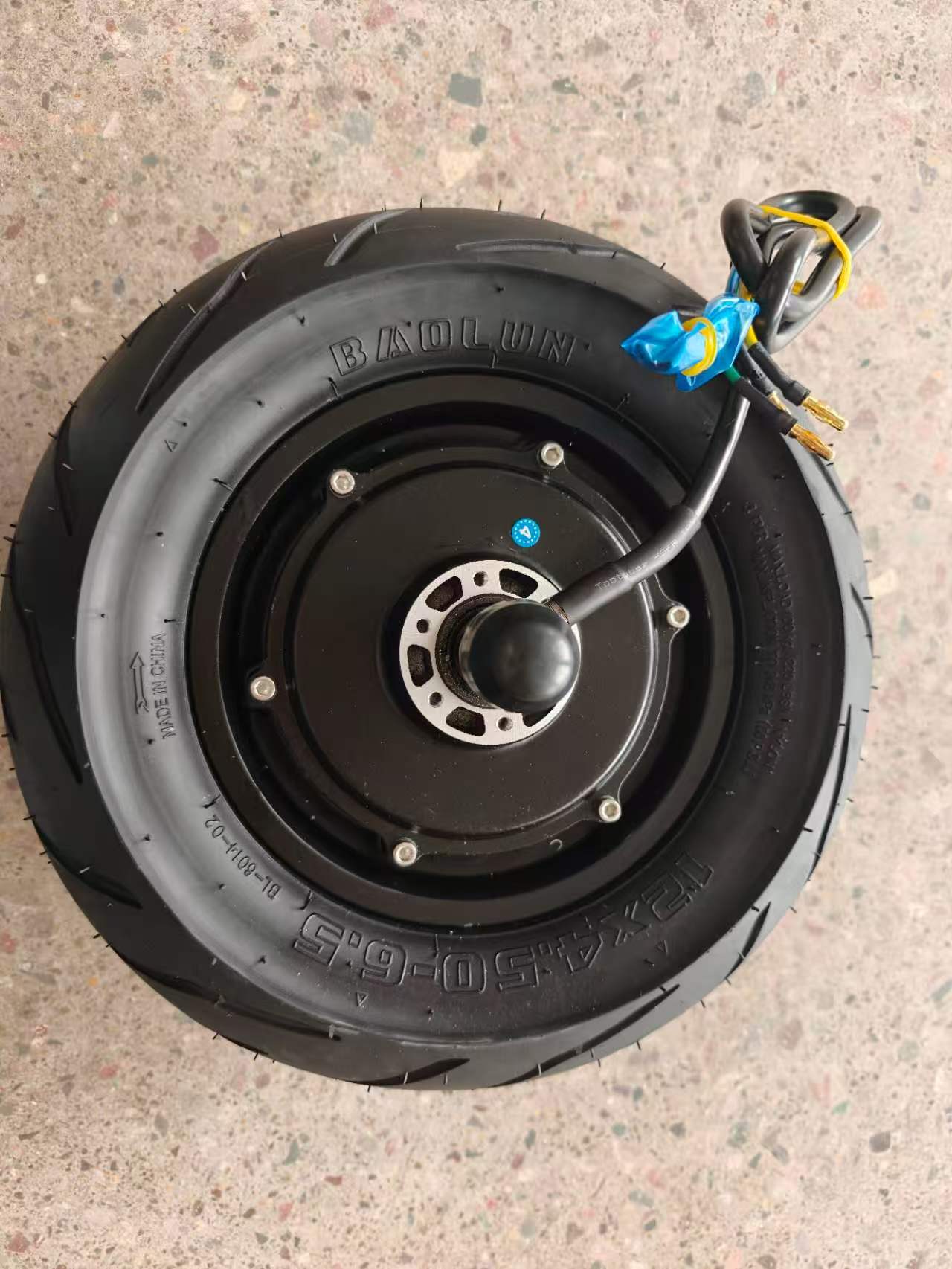
Berliners are practical. The city is spread out — from Spandau to Köpenick can take over an hour by public transport. E-scooters fill the gap. The typical Berlin commuter uses a private scooter for the last mile from S-Bahn to office, or for the entire 5–8 km trip across the city center. The Zwheel D3S-S with its 1000W motor and solid tires is a common choice for these daily runs because it handles Berlin’s occasional rain and rough patches without worry.
Real numbers: A 6 km commute from Kreuzberg to Wedding takes about 18 minutes on a scooter vs. 35 minutes by U-Bahn. And you save €2.90 per trip.
2. Parking: The Unwritten Rules
Berliners hate badly parked rental scooters. You know the scene: a scooter lying across a wheelchair ramp or blocking a shop entrance. The city has started fining rental operators for misparked vehicles, but the culture is slowly improving. As a private scooter owner, you’re expected to lock your scooter to a bike rack — not a tree, not a bench. Inside apartments, scooters are common in hallways and basements (lithium battery storage rules apply — avoid extreme heat or cold).
3. Sharing vs. Owning: The Shift
In 2026, more Berliners are buying their own scooters. Why? Rental costs add up (€1 to unlock + €0.20 per minute), and the quality of rental scooters has declined with heavy use. Private owners enjoy better performance, reliability, and the freedom to customize. The Zwheel ZSD1 (2000W) is gaining popularity among enthusiasts who want to handle Berlin’s hills (yes, there are a few — try Kreuzberg’s Oranienstraße) and longer trips.
Essential Tips for Riding an Electric Scooter in Berlin
Here are practical, actionable tips to keep you safe and legal:
- Watch for tram tracks: Berlin’s trams run on embedded rails that can catch your scooter’s wheels. Cross them at a 90-degree angle.
- Use lights at night: By law, your scooter must have a white front light and red rear light. The Zwheel ZSA Plus comes with bright integrated LEDs — a smart choice for evening rides.
- Lock it properly: Berlin has a moderate bike theft problem, and scooters are targeted. Use a U-lock through the frame, not just the handlebars.
- Know the fine schedule: Riding on a sidewalk: €15. Running a red light: €60. No insurance plate: €40. Driving under influence (over 0.5‰): criminal offense, possible license suspension.
- Winter riding: Berlin winters are cold (0–5°C) but dry. Battery range drops by 20–30%. Store your scooter indoors before charging.
FAQs About Electric Scooter Rules in Berlin
Can I ride an electric scooter in Berlin without a license?
Yes, for scooters under 20 km/h. You don’t need a driver’s license, but you must be at least 14 years old. The insurance plate is mandatory.
Do I need a helmet for an e-scooter in Berlin?
No, but it’s strongly recommended. Berlin’s bike lanes can be tight, and accidents happen. Many local riders now wear helmets voluntarily.
Can I take my electric scooter on the U-Bahn or S-Bahn?
Yes, but only during off-peak hours (after 9 AM on weekdays, all day weekends). Folding scooters are preferred. You may need a separate ticket if it’s bulky.
Are electric scooters allowed in Berlin's parks?
Only on paved paths. Riding on grass or through crowds is prohibited. Tempelhofer Feld is popular for scooters, but stay on the main runway.
What happens if I ride an unlocked (faster) scooter on the street?
You risk a fine of up to €500, insurance invalidation, and a police record. Stick to legal 20 km/h for daily riding.
Conclusion: Embrace Berlin’s Electric Scooter Culture the Right Way
Berlin is one of Europe’s most scooter-friendly cities — if you respect the rules. The electric scooter Berlin Germany rules and culture in 2026 are built on a balance of freedom and responsibility. Register your scooter, ride in bike lanes, park considerately, and you’ll experience the city like never before. Whether you choose a nimble Zwheel ZSA Plus for quick trips or a powerful Zwheel ZSD2 for weekend adventures, you’re joining a community that values efficiency, independence, and a little bit of Berlin hustle.
Now get out there — the city is waiting.
作者
Zwheel Team
Zwheel 编辑团队成员,专注于电动出行趋势、产品指南和骑行技巧。