Electric Scooter Commuting in Rain: What to Know
Riding an electric scooter in the rain can be safe and fun with the right precautions. Discover waterproofing tips, safety gear, and maintenance advice for wet-weather commuting.
目录
- Electric Scooter Commuting in Rain: What to Know
- Understanding Waterproof Ratings for Electric Scooters
- Key Waterproofing Features to Look For
- Essential Safety Gear for Wet-Weather Riding
- Riding Techniques for Rainy Conditions
- How to Handle Puddles and Flooded Areas
- Maintenance After Riding in Rain
- Choosing the Right Scooter for Rainy Climates
- Frequently Asked Questions
- Can I ride my electric scooter in the rain?
- Will rain damage my electric scooter?
- How do I waterproof my electric scooter?
- What should I do if my scooter gets wet?
- Is it safe to charge an electric scooter after riding in rain?
- Conclusion
Electric Scooter Commuting in Rain: What to Know
Commuting on an electric scooter is a fantastic way to beat traffic, save money, and reduce your carbon footprint. But what happens when the weather turns? Electric scooter commuting in rain is a common concern for riders, and for good reason—wet roads, reduced visibility, and water damage can pose real risks. The good news is that with the right knowledge and preparation, you can ride safely and confidently even in wet conditions. In this guide, we'll cover everything you need to know, from waterproof ratings to riding techniques and maintenance, so you can keep commuting rain or shine.
Understanding Waterproof Ratings for Electric Scooters
Not all electric scooters are created equal when it comes to water resistance. Most scooters have an IP (Ingress Protection) rating that indicates how well they resist dust and water. The first digit (0-6) represents dust protection, and the second digit (0-8) represents water protection. For commuting in rain, you'll want a scooter with an IP rating of at least IPX4, which means it can withstand splashes from any direction. Higher ratings like IPX5 or IPX6 indicate resistance to water jets, while IPX7 means the scooter can be submerged in up to 1 meter of water for 30 minutes—though this is rare for scooters.
It's crucial to check your scooter's manual or specifications for its IP rating. Even if your scooter is rated for rain, remember that no scooter is completely waterproof. Heavy rain or riding through deep puddles can force water into areas not protected by the rating. Always err on the side of caution.
Key Waterproofing Features to Look For
- Sealed battery compartment: Prevents water from reaching the battery and electronics.
- Waterproof connectors: Look for sealed connectors and dielectric grease on terminals.
- Fenders: Good fenders keep water and debris from splashing onto you and the scooter's components.
- Pneumatic tires with good tread: Offer better grip on wet surfaces than solid tires.
- Disc brakes: Generally perform better in wet conditions than drum brakes, though they require more maintenance.
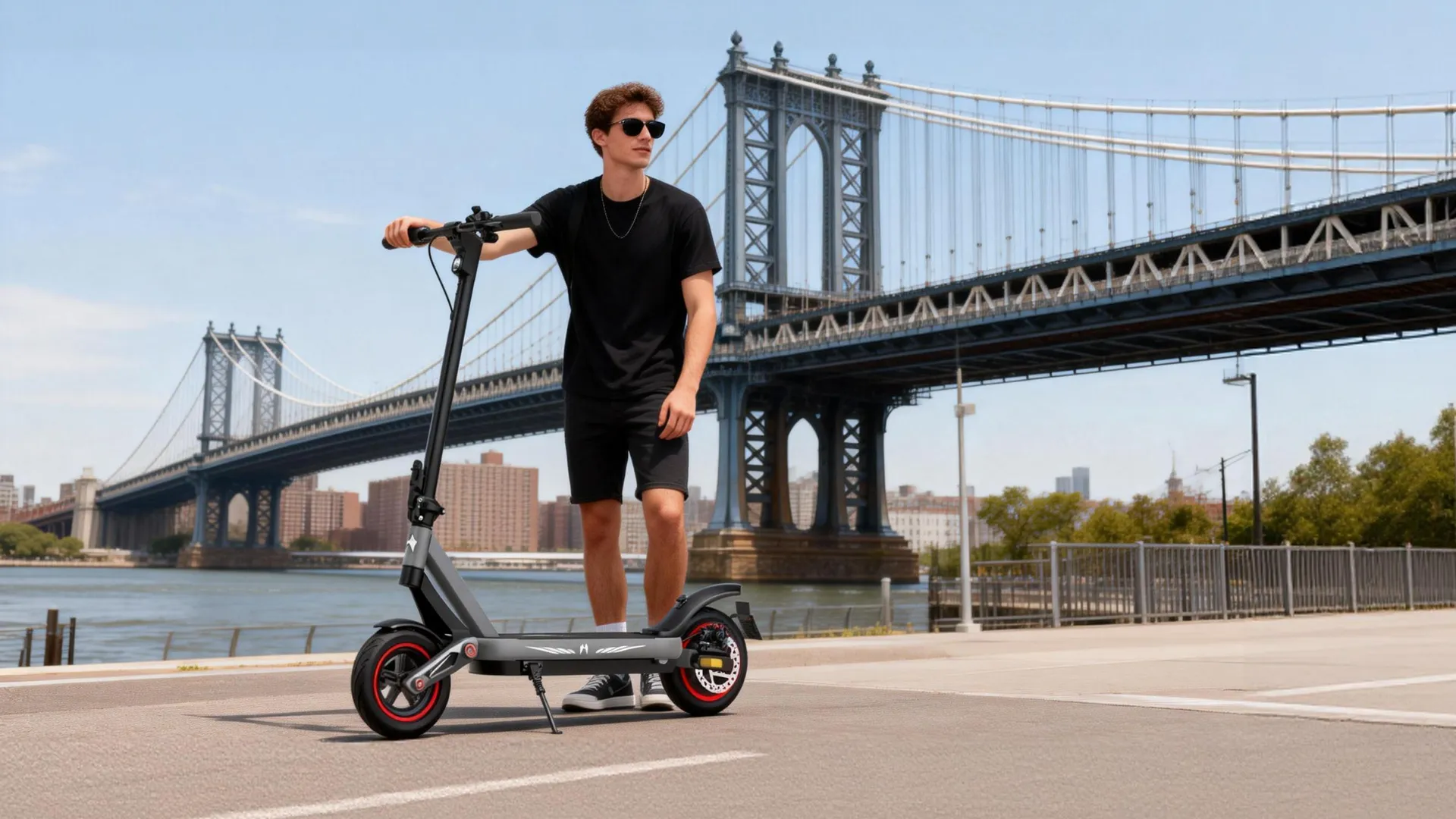
Some Zwheel models are designed with commuting in mind and offer decent water resistance. For example, the Zwheel ZSA Plus (800W, $499) is a solid city commuter with features that handle light rain well. Always check the specific IP rating for your model.
Essential Safety Gear for Wet-Weather Riding
When commuting in rain, your safety gear becomes even more critical. Here's what you need:
- Waterproof jacket and pants: Look for breathable, waterproof materials with sealed seams. Avoid ponchos that can flap and obstruct your view.
- Waterproof gloves: Keep your hands dry and warm for better control.
- Helmet with visor or waterproof cover: A full-face helmet with an anti-fog visor is ideal, or use a waterproof cover over your regular helmet.
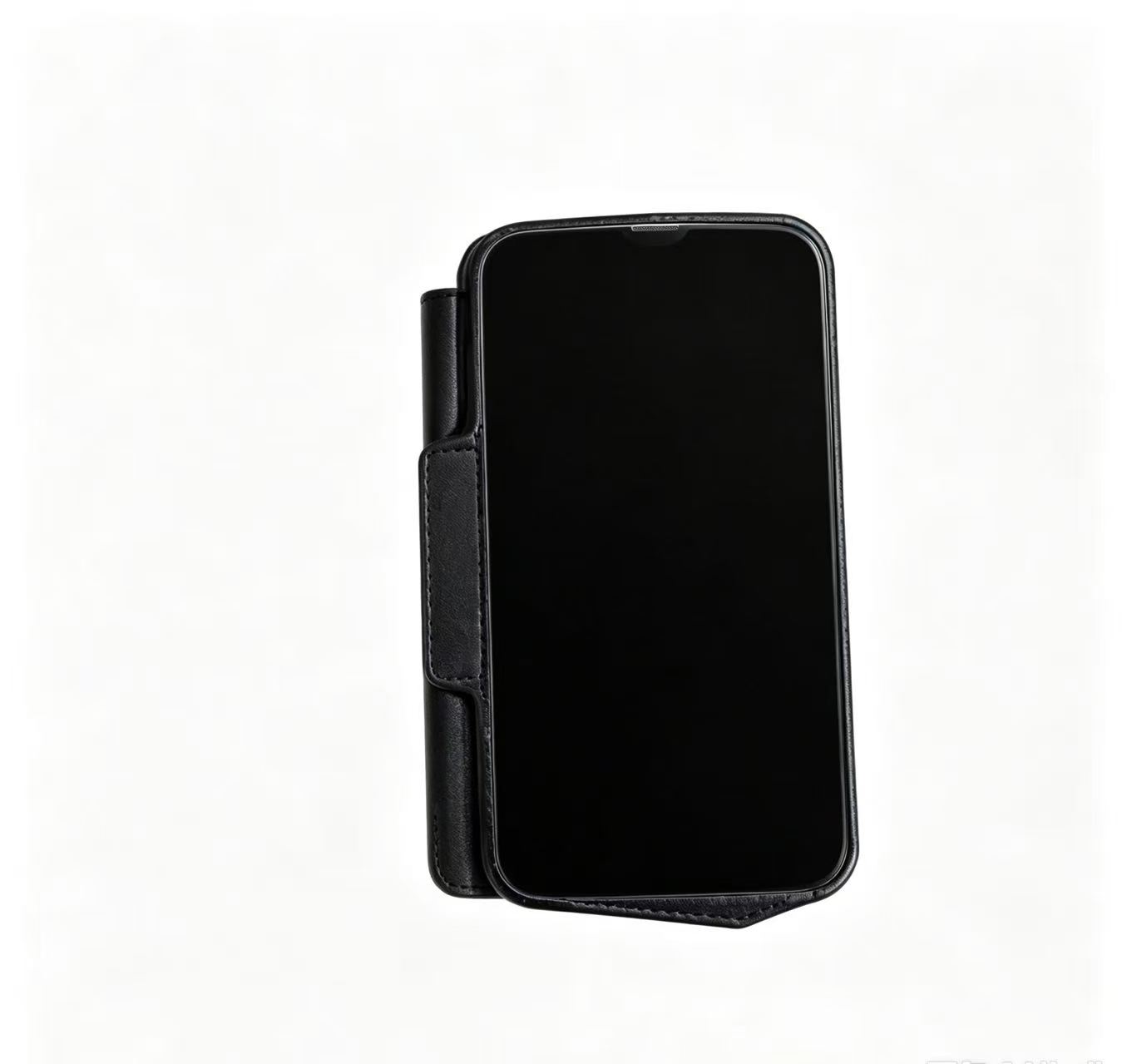
- Waterproof phone mount and case: Protect your phone, which you may use for navigation.
- Reflective gear: Visibility is reduced in rain, so wear bright, reflective clothing and add reflective stickers to your scooter.
- Waterproof backpack or pannier: Keep your belongings dry.
Investing in quality rain gear not only keeps you comfortable but also ensures you can focus on the road. Remember, being cold and wet can lead to distraction and poor decision-making.
Riding Techniques for Rainy Conditions
Riding in rain requires adjustments to your technique. Here are some key tips:
- Slow down: Wet roads reduce traction, so reduce your speed by at least 20-30% compared to dry conditions. Allow extra time for braking.
- Increase following distance: Double your usual following distance to give yourself more time to react.
- Avoid sudden movements: Gentle acceleration, braking, and turning help maintain traction.
- Brake earlier and smoother: Use both brakes gradually to avoid skidding.
- Watch for slippery surfaces: Paint markings, metal grates, and manhole covers can be extremely slippery when wet. Try to ride over them upright and avoid braking on them.
- Avoid puddles: Puddles can hide potholes or debris, and deep water can damage your scooter. If you must ride through water, go slowly and check the depth.
- Use lights: Turn on your scooter's lights and wear reflective gear to be seen.
- Stay alert: Rain can impair visibility for both you and drivers. Make eye contact with drivers when possible.
Practice these techniques in a safe area before commuting in heavy rain. Confidence comes with experience.
How to Handle Puddles and Flooded Areas
If you encounter a puddle, assess its depth first. If it's more than a few inches deep, it's best to walk your scooter around it. Riding through deep water can cause immediate damage to the motor, battery, or controller, and you may not realize until it's too late. If you must go through, keep a steady, slow speed and avoid stopping in the water.
Maintenance After Riding in Rain
Proper maintenance after a wet ride is crucial to prevent long-term damage and ensure your scooter's longevity. Follow these steps:
- Dry the scooter: Use a microfiber cloth to dry all surfaces, especially the stem, deck, and around the battery compartment.
- Check for water ingress: Look for signs of water in the display, throttle, or battery area. If you suspect water has entered, do not turn on the scooter and consult a professional.
- Clean and lubricate: Wipe down the brakes and lubricate any moving parts (like hinges and folding mechanisms) to prevent rust.
- Inspect tires and brakes: Wet conditions can wear brakes faster. Check brake pads for wear and tire tread for debris.
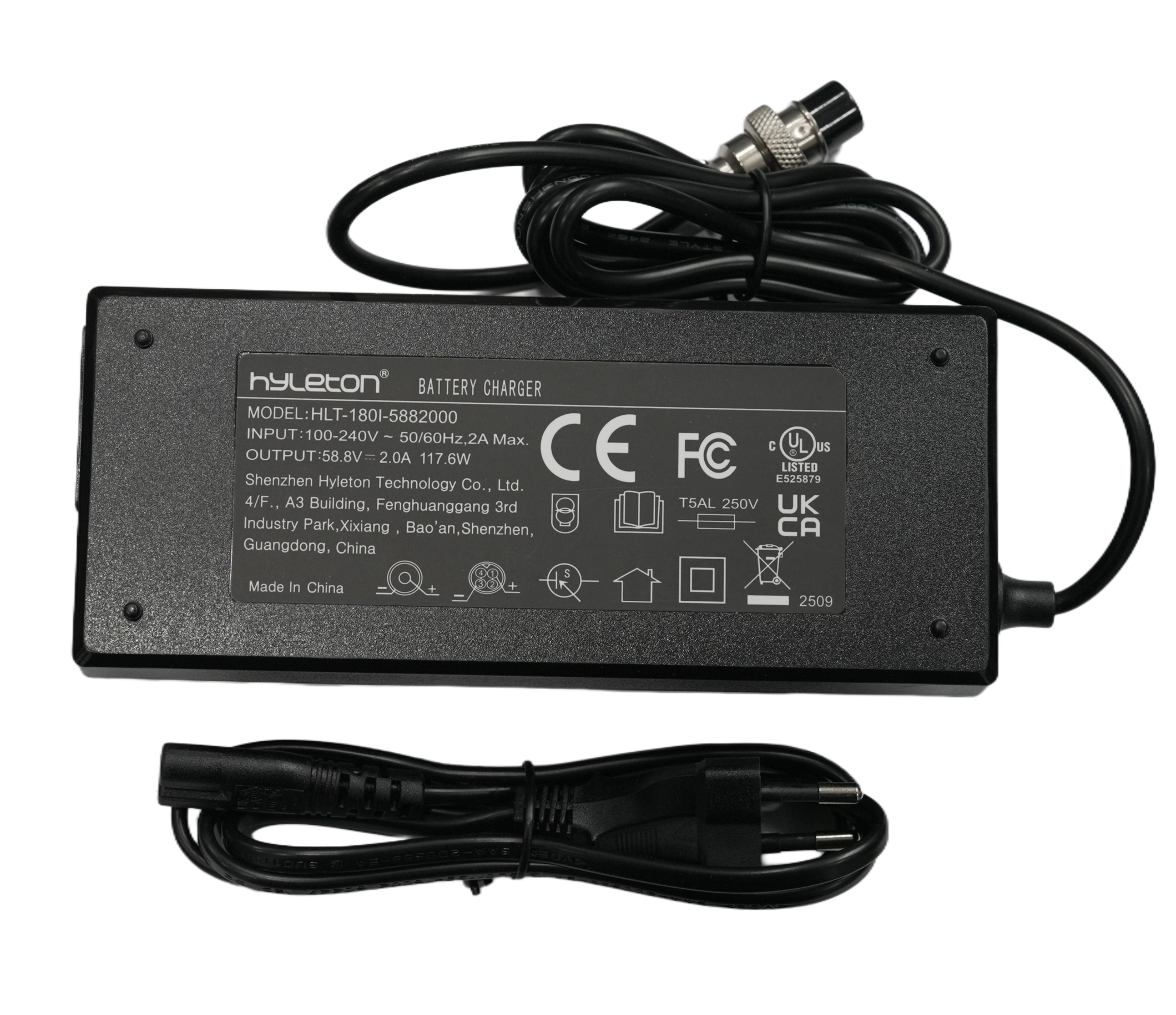
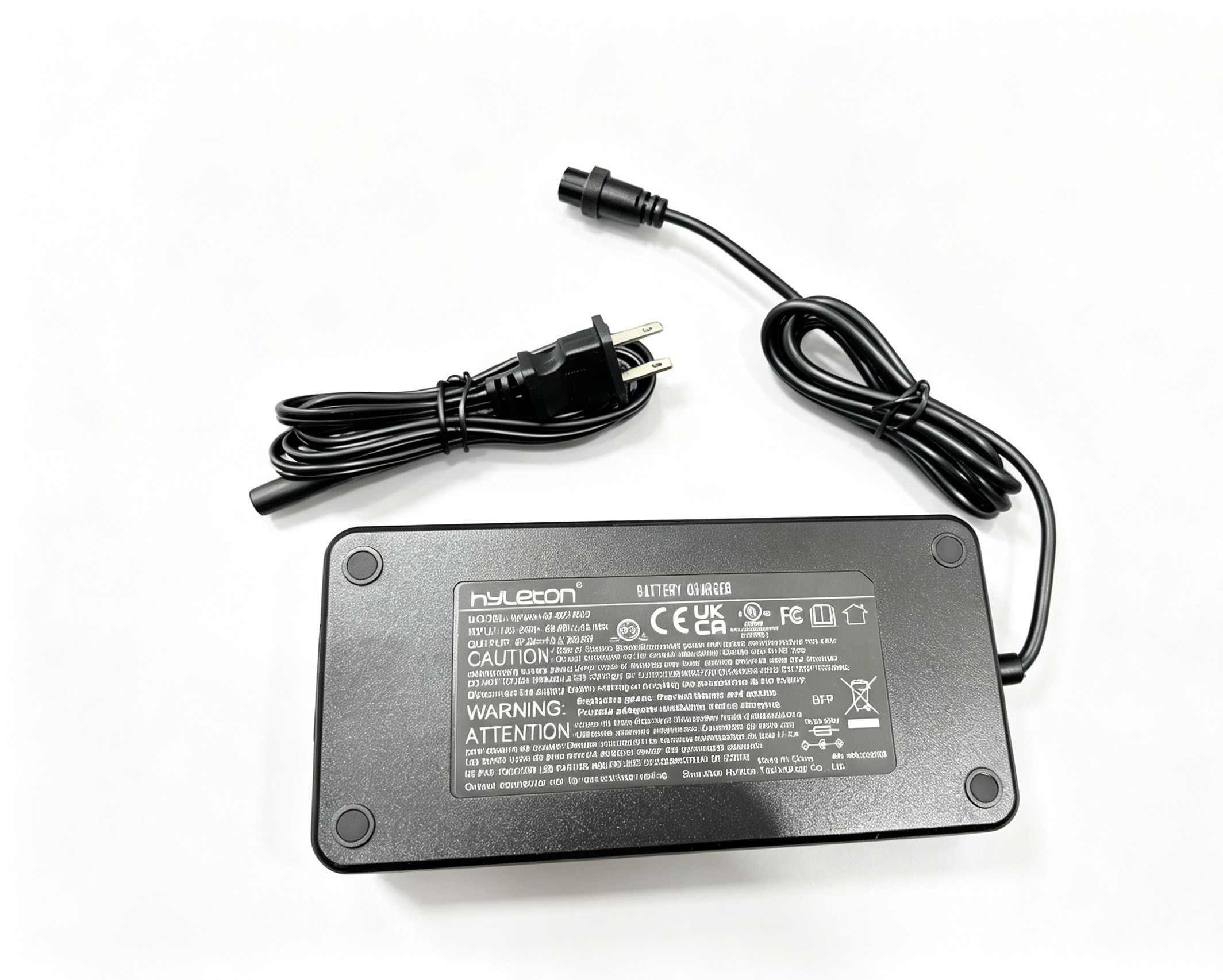
- Charge safely: Ensure the charging port is completely dry before charging. Never charge a wet scooter.
- Store properly: Store your scooter in a dry, well-ventilated area.
Regular maintenance not only prevents damage but also keeps your scooter performing at its best. Consider a professional inspection if you frequently ride in rain.
Choosing the Right Scooter for Rainy Climates
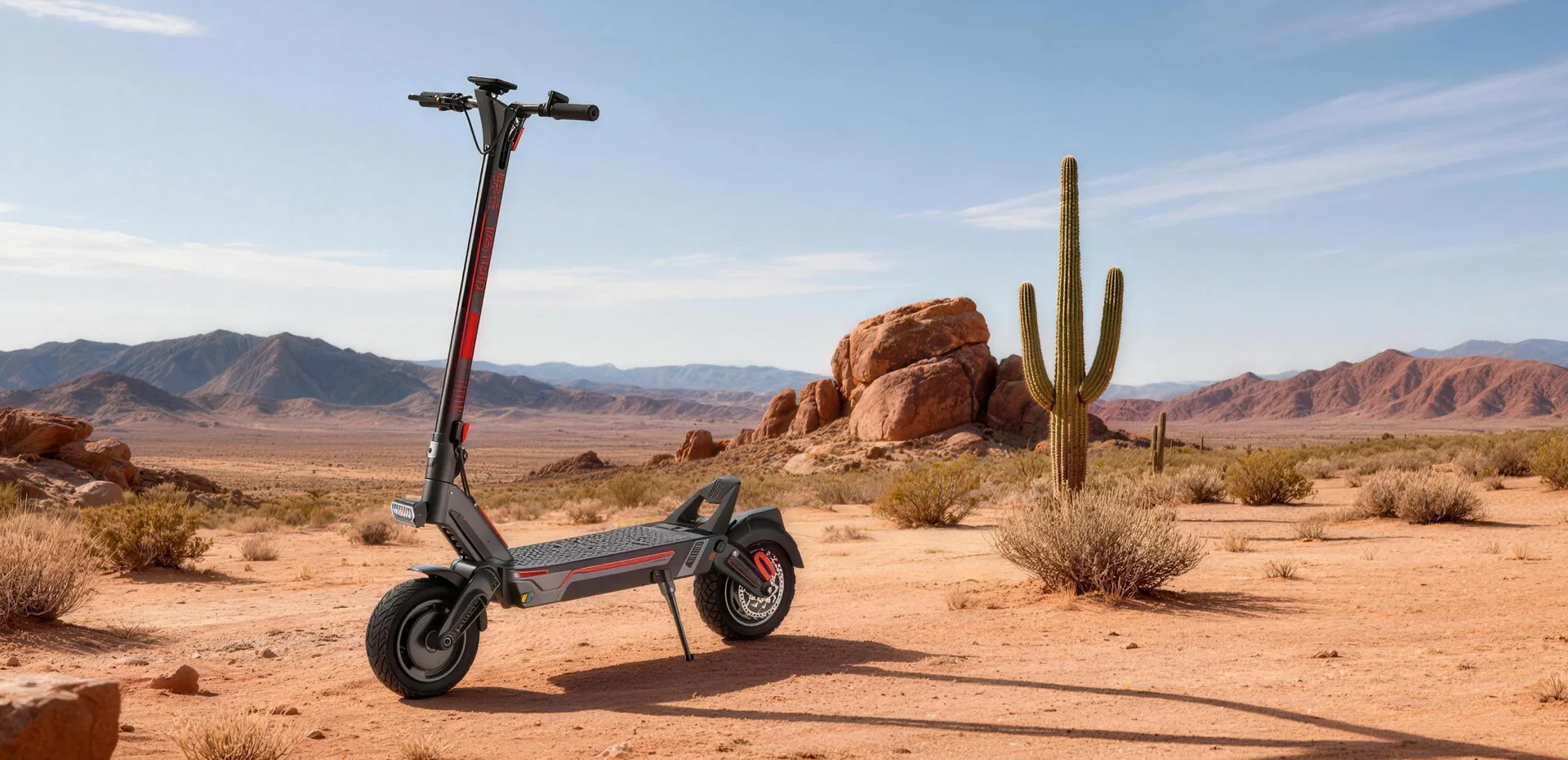
If you live in an area with frequent rain, you'll want a scooter that's built to handle it. Look for models with higher IP ratings, robust fenders, and reliable brakes. Zwheel offers several models suitable for wet conditions. For example, the Zwheel D3S-S (1000W, $600) is a commuter scooter with features that make it a good choice for rainy cities. For those who need more power and off-road capability, the Zwheel ZSB1 (1200W, $599) offers a balance of performance and durability.
Always check the manufacturer's specifications for water resistance and follow their recommendations for riding in rain. Some scooters may have limitations even with an IP rating.
Frequently Asked Questions
Can I ride my electric scooter in the rain?
Yes, but it depends on your scooter's IP rating. Most scooters with an IPX4 rating or higher can handle light rain and splashes. However, avoid heavy rain and deep puddles unless your scooter is specifically designed for it. Always check your manual.
Will rain damage my electric scooter?
Rain can damage your scooter if water enters sensitive components like the battery, motor, or controller. To minimize risk, ride only in light rain, dry your scooter thoroughly after each wet ride, and perform regular maintenance.
How do I waterproof my electric scooter?
You can't fully waterproof a scooter, but you can take precautions: apply dielectric grease to exposed connectors, use a waterproof cover when parked, and avoid riding in heavy rain. Some riders add silicone sealant around seams, but this may void your warranty.
What should I do if my scooter gets wet?
If your scooter gets wet, turn it off, dry it with a cloth, and let it air dry in a warm, dry place. Do not turn it on until it's completely dry. If it was submerged, do not attempt to charge or turn it on; seek professional help.
Is it safe to charge an electric scooter after riding in rain?
No, never charge a wet scooter. Water near the charging port can cause a short circuit or electric shock. Wait until the scooter and charging port are completely dry before charging.
Conclusion
Electric scooter commuting in rain is entirely possible with the right preparation and mindset. By understanding your scooter's waterproof rating, investing in proper gear, adjusting your riding technique, and maintaining your scooter after wet rides, you can stay safe and keep commuting regardless of the weather. Remember, safety should always come first—if conditions are too severe, it's okay to choose alternative transportation. With these tips, you'll be well-equipped to handle rainy days on your electric scooter.
作者
Zwheel Team
Zwheel 编辑团队成员,专注于电动出行趋势、产品指南和骑行技巧。