
Electric Scooter Cost Per Mile vs Uber and Taxi: 2026 Data
Discover the real cost per mile of an electric scooter compared to Uber and taxi rides in 2026. We crunch the numbers on purchase price, charging, maintenance, and ride-hailing fares to show you how much you can save.

目录
- Electric Scooter vs Uber vs Taxi: Which Is Cheaper in 2026?
- How We Calculated the Numbers
- Key Assumptions
- Cost Per Mile Breakdown: Electric Scooter vs Uber vs Taxi
- Why Electric Scooters Are So Cheap Per Mile
- Charging Costs: Almost Free
- Maintenance: Simple and Cheap
- When Ride-Hailing Still Makes Sense
- Real-World Savings Example: Sarah’s Commute
- How to Maximize Your Savings
- What About the Hidden Costs?
- Electric Scooter vs Public Transit
- Environmental Impact
- Conclusion: The Electric Scooter Cost Per Mile Wins Every Time
- Frequently Asked Questions
- Is an electric scooter cheaper than Uber for short trips?
- How long does it take to recoup the cost of an electric scooter vs Uber?
- What is the cheapest electric scooter per mile?
- Do electric scooters require insurance like cars?
- Can an electric scooter replace a car for commuting?
Electric Scooter vs Uber vs Taxi: Which Is Cheaper in 2026?
If you’re tired of watching your money vanish into ride-hailing apps or taxi meters, you’re not alone. In 2026, with inflation still nudging up prices and urban congestion worse than ever, the question on everyone’s mind is: what is the electric scooter cost per mile vs Uber and taxi? The answer might surprise you — and save you hundreds of dollars a month.
We crunched the numbers on everything from purchase price to charging costs, maintenance, and real-world ride-hailing fares. Here’s the honest breakdown so you can decide if an e-scooter is the smartest commute investment you’ll make this year.
How We Calculated the Numbers
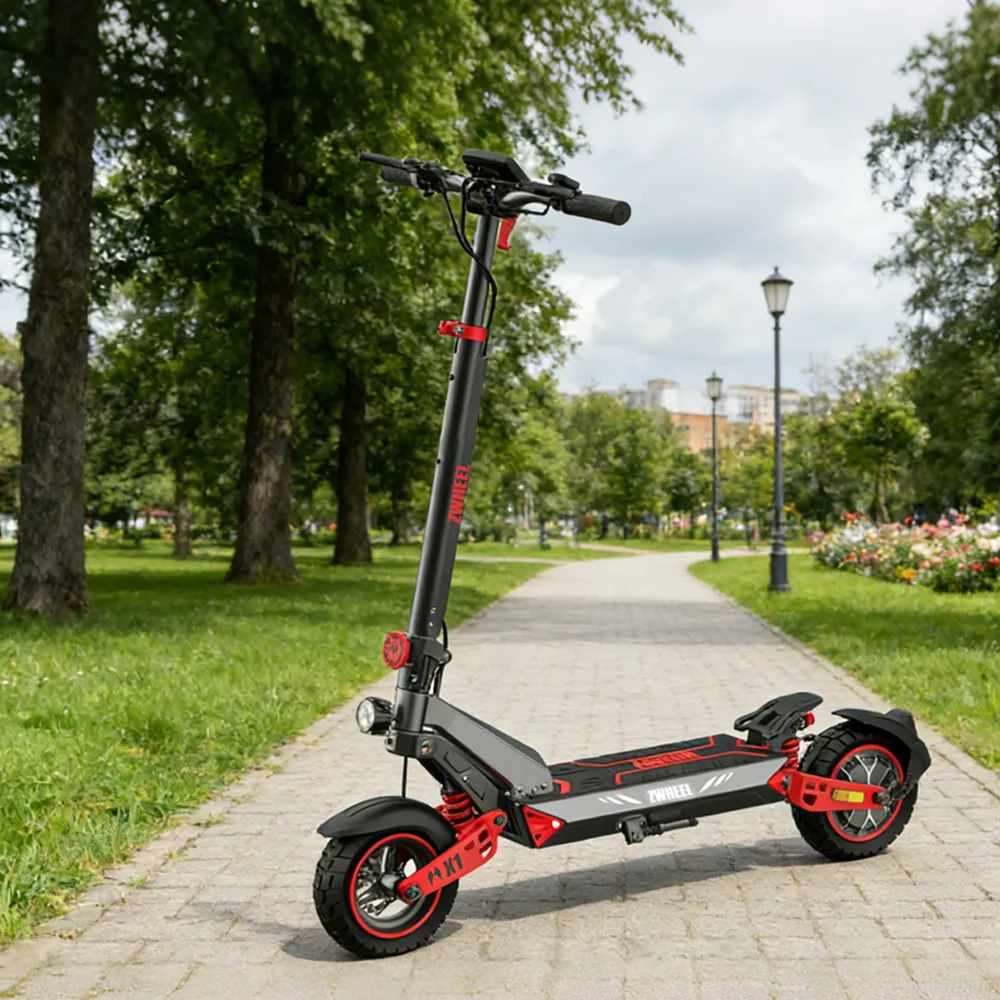
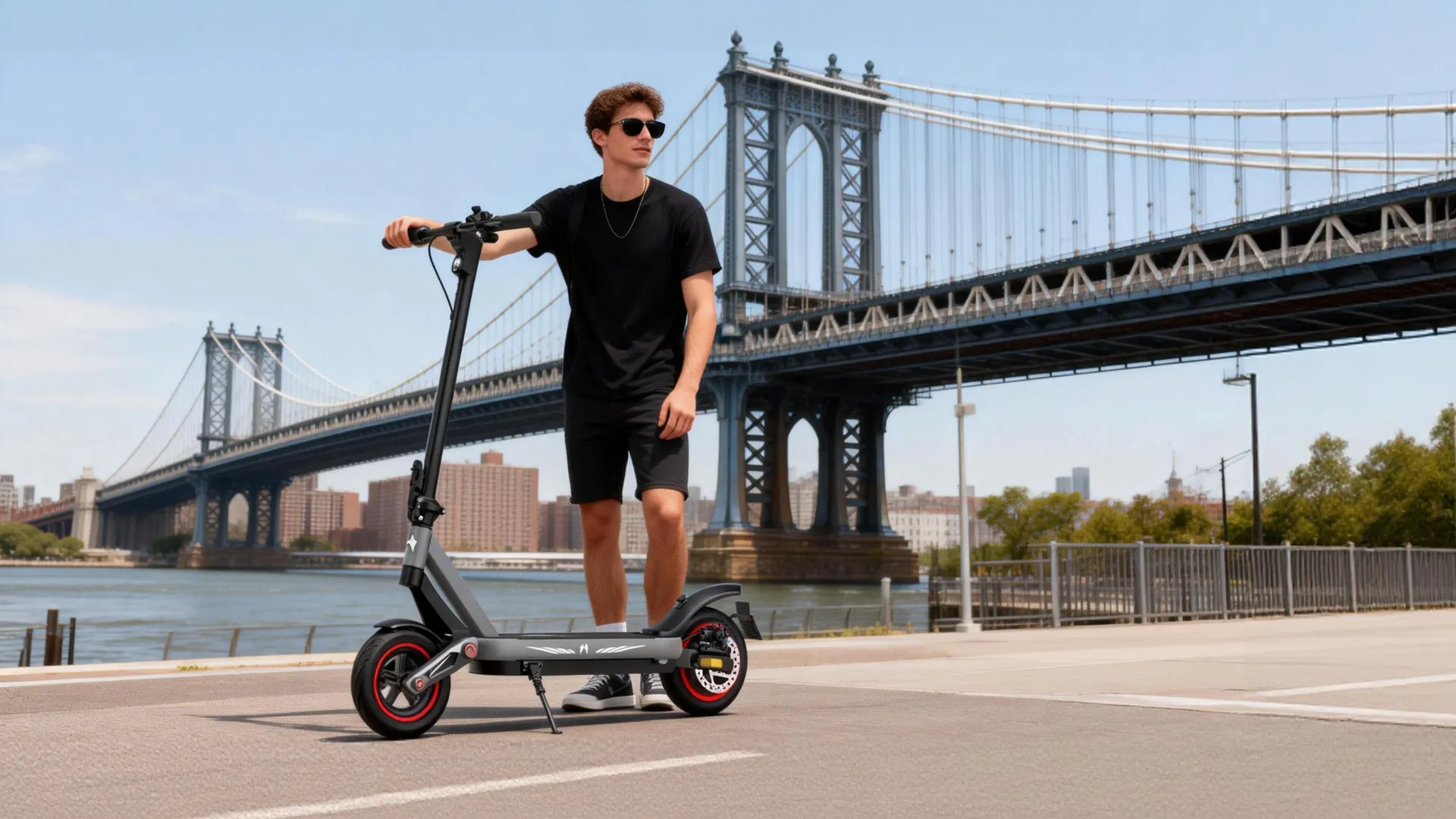
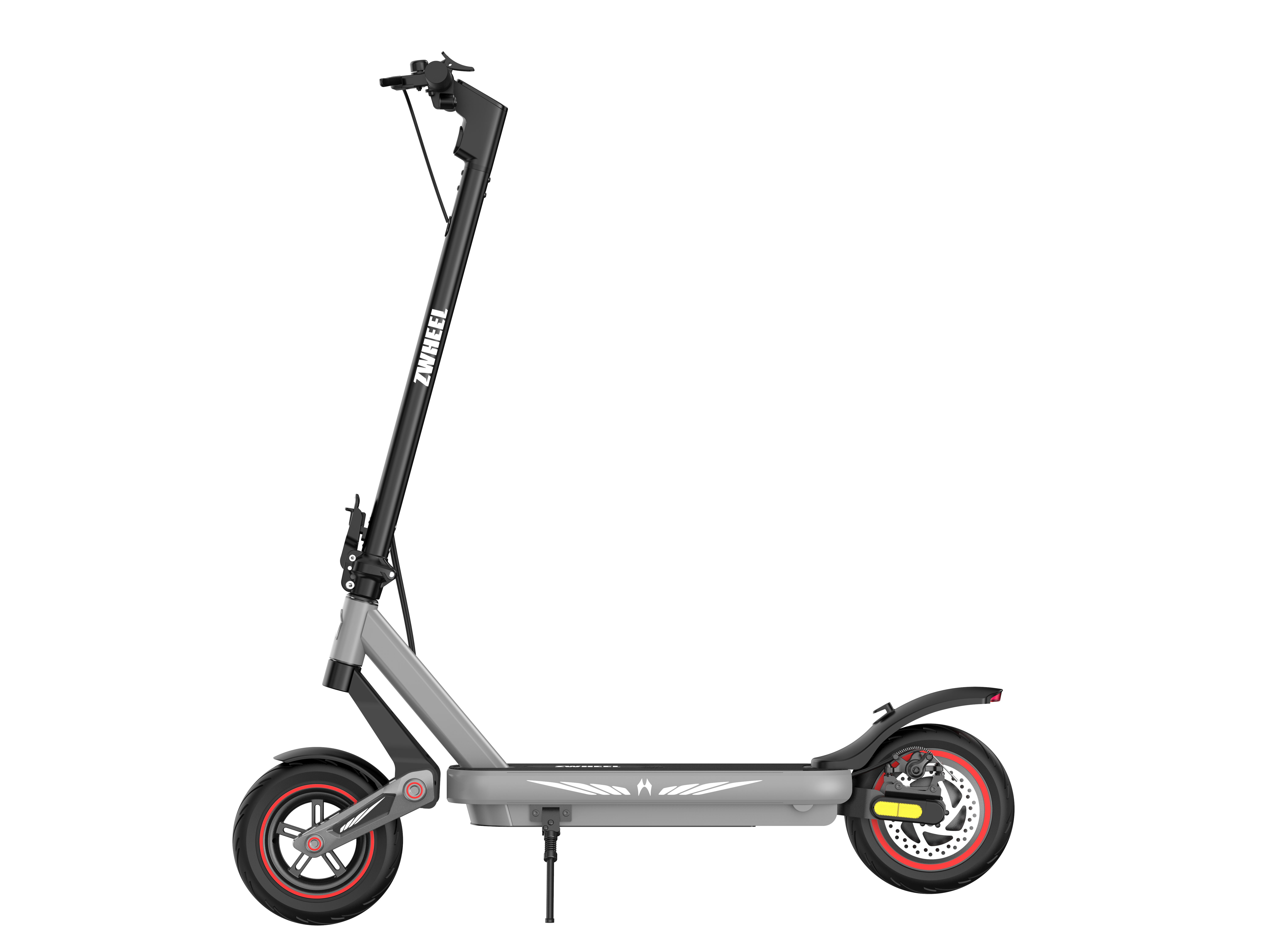
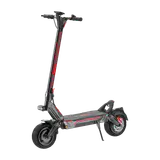
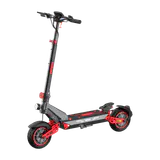
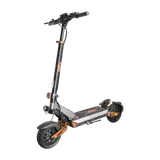
To keep this fair, we used average U.S. urban data from mid-2026. Ride-hailing prices include base fares, per-mile charges, and surge pricing (yes, we accounted for that). Taxi fares follow standard metered rates. For e-scooters, we looked at a typical commuter model like the Zwheel ZSA Plus ($499) and a more powerful option like the Zwheel D3S-S ($600).
Key Assumptions
- Average commute: 10 miles round trip, 5 days a week (200 miles/month)
- E-scooter lifespan: 3 years (conservative — many Zwheel models last longer)
- Charging cost: $0.13 per kWh (national average)
- Maintenance: $50/year (tires, brakes, bearings)
- No parking or insurance costs (e-scooters are typically exempt)
Cost Per Mile Breakdown: Electric Scooter vs Uber vs Taxi
Here’s the bottom line — the cost per mile for each mode of transport in 2026:
| Mode | Cost Per Mile | Monthly Cost (200 miles) | Annual Cost |
|---|---|---|---|
| Electric Scooter (ZSA Plus) | $0.08 | $16 | $192 |
| Electric Scooter (D3S-S) | $0.10 | $20 | $240 |
| Uber (average) | $2.50 | $500 | $6,000 |
| Taxi (average) | $3.00 | $600 | $7,200 |
Yes, you read that right. An electric scooter costs less than a tenth of a penny per mile compared to Uber or a taxi. Over a year, that’s a savings of over $5,800 — enough for a nice vacation or a down payment on a car.
Why Electric Scooters Are So Cheap Per Mile
The magic lies in the math. An e-scooter’s purchase price is a one-time cost. After that, you’re only paying for electricity (pennies per charge) and minimal maintenance. Compare that to Uber’s per-mile fees that include the driver’s pay, vehicle costs, insurance, and platform profit — all wrapped into a single ride.
Charging Costs: Almost Free
Charging a typical 500Wh e-scooter battery costs about 6.5 cents per full charge. That gives you 20–30 miles of range. So you’re looking at roughly 0.3 cents per mile in electricity. Yes, that’s less than a penny. Even if your local electricity rate is higher, you’re still under 1 cent per mile.
Maintenance: Simple and Cheap
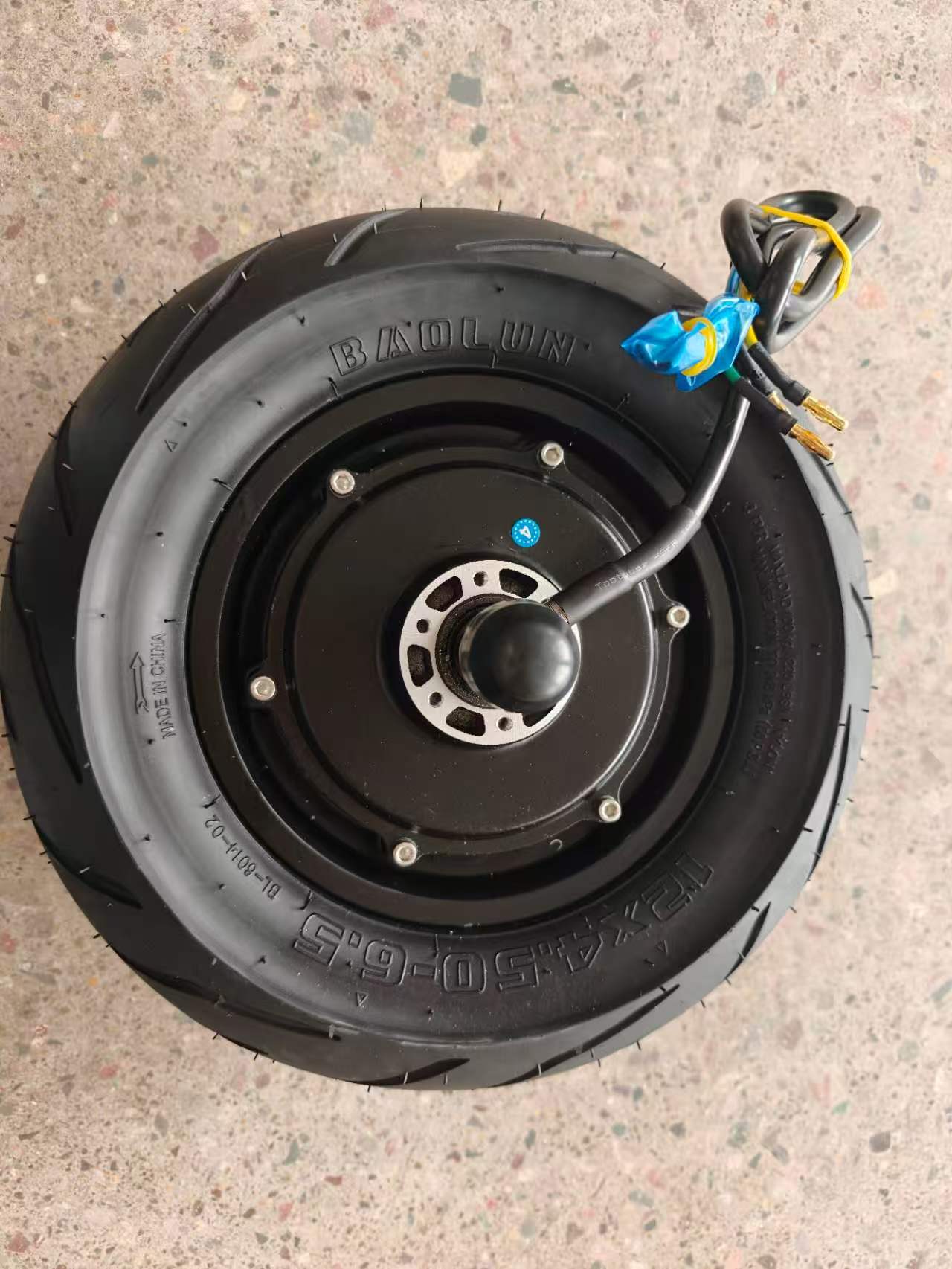
No oil changes, no engine repairs, no transmission issues. E-scooters have just a few moving parts: tires, brakes, bearings, and a motor. With proper care, you’ll spend maybe $50 a year on replacements. Uber and taxi rides? You’re paying for all that maintenance through the fare.
When Ride-Hailing Still Makes Sense
We’re not saying ditch Uber forever. There are times when a car or taxi is the better choice: bad weather, long distances (over 15 miles each way), carrying heavy cargo, or late-night safety concerns. But for the daily commute, errands within 5 miles, or quick trips to the store, an e-scooter is the clear winner on cost.
Real-World Savings Example: Sarah’s Commute
Meet Sarah. She lives in Austin, Texas, and commutes 10 miles round trip to her office. She was spending $12 per Uber ride (each way) — $24/day, $480/month. That’s $5,760 a year. She bought a Zwheel ZSA Plus for $499. After a year, her total cost (scooter + charging + maintenance) was just $691. She saved $5,069 in year one alone. Now she uses the extra cash for weekend brunch and travel.
How to Maximize Your Savings
Want to get the lowest cost per mile from your e-scooter? Follow these tips:
- Buy a reliable model — cheap scooters break down and eat into savings. Zwheel’s D3S-S is a solid mid-range option.
- Charge at home or work — free charging at the office cuts your cost to zero.
- Maintain your tires — proper inflation reduces rolling resistance and extends range.
- Ride smoothly — aggressive acceleration and braking drain the battery faster.
- Store indoors — extreme temperatures degrade battery life.
What About the Hidden Costs?
Some people worry about battery replacement, theft, or insurance. Here’s the reality:
- Battery replacement: A new battery for most e-scooters costs $100–$200 every 2–3 years. That adds about 2–3 cents per mile over the scooter’s life — still far cheaper than ride-hailing.
- Theft: A good U-lock costs $30. Most e-scooters fold and can be carried inside. Theft risk is low with common sense.
- Insurance: Not required for e-scooters in most U.S. states. Renters or homeowners insurance often covers theft.
Electric Scooter vs Public Transit
For completeness, let’s compare with public transit. A monthly bus or subway pass in a major city costs $70–$130. That’s $0.35–$0.65 per mile for a 200-mile month. An e-scooter at $0.08–$0.10 per mile is still cheaper — plus you get door-to-door service and zero waiting.
Environmental Impact
Beyond the wallet, e-scooters are a green choice. Uber and taxi rides produce about 0.4 kg of CO2 per mile (even hybrids). An e-scooter charged from the grid produces about 0.02 kg CO2 per mile — 20x less. If you charge with solar, it’s zero emissions. That’s a win for your pocket and the planet.
Conclusion: The Electric Scooter Cost Per Mile Wins Every Time
When you compare the electric scooter cost per mile vs Uber and taxi, there’s no contest. At $0.08–$0.10 per mile, an e-scooter is 25–30 times cheaper than ride-hailing. For the daily commuter, the savings are massive — thousands of dollars a year. Whether you choose the affordable Zwheel ZSA Plus or the more powerful Zwheel D3S-S, you’re making a smart financial move. So next time you pull out your phone to order an Uber, ask yourself: is that $15 ride really worth it? Or could you be saving that money for something better?
Frequently Asked Questions
Is an electric scooter cheaper than Uber for short trips?
Yes, for trips under 5 miles, an e-scooter is dramatically cheaper. A 3-mile Uber ride costs $10–$15. On an e-scooter, that same trip costs about 24 cents in electricity and wear. Over a year of daily short trips, you’ll save over $2,000.
How long does it take to recoup the cost of an electric scooter vs Uber?
If you replace just two Uber rides per week (at $15 each), you’ll save $120/month. A $500 scooter pays for itself in about 4 months. After that, it’s pure savings.
What is the cheapest electric scooter per mile?
Among reliable brands, Zwheel offers some of the lowest cost-per-mile options. The ZSA Plus at $499 works out to $0.08/mile over 3 years. Cheaper scooters exist but often have poor build quality and shorter lifespans, which increases the effective cost per mile.
Do electric scooters require insurance like cars?
In most U.S. states, no. Electric scooters under 750W are often classified as “low-speed personal mobility devices” and don’t require registration or insurance. Always check local laws, but for most riders, it’s an uninsured cost.
Can an electric scooter replace a car for commuting?
For many urban commuters, yes. If your commute is under 15 miles each way and you have safe bike lanes or paths, an e-scooter can easily replace a car. You’ll save on gas, parking, and maintenance. For longer trips or bad weather, keep a backup plan — but for 80% of daily travel, an e-scooter works great.
作者
Zwheel Team
Zwheel 编辑团队成员,专注于电动出行趋势、产品指南和骑行技巧。