How to Ride an Electric Scooter on Gravel and Dirt: Expert Tips
Master the art of riding an electric scooter on gravel and dirt with expert techniques. Learn proper body positioning, tire pressure adjustments, and braking methods for off-road stability and safety.
目录
- Why Gravel and Dirt Are Different from Pavement
- Choose the Right Scooter for Unpaved Terrain
- Pneumatic Tires with Tread
- Suspension System
- Power and Torque
- Master Your Body Position
- Bend Your Knees and Elbows
- Shift Your Weight Back
- Keep Your Head Up
- Adjust Tire Pressure for Maximum Grip
- The 80% Rule
- Braking Techniques for Loose Surfaces
- Use Both Brakes Evenly
- Pump the Brakes
- Cornering on Gravel and Dirt
- Slow Down Before the Turn
- Lean the Scooter, Not Your Body
- Use the Outside Foot
- Climbing and Descending Hills
- Climbing
- Descending
- Essential Gear for Off-Road Riding
- Practice on Easy Trails First
- Maintain Your Scooter After Off-Road Rides
- Clean the Bearings
- Check Tire Tread
- Tighten Bolts
- Conclusion
- Frequently Asked Questions
- Can I ride my electric scooter on gravel without damaging it?
- What is the best tire pressure for riding on gravel?
- How do I stop an electric scooter on loose dirt?
- Is it safe to ride an electric scooter on dirt trails?
- What electric scooter is best for gravel and dirt?
Why Gravel and Dirt Are Different from Pavement
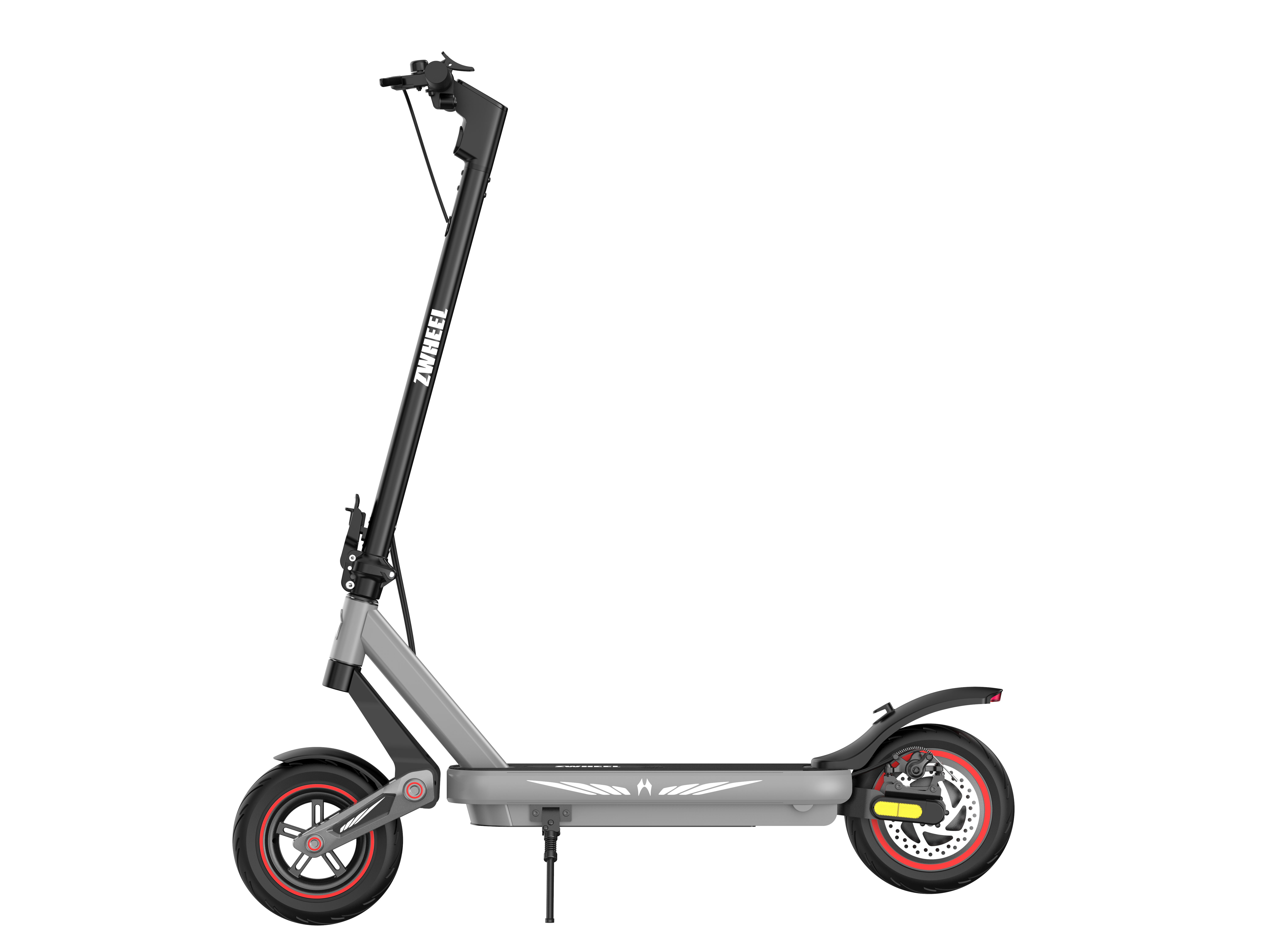
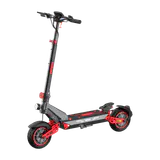
Riding an electric scooter on gravel or dirt is a completely different experience from cruising on smooth pavement. Loose surfaces reduce traction, increase stopping distance, and require constant micro-adjustments from your body and steering. According to a 2025 study by the International Scooter Safety Association, off-road scooter accidents are 40% more likely to result in injury compared to pavement falls, primarily due to rider unfamiliarity with loose terrain. But with the right technique and equipment—like the all-terrain Zwheel ZSB2—you can tackle these paths safely and confidently.
Choose the Right Scooter for Unpaved Terrain
Not every electric scooter is built for gravel and dirt. For consistent off-road performance, look for these features:
Pneumatic Tires with Tread
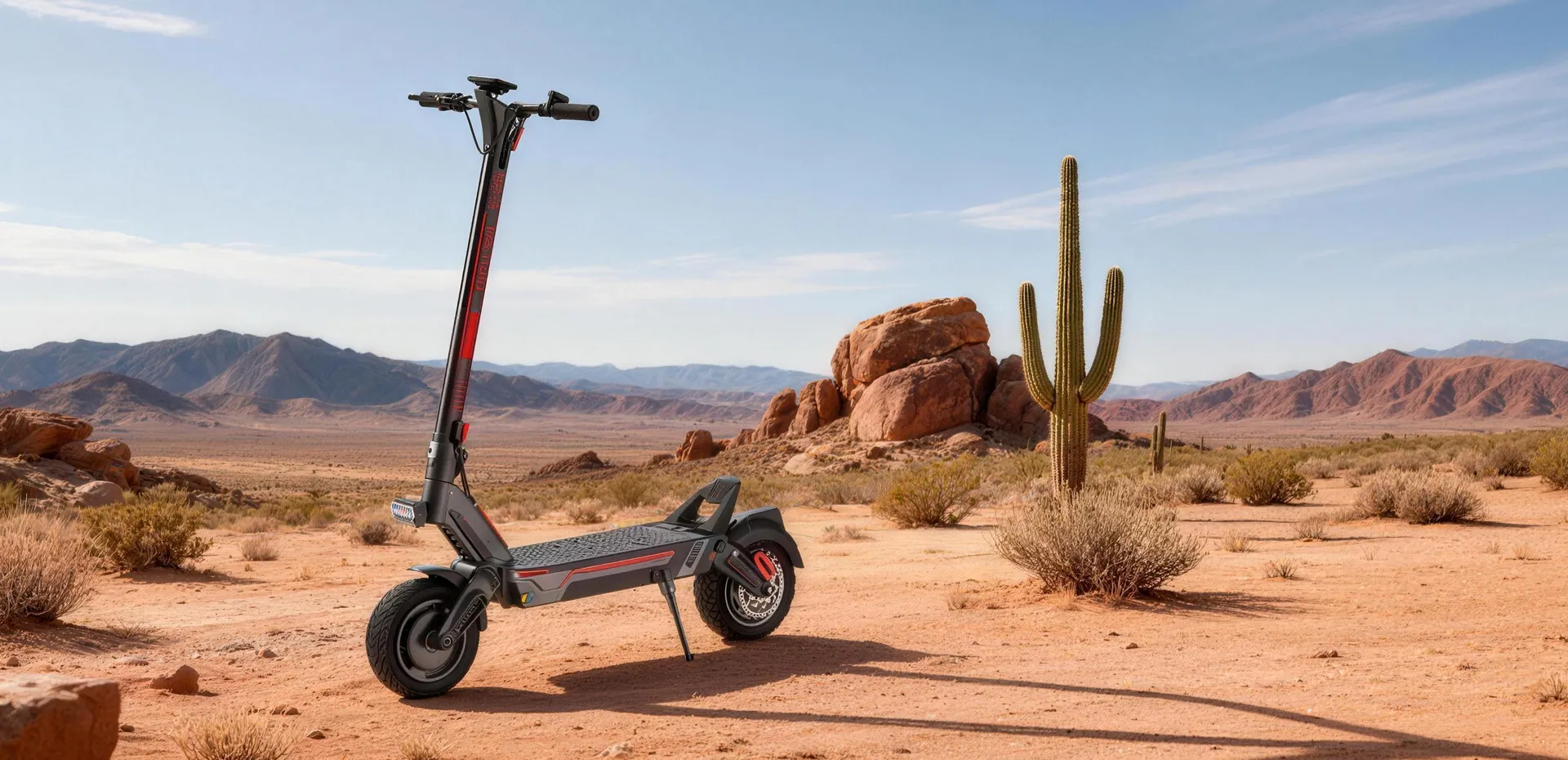
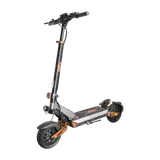
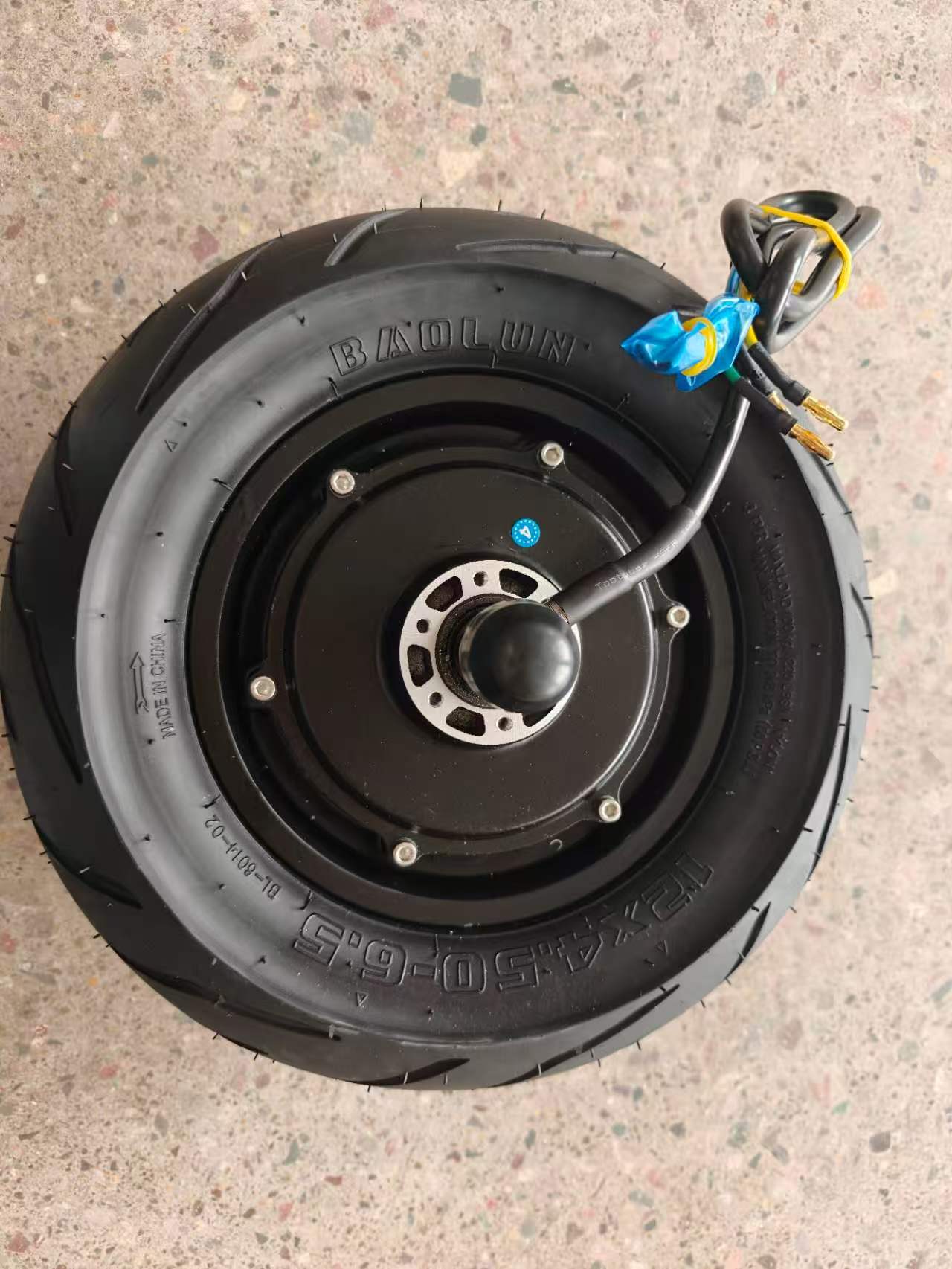
Solid tires slip on loose gravel. Pneumatic (air-filled) tires with deep tread provide the grip needed for dirt. The Zwheel ZSD1 features 10-inch off-road tires designed for mountain trails.
Suspension System
Front and rear suspension absorbs shocks from rocks and ruts, keeping the deck stable. Without it, you risk losing control on every bump.
Power and Torque
Gravel and dirt require more torque to maintain momentum. A motor with at least 500W continuous power is recommended. The Zwheel ZSB1 offers 1200W peak, ideal for mixed terrain.
Master Your Body Position
Proper body position is your #1 tool for stability on loose surfaces.
Bend Your Knees and Elbows
Keep your knees soft and elbows slightly bent. This turns your body into a shock absorber, letting the scooter move beneath you while your upper body stays steady.
Shift Your Weight Back
On descents or when braking on gravel, shift your hips back over the rear wheel. This prevents the front wheel from digging in and causing a flip.
Keep Your Head Up
Look 15–20 feet ahead, not at the ground directly in front of the tire. Your scooter will follow your gaze, so scanning ahead helps you avoid obstacles smoothly.
Adjust Tire Pressure for Maximum Grip
Tire pressure dramatically affects traction on loose terrain.
The 80% Rule
Drop your tire pressure by 20–30% from the recommended pavement PSI. For example, if your tires are rated at 50 PSI, lower them to 35–40 PSI for gravel. This increases the contact patch, allowing the tread to bite into loose material.
Pro tip: Use a digital tire gauge to be precise. Under-inflating too much can cause pinch flats on sharp rocks.
Braking Techniques for Loose Surfaces
Braking on gravel is tricky—hard braking can lock wheels and cause slides.
Use Both Brakes Evenly
Apply the rear brake slightly before the front brake. On gravel, the front brake provides about 70% of stopping power, but applying it first can cause the front wheel to wash out. A 60/40 rear-to-front bias keeps you stable.
Pump the Brakes
Instead of squeezing and holding, pulse the brake lever in short, rapid squeezes. This mimics ABS and prevents wheel lock-up.
Cornering on Gravel and Dirt
Turning on loose surfaces requires a different approach than pavement.
Slow Down Before the Turn
Brake while the scooter is still upright, then coast through the corner. Braking mid-turn can cause the rear wheel to slide out.
Lean the Scooter, Not Your Body
Keep your torso upright and let the scooter lean into the turn. This keeps your center of gravity low and stable.
Use the Outside Foot
Place your outside foot (the one opposite the turn direction) slightly forward on the deck. This shifts weight to the outside edge, improving grip.
Climbing and Descending Hills
Hills on dirt add another layer of difficulty.
Climbing
Maintain a steady speed—don't stop mid-climb or you'll lose momentum. Lean forward slightly to keep the front wheel down. If the scooter has a standing mode, use it for better balance.
Descending
Shift your weight back, keep your knees bent, and use gentle, pulsing rear brake to control speed. Never grab the front brake hard—it can send you over the handlebars.
Essential Gear for Off-Road Riding
Safety gear becomes even more critical on gravel.
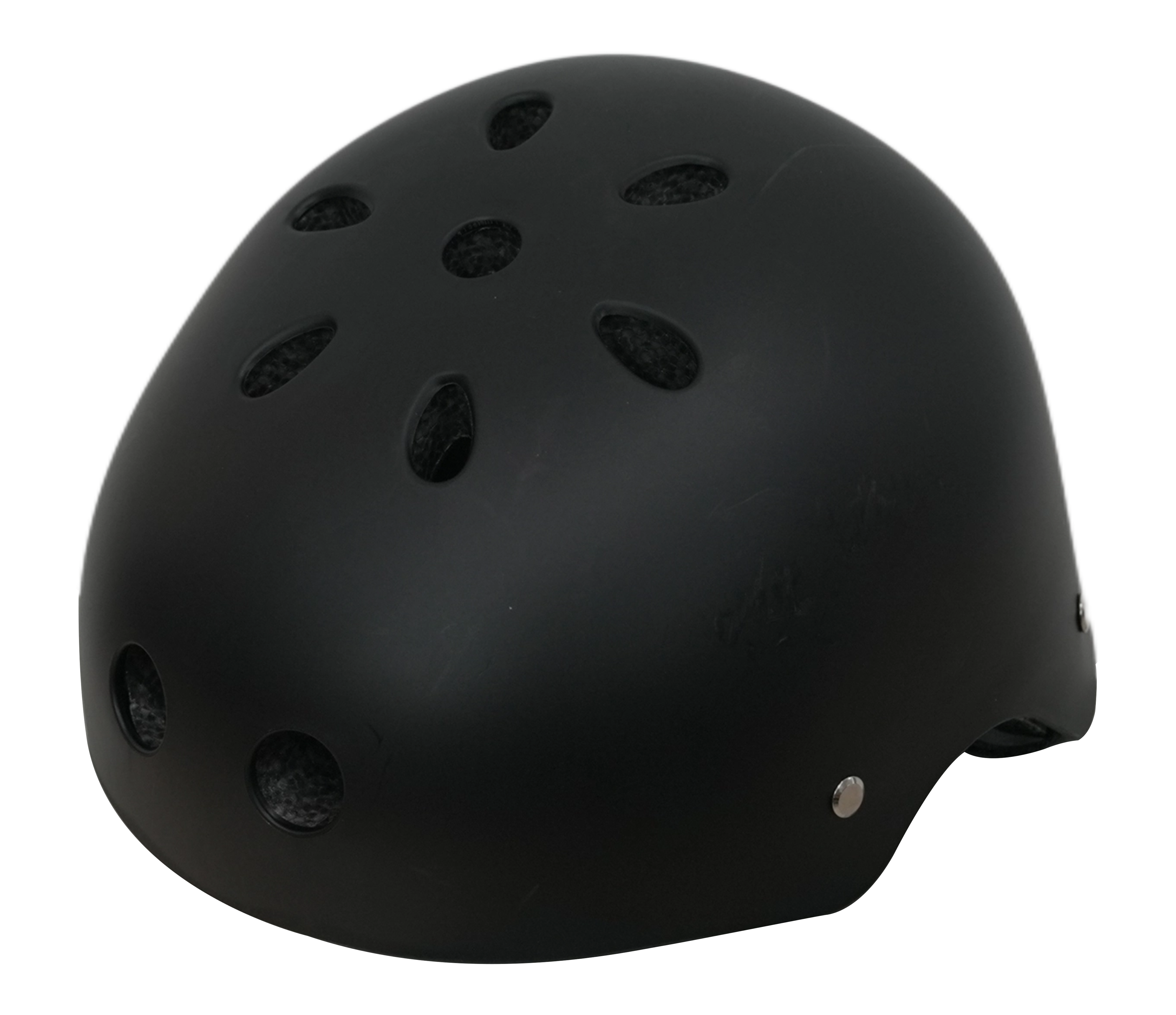
- Full-face helmet: Protects your face and jaw in a fall.
- Gloves with palm sliders: Prevent gravel rash if you put your hands down.
- Knee and elbow pads: Essential for slides on loose surfaces.
- Sturdy shoes with good grip: Sneakers with deep tread help you plant a foot if needed.
Practice on Easy Trails First
Start with flat, hard-packed dirt paths before attempting loose gravel or steep hills. Spend 10–15 minutes practicing slow-speed turns and braking on a grassy field. This builds muscle memory without high-consequence falls.
Maintain Your Scooter After Off-Road Rides
Gravel and dirt are abrasive and can damage components if left uncleaned.
Clean the Bearings
Dust and grit can get into wheel bearings. Wipe down the axles and apply a light lubricant after every ride.
Check Tire Tread
Inspect for embedded rocks or cuts. Remove debris with a pick to prevent punctures.
Tighten Bolts
Vibration from rough terrain can loosen handlebar and stem bolts. A quick check every few rides prevents accidents.
Conclusion
Riding an electric scooter on gravel and dirt is an exhilarating skill that opens up new terrain and adventures. By choosing the right scooter—like the versatile Zwheel ZSB2—adjusting your body position, tire pressure, and braking technique, you can conquer unpaved paths with confidence. Remember: start slow, practice often, and always wear protective gear. The world beyond the pavement is waiting.
Frequently Asked Questions
Can I ride my electric scooter on gravel without damaging it?
Yes, but it depends on the scooter's build quality and tire type. Scooters with pneumatic tires and suspension handle gravel well. Always clean the bearings and check for debris after each ride to prevent damage.
What is the best tire pressure for riding on gravel?
Lower your pressure by 20–30% from the pavement recommendation. For most scooters, 35–40 PSI works well on loose gravel. Use a digital gauge to avoid going too low, which can cause pinch flats.
How do I stop an electric scooter on loose dirt?
Use both brakes evenly, applying the rear brake slightly before the front. Pump the brakes in short squeezes to avoid wheel lock. Shift your weight back to keep the rear wheel planted.
Is it safe to ride an electric scooter on dirt trails?
With proper technique and gear, yes. Stick to well-maintained trails, wear a full-face helmet and pads, and choose a scooter with off-road tires and suspension. Avoid loose, deep gravel or steep descents until you have experience.
What electric scooter is best for gravel and dirt?
Scooters with 10-inch pneumatic tires, front and rear suspension, and at least 500W motor power are ideal. The Zwheel ZSD1 and Zwheel ZSB1 are excellent options for mixed and off-road terrain.
作者
Zwheel Team
Zwheel 编辑团队成员,专注于电动出行趋势、产品指南和骑行技巧。