Electric Scooter for Teenagers: Parents Guide 2026
Everything parents need to know before buying an electric scooter for teenagers: safety laws, age limits, speed caps, and our top picks for 2026.
目录
- Why Electric Scooters Are Popular With Teens in 2026
- Age Requirements and Legal Rules for Teen E-Scooter Riders
- United States
- United Kingdom
- Australia and Canada
- How Fast Should a Teen's Electric Scooter Go?
- Motor Wattage vs. Real Speed
- Essential Safety Gear for Teen Riders
- The Non-Negotiables
- Riding Rules to Set Before the First Ride
- What to Look for When Buying
- 1. Weight and Portability
- 2. Battery Range
- 3. Braking System
- 4. Tire Type
- 5. Build Quality and Warranty
- 6. Speed Limiting
- Top Electric Scooter Picks for Teens in 2026
- Best for Beginners: Commuter Class
- Best for Mixed Terrain: All-Terrain Class
- Best for Experienced Older Teens: Performance Class
- Budget: What Should Parents Expect to Spend?
- Maintenance Tips to Keep the Scooter Safe
- Frequently Asked Questions
- What age should a teenager get an electric scooter?
- Are electric scooters safe for teenagers?
- How fast should a teenager's electric scooter go?
- Do teenagers need a license to ride an electric scooter?
- What's the best electric scooter for a 14-year-old?
- Final Thoughts: A Parents Guide to Getting It Right
Buying an electric scooter for teenagers is one of those parenting decisions that feels simple until you start researching. Suddenly you're drowning in wattage specs, state laws, and horror stories from Facebook groups. This parents guide cuts through the noise. We'll cover what actually matters in 2026: safety regulations, realistic speed limits for teens, budget expectations, and how to pick a scooter your kid will love without compromising on safety.
Why Electric Scooters Are Popular With Teens in 2026
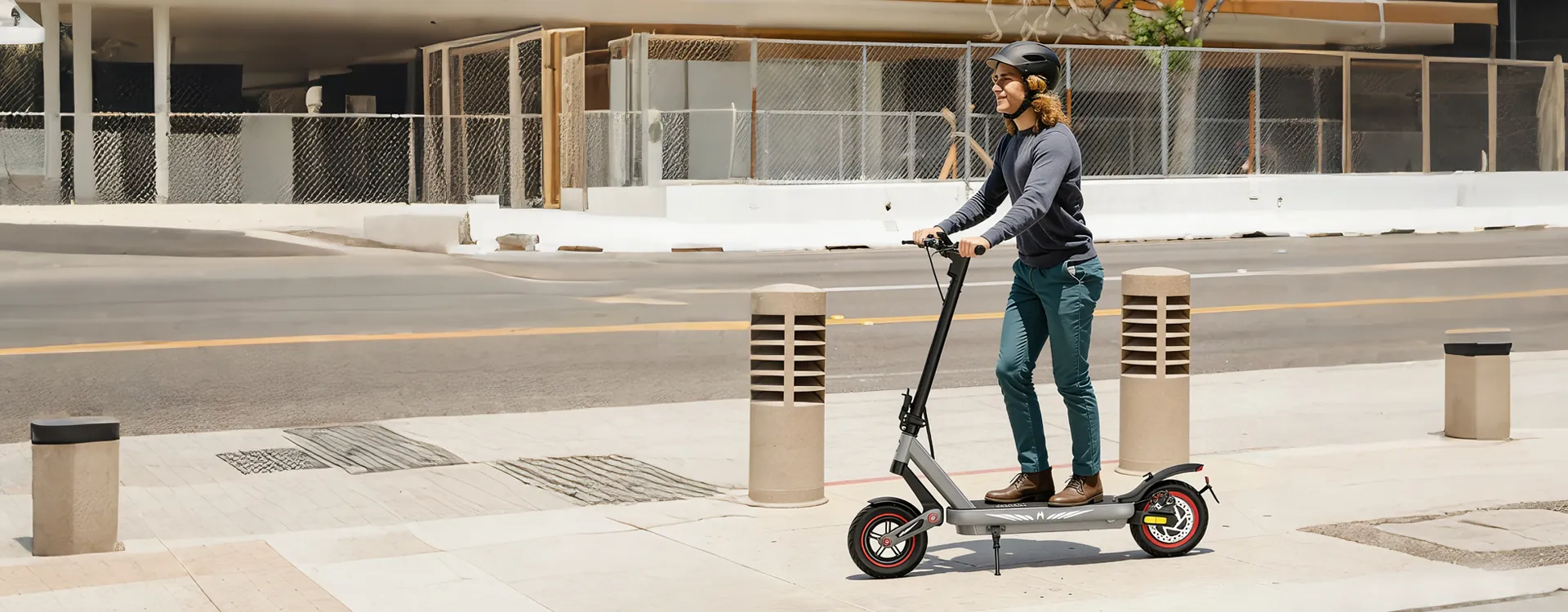
Walk through any suburban neighborhood or college town and you'll see them: teenagers gliding to school, friends' houses, and part-time jobs on electric scooters. The appeal is obvious. They're faster than walking, cheaper than a car, and way more fun than a bike. But the real surge in 2026 comes down to three factors:
- Gas prices and driving age laws — In most states, teens can't drive solo until 16 or 17. An e-scooter fills that gap for ages 13–16.
- Better battery tech — Modern lithium batteries deliver 20–40 miles of range at half the weight of 2020 models.
- Price drops — Entry-level commuter scooters now start around $300–$500, making them a realistic birthday or holiday gift.
The catch? Not all scooters are appropriate for teens. A 4000W racing machine is a completely different animal from an 800W commuter. As a parent, your job is matching the machine to the rider.
Age Requirements and Legal Rules for Teen E-Scooter Riders
Laws vary wildly by country and state, so this is the section to read carefully. Here's the general landscape in 2026:
United States
Most states require riders to be at least 16 for motorized scooters on public roads, though some allow 12+ with adult supervision on sidewalks. California, for example, requires a driver's license or instruction permit for motorized scooters. Helmets are mandatory for anyone under 18 in most states.
United Kingdom
Private e-scooters remain illegal on public roads and pavements, but rental scooter schemes in cities require riders to be 18+ with a provisional or full driving license. This may change with pending 2026 legislation, so check gov.uk before buying.
Australia and Canada
Australia generally sets the minimum age at 16 for e-scooters, with speed limits of 15–25 km/h depending on the state. Canada varies by province — Ontario allows 16+, while some municipalities ban them entirely on sidewalks.
Bottom line: Check your local transport authority website before you buy. A scooter that's legal in one city can get your teen fined in the next town over.
How Fast Should a Teen's Electric Scooter Go?
This is where parents need to be firm. The fastest scooter isn't the best scooter for a teenager. Here's a realistic speed guide based on rider experience:
- Beginners (ages 13–15): 10–15 mph (16–24 km/h). Enough to keep up with traffic on quiet streets without being terrifying.
- Intermediate (ages 16–17): 15–20 mph (24–32 km/h). Suitable for commuting and longer rides.
- Experienced (18+, or very mature 17-year-olds): 20–28 mph (32–45 km/h). Only with full safety gear and riding experience.
Anything above 30 mph should be off the table for a teen rider. At those speeds, a pothole or a car door can cause serious injury, and reaction times simply aren't developed enough for that level of risk.
Motor Wattage vs. Real Speed
Wattage doesn't translate directly to speed, but as a rough guide:
- 350W–500W: 15–18 mph top speed
- 800W–1000W: 20–25 mph top speed
- 1200W–2000W: 25–35 mph top speed
- 4000W+: 40+ mph — racing territory, not for teens
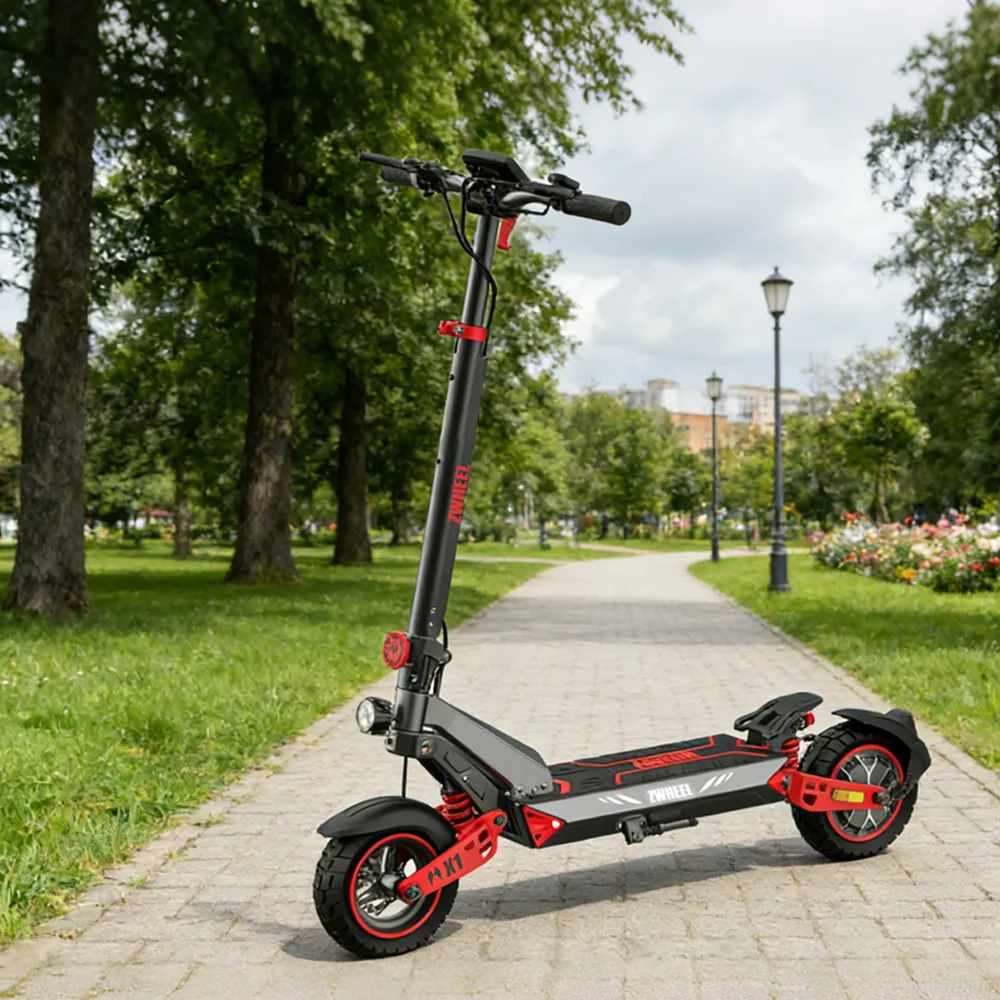
For most teenagers, an 800W–1000W scooter hits the sweet spot of capability and control. The Zwheel ZSA Plus (800W, $499) is a solid example of a commuter-class scooter that's fast enough to be fun but governed enough to be safe.
Essential Safety Gear for Teen Riders
Don't skip this section. A scooter without safety gear is like a bike without brakes — technically functional, but a disaster waiting to happen.
The Non-Negotiables
- Helmet: A certified bike or skate helmet (CPSC, EN 1078, or equivalent). Full-face helmets are better for scooters capable of 20+ mph.
- Gloves: Wrist and palm protection. Falls almost always involve hands hitting the ground first.
- Knee and elbow pads: Uncool? Maybe. But road rash on a 15-year-old lasts weeks and scars for years.
- Reflective gear or lights: Essential if your teen rides at dawn, dusk, or night.
Riding Rules to Set Before the First Ride
Write these down and have your teen agree to them:
- Always wear a helmet, no exceptions.
- No riding in the rain or on wet roads (slippery surfaces + small wheels = crashes).
- No riding after dark unless the scooter has proper lights and reflectors.
- No passengers — most scooters are single-rider only.
- No headphones while riding. One earbud max, and only at low volume.
- Stick to bike lanes, quiet streets, and designated paths. Avoid busy roads.
What to Look for When Buying
Here's a practical checklist for evaluating any scooter before you buy:
1. Weight and Portability
Teens need to carry their scooter up stairs, onto buses, or into classrooms. Look for models under 40 lbs (18 kg) with a folding mechanism. Anything heavier becomes a burden.
2. Battery Range
Match range to actual use. A 5-mile round-trip commute needs a 15-mile range scooter (accounting for hills, wind, and battery degradation). Don't pay for 60-mile range your teen will never use.
3. Braking System
Disc brakes or electronic brakes with a rear fender brake are the minimum. Avoid scooters with only a single rear fender brake — stopping distance is dangerously long.
4. Tire Type
Pneumatic (air-filled) tires absorb bumps better than solid tires, but they can puncture. Solid tires are maintenance-free but harsh on rough roads. For suburban riding, pneumatic is usually the better choice.
5. Build Quality and Warranty
Look for aluminum alloy frames, IPX4 or higher water resistance, and at least a 12-month warranty. Cheap no-name scooters often fail within months and have no support.
6. Speed Limiting
Some scooters let you cap the top speed via an app. This is a huge win for parents — you can set a 15 mph limit for a new rider and unlock more as they gain experience.
Top Electric Scooter Picks for Teens in 2026
Here are three categories worth considering, with real models that fit each:
Best for Beginners: Commuter Class
For a first scooter, stick with 800W–1000W, 20–25 mph top speed, and a weight under 40 lbs. The Zwheel D3S-S (1000W, $600) is a strong option — enough power for hills and longer commutes without tipping into dangerous territory. Pair it with a speed limiter and you've got a scooter that grows with your teen.
Best for Mixed Terrain: All-Terrain Class
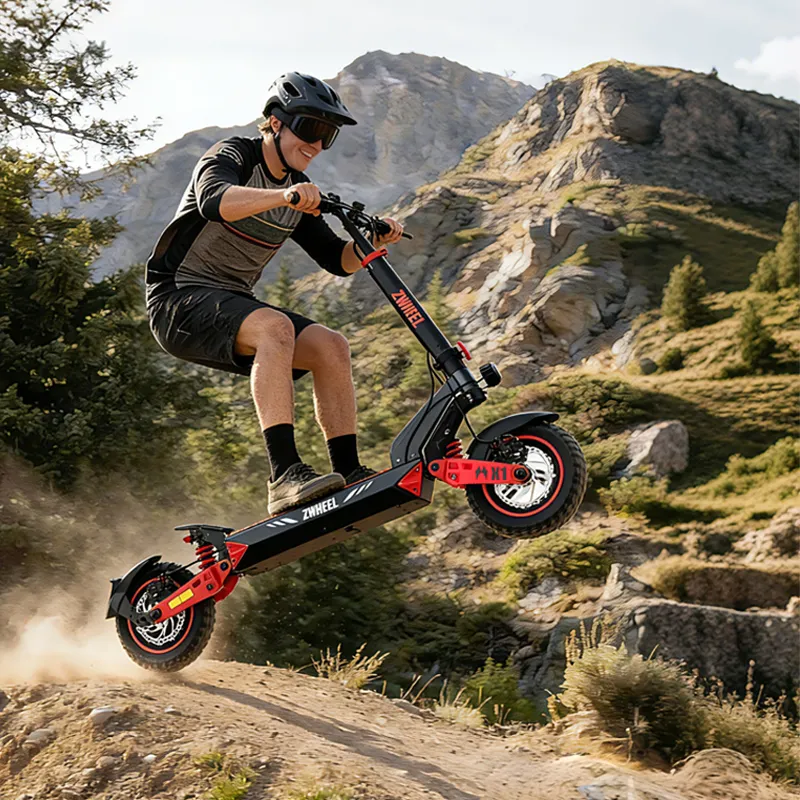
If your teen rides on gravel paths, dirt trails, or rough suburban roads, a scooter with wider tires and better suspension makes a difference. The Zwheel ZSB2 (1500W, $650) handles mixed surfaces well without being overpowered for a responsible 16-year-old.
Best for Experienced Older Teens: Performance Class
For 17–18-year-olds with riding experience, a 2000W scooter like the Zwheel ZSD1 (2000W, $800) offers serious capability for off-road and long-distance riding. This is not a beginner scooter — reserve it for teens who've proven they can handle speed and responsibility.
Budget: What Should Parents Expect to Spend?
In 2026, here's a realistic breakdown:
- $300–$500: Entry-level commuter scooters. Fine for short trips, lighter riders, and beginners.
- $500–$800: Mid-range commuters and all-terrain models. Best value for most teens.
- $800–$1200: High-performance and off-road scooters. For experienced riders only.
- $1200+: Racing and extreme performance. Not recommended for teenagers.
Don't forget the extras: helmet ($40–$100), pads ($30–$60), lock ($20–$40), and possibly a spare charger. Budget an extra $100–$200 on top of the scooter price.
Maintenance Tips to Keep the Scooter Safe
A poorly maintained scooter is a dangerous scooter. Teach your teen these habits:
- Check tire pressure weekly. Under-inflated tires reduce range and increase crash risk.
- Inspect brakes monthly. Replace brake pads when they're worn to 1mm or less.
- Charge properly. Don't leave the battery at 0% or 100% for long periods. Aim for 20–80% for daily storage.
- Clean and lubricate. Wipe down the frame, check folding mechanisms, and lubricate hinges every few weeks.
- Store indoors. Extreme heat and cold degrade batteries and damage electronics.
Frequently Asked Questions
What age should a teenager get an electric scooter?
Most safety experts and manufacturers recommend 13–14 as a minimum age for supervised riding, and 16+ for independent riding on public roads. Check your local laws — many states and countries set legal minimums at 16.
Are electric scooters safe for teenagers?
Yes, with the right scooter and safety gear. The key factors are speed (keep it under 20 mph for beginners), helmet use (non-negotiable), and riding environment (avoid busy roads). Most scooter injuries involve riders not wearing helmets or riding beyond their skill level.
How fast should a teenager's electric scooter go?
For beginners, 10–15 mph is ideal. Intermediate riders can handle 15–20 mph. Anything above 25 mph should be reserved for experienced adult riders. Use speed-limiting features if available.
Do teenagers need a license to ride an electric scooter?
It depends on where you live. Some US states require a driver's license or permit for motorized scooters, while others have no license requirement. The UK requires a provisional or full license for rental scooters. Always check your local regulations.
What's the best electric scooter for a 14-year-old?
Look for an 800W–1000W commuter scooter with a top speed of 20–25 mph, weighing under 40 lbs, with disc brakes and pneumatic tires. The Zwheel ZSA Plus (800W, $499) fits this profile well. Pair it with a helmet, pads, and clear riding rules.
Final Thoughts: A Parents Guide to Getting It Right
Choosing an electric scooter for teenagers doesn't have to be overwhelming. Focus on the essentials: match the scooter to your teen's experience level, cap the speed, invest in proper safety gear, and set clear riding rules before the first ride. A well-chosen scooter can give your teen independence, exercise, and a practical way to get around — without the risks that come with an overpowered machine.
Start with a commuter-class model, enforce helmet use from day one, and upgrade only when your teen has demonstrated responsibility and skill. That's the formula that keeps parents and teenagers happy in 2026.
作者
Zwheel Team
Zwheel 编辑团队成员,专注于电动出行趋势、产品指南和骑行技巧。